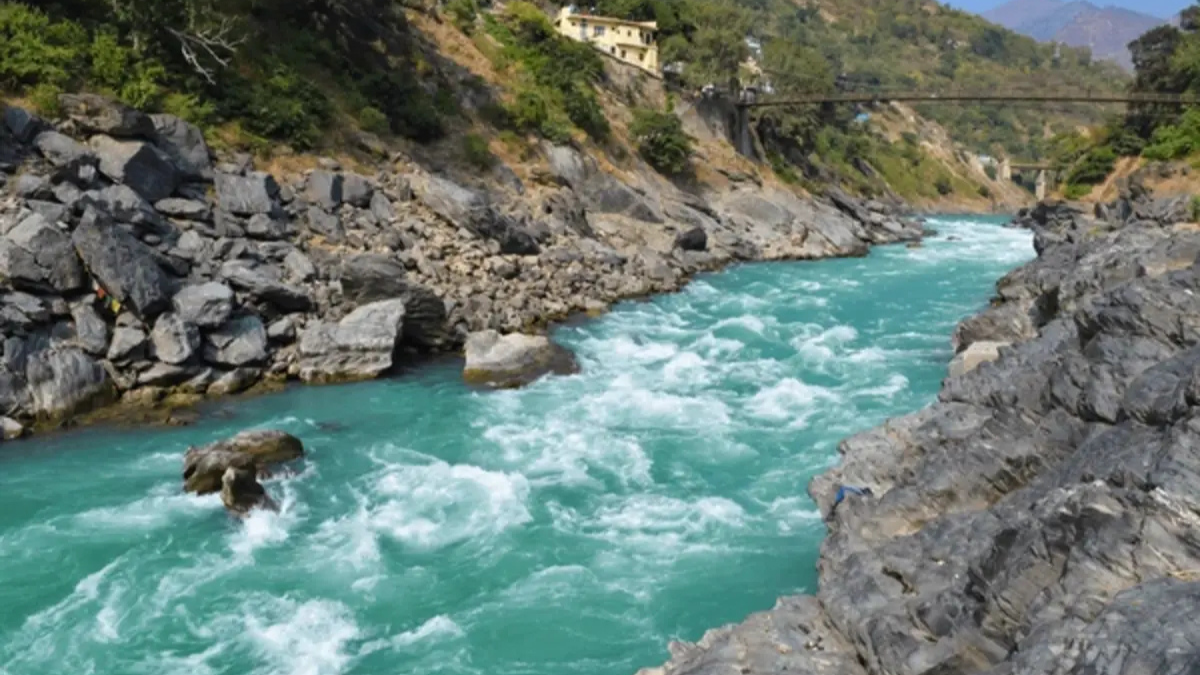
Uttarakhand, often called the Devbhumi or Land of Gods, is famous for its mountains, temples, and natural beauty. One of the most special features of this state is its rivers, many of which are considered holy in Indian culture. These rivers not only provide water for farming, drinking, and electricity but also hold deep spiritual importance. Let’s explore the major rivers flowing through Uttarakhand.
An Overview of Uttarakhand
Uttarakhand, also known as the “Land of the Gods,” is a northern Indian state that was earlier called Uttaranchal until 2007. It shares borders with Himachal Pradesh, Uttar Pradesh, Nepal, and Tibet. The state covers 53,483 sq km and is divided into 13 districts under Garhwal and Kumaon regions. Dehradun is the capital, while Nainital is the judicial capital. Famous for the Ganga and Yamuna origins, Uttarakhand is also among India’s greenest states.
List of Rivers in Uttarakhand
Uttarakhand, often called the “Land of Gods,” is home to many sacred and life-giving rivers. Flowing from the Himalayan glaciers, these rivers not only support agriculture and daily life but also hold great cultural and spiritual importance.
Here are the names of rivers of Uttarakhand:
- Ganga River
- Yamuna River
- Bhagirathi River
- Alaknanda River
- Mandakini River
- Dhauliganga River
- Pindar River
- Nadakini River
- Ramganga
- Kali River
- Gaula River
- Saryu River
- Gori River
Ganga River
The Ganga is India’s holiest river and begins in Uttarakhand as the Bhagirathi from the Gangotri Glacier. At Devprayag, it meets the Alaknanda and takes the name Ganga. Flowing through cities like Rishikesh and Haridwar, it attracts millions of pilgrims and is considered a symbol of purity.
Yamuna River
The Yamuna originates from the Yamunotri Glacier and is worshipped as a goddess. The Yamunotri temple is also one of the sacred Char Dham pilgrimage sites. The river flows through western Uttarakhand, providing water for farming and daily use.
Bhagirathi
The Bhagirathi is a major tributary of the Ganga and also starts from the Gangotri Glacier. It joins the Alaknanda at Devprayag to form the Ganga. It flows through Uttarkashi and is linked to the story of King Bhagirath, who brought the Ganga to Earth through penance.
Alaknanda
The Alaknanda River begins from the Satopanth Glacier near Badrinath. It passes through all five Prayags (confluences) – Vishnuprayag, Nandprayag, Karnaprayag, Rudraprayag, and Devprayag – making it highly important both spiritually and geographically.
Mandakini
The Mandakini starts from the Chorabari Glacier near Kedarnath. It meets the Alaknanda at Rudraprayag. Pilgrims visiting Kedarnath often see this river flowing beside the temple, making it a symbol of devotion and faith.
Dhauliganga
The Dhauliganga originates near Niti Pass in Chamoli. It merges with the Alaknanda at Vishnuprayag. The river is known for its power and is used in many hydroelectric projects.
Pindar River
The Pindar River flows from the Pindari Glacier in Kumaon. It meets the Alaknanda at Karnaprayag. This river valley is also famous among trekkers and adventure lovers.
Nandakini
The Nandakini River comes from the Nanda Ghunti region and joins the Alaknanda at Nandprayag. It is one of the five sacred confluences of Uttarakhand and plays a vital role in local farming.
Ramganga
Starting from the Dudhatoli hills in Chamoli, the Ramganga flows through Jim Corbett National Park before entering Uttar Pradesh. It supports both wildlife and agriculture, making it an important lifeline for the Terai region.
Kali River
The Kali River originates from Kalapani in Pithoragarh. It acts as a natural boundary between India and Nepal. Downstream, it is called the Sharda River and later joins the Ghaghra River.
Gaula River
The Gaula starts from the Bhimtal region in Nainital. It flows into the plains and provides water for irrigation and drinking, especially for the city of Haldwani.
Saryu River
The Saryu begins near Kapkot in Bageshwar and joins the Kali River at Pancheshwar. It is considered sacred in Kumaon and is vital for local agriculture.
Gori Ganga
The Gori Ganga originates from the Milam Glacier and flows through Munsiyari in Pithoragarh. Known for its fast current and rapids, it is popular among adventure seekers and eventually merges with the Kali River.


 Who is known as the Father of Scientific...
 Which River is known as the River of Lif...
 Who is known as the King of the Deccan?