
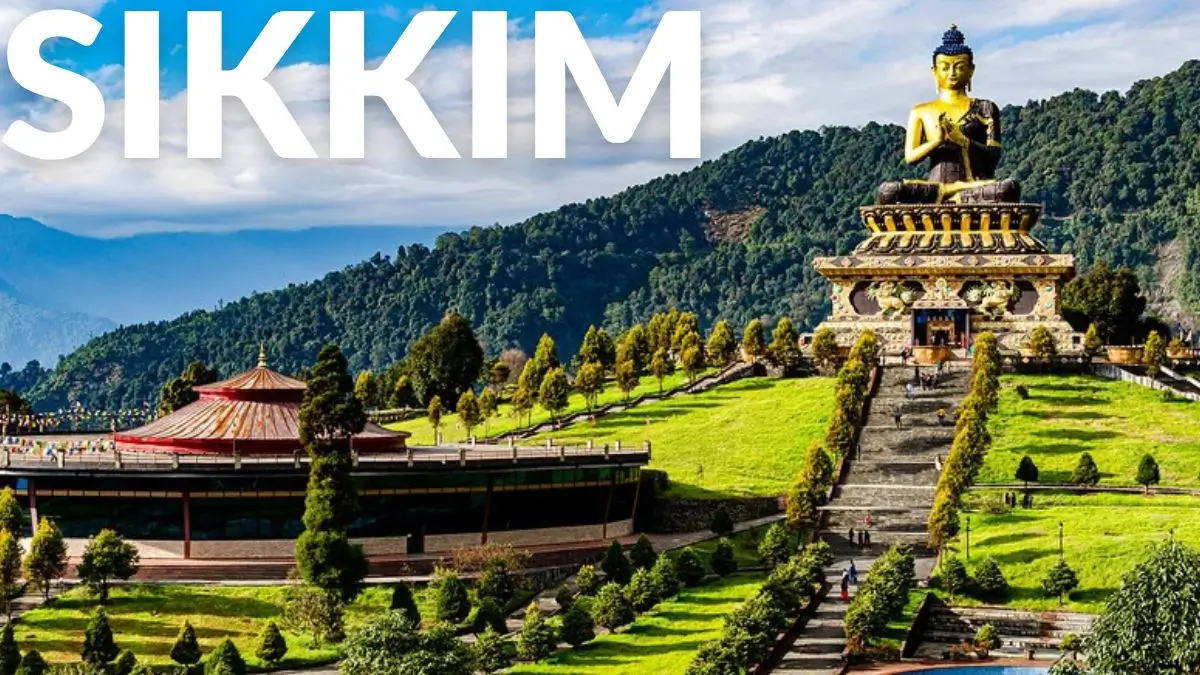
Sikkim celebrates the Statehood Day 2026 on 16th May every year since the formation of state in year 1975. This Himalayan state marks the 51 years of becoming the part of India. This day is just more than political anniversary and this occasion reflects the Sikkim’s journey of democracy, cultural preservation, environmental leadership.
What Is Sikkim Statehood Day?
Sikkim Statehood Day is also known as Sikkim Foundation Day and it marks the date when Sikkim formally joined the Indian Union as a full fledged state.
The historic transition was took place on May 16, 1975 after a major political developments and a public referendum.
Each year, this day is celebrated across the state via official ceremonies, cultural programs, educational activities and public commemorations.
This day remains one of the most significant dates in the Sikkim’s political history.
Sikkim Before Joining India
Before becoming part of the India, Sikkim functioned as an independent Himalayan kingdom ruled by the Chogyal monarchy.
The ruling Namgyal dynasty was established in the 17th century and shaped the Sikkim’s historical identity.
The region developed the deep cultural links with Tibetan Buddhism and making monasteries central to social and spiritual life.
Major communities that shaped Sikkim’s cultural character includes the,
- Lepchas
- Bhutias
- Nepalis
This cultural diversity remains one of the Sikkim’s defining strengths even today.
How Sikkim Became Part of India
In the early 1970s several political demands for democratic governance became stronger.
Related concerns has emerged around the,
- Political representation
- Electoral fairness
- Governance participation
- Institutional accountability
After some time period public pressure has increased and political future became a major issue.
A historic referendum in the 1975 asked people whether the monarchy should continue and whether Sikkim should integrate with India.
The majority of people voted in favor of joining India.
Following this approach,
- The monarchy was abolished.
- The 36th Constitutional Amendment Act, 1975 was passed.
- And the State of Sikkim officially became India’s 22nd state.
Why Sikkim Statehood Day Matters Today
Sikkim Statehood Day is not just about the remembering history. It also reflects larger national values.
The day symbolizes the power of the democratic choice and peaceful political transition.
It also marks the successful integration of the distinct Himalayan region into the India’s federal structure.
Despite the political integration, Sikkim has preserved the its unique cultural and spiritual identity.
How Sikkim Celebrates Statehood Day
People of Sikkim widely celebrates the statehood day with different ways.
- Government Ceremonies
- Cultural Programs
- School and College Activities
These activities also help younger generations connect with state history.
Sikkim’s Unique Cultural Identity
Sikkim is one of the India’s most culturally distinctive states.
In the state multiple languages are spoken, including,
- Nepali
- Bhutia
- Lepcha
- Hindi
- English
The major festivals of state also includes the,
- Losar
- Saga Dawa
- Pang Lhabsol
- Dasain
- Tihar
Also the famous Buddhist monasteries include,
- Rumtek Monastery
- Pemayangtse Monastery
This cultural richness makes the Sikkim unique in India.
Interesting Facts About Sikkim
- Sikkim is the India’s second smallest state.
- It became the 22nd state of India in the year 1976.
- It is also declared as India’s first fully organic state.
- It is home to Kangchenjunga which is the world’s third highest mountain.
- The state also features the extraordinary biodiversity.
- Prem Singh Tamang is the Current Chief Minister of State.








 International Day for Disaster Risk Redu...
 National Human Rights Commission to Mark...
 World Arthritis Day 2026: Date, Theme, H...










