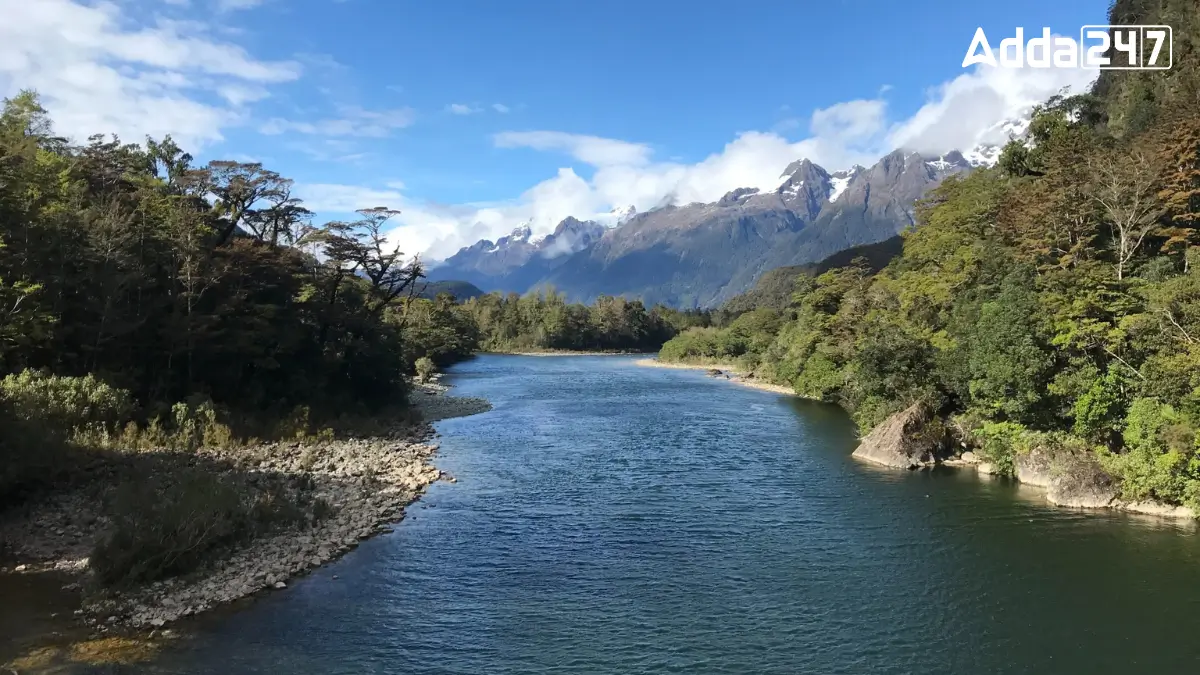
Bihar, a state in eastern India, is known for its many rivers that flow across its plains. These rivers play a vital role in agriculture, transportation and daily life. While some rivers, like the Ganga and Kosi, are large and well-known, there are also smaller rivers that quietly contribute to the region. Among them, one river holds the distinction of being the smaller in Bihar.
An Overview of Bihar
Bihar is a historical state in northeastern India with Patna as its capital. It is the third most populated state and the 12th largest by area. In 2000, Jharkhand was separated from Bihar. It shares borders with Nepal, Jharkhand, West Bengal and Uttar Pradesh. The Ganga River and its tributaries flow through its fertile plains, making Bihar an important agricultural region.
Rivers of Bihar
Bihar has more than twenty rivers flowing through it. The most important river is the Ganga, which is also the most significant river in India. It plays a vital role in agriculture, transportation, and religious activities in the state.
Smallest River in Bihar
The Karmanasa River is the smallest river in Bihar. It begins from the Kaimur district and flows near the border of Uttar Pradesh and Bihar. The river is about 192 kilometres long, and around 76 kilometres of it forms the boundary between the two states. In the end, the Karmanasa River joins the Ganga River, making it an important though small river of the region.
Origin and Course of the Karmanasa River
The Karmanasa River originates from the Kaimur district of Bihar. It starts at a height of 350 meters on the northern face of the Kaimur Range. The river flows in a north-westerly direction through the plains of Mirzapur in Uttar Pradesh. It then forms the boundary between Uttar Pradesh and Bihar, finally joining the Ganga River near Chausa (Bihar) and Bara (Uttar Pradesh).
Length and Drainage Area of the Karmanasa River
The total length of the Karmanasa River is around 192 km, out of which 116 km lies in Uttar Pradesh, while 76 km forms the boundary between Bihar and Uttar Pradesh. The total drainage area of the river is approximately 11,709 square kilometers.
Tributaries and Waterfalls of Karmanasa River
The Karmanasa River has several small tributaries, including:
- Durgavati
- Chandraprabha
- Karunti
- Nadi
- Goriya
- Khajuri
The river forms beautiful waterfalls as it descends to the plains. The major falls are:
- Karkatgarh Falls
- Devdari Falls (58 meters high)
- Chhanpathar Falls (30 meters high)
Historical Significance of the Karmanasa River
The Karmanasa River holds historical importance. The Battle of Chausa, fought on 26 June 1539, took place near the river. In this battle, Sher Shah Suri defeated the Mughal emperor Humayun and took the royal title Farid al-Din Sher Shah.


 Who were the Seven Sisters of Petroleum?...
 What is the State Flower of Florida? Che...
 Which is the Largest Desert in Asia? Che...