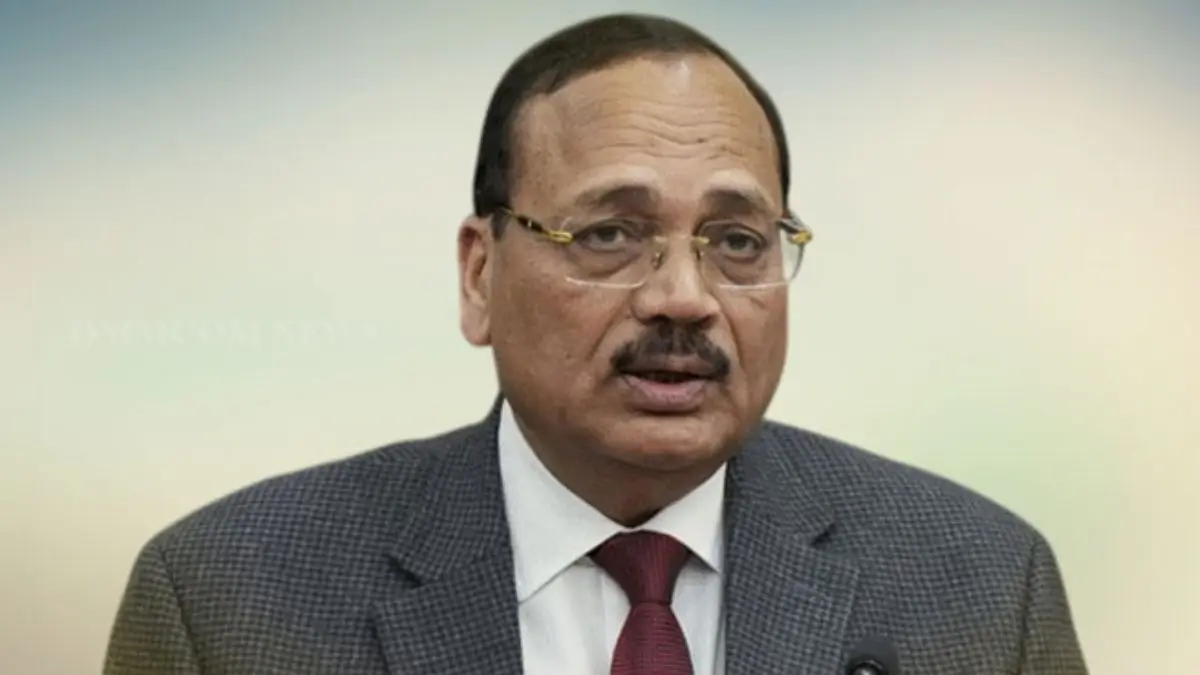
Honorable Chief Justice of India Surya Kant announced the formation of powerful committee to improve the court infrastructure across the country. This move will solve the long standing problems like poor facilities, outdated buildings, digital gaps and delays in handling of cases. This committee will be headed by Supreme Court Judge Justice Aravind Kumar and will create the national roadmap for courts overhaul.
CJI Surya Kant Announces Major Judicial Infrastructure Reform
To strengthen the country’s justice delivery system, CJI of Indian formed the Judicial Infrastructure Advisory Committee.
The core objective of this committee is identify infrastructure weaknesses in courts and create the unified development blueprint for the judicial institutions across India.
This initiative has been launched to make the diverse infrastructure as per the needs of High Courts and District Courts in different states.
The committee will submit the its recommendations directly to the CJI, after the discussions will take place with the Government of India and state governments for the financial support and execution.
Who Is Part of the High Powered Committee?
The committee will brings together the senior judicial and administrative expertise.
It will be led by the Respectable Justice Aravind Kumar of the Supreme Court.
Other members includes the,
- Justice Debangsu Basak – Calcutta High Court
- Justice Ashwani Kumar Mishra – Punjab and Haryana High Court
- Justice Somasekhar Sundaresan – Bombay High Court
- Director General, Central Public Works Department (CPWD)
- Secretary General, Supreme Court of India
Why This Court Modernization Plan Matters
India’s judiciary has long struggled with the infrastructure related issues.
Many district courts continue to face the,
- Overcrowded courtrooms
- Inadequate waiting areas
- Poor digital infrastructure
- Lack of proper facilities for the lawyers and litigants
- Delays caused by administrative inefficiencies
The court infrastructure directly affects the speed and quality of the justice delivery mechanism. Also a modern judicial environment can significantly reduce the bottlenecks.
Key Areas the Committee Is Expected to Focus On
The committee is expected to propose the 21st century modern court complexes which is designed for efficiency, accessibility and smoother judicial functioning.
These may include the better courtroom layouts, technology enabled hearing rooms, improved public service counters and the citizen friendly spaces.
Strengthening the e-Courts Initiative
One of the major focus areas will likely be the e-Courts initiative in which it aims to digitize judicial processes.
This could includes the,
- Faster digital filing
- Better virtual hearing systems
- Improved case tracking
- Digital document management
To bridging the digital divide between urban and rural courts will be crucial.
Faster Case Disposal
With the backing of technology backed infrastructure can improve judicial productivity.
The smarter case management systems, upgraded connectivity and administrative efficiency can help to reduce the India’s large case backlog.
Better Facilities for Litigants and Lawyers
The committee is also expected to improve the physical experience of the justice seekers by providing the better amenities, accessibility measures and professional facilities.
Why Judicial Infrastructure Reform Has Become Urgent
India has one of the world’s largest judiciary system but the infrastructure growth has lagged behind the rising cases.
Over the years this concerns have emerged over the,
- Aging court buildings
- Shortage of courtrooms
- Limited digital adoption
- Poor public convenience infrastructure
As the legal disputes increasing and citizens demand faster justice and the infrastructure reform has become unavoidable.








 India’s Internet Subscribers Cross 1.1...
 JOSH Campaign Launched to Support Indiaâ...
 PM GatiShakti Completes Five Years: Obje...