
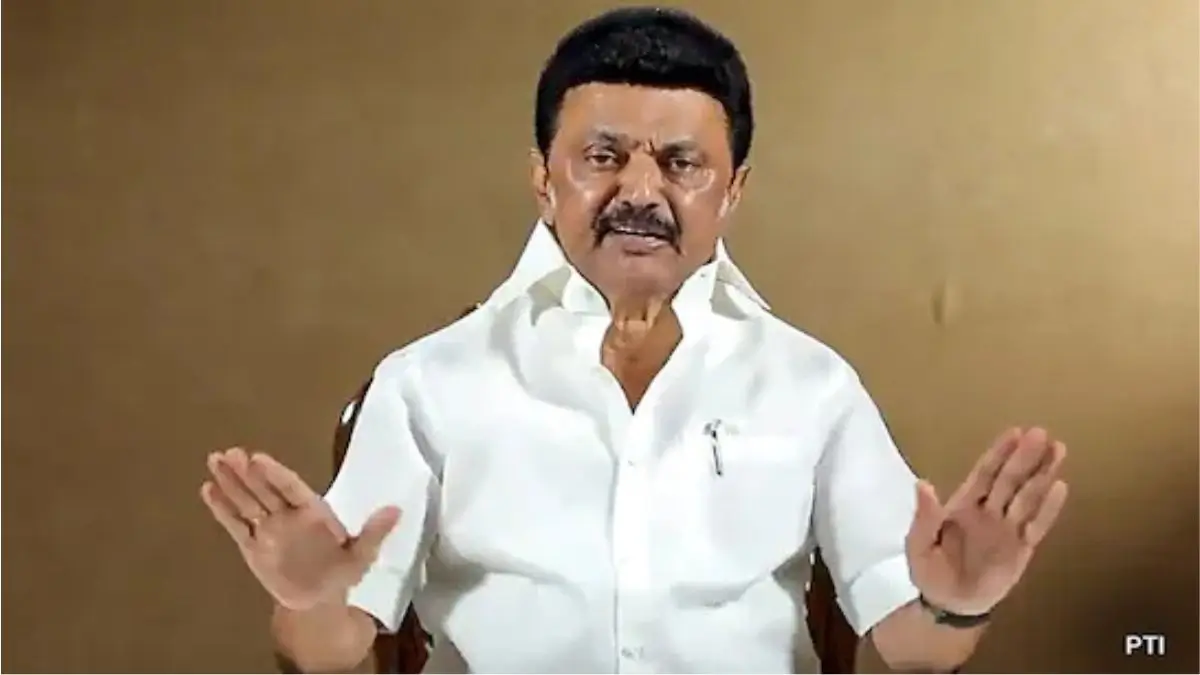
Tamil Nadu Chief Minister M.K. Stalin announced in the Legislative Assembly the formation of a high-level committee to review Centre-State relations, constitutional provisions, and policies to suggest measures for enhancing the autonomy of States. This move, aligning with the federal spirit of the Indian Constitution, comes amid increasing concerns over erosion of State powers. The three-member committee will submit its interim report by January 2026 and its final recommendations within two years.
Key Highlights
Committee Details
- Announced by: Tamil Nadu CM M.K. Stalin
- Date of announcement: April 15, 2025
- Committee Type: High-level review committee
Members
- Justice Kurian Joseph (Retired Supreme Court Judge) – Chairperson
- K. Ashok Vardhan Shetty (Retd. IAS, former VC of Indian Maritime University)
- M. Naganathan (Former Vice-Chairman, State Planning Commission)
- Interim Report Deadline: January 2026
- Final Report: Within 2 years
Mandate of the Committee
- Review Constitution, laws, rules, and policies on Centre-State relations.
- Recommend restoration of subjects shifted from State List to Concurrent List.
- Propose measures to enhance States’ administrative capacity.
- Suggest reforms to enhance autonomy without harming national integrity.
Consider recommendations of,
- Rajamannar Committee (1971)
- Sarkaria Commission (1983)
- Punchhi Commission (2004)
Historical Context
- 1969: Rajamannar Committee under DMK founder M. Karunanidhi
- 1974: TN Assembly adopts its recommendations
Major Issues Raised
1. NEET Imposition
- Undermines TN’s education policies for marginalized students.
- Encourages coaching centres over inclusive access.
- TN legislation to exempt NEET was denied assent.
2. National Education Policy (NEP) 2020
- Three-language formula imposes Hindi on non-Hindi states.
- Centre withheld ₹2,500 crore under Samagra Shiksha Abhiyan.
- Demand: Shift Education back to State List.
3. Financial Autonomy
- GST Implementation: Reduced State’s fiscal independence.
- TN contributes heavily to the Union but gets only 29 paise per ₹1.
- Objections during GST rollout ignored.
4. Delimitation Concerns (2026)
- Penalizes TN for controlling population growth.
- May reduce parliamentary representation.
| Summary/Static | Details |
| Why in the news? | Tamil Nadu Forms High-Level Committee To Strengthening State Autonomy |
| Committee Chairperson | Justice Kurian Joseph (Retd. SC Judge) |
| Other Members | K. Ashok Vardhan Shetty, M. Naganathan |
| Interim Report Deadline | January 2026 |
| Final Report Deadline | Within 2 years |
| Mandate Review | Centre-State laws, recommend autonomy reforms |
| Historical Reference | Rajamannar Committee (1969–1971) |
| Key Issues Raised | NEET, GST, Delimitation, NEP 2020, Fiscal Devolution |


 Blackbucks Make a Comeback in Chhattisga...
 Nitish Kumar to Take Rajya Sabha Oath on...
 Ashwini Bhide Becomes First Woman BMC Co...











