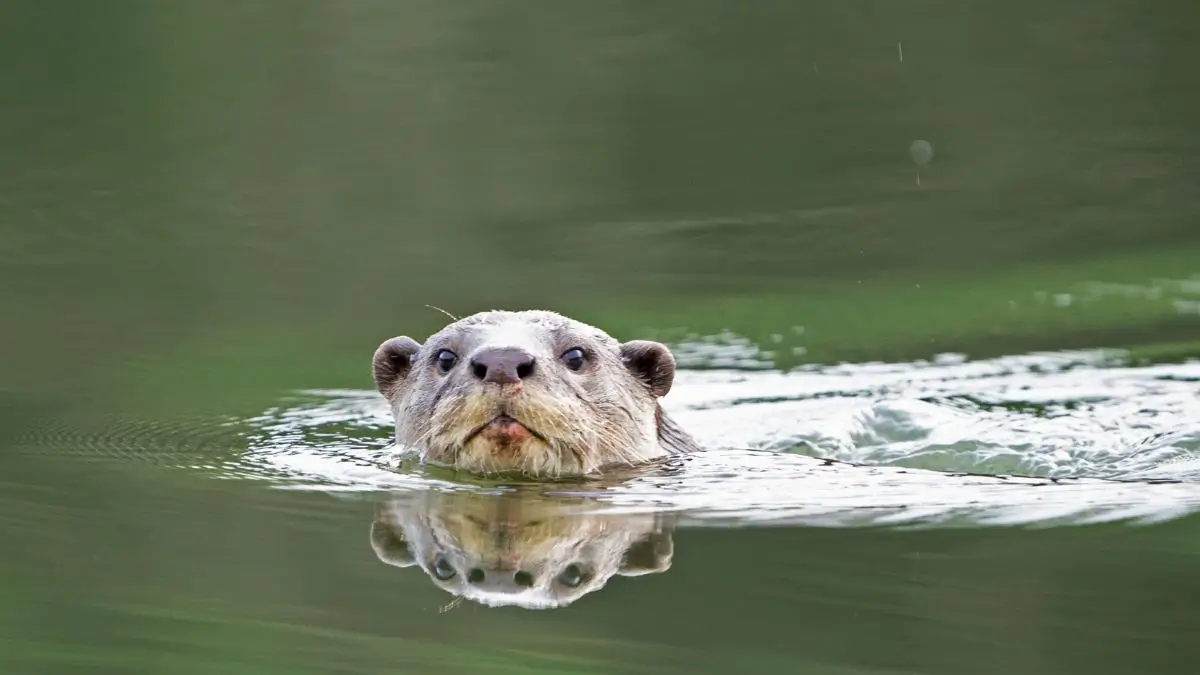
Tamil Nadu government has launched a special conservation initiative to protect the smooth-coated otter which is a vulnerable species found in the Cauvery river delta. The programme focuses on studying otter populations, improving habitats, and reducing conflicts between otters and local fishing communities. This initiative reflects growing concern over the decline of freshwater ecosystems and highlights the importance of conserving species.
Details of the Tamil Nadu Conservation Initiative
The conservation programme was announced during a Tamil Nadu Assembly session on endangered species protection. Officially titled as the ‘Conservation initiative to study the population dynamics, behavioural pattern, and habitat improvement of smooth-coated otters’. It will cover parts of Thanjavur, Tiruvarur, and Cuddalore districts in the Cauvery delta.
The main objectives of the project include,
- Estimating otter population numbers
- Mapping and ranking critical habitats
- Studying threats such as pollution and human conflict
- Restoring habitats through measures like reed planting and fish ladders
The project has received administrative approval of ₹20 lakh, with ₹10 lakh allocated for the financial year 2025–26.
Institutions Involved in the Project
- The initiative is being led by the Tamil Nadu Forest Department’s research wing the Advanced Institute for Wildlife Conservation (AIWC) located in Vandalur, Chennai.
- Field research will be carried out by the department of wildlife biology at AVC Autonomous College, Mayiladuthurai under the supervision of the Forest Department.
- The study is planned for a one year duration.
- In addition, the Endangered Wildlife and Environmental Trust (EWET) has been actively involved in habitat mapping, field surveys, and awareness programmes across the delta.
About the Smooth-Coated Otter
The Smooth coated otter is the largest otter species in Asia. It lives in rivers, lakes, wetlands, mangroves, and irrigation canals. In Tamil Nadu these otters are commonly seen in parts of the Cauvery delta, where local fisherfolk affectionately call them “meenakutty” meaning fishing puppies.
Smooth-coated otters,
- Live and hunt in groups called bevvies
- Communicate using whistles and chirps
- Feed on fish such as carp, catfish, tilapia, and prawns
A single group can consume up to one tonne of fish annually, playing an important role in maintaining aquatic balance.
Conservation Status and Legal Protection
- Smooth-coated otters are listed as Vulnerable on the International Union for Conservation of Nature (IUCN) Red List.
- In India they are protected under Schedule I of the Wildlife Protection Act, 1972, which offers the highest level of legal protection.
- Despite this, their numbers have been declining sharply, especially outside protected areas, due to habitat loss and increasing human pressure.
Importance of Otter Conservation
Otters are considered indicator species, meaning their presence shows that wetlands and rivers are healthy. Protecting otters also helps,
- Preserve freshwater biodiversity
- Improve fish populations in the long term
- Protect wetlands that support agriculture and livelihoods
- As experts note saving otters ultimately means saving freshwater ecosystems
Key Takeaways
- Tamil Nadu launched a conservation initiative for smooth-coated otters in the Cauvery delta
- The species is listed as Vulnerable by the IUCN
- It is protected under Schedule I of the Wildlife Protection Act, 1972
- The project covers Thanjavur, Tiruvarur, and Cuddalore districts
- Approved funding is ₹20 lakh, with ₹10 lakh for 2025–26
- The initiative focuses on population study, habitat restoration, and conflict reduction
Question
Q. The smooth-coated otter conservation programme in Tamil Nadu is mainly focused on which river system?
A. Godavari Delta
B. Cauvery Delta
C. Krishna Delta
D. Vaigai Basin


 PM Narendra Modi Unveils and Lays Founda...
 Gujarat Launches 'Lake and Air Watch' In...
 Indian Orchid Festival 2026 was Conclude...