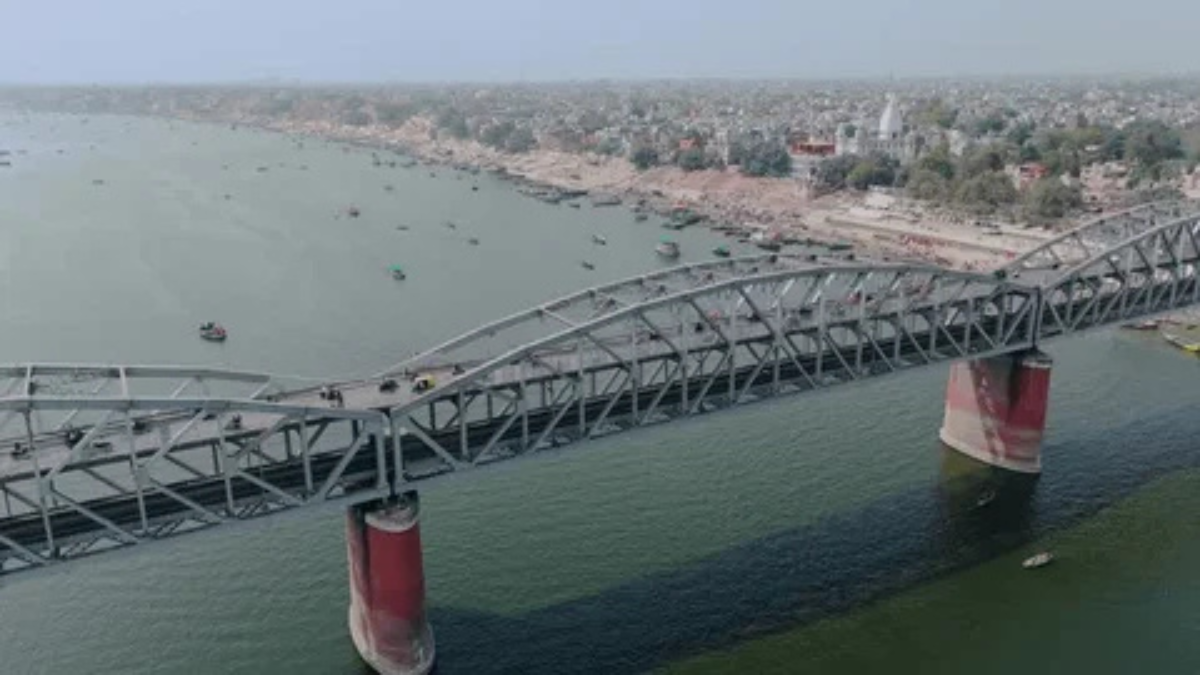
The Ganga River is one of the most well-known rivers in South Asia, flowing through India and into Bangladesh. It has been a source of life, culture, and history for millions of people. Interestingly, once the river crosses into Bangladesh, it is no longer called by the same name. Instead, it gets a new name that holds great local importance.
What is the Ganga River Called in Bangladesh?
The Ganga River changes its name to the Padma River when it enters Bangladesh from India’s West Bengal state near Chapainawabganj. Though the name changes, the river continues to be just as important, providing water, fertile soil, and livelihoods to millions of people living along its banks in Bangladesh.
When the Ganga Changes its Name?
The Ganga changes its name as soon as it crosses into Bangladesh near the town of Chapainawabganj, close to the Farakka Barrage in West Bengal. From this point onwards, the river is called the Padma.
This change is simply due to local tradition and history, not because the river itself is different.
The Path of the Padma River
Once inside Bangladesh, the Padma flows southeast through fertile plains. Along the way, it supports farming, fishing, and many riverside communities.
- First, it meets the Jamuna River (the name for the Brahmaputra in Bangladesh).
- Later, it joins the Meghna River.
- Finally, their combined waters flow into the Bay of Bengal, creating a vast and powerful river system.
A Meeting of Mighty Rivers
Bangladesh is home to one of the largest river networks in the world. Here, three great rivers meet:
- Ganga (as the Padma)
- Brahmaputra (as the Jamuna)
- Meghna
Their meeting point forms the Sundarbans Delta, a UNESCO World Heritage Site known for its mangroves and wildlife, including the Royal Bengal Tiger.
From the Himalayas to the Bay of Bengal
The Ganga’s journey begins in the Himalayan glaciers of Uttarakhand, then passes through Uttar Pradesh, Bihar, and West Bengal in India. Crossing the border into Bangladesh, it becomes the Padma, flows onward, and eventually joins the Jamuna and Meghna before reaching the sea.
This journey across two countries makes the river vital for agriculture, fishing, and daily life.
The Meaning Behind the Name ‘Padma’
The word Padma comes from Sanskrit and means lotus — a flower that represents purity and peace in both Hinduism and Buddhism.
- In India, the river is called Ganga and is worshipped as a goddess.
- In Bangladesh, the name Padma carries its own deep respect and cultural value.
Either way, the river remains a symbol of life and blessing.


 Who is known as the Father of Scientific...
 Which River is known as the River of Lif...
 Who is known as the King of the Deccan?