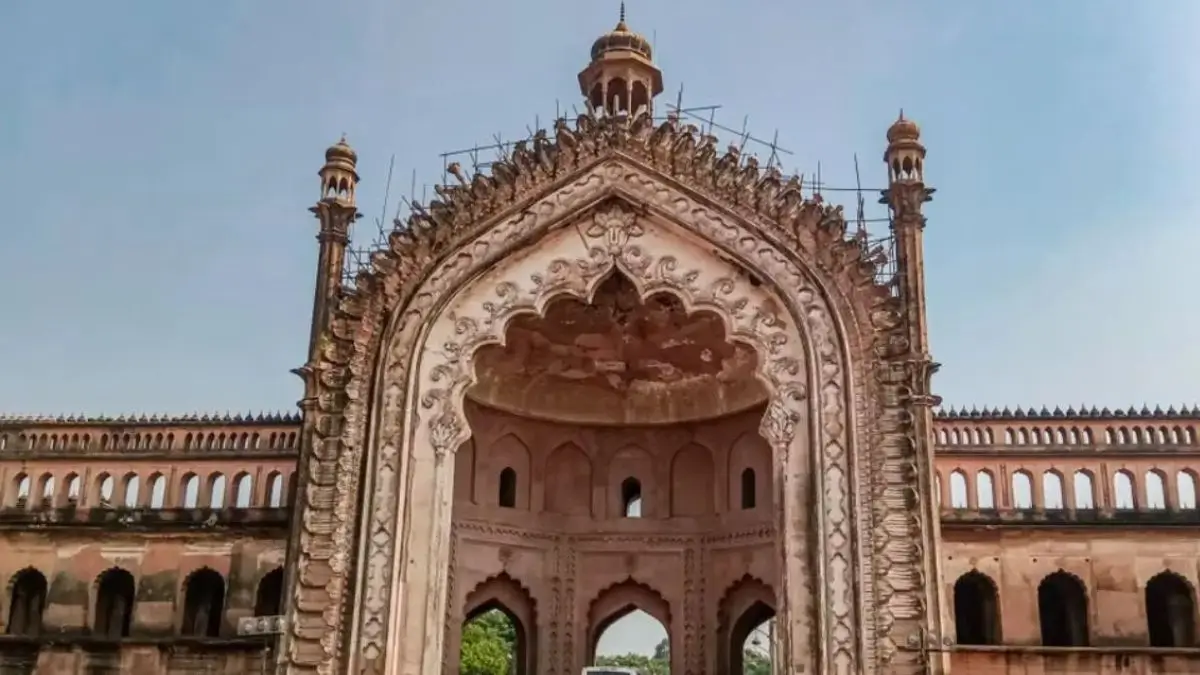
Lucknow, which serves as the capital of Uttar Pradesh, is popularly considered as the “City of Nawabs” due to its great culture and heritage, architectural beauty, and social customs. However, the history of this city transcends the Nawabi period. It is believed that the city was known as Lakshmanpuri, named after Lakshman, the younger brother of Lord Rams.
The name of the city has changed and continuously evolved over many periods of Indian history to finally become Lucknow. Let’s understand the name of this historical city and its historical importance.
What Is The Original Name Of Lucknow?
The oldest known name of Lucknow is Lakshmanpuri (or Lakshmanavati).
According to the Hindu belief, Lord Rama, one of the important deities of Hinduism, presented the area where Gomati River flows to his younger brother Lakshman when Lord Rama returned to Ayodhya from the forest.
Later, Lakshman is believed to have established a city in the area which was called Lakshmanpuri, meaning ‘the city of Lakshman’.
Although the origin of the name is still unproven, it is an key component of the tradition of Lucknow.
History of Lucknow’s Name
Lucknow’s name has changed over time because of numerous dynasties and cultures affecting the area.
1. LakshmanpuriLakshmanavati
This was the earliest name of the city per the Rajayana tradition. This name is believed to be associated with the Lakshmana’s legendary creation of the city.
2. Lakhanpur/Lachhmanpur
By the 11th century, the name evolved into Lakhanpur or Lachhmanpur referring to Pronunciation changes in local language at the time.
3. Lakhnau
In the periods of the Delhi Sultanate and of the Mughal Empire, the influence of the Persian chefs brought about yet another transformation of the name so that it sounded like Lakhnau or Lakhnawati on by now.
The city was developing quickly into a prominent economic and political center.
4. Lucknow
One of the milestones of the city was in 1775 when Nawab Asaf-ud-Daula moved the capital of the Kingdom of Awadh from Faizabad to Lucknow.
During British colonization, the spelling of the name was changed to the one reasonably close to the way it sounds in English.
Importance of Lakshman Tila
Lakshman Tila is considered one of the oldest historical sites connected to the early beginnings of the city.
It is an ancient mound situated near the banks of the river Gomti.
Even though there is not much archaeological evidence about the mound, Lakshman Tila has maintained its historical and cultural significance over the years.
Lucknow During the Nawabi Period
In 1775, after the city became capital of Awadh under Nawab Asaf-ud-Daula, Lucknow started to prosper.
This city soon became well-known for,
- Stunning architecture such as Bara Imambara and Rumi Darwaza
- Classical music and Kathak dance
- Literature and poetry in Urdu
- Chikankari embroidery
- Nawabi food and hospitality (Tehzeeb)
Due to this period, Lucknow emerged as a hub of culture, arts, and education.
What Makes Lucknow Known as the City of Nawabs?
The reason Lucknow is referred to as the “City of Nawabs” is because it was the capital of the Nawabs of Awadh who played a big role in developing the culture, architecture, and cuisine of Lucknow.
Important Details About Lucknow
- Present Name: Lucknow
- First Historical Name: Lakshmanpuri (Lakshmanavati)
- Mythical Founder: Lakshmana
- Body of Water Gamee: River
- Important Place In History: Lakshman Tila
- Capital of Awadh: Since 1775
- Nawab Who Established the Capital: Asaf-ud-Daula
- Famous Nickname: City of Nawabs








 Guava Capital of India: Which Place Is K...
 7 Most Beautiful Train Stations in the W...
 World Architecture Day 2026: 8 Clever Fe...