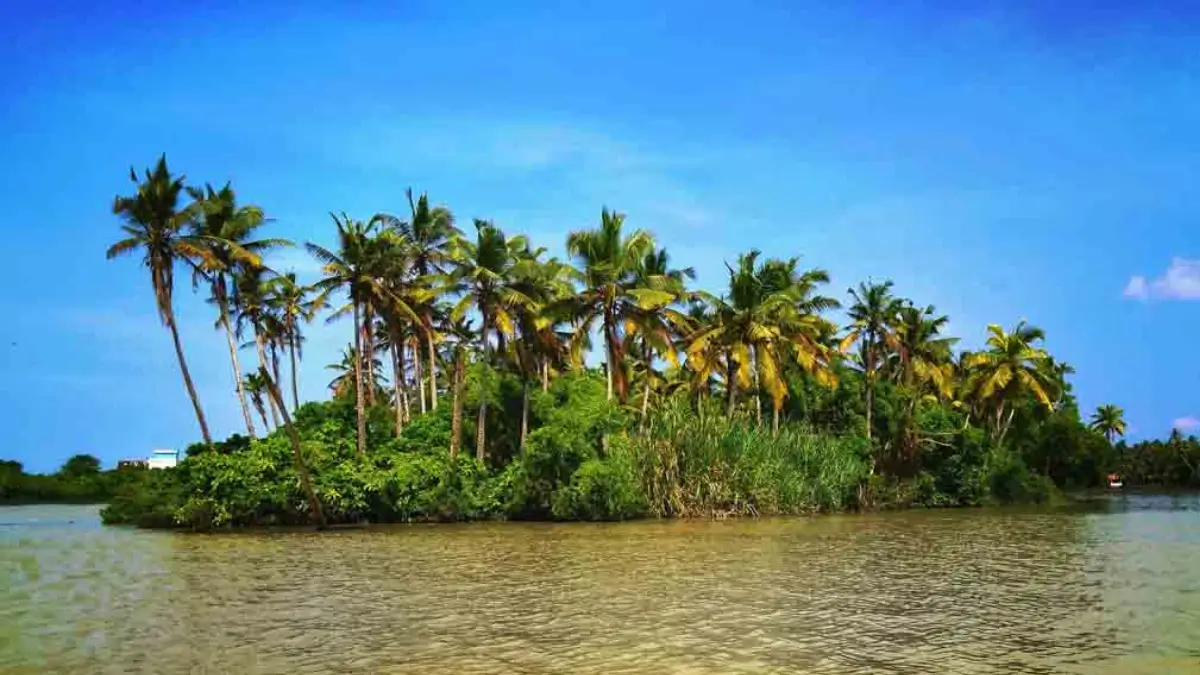
Did you know that there is a country in the world where coconut trees grow almost everywhere you look? From sunny beaches to village backyards, tall green palms sway gently in the sea breeze and create a beautiful tropical view.
In this nation, coconuts are not just fruits but an important part of daily life. People use them for cooking, oil, sweets, drinks, and even for making household items. The coconut tree supports both tradition and the economy. The long coastline and warm climate make it perfect for coconut farming.
Because of this natural beauty and large coconut production, this country proudly earns the special title of the “Land of Coconut Trees.”
Which Country is known as the Land of Coconut Trees?
Philippines is known as the Land of Coconut Trees. The country has millions of coconut palms growing across its islands and coastal regions. Its warm tropical climate, regular rainfall, and fertile soil make it perfect for coconut farming. Many farmers depend on coconut cultivation for their livelihood. The Philippines is also one of the world’s leading producers and exporters of coconut products like coconut oil and copra, making the crop very important to its economy.
What does ”Land of Coconut Trees” Mean?
The title refers to a country where coconut trees grow in huge numbers and play an important role in daily life and the economy. In this nation, coconut palms are seen across villages, coastal areas, and farming lands. They are not just trees but an important source of income, food, and employment for millions of people.
Where is the Land of Coconut Trees Located?
The Philippines is situated in Southeast Asia in the western Pacific Ocean. It is an archipelago made up of more than 7,000 islands.
Because it lies close to the equator, the country experiences a tropical climate. This means warm temperatures, high humidity, and regular rainfall all year round. These natural conditions are perfect for coconut farming. Coastal plains, island landscapes, and lowland areas provide ideal spaces for coconut plantations to spread widely.
Why is the Philippines known as the Land of Coconut Trees?
- Vast Coconut Plantations: The country has millions of coconut trees covering large agricultural areas. Coconut palms are one of the most common trees seen in rural and coastal regions.
- Strong Economic Dependence: Coconut farming supports a large part of the rural population. Many families depend on coconut cultivation for their livelihood.
- Long Farming History: Coconut growing has been practiced for generations. Over time, it has become deeply connected with the country’s farming traditions and culture.
- Global Production Leader: The Philippines is one of the world’s top producers and exporters of coconut and coconut-based products.
Climate and Soil Conditions for Coconut Growth
Coconut trees need:
- Warm temperatures
- Regular rainfall
- Plenty of sunlight
- Well-drained sandy or alluvial soil
The Philippines provides all these natural requirements. Its tropical weather allows coconut palms to grow continuously without facing harsh winters. Coastal soils help in strong root development, leading to healthy and productive trees.
Importance of Coconut in the Philippines Economy
Coconut is one of the most important agricultural crops in the country. It supports millions of farmers, workers, and small businesses.
- Employment Generation: From farming to processing and exporting, coconut creates jobs at different levels.
- Domestic Use: Coconut is widely used in cooking oil, milk, sweets, and traditional dishes.
- Industrial Use: Coconut oil is used in cosmetics, soaps, and skincare products. Coconut husk and fiber are used to make ropes, mats, and eco-friendly products.
Global Role in Coconut Production and Export
The Philippines plays a major role in the international coconut market. It exports products such as:
- Coconut oil
- Copra
- Desiccated coconut
- Processed coconut food products
These items are used in global food industries, beauty products, and manufacturing sectors. The strong export system has made the country a key supplier in the worldwide coconut trade.
Interesting Facts About the Land of Coconut Trees
- Coconut Is Called the “Tree of Life”: Almost every part of the coconut tree is useful — fruit, water, oil, leaves, trunk, and fiber.
- Year-Round Production: Unlike many seasonal crops, coconut palms produce throughout the year due to stable tropical weather.
- Coastal Dominance: Most coconut plantations are found in coastal and lowland regions where climate conditions remain steady.
- Cultural Importance: Coconut is an essential part of traditional cuisine, local festivals, and daily household use.


 Which Indian States have Two or More Off...
 Which Country is the Largest Producer of...
 List of Petroleum Ministers of India fro...