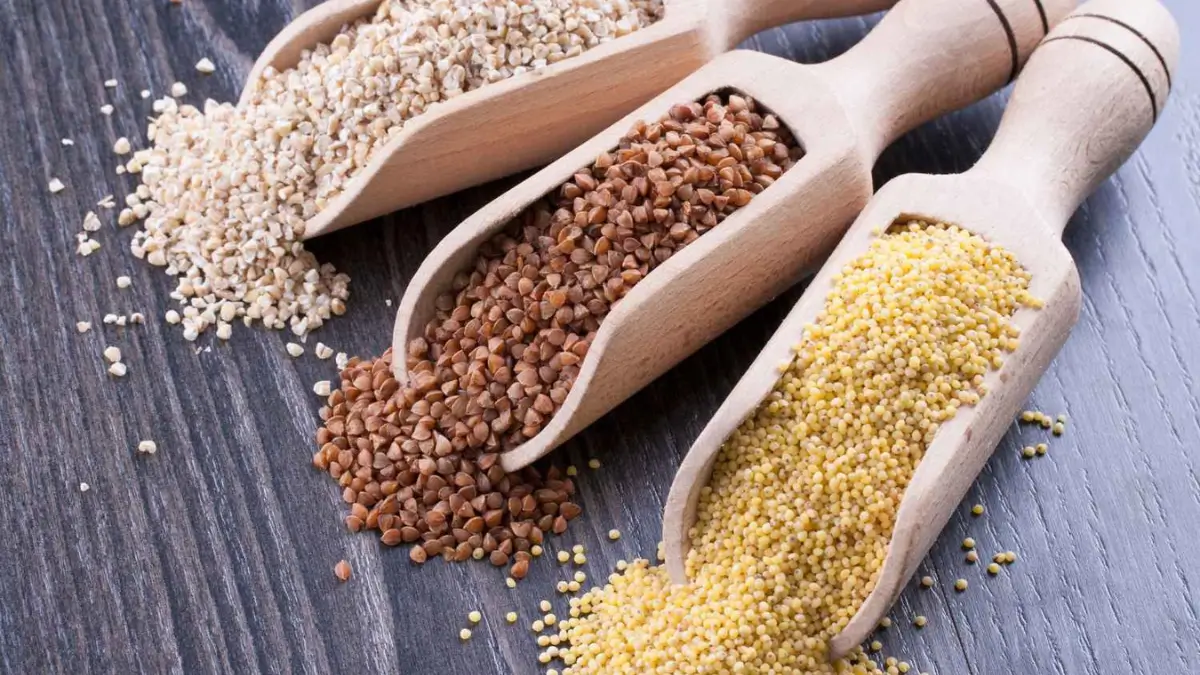
Many crops are grown around the world to feed people, but some are especially important for poor and rural families. These crops are usually cheap to grow, need very little water, and can survive even in difficult weather. Because of this, they become a major source of food for people who cannot afford costly grains. One such crop is often known as the “Poor Man’s Crop.”
Which Crop is known as the Poor Man’s Crop?
Millets are often called the “Poor Man’s Crop” because they are cheap, highly nutritious, and very easy to grow. These grains have been an important food for rural families for thousands of years, especially in dry areas where other crops do not grow well. Today, millets are again becoming popular because they are healthy and good for the environment.
Why are Millets called the Poor Man’s Crop?
Millets need very little care to grow. They survive even in dry soil, require very little water, and do not depend much on fertilizers or pesticides. Because of this, small farmers and people living in drought-prone regions can easily grow them. Millets provide food security to poor and rural communities at a very low cost.
Types of Millets Grown in India
Many kinds of millets are grown across India. Some common ones are:
- Jowar
- Bajra
- Ragi
- Foxtail millet
- Little millet
- Pearl millet
These grains are a big part of traditional Indian cooking and are used in many local dishes.
Nutritional Benefits of Millets
Millets are full of important nutrients. They contain:
- Dietary fibre
- Plant protein
- Iron
- Calcium
- Magnesium
- Other essential minerals
They help in digestion, support heart health, control blood sugar levels, and provide long-lasting energy.
Climate Friendly and Sustainable Crop
Millets are very strong crops that can handle harsh weather conditions. They grow well even when rainfall is low. Because they need less water and chemicals, they protect soil health and support eco-friendly farming. This makes them an excellent crop for the future.
How Millets are Used in Food?
Millets can be cooked in many tasty and healthy ways. They are used to make: Roti, porridge, dosa, idli, khichdi, snacks, breakfast cereals, health mixes, and even baby food. They are also commonly used in organic farming and traditional village kitchens.
Interesting Facts About Millets
- A Low-Cost but Nutritious Grain: Millets provide high nutrition at a very small cost. This makes them very helpful in fighting hunger and malnutrition.
- Good for Diabetic and Heart Patients: Millets have a low glycaemic index. This means they help control blood sugar and support heart health. They also improve digestion and cholesterol balance.
An Ancient Crop with a Long History
Millets are among the oldest grains grown by humans. Ancient civilizations depended on them for survival. Their long history shows how important they have been for farming and food security.
Helping Sustainable Agriculture
Because millets need fewer resources, they save water and reduce pressure on the environment. They are perfect for rain-fed and drought-affected regions.
Super Grains of the Modern World
Today, millets are known globally as “super grains.” People across the world are discovering their health benefits and including them in modern diets.


 What is National Investigation Agency? C...
 Which State is the Largest Petroleum Pro...
 Largest Crude Oil Supplier Countries to ...