
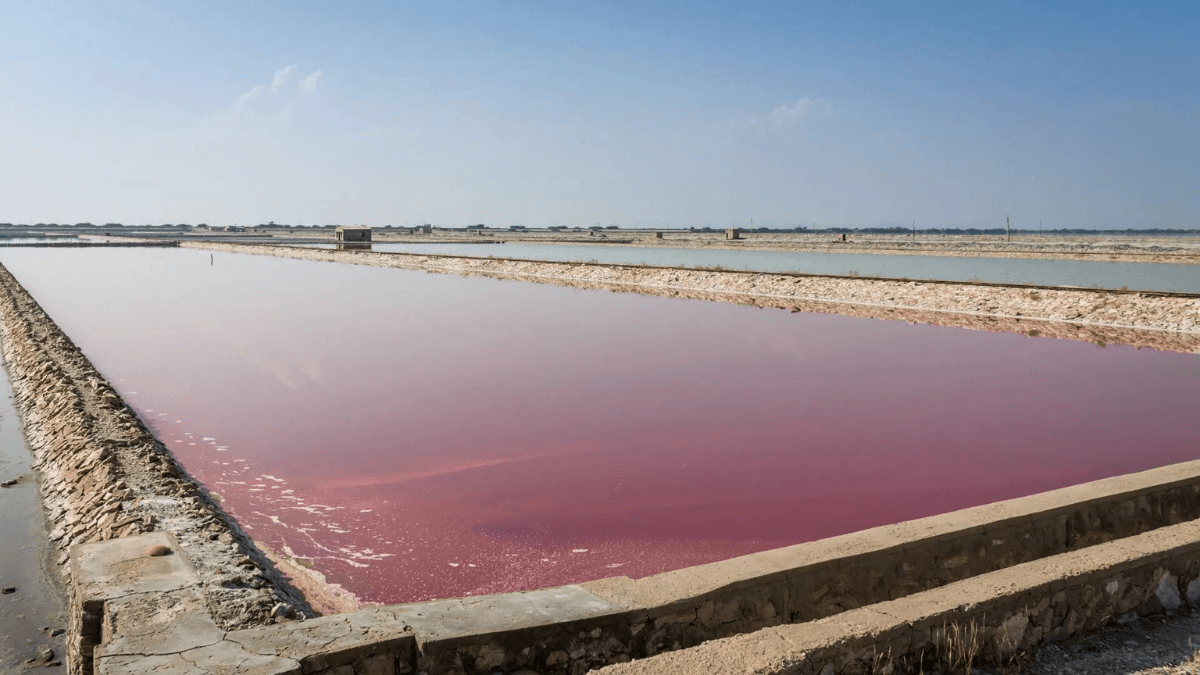
India is full of natural wonders, from mountains and rivers to unique lakes. Some lakes stand out because of their unusual colors and special qualities. One such lake is known for its pinkish water and salt deposits, making it both a natural beauty and an important economic resource. It also attracts tourists, scientists, and migratory birds, adding to its cultural and ecological value.
An Overview of India
India, officially called the Republic of India, is a country in South Asia. It is the seventh-largest country in the world by area and has been the most populous nation since 2023. India became independent in 1947 and is now the world’s largest democracy. It is surrounded by the Indian Ocean, Arabian Sea, and Bay of Bengal, and shares borders with Pakistan, China, Nepal, Bhutan, Bangladesh, and Myanmar, while being close to Sri Lanka and the Maldives.
Number of Districts in India
India has about 787 districts, though the number is often rounded to around 800. The exact count changes over time as new districts are created for better administration and governance. This ongoing process helps improve local management and public services across the country.
District Famous for the Pink Salt Lake
The district famous for Pink Salt Lakes in India is Jaipur district in Rajasthan. Here lies the Sambhar Salt Lake, India’s largest inland saltwater lake, often called the Pink Lake because of its colorful waters. The lake’s pinkish, reddish, and orange shades come from special microorganisms that bloom in its salty waters.
An Overview of Sambhar Salt Lake
The Sambhar Salt Lake, located in Rajasthan near Jaipur, is the largest inland saltwater lake in India. Known as the Pink Salt Lake, its unique color comes from microorganisms in the salty water. Recognized as a Ramsar Site, it is vital for salt production and an important habitat for migratory birds like flamingos. Surrounded by the Aravalli hills, the lake also attracts tourists for its scenic beauty and ecological significance.
Key Features of the Sambhar Salt Lake
- Sambhar is the biggest inland saline water lake in India, stretching over vast salt flats.
- The lake produces a large portion of Rajasthan’s salt through natural evaporation processes.
- Recognized internationally as a wetland of importance, the lake plays a crucial role in the ecosystem.
- Since water has no outlet, salt keeps accumulating, making the lake highly saline.
- The lake is home to thousands of migratory birds, including flamingos, especially in winter.
- Its scenic beauty makes it a popular tourist spot and even a filming location.


 What is the Old Name of Punjab? Check He...
 GK Quiz on Strait of Hormuz, Questions a...
 Which Countries Border the Strait of Hor...











