
Every day, the sky offers amazing sights, and one of the most beautiful is a bright object that appears during sunrise and sunset. Many people see it shining like a star, even though it is not one. For centuries, this glowing object has captured human curiosity and earned two special names. In this article, we will explore what it is and why it appears at these times.
Which Planet is Known as the Morning and Evening Star?
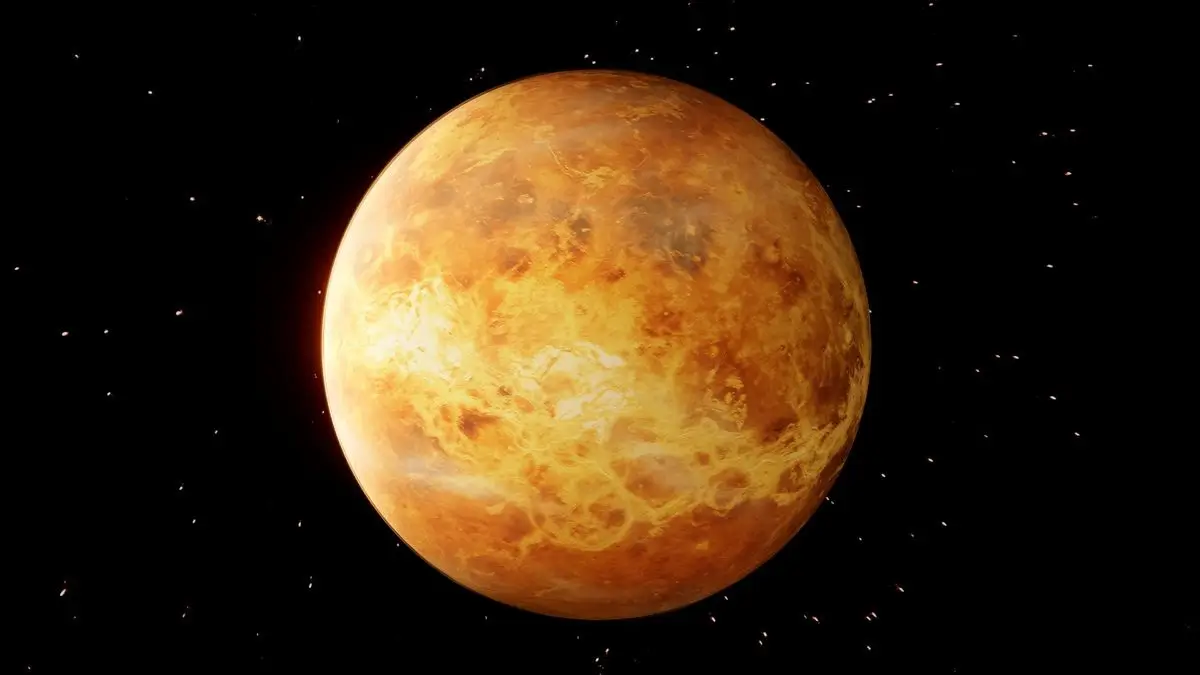
The planet known as the Morning and Evening Star is Venus. It gets these names because it shines brightly just before sunrise and shortly after sunset. Venus orbits closer to the Sun than Earth, so it is never seen at midnight. Its thick clouds reflect sunlight strongly, making it the brightest planet in the sky. This glow makes Venus easy to spot during early morning and early evening.
The Planet behind the Bright Light
The object that many people once thought was a star is actually the planet Venus. It shines with a steady, strong light that makes it look like a star to the naked eye. Because Venus is extremely bright and easy to spot, ancient people gave it two different names depending on when it appeared.
Why it Appears at Sunrise and Sunset?
Venus travels around the Sun on an orbit that is closer than Earth’s. Due to this inner path, it never goes far away from the Sun in our sky. As a result, Venus only becomes visible at two times:
- Just before sunrise, when it is seen in the east
- Just after sunset, when it appears in the west
This is why it is called the Morning Star in the early hours and the Evening Star later in the day.
What makes Venus so Bright?
Venus stands out in the sky because its surface is covered with thick clouds that reflect sunlight extremely well. These clouds act like a mirror, sending a large amount of light toward Earth. This reflection makes Venus shine brighter than any other planet and even many stars.
The Science Behind Its Changing Positions
As Venus moves around the Sun, its position from Earth changes slowly. Sometimes it moves ahead of Earth and rises before the Sun. Other times it trails behind and becomes visible after the Sun sets. This back-and-forth pattern explains why Venus switches between being the Morning Star and the Evening Star.
Venus in Ancient Cultures
Many early civilizations studied Venus closely. The Greeks, Egyptians, and Mayans considered its movements important for timekeeping, travel, and spiritual beliefs. Because Venus appeared so regularly, people saw it as a guide and even connected it with gods and goddess figures in their myths.


 Which is the Most Consumed Beverage in t...
 Which is the Only Continent with No Tree...
 Which River is known as the National Riv...











