
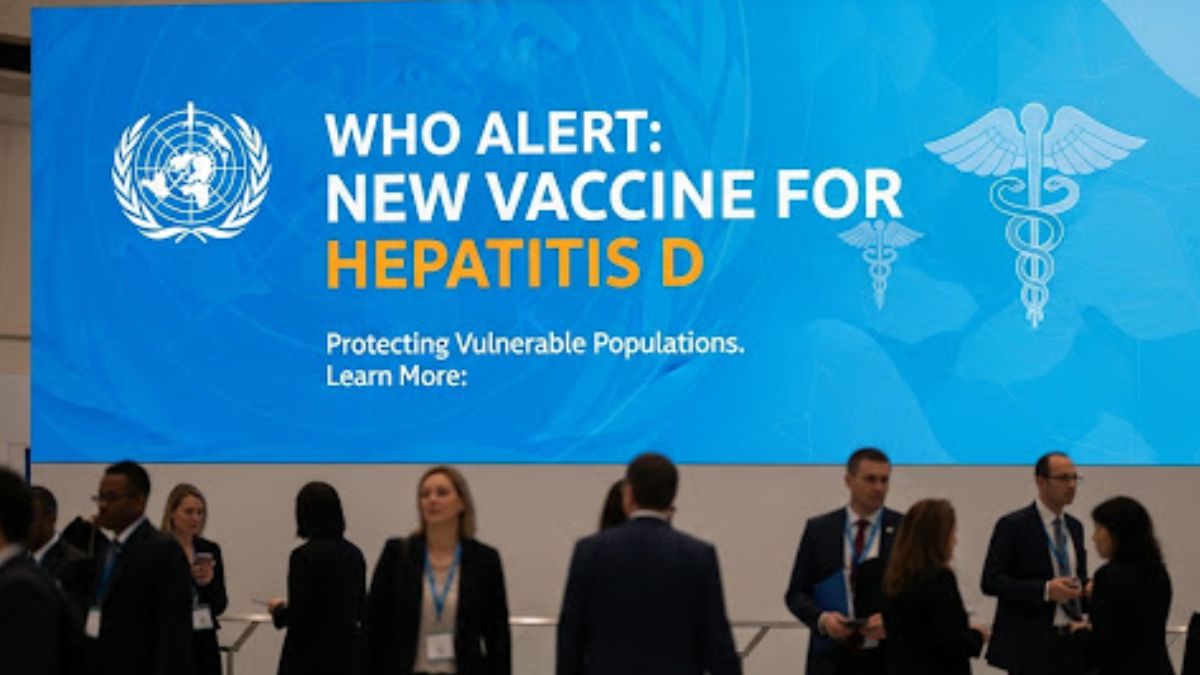
The World Health Organization (WHO) has officially classified Hepatitis D as a carcinogen, or cancer-causing virus. This follows a scientific consensus reached by the International Agency for Research on Cancer (IARC), which cited strong evidence in a recent Lancet Oncology study. The decision underlines the urgent need to strengthen hepatitis prevention strategies, especially in countries like India, where vaccine coverage is still below expectations.
What Makes Hepatitis D Dangerous?
Hepatitis D, also known as HDV, is unique among hepatitis viruses. On its own, it cannot survive. It requires the Hepatitis B virus (HBV) to replicate and infect liver cells. So, Hepatitis D only affects individuals who already have Hepatitis B—either through co-infection (both viruses together) or superinfection (Hepatitis D infects someone already living with Hepatitis B).
What makes this combination particularly concerning is its potent effect on the liver. Studies show that HDV infection increases the risk of liver cancer by two to six times more than Hepatitis B alone. The HDV virus enhances the damage caused by HBV, leading to faster and more severe cases of liver cirrhosis and even liver failure.
How Does Hepatitis D Spread?
Like Hepatitis B and C, HDV spreads through similar parenteral routes, including,
- Blood transfusions and sharing of injection needles
- Sexual contact, particularly without barrier protection
- Mother-to-child transmission during childbirth
In India, while general prevalence is considered low, high-risk groups like intravenous drug users and people with chronic Hepatitis B may be more affected than currently estimated.
Diagnosis and Prevention
Diagnosing Hepatitis D involves a blood test for HDV-RNA, which confirms active infection. However, the real battle lies in prevention, and the Hepatitis B vaccine plays a critical role here.
Since HDV depends on HBV to infect people, vaccinating against Hepatitis B effectively shields people from Hepatitis D as well. Unfortunately, even though the Hepatitis B vaccine is part of India’s national immunisation programme, current vaccine coverage stands at just around 50%, leaving millions vulnerable.
Apart from vaccination, safe blood transfusion practices, screening during pregnancy, using sterile syringes, and safe sex practices are vital preventive steps.
Long-Term Risks and Treatment Challenges
The co-infection of HBV and HDV is significantly more dangerous. Data shows that up to 75% of HDV-infected individuals develop liver cirrhosis within 15 years. Moreover, co-infected patients are twice as likely to develop liver cancer compared to those with Hepatitis B alone.
Treating Hepatitis D remains difficult. Although newer antiviral therapies like bulevirtide are emerging, they are not widely available yet, especially in low- and middle-income countries.
Why the WHO Classification Matters
Labeling Hepatitis D as carcinogenic will likely lead to,
- Increased global funding for research and surveillance
- Enhanced public health awareness
- Stronger screening and vaccination campaigns
- Push for faster approval and access to new treatments
This reclassification is not just symbolic—it’s a call to action to prevent HDV-related liver cancer through vaccination, education, and public health vigilance.








 Brazil Election 2026: Lula Wins Fourth P...
 Greece Approves Social Media Ban for Chi...
 France Confirms First Human Case of Sham...










