
Limoges is a French city renowned for the production of porcelain and the ancient artistry associated with making ceramics, enamels, and glassware. This shows the importance of craft-based skills in driving industrial growth, cultural tourism, innovations, and employment. Limoges being named a UNESCO Creative City of Crafts and Folk Art demonstrates the value of creative industries in the sustainable development of cities. From the perspective of General Studies, Limoges relates to the UNESCO Creative Cities Network, cultural heritage, traditional industries, and local economic development.
Limoges and UNESCO Designation
Limoges is a French city which is situated in the south-west central region of France, it is known worldwide for the its porcelain, ceramics, enamels, and glass industry. The city has been designated as a UNESCO Creative City in the category of Craft and Folk Art since 2017.
This is a designation that acknowledges the craft heritage and initiatives made by the city in using creativity in urban development.
As opposed to the UNESCO World Heritage designation, the UNESCO Creative City designation is about creativity and the utilization of creative industries in sustainable urban development.
Why Is Limoges Known for Porcelain?
Limoges is widely known as the French capital of ceramics. The reason why Limoges is associated with porcelain is the discovery of kaolin deposits close to the city in the 18th century.
Kaolin is a white type of clay that is used for making porcelain. Properties of kaolin, especially its colour and behaviour during firing processes with other materials, make it an important resource for making ceramics.
Discovery of kaolin helped to establish Limoges as an important city for porcelain production. Over the years, traditional crafts in the city have evolved along with manufacturing, specialized training, design and research activities.
Creative community in the city includes artisan studios, porcelain manufacturers, educational institutions, research centers and museums. All this makes it possible to preserve traditional crafts while evolving them in the context of contemporary manufacturing and design.
Key terms associated with Limoges mentioned below,
| Term | Meaning |
| Porcelain | A ceramic material produced by the firing processes |
| Kaolin | A mineral clay used as the raw material for porcelain production |
| Ceramics | Objects made of inorganic non-metallic materials through heating process |
| Enamel | A glass coating that fuses to a surface such as metal or ceramic |
| Glass-making | Process of producing glass objects by means of heating and shaping materials |
UNESCO Creative Cities Network
UNESCO Creative Cities Network (UCCN) was founded in 2004 with the aim to foster cooperation between cities which regard creativity and cultural industries as the key components of their sustainable development.
The main aims of the network are to encourage the exchange of knowledge and experience, the development of cultural industries, increased participation in cultural life and international cooperation.
Creative domains of the network include,
- Crafts and Folk Art
- Design
- Film
- Gastronomy
- Literature
- Media Arts
- Music
Limoges was chosen as a member of the network in the Crafts and Folk Art domain in 2017.
Important note: Membership in the UNESCO Creative Cities Network does not imply the inclusion of a city or its craft traditions in the UNESCO World Heritage List or the UNESCO Intangible Cultural Heritage lists. These are two different UNESCO programs.
How Limoges Integrates Traditional Craftsmanship with Modern Developments
Limoges shows how traditional craftsmanship can be integrated into the modern creative economy. The city does not confine the importance of crafts within its historical framework but rather encourages connections between craftspeople, researchers, designers, educational establishments and public spaces.
The measures adopted by Limoges include,
- Creative public spaces: Utilisation of public space for creative experiments, demonstrations and craft-oriented projects.
- Help for craftspeople: Encouragement of creative markets and provision of affordable workshop spaces.
- Skills development: Promotion of the workshops, internships, seminars and extra-curricular activities for young people.
- International exchanges: Establishment of residencies for artists and craftspeople to foster collaboration between Creative Cities.
- Cultural activities: Hosting of events that bridge craftsmanship with other areas like gastronomy.
One such event hosted by Limoges is the biannual Toques & Porcelaine event.
Traditional Crafts and the Creative Economy
Creative economy is defined as economic activity which derives value from creativity, culture, artistry, designs and intellect.
An example of the creative economy can be found in Limoges. The porcelain making industry along with craft-related industries can provide employment, keep alive the specialized skills required for the work, help small business enterprises and build the image of the city.
Several policy issues are addressed by this approach to the development of the city, including,
- Transfer of traditional skills to younger generation from skilled artisans.
- Helping craft enterprises to succeed in the contemporary market environment.
- Integration of traditional techniques with science, technology and design.
- Cultural tourism that should benefit the local community.








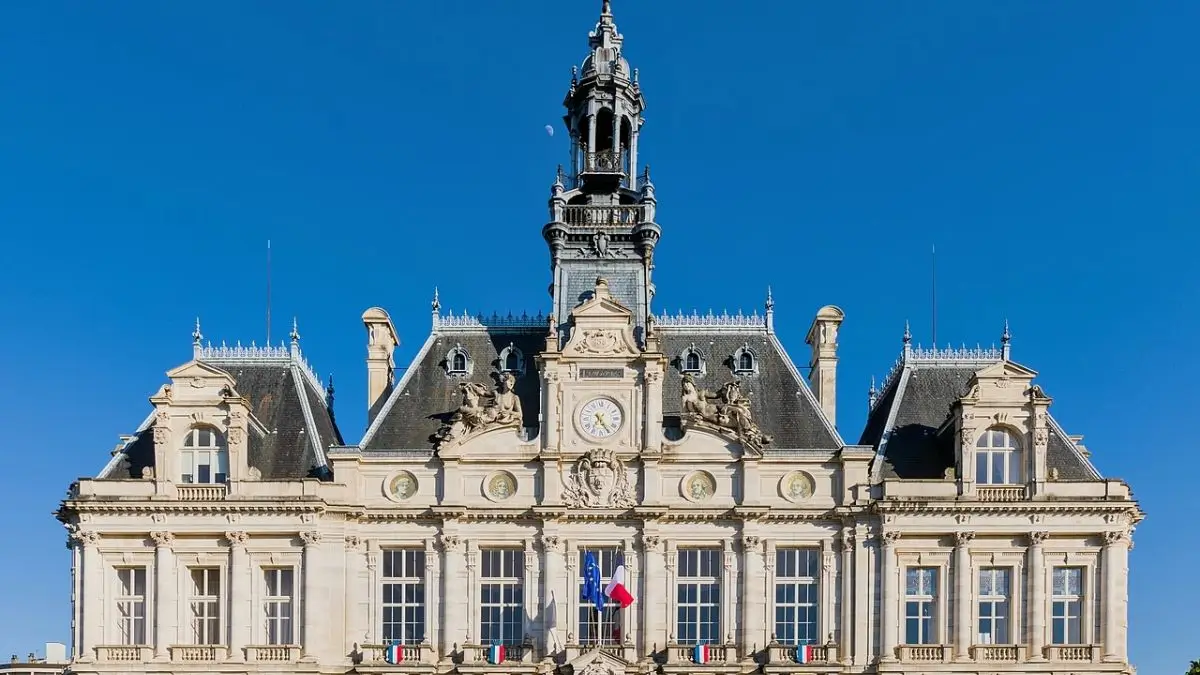 Limoges Town Hall, France: History, Arch...
 Ramsar Sites in India 2026: State-Wise L...
 Who Is Navi Pillay? Nobel Peace Prize 20...