
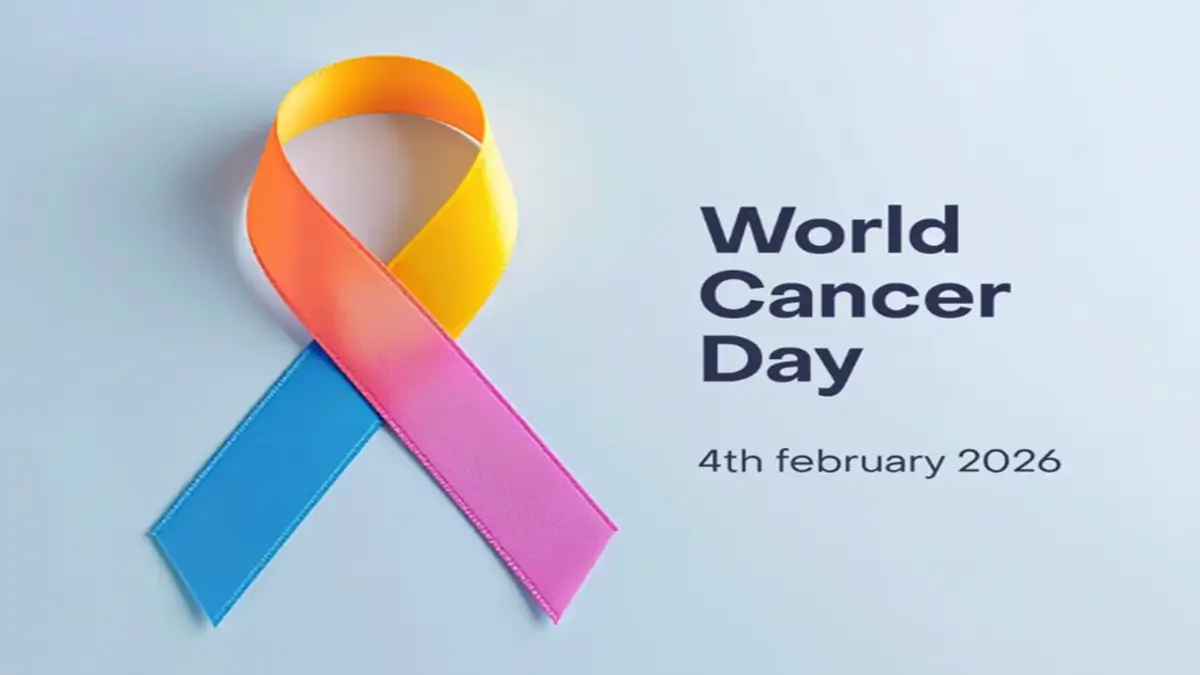
World Cancer Day is observed annually on February 4th as an international day to raise awareness of cancer and encourage its prevention, detection, and treatment. Led by the Union for International Cancer Control (UICC), this global initiative supports the goals of the World Cancer Declaration and mobilizes the international community to combat one of the world’s most pressing health challenges. The day is recognized by the United Nations and brings together hundreds of events and initiatives across the globe to show support for those affected by cancer and to drive meaningful action.
Why is World Cancer Day Celebrated?
The Purpose and Vision
The primary goal of World Cancer Day is to significantly reduce illness and death caused by cancer while providing an opportunity to rally the international community to end the injustice of preventable suffering from cancer. This annual observance targets misinformation, raises awareness about cancer prevention and early detection, and works to reduce the stigma associated with the disease.
Multiple initiatives run throughout World Cancer Day, ranging from community education programs to medical research symposiums, support group meetings, and public health campaigns. The day serves as a catalyst for action at local, national, and global levels, emphasizing that cancer prevention and management are collective responsibilities.
What is the Theme of World Cancer Day 2026?
The 2026 Theme: “United by Unique”
The theme for World Cancer Day 2026, as part of the three-year campaign running from 2025 to 2027, is “United by Unique.” This powerful theme represents a significant shift in how we approach cancer care and patient engagement.
The concept of “United by Unique” places people at the centre of care and their stories at the heart of the conversation. Rather than treating cancer as a one-size-fits-all disease, this theme acknowledges that each patient’s experience is distinct—shaped by their individual circumstances, cultural background, socioeconomic status, access to healthcare, and personal resilience. The campaign emphasizes that while cancer experiences differ greatly, the strength found in collective action and shared support creates unity.
This theme aligns with the broader commitment to close care gaps, particularly ensuring that populations from various income levels, age groups, genders, and ethnicities have equitable access to cancer care services. By celebrating the unique stories of patients and survivors, World Cancer Day 2026 aims to create a more inclusive, compassionate approach to cancer prevention and treatment.
Historical Context
The Establishment of World Cancer Day
World Cancer Day was officially established on February 4, 2000, at the World Cancer Summit Against Cancer for the New Millennium, held in Paris. This landmark date was chosen to commemorate the signing of the Charter of Paris Against Cancer, a pivotal document in the fight against cancer.
The Charter of Paris Against Cancer was signed on February 4, 2000, by Kōichirō Matsuura, then General Director of UNESCO, and Jacques Chirac, then President of France. This historic charter was created to promote cancer research, prevent the disease, and improve patient services. The anniversary of the charter’s signing became the official date for World Cancer Day, making February 4th a global focal point for cancer awareness and action.
Evolution of World Cancer Day Themes
The themes of World Cancer Day have evolved over the years, each addressing critical aspects of the cancer challenge. These themes reflect changing priorities and insights in cancer prevention, treatment, and patient care.
- 2025–2027: “United by Unique” – Centers patients and their stories, emphasizing equitable care for all.
- 2022–2024: “Close the Care Gap” – Focused on eliminating disparities in access to cancer care services among populations of different income levels, ages, genders, and ethnicities.
- 2019–2021: “I Am and I Will” – Countered negative attitudes and fatalistic beliefs about cancer, promoting the power of personal action and individual responsibility.
- 2016–2018: “We Can. I Can.” – Explored the power of collective and individual actions to reduce cancer’s impact.
- 2015: “Not Beyond Us” – Emphasized that cancer is within reach of prevention and control efforts.
- 2014: “Debunk the Myths” – Addressed misconceptions and misinformation about cancer.
- 2013: “Cancer Myths – Get the Facts” – Continued the focus on providing accurate, evidence-based information about cancer.
- 2012: “Together Let’s Do Something” – Called for coordinated action and collective responsibility.
- 2010–2011: “Cancer Can Be Prevented” – Highlighted the preventability of certain cancers through lifestyle and behavioral changes.
- 2009–2010: “I Love My Healthy Active Childhood” – Focused on early education and prevention among young people.
These evolving themes demonstrate the global commitment to addressing cancer from multiple angles—prevention, detection, treatment, survivorship, and equity.
Cancer and the Sustainable Development Goals
The connection between cancer and the United Nations Sustainable Development Goals (SDGs) is profound and multifaceted. Cancer prevention and treatment are integral to achieving worldwide development and health goals.
The SDG Framework
The Sustainable Development Goals, adopted in 2015, form an expansive agenda for global development. These goals explicitly recognize non-communicable diseases (NCDs), of which cancer is a major component, as critical development and health problems. Specifically, SDG 3.4 establishes a global target to reduce premature mortality from non-communicable diseases, including cancer, by one-third through prevention and treatment by 2030.
Economic and Social Burden
Cancer represents a significant economic and social burden, particularly in low- and middle-income nations (LMICs), which account for the majority of cancer-related deaths worldwide. The disease not only affects individuals and families but also has broader implications for economic development and social equity. By reducing the burden of cancer through prevention and treatment, nations can help relieve social and economic inequality, thereby advancing sustainable development.
The financial impact of cancer is substantial. Treatment costs, lost productivity, and premature deaths divert resources from other development priorities. In low-income countries, where healthcare systems are already strained, the cancer burden can be particularly devastating. World Cancer Day serves as a reminder that investing in cancer prevention and early detection is an investment in economic stability and human development.
Strengthening Healthcare Systems
Cancer care requires robust healthcare infrastructure, trained personnel, and reliable access to medicines and technologies. Strengthening healthcare systems through cost-effective cancer interventions enhances a country’s capacity to respond to health needs and contributes to broader SDG targets. Prevention-focused interventions—such as vaccination programs against cancer-causing viruses (HPV, hepatitis B), tobacco control policies, and screening programs—provide significant returns on health investment.
By improving cancer services, nations not only reduce cancer mortality but also build stronger healthcare systems that can better address other health challenges. This systemic strengthening supports multiple SDGs related to health, education, economic growth, and reduced inequalities.
The Path Forward
The elimination of cancer is integral to realizing the Sustainable Development Goals, particularly SDG 3 (Good Health and Well-Being). Cancer prevention and control have implications that extend beyond health, affecting economic growth, gender equality, education, and social equity. Achieving significant progress requires coordinated efforts across sectors—government, healthcare, research, civil society, and the private sector.
World Cancer Day 2026, with its theme of “United by Unique,” reflects this understanding. By centering patient stories and ensuring equitable access to care, we move closer to the SDG vision of leaving no one behind.
Global Initiatives and Events
World Cancer Day 2026 will feature hundreds of events across the globe, bringing together healthcare professionals, patients, survivors, researchers, and advocates. These events include:
- Medical symposiums and professional conferences discussing the latest cancer research and treatment innovations
- Patient support group meetings and survivorship programs
- Public awareness campaigns highlighting cancer prevention strategies
- School and community education programs
- Fundraising events to support cancer research and patient care
- Policy advocacy sessions addressing healthcare access and equity
These diverse initiatives underscore the collective commitment to addressing cancer at every level—from individual lifestyle changes to systemic healthcare improvements.


 Bhuvneshwar Kumar Becomes First Fast Bow...
 Shree Jagannath International Airport in...
 Which Place is known as the Glass Capita...











