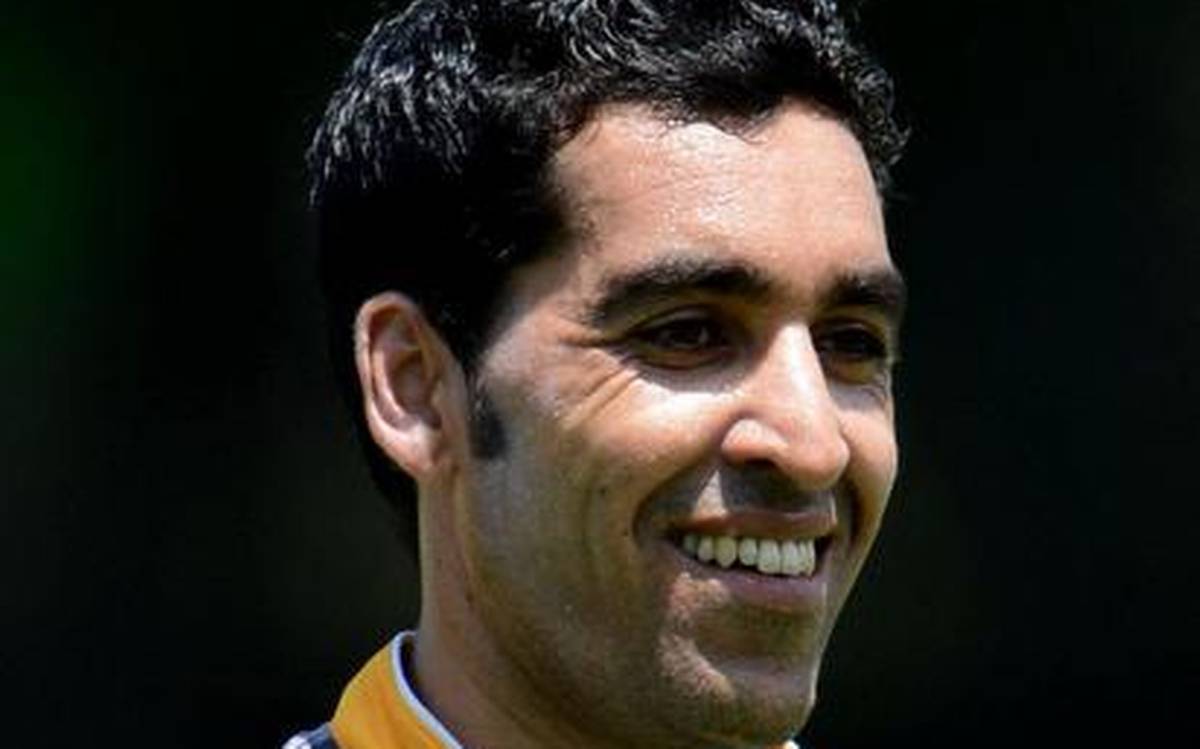
Gyaneshwari Yadav has won the silver medal in the 53kg women’s division at Glasgow, where the young lifter from Chhattisgarh impressed everyone. In addition to winning the silver medal, Gyaneshwari broke several records in the Commonwealth Games before she finished second behind Nigeria’s Onome Omolola by successfully defending her title. This makes Gyaneshwari the fourth weightlifter from India and the fifth from India overall to win a medal in these games.
Gyaneshwari Yadav Silver in CWG 2026
Gyaneshwari Yadav earned silver in the Commonwealth Games 2026.
Gyaneshwari Yadav displayed an incredible level of perseverance throughout the women’s 53kg tournament.
She lifted,
Snatch: 88kg
Clean & Jerk: 111kg
Her snatch of 88kg set a new Commonwealth Games record until Onome Omolola submitted a 93kg attempt from Nigeria.
In the clean and jerk part of the competition, Yadav attempted to beat her own Commonwealth Games record again by lifting 111kg, only for Omolola to do it successfully later.
The bronze medal went to Rebeka Groulx from Canada.
What is Gyaneshwari Yadav?
Gyaneshwari Yadav was born in the year 2003 in Bhodiya village in Chhattisgarh’s Rajnandgaon district. She has established herself as one of the India’s most accomplished young weightlifters and consistently performing in the several national and international competitions.
Besides being a weightlifting champion for India, Gyaneshwari Yadav holds the position of an Assistant Sub Inspector (ASI) in Chhattisgarh Police and combines her dedication to sports with service to public.
Her persistence, discipline, and technique have enabled her to become a leading athlete in the weightlifting sport of lighter categories in India.
Breakthrough At Asian Weightlifting Championships
At the 2026 Asian Weightlifting Championships held in Gandhinagar, Gujarat, Gyaneshwari had one of the best moments of her career. She competed in front of a supportive audience at home, which helped her contend in the following events,
Snatch 88 kg
Clean & Jerk 106 kg
Total Lift 194 kg
The results of her competition enabled her to win the following medals,
Silver medal in Snatch
Bronze medal in total
Set a new National Record (Indian) in snatch event
Gyaneshwari Yadav’s Major Achievements
Gyaneshwari has managed to create quite a remarkable career path even though she is only at the age of 23.
Some of her significant achievements includes the,
Silver Medal – Commonwealth Games 2026 (Women’s 53kg)
Bronze Medal – Asian Weightlifting Championships 2026
Silver Medal – Snatch Event at Asian Championships 2026
National Record in Women’s 53kg Snatch (88kg)
5th Place – World Weightlifting Championships 2024 located in Bahrain
Winner of the prestigious Gundadhur Samman Award in 2025.
Ajaya Babu won the silver medal in the men’s 79kg category after a spectacular performance in Glasgow. The lifter from Andhra Pradesh managed to lift a total of 330kg narrowly missing the gold medal by just 1kg in a thrilling contest. His effort marks a huge milestone for the Indian weightlifting as the country is climbing higher and higher in the sport around the world.
Ajaya Babu Won Silver in Glasgow
Ajaya Babu was honored at the Commonwealth Games 2026 for the silver medal achievement in the Men’s 79kg weightlifting.
Ajaya Babu accomplished a remarkable feat by lifting 149 kg in the snatch and 181 kg in the clean and jerk achieving a total of 330 kg combined.
Malaysia’s Erry Hidayat Muhammad took home the gold medal with a Games record of 331 kg with a lift of 147 kg in snatch and 184 kg in clean and jerk whereas Chris Murray from England secured the bronze medal with a total of 325 kg.
The final rankings are,
Gold – Erry Hidayat Muhammad (Malaysia) – 331kg
Silver – Ajaya Babu (India) – 330kg
Bronze – Chris Murray (England) – 325kg
Ajaya’s silver medal marks the 6th weightlifting medal of India in the Commonwealth Games 2026.
Dramatic Battle for the First Place
The category of 79 kg for men had one of the tight competitions of the championship.
Ajaya performed well from the first attempt making a 145 kg lift but he could not get 149 kg in the second attempt.
However, he managed to come back on the third try lifting 149 kg, which became a new record for the Commonwealth for the period of lifting.
The clean and jerk made a very nice final part of the competition.
Ajaya lifted 181 kg and got his total of 330 kg back to the Games record. However, Malaysia’s Erry Hidayat Muhammad replied lifting 184 kg making a new total of 331 kg.
India’s Amazing Performance in Weightlifting
Ajaya Babu’s achievement of a silver medal made the India’s performance in weightlifting at the Commonwealth Games 2026.
The number of medals won by India in weightlifting reached to six by the time the sports competition was finished, as can be seen from the following table,
Mirabai Chanu – Gold medal (women’s 48 kg)
Rishikanta Singh – Silver medal (men’s 60 kg)
Raja Muthupandi – Silver medal (men’s 65 kg)
Gyaneshwari Yadav – Silver medal (women’s 53 kg)
Bindyarani Devi – Bronze medal
Ajaya Babu – Silver medal (men’s 79 kg)
Who is Ajaya Babu?
Ajaya Babu is from Vizianagaram District of the Andhra Pradesh and has gradually made his way up the ranks in bodybuilding in India.
He is known for his lifting skills and techniques, so he has become one of the biggest prospects with huge potential in India at the level of men’s 79 kg category.
Ajaya bagged gold medal in the Commonwealth Weightlifting Championships held in Ahmedabad in the year 2025.
Furthermore, he got selected to participate in the Glasgow Commonwealth Games after lifting a personal best of 335kg (152 kg in snatch and 183kg in clean and jerk).
Ajaya added a silver medal to his career in the CWG 2026 which added to his accomplishments in international level sports.
Sarvesh Anil Kushare won silver in the men’s high jump in Glasgow. The Indian national record holder successfully jumped over 2.25 metres, with this he achieved the first medal at a multi-sport tournament and breaking the India’s previous bronze medal record in the event at the Commonwealth Games.
Sarvesh Kushare Clinches Silver Medal in Glasgow
Sarvesh Kushare remained calm and focused during his performance in the finals.
He had a best jump of 2.25 metres, which he achieved on the last chance.
However, attempts to jump 2.28 metres were unsuccessful.
Although Jamaica’s Romaine Beckford also failed to achieve this height, he was awarded with the gold since he previously jumped 2.25 metres.
Scotland’s Jack Kimani finished third with his best results of 2.20 metres.
A Gritty Performance Under Pressure
Sarvesh performed the exceptional consistency during the competition,
Jumped his first height 2.05m in one jump.
Cleared all next heights without any significant obstacles.
Cleared first height of 2.20m easily.
Faced some pressure for height of 2.25m but was finally successful.
Was unsuccessful for all attempts on height of 2.28m
First Major Multi-Sport Prize
The silver medal earned at the Commonwealth Games is the first important multi-sport medal in Sarvesh Kushare’s career.
This achievement comes as a huge achievement as it surpasses India’s greatest achievement so far in the Commonwealth Games high jump men’s event where the team led by Tejaswin Shankar captured the bronze medal in the last edition.
The medal shows good progression of Sarvesh standing among the greatest high jumpers of the world.
National Record Holder Maintains Brilliant Form
Sarvesh entered Commonwealth Games in an outstanding form.
A month prior to the Games, he made a historic leap of 2.31 meters in the Inter-State Athletics Championships, setting a new Indian national record in men’s high jump.
His achievement made him the top Indian high jumper and a medal contender at Glasgow.
The Commonwealth Games silver also validates his performance on the international stage.
Sharmila Dhankar clinched the gold medal and Shilpa Shyla got the bronze medal at the Women’s F57 Shot Put event. This is a historic win for India as it marks the first gold medal for the country in the Para Athletics segment at the Commonwealth Games and also the first time that medal in the same discipline has been earned twice at the Games. Additionally, Sharmila’s throw of 9.81 meters and Shilpa’s throw of 7.26 meters shows that India is on its way to becoming a global powerhouse in the field of para sports.
Sharmila Dhankar Creates History With her Gold
Sharmila Dhankar delivered the sensational performance in the final of Women’s F57 Shot put.
She threw the best throw of her season which measured 9.81 meters resulting in her winning the gold medal and making India wait 20 years for a Para Athletics medal at the Commonwealth Games.
With this historic achievement she became the first Indian person to win a medal in Para Athletics at Commonwealth Games.
Shilpa Shyla Won Bronze Medal
Indian thrower Shilpa Shyla won the bronze medal with a throw of 7.26 meters, which was her personal best throw in the women’s F-54 category in the Commonwealth Games.
Shilpa Shyla’s performance added to India’s remarkable achievement of accomplishing two medal victories in a para-athletics event in the Commonwealth Games for the first time in the history of the event.
With the bronze medal, Shilpa has proved her place among the top upcoming para throwers in the country.
Who is Sharmila Dhankar?
Sharmila Dhankar comes from Chhithroli village in Haryana.
Even though she was born in a wealthy farmer family, her life was full of struggles.
At the age of two, she got polio after a serious fever, and she became permanently disabled.
She studied at SDM School in Chhithroli, and then she encountered family problems including early marriage and domestic violence. With the help from her family, she changed her life and decided to go into sports.
Her husband Ajit Singh got her involved into para athletics. She started training under the coach Tek Chand in 2020.
In 2021, within one year, she became a champion of the National Championship and started her career as a sports person.
The Journey of Sharmila to Global Triumphs
Some of the major achievements that Sharmila achieved includes,
Crowned as the National Champion in 2021
Winning numerous medals in international events
Setting various Indian national records
Being ranked as the top athlete in India in the F57 category
Winning the gold medal at the Commonwealth Games in the year 2026
While Sharmila did not meet with success at the 2022 Commonwealth Games, she has made a comeback with her sustained performances and strong results.
India’s Historic Success in Para Athletics
The Women’s F57 Shot Put event has marked a landmark moment for para sports in India.
There were several firsts accomplished by India,
First Commonwealth Games Gold Medal in Para Athletics.
First Indian women to win a medal in Para Athletics at the Commonwealth Games.
First time that India has won a medal in the same event at the Commonwealth Games.
A 20-year wait for a medal in the Commonwealth Games in para athletics comes to an end.
PM Modi Forms Exam Reform Task Force Under Nilekani
Prime Minister Narendra Modi has announced the formation of a high-powered Exam Reform Task Force chaired by Infosys co-founder Nandan Nilekani to improve India’s examination system. The initiative aims to address concerns related to paper leaks, unfair practices, and declining trust in competitive examinations. The task force will recommend reforms focused on transparency, technology-based monitoring, security measures, and efficient exam management. Other members include former ISRO Chairman Dr. S. Somnath, former Intelligence Bureau chief Tapan Deka, IIT Madras Director Prof. V. Kamakoti, former Education Secretary Anita Karwal, and administration expert Amrit Lal Meena. The move comes ahead of the Public Examinations (Prevention of Unfair Means) Amendment Bill, 2026, which proposes stricter penalties for examination fraud and malpractice.
University of Leeds and IIT Kharagpur Sign Strategic Partnership Agreement
The University of Leeds and IIT Kharagpur have signed a strategic Memorandum of Understanding (MoU) to strengthen long-term collaboration in research, education, innovation, and student mobility. The partnership will promote interdisciplinary research, student and faculty exchange programmes, joint academic initiatives, innovation, entrepreneurship, and industry collaboration. Both institutions will also focus on research commercialization, including technology transfer, intellectual property development, startup support, and industry partnerships to transform research into practical solutions. The agreement further strengthens India–UK academic relations by encouraging global talent development, sustainable innovation, and international academic mobility. Students will benefit from global learning opportunities and cross-cultural exposure, while researchers will gain access to international expertise, collaborative projects, joint publications, and expanded research opportunities.
Sarnath Earns UNESCO World Heritage Status, Boosting India’s Heritage
Sarnath, the ancient Buddhist site in Uttar Pradesh, has been added to the UNESCO World Heritage List during the 48th World Heritage Committee session held in Busan, South Korea, on July 25, 2026. With this recognition, India’s total UNESCO World Heritage Sites increased to 45. Sarnath holds immense religious importance as the place where Gautama Buddha delivered his first sermon, the Dhammacakkappavattana Sutta, after enlightenment. The site includes historic monuments such as Dhamek Stupa, Dharmarajika Stupa, and Chaukhandi Stupa, reflecting over 2,500 years of Buddhist heritage. UNESCO recognized Sarnath for its outstanding universal value, cultural significance, and contribution to global peace, philosophy, and spirituality. The inscription will strengthen conservation and international recognition of this sacred Buddhist centre.
President Murmu Receives Honorary Doctorate from Romania’s ASE University
President Droupadi Murmu was conferred the honorary Doctor Honoris Causa by the Bucharest University of Economic Studies (ASE), Romania, in recognition of her distinguished public service, commitment to education, social inclusion, and efforts to strengthen India-Romania relations. Accepting the award, she dedicated the honour to the 1.4 billion people of India, calling it a symbol of the enduring friendship between the two nations. In her address, President Murmu described education as the “greatest equaliser,” recounting her journey from being the first girl in her village to attend college to becoming India’s President. She also urged universities to balance technological advancement with ethics, compassion, wisdom, and human values, emphasizing the responsible use of artificial intelligence.
Union Education Minister Dharmendra Pradhan Resigned
Union Education Minister Dharmendra Pradhan resigned following weeks of nationwide protests over alleged irregularities in the NEET-UG examination. In his resignation letter, he stated that the decision was taken in the best interests of students and to restore confidence in India’s education system. He emphasized that education is vital for national development, acknowledged students’ concerns, highlighted government action against examination malpractice, and thanked the Prime Minister, colleagues, and ministry officials for their support. The NEET-UG controversy triggered widespread protests demanding transparency, accountability, and reforms in competitive examinations. The government has initiated investigations and proposed measures such as computer-based examinations, stronger digital infrastructure, improved monitoring, and faster grievance redressal. The resignation underscores the importance of maintaining fairness, integrity, and public trust in India’s examination system.
Pralhad Joshi Takes Additional Charge of Education Ministry
Pralhad Joshi has been given the additional charge of the Ministry of Education following the resignation of Dharmendra Pradhan from the Union Council of Ministers. The appointment was approved by President Droupadi Murmu, acting on the advice of Prime Minister Narendra Modi, under Article 75(2) of the Constitution of India. Joshi will continue to oversee his existing portfolios—Consumer Affairs, Food and Public Distribution, and New and Renewable Energy—alongside the Education Ministry until further orders. A senior BJP leader and Dharwad MP since 2004, Joshi previously served as the Minister of Parliamentary Affairs, Coal, and Mines. He also praised Pradhan’s contributions, particularly the implementation of the National Education Policy (NEP) 2020.
AI Holobox of Atal Vajpayee Unveiled at Sangrahalaya
The AI Holobox of former Prime Minister Atal Bihari Vajpayee was inaugurated on 26 July 2026 at the Pradhanmantri Sangrahalaya, New Delhi. The exhibit features a hyper-realistic 3D AI avatar that interacts with visitors by answering questions based on verified historical records, speeches, writings, and archival material, offering an engaging way to learn about Vajpayee’s life and legacy. The museum already houses AI avatars of Mahatma Gandhi, Sardar Vallabhbhai Patel, and Dr. A.P.J. Abdul Kalam. The inauguration coincided with the 27th Kargil Vijay Diwas, commemorating India’s victory in the 1999 Kargil War, and included a special exhibition displaying microfilms, archival videos, historic photographs, personal letters, and official documents, highlighting the role of AI in preserving India’s political and cultural heritage.
State News
Puri Jagannath Temple Protects Sacred Names Through Trademarks
The Shree Jagannath Temple Administration (SJTA) of Puri has secured trademark approval for five sacred names linked to Lord Jagannath traditions to protect the temple’s cultural identity. The approved trademarks include Jagannath Dham, Shree Kshetra, Mahaprasad, Nilachakra, and Koili Vaikuntha. The move follows controversy over the use of the term “Jagannath Dham” for a temple in Digha, West Bengal, which Odisha authorities argued was historically associated with the Puri shrine. The SJTA has applied for protection of 29 names, symbols, and cultural elements connected with Jagannath heritage. Trademark registration under the Trade Marks Act, 1999, aims to prevent commercial misuse and unauthorized exploitation while preserving the religious and cultural significance of these sacred identities.
Uttarakhand Radio-Collars Elephants Ahead of Kumbh Mela 2027
Uttarakhand Forest Department is planning to radio-collar herd-leading elephants before the 2027 Haridwar Kumbh Mela to reduce human-elephan
t conflict and improve pilgrim safety. The project will be carried out with the Wildlife Institute of India (WII) to track elephant movements in real time across the Rajaji-Corbett elephant landscape. Researchers have been studying herd size, migration routes, movement patterns, and elephant behaviour since May 2026. Radio collars placed on leading elephants will help officials issue early warnings, guide mitigation teams, and prevent encounters near human settlements. The proposal has been discussed by the State Wildlife Board and Tiger Steering Committee and requires approval from the Union Environment Ministry. Uttarakhand recorded 2,026 elephants in its 2020 census, highlighting the importance of conservation efforts.
Rajasthan Launches Bharat Taxi Cooperative Mobility Service in Jaipur
The Rajasthan Government launched the Bharat Taxi cooperative mobility service in Jaipur on 25 July 2026, under the vision of “Sahakar Se Samriddhi.” Inaugurated by Chief Minister Bhajanlal Sharma, the platform empowers drivers, known as Sarathis, through cooperative ownership, profit-sharing, and direct transfer of trip earnings. Bharat Taxi currently has 8 lakh registered drivers, 41 lakh customers, and completes around 11,000 trips daily, with plans to expand to 500 cities. In Rajasthan, over 30,000 Sarathis and 7 lakh customers have already joined. The service offers transparent fares, ₹5 lakh accident insurance for drivers, and aims to boost employment, tourism, and urban mobility. MoUs with Jaipur Metro, Rajasthan Police, Saras, and Jaipur Municipal Corporation will enhance integrated transport services.
International News
UNESCO Adds Mount Olympus and D-Day Beaches to Heritage List
UNESCO added Mount Olympus (Greece) and the D-Day Landing Beaches (France) to the World Heritage List during the 48th Session of the UNESCO World Heritage Committee held in Busan, South Korea, on 26 July 2026. Mount Olympus, Greece’s highest peak at 2,918 metres, was recognized as a Mixed World Heritage Site for its exceptional natural biodiversity and cultural significance as the legendary home of the Olympian gods in Greek mythology. The D-Day Landing Beaches in Normandy, including Omaha, Utah, Gold, Juno, Sword Beaches, and Pointe du Hoc, were inscribed as a Cultural Heritage Site for their pivotal role in the Allied invasion of Nazi-occupied France on 6 June 1944 during World War II. UNESCO also highlighted conservation concerns, including tourism, climate change, and sea-level rise.
Economy News
India Enters Red Hat’s Top Five Global Growth Markets
India has become one of Red Hat’s top five global growth markets, driven by rapid adoption of open-source software, artificial intelligence (AI), cloud computing, and digital transformation. According to Navtej Singh Bal, Vice President and General Manager for India and South Asia, the country has evolved into a key business, engineering, and innovation hub for both Red Hat and IBM. He noted that AI will transform jobs by boosting productivity rather than replacing workers, increasing demand for skills in AI, data science, cloud computing, and cybersecurity. Bal also highlighted India’s digital public infrastructure, including UPI, Aadhaar, and passport services, as a strong foundation for AI-driven innovation. However, challenges such as infrastructure costs, talent shortages, and AI deployment remain.
Award News
Dr G Satheesh Reddy Wins Changemaker-2026 Award
Former DRDO Chairman Dr. G. Satheesh Reddy received the prestigious EMESCO-Dr. B.V. Pattabhiram Changemaker-2026 Award in Hyderabad for his contributions to defence research, scientific innovation, and technological self-reliance. The award was presented by actor and politician Chiranjeevi. Dr. Reddy highlighted India’s progress in indigenous defence technologies, stating that the country has significantly reduced dependence on advanced nations for critical military systems. A member of the National Security Advisory Board, he has also played an important role in inspiring students and young scientists through lectures, discussions, and science outreach programmes. The award honours individuals creating positive social impact and is named after Dr. B.V. Pattabhiram, a renowned motivational speaker, educator, and counsellor.
Appointments News
Keshav Chandra Takes Charge as Mines Secretary
Shri Keshav Chandra, IAS (1995 AGMUT cadre), has assumed charge as the Secretary of the Ministry of Mines, Government of India, on 27 July 2026. Soon after taking office, he chaired a review meeting with senior officials to assess key mining sector programmes and future priorities. Discussions focused on mineral exploration, auction and operationalisation of mineral blocks, and development of critical and strategic minerals. Keshav Chandra emphasized effective implementation of schemes, coordination among stakeholders, and strengthening India’s mineral security. The Ministry’s focus on critical minerals such as lithium, cobalt, nickel, rare earth elements, and graphite is aimed at supporting sectors like electric vehicles, renewable energy, defence, and advanced technology. His leadership comes during a period of major mining reforms and resource development efforts.
MEA Appoints Dr. K. Srikar Reddy as Qatar Ambassador
The Ministry of External Affairs (MEA) has appointed Dr. K. Srikar Reddy, currently Consul General of India in San Francisco, as India’s next Ambassador to Qatar. His appointment comes as India-Qatar relations continue to expand in energy, trade, investment, technology, and strategic cooperation. Qatar is India’s largest supplier of Liquefied Natural Gas (LNG), providing 11.2 million tonnes (about 41% of India’s LNG imports) in FY 2024–25. In 2024, Petronet LNG signed a 20-year LNG agreement with QatarEnergy (2028–2048). Both countries elevated ties to a Strategic Partnership in February 2025, aiming to negotiate a CEPA and BIT and double bilateral trade from $14 billion to $28 billion by 2030. Qatar also hosts over 8 lakh Indians, strengthening people-to-people ties.
Defense News
Bhargavastra: India’s Indigenous Anti-Drone Defence System Explained
Bhargavastra is an indigenous anti-swarm drone defence system developed to counter enemy drones and loitering munitions. The Indian Army was introduced to the system on 24 July 2026 during the Make-II project launch in Nagpur. Designed as a mobile, low-cost air defence solution, Bhargavastra combines advanced detection, tracking, command, and interception technologies. It uses radar, EO/IR sensors, passive RF detectors, and C4I systems to identify threats in real time. The system features a two-layer defence mechanism with mini-rockets for swarm attacks and smart mini-missiles for precision strikes up to 2.5 km. It can detect large UAVs from 10 km and small drones from 6 km. Bhargavastra also integrates soft-kill electronic warfare and hard-kill weapons to strengthen India’s layered defence capabilities.
Schemes News
Himachal Launches Machhuara Samman Nidhi Scheme for Reservoir Fishermen
The Himachal Pradesh Government launched the Mukhyamantri Machhuara Samman Nidhi Yojana to provide financial support to reservoir fishermen affected by the annual fishing ban. Announced by Chief Minister Sukhvinder Singh Sukhu, the scheme offers ₹3,500 annually to each eligible fisherman through the Direct Benefit Transfer (DBT) system. Around 3,700 fishing families are expected to benefit, with the government allocating nearly ₹1.20 crore every year. Eligible beneficiaries must be licensed reservoir fishermen, members of registered Fisheries Cooperative Societies, and possess required documents, including Aadhaar and an NFDP registration number. The scheme covers major reservoirs such as Gobind Sagar, Pong Dam, Kol Dam, Chamera, and Ranjit Sagar, promoting livelihood security alongside sustainable fisheries conservation.
MJPJAY Scheme: Maharashtra’s Cashless Healthcare Plan Explained
The Mahatma Jyotirao Phule Jan Arogya Yojana (MJPJAY) is a Maharashtra government health insurance scheme launched in 2012 to provide cashless medical treatment to economically weaker families. Earlier known as Rajiv Gandhi Jeevandayee Arogya Yojana, it is implemented by the State Health Assurance Society. The scheme provides health coverage of ₹1.5 lakh per family annually and ₹2.5 lakh for organ transplant procedures. Families covered under both MJPJAY and Ayushman Bharat PM-JAY can receive combined coverage of ₹5 lakh annually. Beneficiaries can access free treatment across empanelled government and private hospitals. The scheme covers 996 procedures across 34 specialties, including cardiology, oncology, neurology, surgery, and critical care. It aims to reduce healthcare expenses and ensure timely treatment for vulnerable citizens.
Majhi Kanya Bhagyashree Yojana: Benefits, Eligibility and Application
The Majhi Kanya Bhagyashree Scheme is a Maharashtra government initiative launched on 1 August 2017 by the Women and Child Development Department to improve the social and financial status of girl children. The scheme aims to prevent female foeticide, promote girls’ education, support family planning, and improve the child sex ratio. Under the scheme, eligible families with one or two daughters receive fixed deposit benefits for their children. A family with one girl child receives a fixed deposit of ₹50,000, while families with two daughters receive ₹25,000 for each child. The deposits mature when the girl turns 18 years old, and interest benefits are available periodically. Maharashtra residents with annual family income below ₹7.5 lakh and required documents can apply offline.
Sports News
Anahat Singh Creates History With World Junior Squash Title
India’s Anahat Singh created history by becoming the first Indian player to win the girls’ singles title at the World Junior Squash Championships 2026. The 18-year-old from New Delhi defeated Egypt’s Ruqayya Salem 3-0 (11-3, 11-7, 11-9) in the final to achieve a landmark victory for Indian squash. Anahat dominated the tournament, losing only two games across six matches and defeating several top international players. Her triumph ended Egypt’s 13-year winning streak in the championship and made her the first non-Egyptian champion since 2010. Coming from a sporting family, Anahat began with badminton before choosing squash at a young age. Her historic achievement surpasses India’s previous best performance by Joshna Chinappa in 2005 and marks a major milestone for Indian squash.
Mirabai Chanu Wins Commonwealth Games 2026 Weightlifting Gold
Indian weightlifting star Mirabai Chanu won the gold medal in the women’s 48 kg category at the Commonwealth Games 2026, securing her third consecutive Commonwealth Games title. The 31-year-old athlete lifted a total of 190 kg to claim the top position and deliver India’s first gold medal at the Birmingham Games. Chanu successfully lifted 85 kg in snatch and 105 kg in clean and jerk after overcoming early challenges. Nigeria’s Ruth Asuquo Nyong won silver, while Malaysia’s Irene Jane Henry secured bronze. With this victory, Mirabai has now won medals in four consecutive Commonwealth Games editions, including gold medals in 2018, 2022, and 2026. Her achievements, including an Olympic silver and World Championship medals, continue to inspire Indian athletes.
Raja Muthupandi Wins Silver in Commonwealth Weightlifting 2026
Indian weightlifter Raja Muthupandi won the silver medal in the men’s 65kg category at the Commonwealth Games 2026 in Glasgow. He lifted a combined total of 286kg in the snatch and clean & jerk events, finishing behind Malaysia’s Aznil Bin Bidin Muhamed, who secured gold with a Commonwealth Games record total of 299kg. Papua New Guinea’s Morea Baru claimed bronze. Raja showed strong determination after recovering from a difficult start in the snatch and a failed clean & jerk attempt. His achievement marks another success for India’s weightlifting campaign, following medals by Mirabai Chanu and Rishikanta Singh. Despite past injuries and setbacks, Raja’s comeback highlights his perseverance and strengthens India’s reputation as a leading nation in Commonwealth weightlifting.
Rishikanta Singh Wins India’s First CWG 2026 Silver
Indian weightlifter Rishikanta Singh Chanambam created history by winning India’s first silver medal at the Glasgow Commonwealth Games 2026 in the men’s 60 kg weightlifting category. The athlete from Imphal West, Manipur, delivered a record-breaking performance with a 121 kg snatch, setting a new Commonwealth Games record. He lifted 143 kg in clean and jerk, achieving a total of 264 kg. Malaysia’s Mohamad Aniq Kasdan won gold with a 273 kg total, while Joshua Amunga Mboya secured bronze. Trained at the National Sports Academy, Khuman Lampak, Rishikanta earlier won gold at the 2025 Commonwealth Weightlifting Championships with record lifts. His achievement marks a major milestone in Indian weightlifting and strengthens the country’s presence in global competitions.
Nyck de Vries Wins Tokyo Formula E for Mahindra Racing
Mahindra Racing strengthened its Formula E championship campaign after Nyck de Vries won the second race of the Tokyo E-Prix in the ABB FIA Formula E World Championship. Starting fifth, De Vries expertly managed changing wet-to-dry conditions, using Attack Mode strategically to take the lead before holding off rivals in a one-lap sprint following a late red flag. The victory was his second win of the 2026 season and Mahindra Racing’s second triumph this year—the team’s first multi-win season since 2017–18. Mahindra earned 38 points across the Tokyo double-header, climbing to fourth in the Teams’ Championship with 210 points, just one point behind Andretti. Teammate Edoardo Mortara also impressed by equalling the season pole-position record.
Important Days News
CRPF Foundation Day 2026: History, Role and Significance
CRPF Foundation Day is observed on 27 July every year to commemorate the establishment and contributions of the Central Reserve Police Force, India’s largest Central Armed Police Force. Celebrating its 87th Foundation Day in 2026, the CRPF continues to play a crucial role in maintaining internal security, combating terrorism, tackling Left-wing extremism, ensuring election security, and conducting disaster relief operations. Established in 1939 as the Crown Representative’s Police, it was renamed CRPF after the CRPF Act, 1949. The force’s historic contributions include the 1959 Hot Springs sacrifice, where 10 personnel lost their lives. With over 246 battalions and specialized units like CoBRA and RAF, CRPF remains a key pillar of India’s security framework and has also participated in UN peacekeeping missions.
Kargil Vijay Diwas 2026: Remembering India’s War Heroes
Kargil Vijay Diwas is observed every year on 26 July to commemorate India’s victory in the Kargil War of 1999 and honour the bravery of soldiers who fought in Operation Vijay. In 2026, India marks the 27th anniversary of the historic victory, remembering the sacrifices made in the challenging mountainous terrain of Ladakh. The conflict began in May 1999 after Pakistani forces and infiltrators occupied strategic positions along the Line of Control. The Indian Armed Forces launched Operation Vijay, supported by the Air Force’s Operation Safed Sagar, to recapture the occupied peaks. Key victories included the Battles of Tololing and Tiger Hill. Heroes like Captain Vikram Batra, Lieutenant Manoj Kumar Pandey, and Grenadier Yogendra Singh Yadav continue to inspire the nation.
The 12th-century Jagannath Temple in Puri, the Shree Jagannath Temple Administration (SJTA) has attained trademark protection for some sacred names and symbols relevant to Lord Jagannath. The SJTA’s move followed a controversy regarding the usage of the term “Jagannath Dham” for a temple situated in Digha in West Bengal. Odisha was compelled to protect the unique identity of one of the holiest pilgrimage sites of Hinduism.
As of now, five trademark applications submitted by the SJTA have received approval from the Trade Marks Registry, hence coming a step closer to getting registered.
What Is the Puri Jagannath Temple’s Aim Behind Seeking Trademark Registration?
By applying for trademark registration, officials of the temple hope to prevent any illegal use of names and other things related to religion associated with the temple of Puri Jagannath.
In response to concerns on its decision to guard the sacred names, the SJTA said that its trademark registration moves were meant to secure the identity of Puri Jagannath temple against any commercial exploitation.
The authorities already applied for 29 trademarks to seek protection for the names, symbols, and other elements associated with the Jagannath culture.
Which Sacred Names Have Been Approved?
The Trademark Registry has granted approval to five trademarks after they passed the second round of tests.
The approved names are as follows,
Jagannath Dham
Shree Kshetra
Mahaprasad
Nilachakra
Koili Vaikuntha
These names are of great importance from the point of view of religion, culture, and history in the context of Lord Jagannath and Puri temple traditions.
What’s the Reason Behind Odisha Obtaining the Trademarks?
The tale starts from a clash between the Odisha government and the then Trinamool Congress-led government body of West Bengal.
In the month of April, 2025, West Bengal inaugurated a Jagannath temple located in Digha, branded as Sri Sri Jagannath Dham Cultural Centre.
The use of term “Dham” has raised many eyebrows from different quarters including,
Odisha government
Shree Jagannath Temple Administration
Temple sewrvitors
Lord Jagannath’s followers
They put forth that “Jagannath Dham” is a term used only for the Puri temple over the years.
Odisha’s Perspective on “Jagannath Dham”
It was in July 2011 that the then Chief Minister of Odisha, Mohan Charan Majhi, took the initiative to write to his counterpart in West Bengal, stating that calling the temple in Digha by the name of “Jagannath Dham” not only undermined the uniqueness of Puri’s heritage but also went against the sentiments of millions of devotees.
Gajapati Maharaja Dibyasingha Deb is the chairman of the Shree Jagannath Temple Managing Committee and he feels that it is not in accordance with long-standing traditions of religion to use the name of “Dham” for any temple.
The issue blew over only after the change of regime in West Bengal and the term “Dham” ceased to be part of Digha temple name.
What Does it Mean to have Trademark Registration?
Trademark refers to a certain type of legal protection that is provided for elements, such as a name, logo, symbols or even phrases, which enables distinguishing a specific organization, institution, or commodity from others.
In India, the legislation that provides conditions regarding trademark registration consists of the following acts,
Trade Marks Act of 1999;
Trade Marks Rules of 2017.
The process of examination of trademark applications is performed by the Trade Marks Registry, which is responsible for issuing a legal permit for a selected name or symbol to be used legally.
Why is Registering a Trademark for Sacred Temple Names Important?
The registration of trademarks does not affect the religious character of these names. At the same time, this gives a measure of protection against unlawful use of those names in trade and in a misleading manner.
The trademark registration held by the SJTA allows it to,
Prevent the unauthorized profit making.
Maintain cultural integrity of Puri Jagannath Temple.
Safeguard religious traditions associated with Lord Jagannath.
Disallow profane usage of the names with great religious value.
What is the Importance of These Holy Words?
Jagannath Dham
It is the official name of the Jagannath Temple at Puri, which is one of the four famous Dhams of Hinduism.
Shree Kshetra
The ancient name of the holy city of Puri, which has been mentioned in several scriptures.
Mahaprasad
The holy food that is distributed among the followers of Lord Jagannath and serves an important purpose.
Nilachakra
The renowned blue wheel located on the top of the main shrine of Jagannath Temple that is seen as a source of divine strength and security.
Koili Vaikuntha
This is the sacred place in the temple complex where the Nabakalebara ceremony takes place.
What Comes Next?
After the completion of the second examination stage, the trademarks will be made public in the Trademark Journal.
In the absence of any valid objections during the stipulated time period, the trademarks will achieve final registration, enabling the SJTA to fully enjoy the legal rights granted to the respective trademarks.
India has had an abundance of legendary players in weight lifting like Mirabai Chanu, Karnam Malleswari, and Kunjarani Devi. However, long before these legends stepped on the scene, one of the men made history by becoming the first international weightlifting champ of India. He is Ekambaram Karunakaran, who also becomes the first Indian to clinch a gold medal in weight lifting at the Commonwealth Games.
Karunakarankaran, with this achievement not only puts Indian weight lifting on the world map but also inspires generations of sports people to think beyond the frontiers. From a small village in Tamil Nadu to the winners’ podium at the Commonwealth Games, his saga is the saga of unbelievable effort, sacrifice, and patriotism.
Who is Ekambaram Karunakaran ?
Ekambaram Karunakaran (born June 6, 1954) was a former Indian Weightlifter and has made a mark in history by becoming the first Indian ever to win an international gold medal in weightlifting.
He had won this historical medal at the Commonwealth Games held in Edmonton, Canada in 1978, where he won gold medal in the 52 kg Flyweight Category.
Early Life of Ekambaram Karunakaran
Karunakaran comes from Egattur village in the Thiruvallur district of Tamil Nadu. His father Ekambaram and mother Karupaiammal played an important role in shaping his life.
He attended the Kadambathur Government High School before joining the Southern Railway as a Class IV worker.
Interestingly, his first love was Kabaddi. It was at 17 that his transition to weightlifting started in the quest for strength and a perfect body. What began, thus, as an exercise turned into a passion.
Despite problems relating to finances and resources, he managed to become one of the best weightlifters in India.
The Gold Medal in 1978 Commonwealth Games
The 1978 Commonwealth Games in Edmonton, Alberta, Canada served as a turning point in the sports history of India.
Competing in the men’s 52 kg category, Karunakaran made a sensational performance by lifting,
95 kg in Snatch
110 kg in Clean and Jerk.
The total lift being,
205 kg
Not only was his lift a gold medal-winning effort, but also created a new record.
It also made him:,
The first Indian weightlifter to win a Commonwealth Games gold medal
The first Indian to win a gold medal in weightlifting
Among the earliest sporting legends of India on the world stage.
Karunakaran stood on the podium with tears of joy after hearing the Indian anthem as he knew he had made history.
Success on the National and International Level
Karunakaran was a prominent figure in Indian weightlifting and became the champion among weightlifters in India in the late 1970s and early 1980s.
Between 1978 and 1982, he was champion in the 52 kg national category which established him as India’s best lightweight weightlifter.
His accomplishments were not exclusive to the Commonwealth Games,
He achieved victory at the Inter Railway Weightlifting Championships for seven consecutive years from 1978.
He won another gold medal in the Commonwealth Weightlifting Championships in Cardiff, Wales.
He set six world records during the championship.
He represented his country at competitions held in New Zealand, Australia, and various international tournaments.
He carried the Indian Tricolour at the Commonwealth Games held in Brisbane.
Olympic Endeavors
Karunakaran represented the country during the Summer Olympics in 1980 when he competed particularly in men’s flyweight events at Moscow.
Even though he did not end up with any medals, his qualification for the Olympiads demonstrated his place among the top weightlifters in the world.
Other Professional Achievements
Karunakaran experienced success further through the 1980s whereby some of the major accomplishments were:
Silver and Bronze medals at the 1981 Asian Weightlifting Championships held at Nagoya in Japan.
Silver medal at the Pakistan National Games held the same year.
Bronze medal in the 1984 World Railways Championship conducted in Bulgaria as the captain of the Indian Railway weightlifting team.
Rewards Other Than Medals
Winning the Commonwealth Games made a fantastic change in Karunakaran’s life.
At that time, Karunakaran was a Class IV staff in the Southern Railway. After Karunakaran’s remarkable win, Madhu Dandavate, who was the then Railway Minister, declared that Karunakaran would be promoted to the post of Ticket Collector which was later elevated to Senior Ticket Inspector.
While having a talk with the Railway Minister, Karunakaran made an unusual request—not for himself but for his village.
He did not request any money or personal benefits. He asked the minister to construct a railway station in his village Egattur, as the villagers had to walk almost four kilometres to get to the nearest railway station.
His request was accepted and the Egattur Railway station was built, which has become one of the finest gifts of his sporting career.
Career as a Coach
Karunakaran committed himself to nurture the stars of tomorrow following retirement from professional weightlifting.
A graduate of the National Institute of Sports (NIS), Patiala, he has held multiple charges as coach and manager in various national and international events.
His coaching career has included the following positions held the,
Coach of Southern Railways and Indian Railways weightlifting teams.
Manager of the Indian Team at the SAF Games in Islamabad in 1989.
Coach of the Indian contingent at the Asian Games in Hiroshima in 1994.
Awarded the Best Coach of the year in 1995.
Coach at the Youth World Weightlifting Championship held in Thailand in 2009.
Coached Indian teams at various events including the Asian Junior Championships 2010, Commonwealth Weightlifting Championships held in Malaysia in 2010.
Awards and Honours
Ekambaram Karunakaran has received many honours for his accomplishments, such as,
Arjuna Medal (1978–79), awarded by the Indian Government.
Recognised by the Tamil Nadu Sports Journalist Association.
Awarded as the Best Coach in 1995.
Turned into an icon of modern Indian weightlifting.
The Mahatma Jyotirao Phule Jan Arogya Yojana (MJPJAY) is a premium health insurance initiative started by the Maharashtra government for providing cashless medical treatment to poor families. It was launched in the year 2012 (previously known as the Rajiv Gandhi Jeevandayee Arogya Yojana) to ensure that financial problems do not prevent citizens from getting good healthcare.
As per MJPJAY, the beneficiaries can avail of cashless hospitalization in listed government hospitals and private hospitals with health insurance amounting to ₹1.5 lakh per family annually, which is increased to ₹2.5 lakh for organ transplant processes. The families covered under both Ayushman Bharat PM-JAY and MJPJAY scheme can avail of combined health insurance of ₹5 lakh per family annually.
Key Features of Mahatma Jyotirao Phule Jan Arogya Yojana
Name of the Scheme: Mahatma Jyotirao Phule Jan Arogya Yojana
Implementing Authority: State Health Assurance Society
Feature: No-cost hospitalization
Health Coverage: ₨1.5 lakh/year/family
Organ Transplantation Coverage: ₨2.5 lakh/year/family
Total Coverage with PM-JAY: ₨5 lakh/year/family
Mode of Application: Manual via Network Hospitals
What is the Mahatma Jyotirao Phule Jan Arogya Yojana?
The Mahatma Jyotirao Phule Jan Arogya Yojana is a health insurance program supported by the state, aiming to offer free and cashless health care services to the eligible citizens of Maharashtra.
The scheme allows the beneficiaries to get treatment in empanelled government and private hospitals and covers 996 medical procedures and surgeries.
Objectives of MJPJAY
The main goals of the program includes the,
Providing cost-effective health care to low-income families.
Decreasing the amount of health care costs payable.
Providing cashless hospitalization in the best hospitals.
Allowing timely access to high-quality health care by the patients.
The Benefits of Mahatma Jyotirao Phule Jan Arogya Yojana Scheme
The eligible beneficiaries enjoy a number of healthcare benefits through the scheme.
Cashless Health Insurance
Covers hospitalization expense up to Rs. 1.5 lakh per family per year.
Covers organ transplant expenses up to Rs 2.5 lakh per family per year.
Covers combined insurance amount of Rs. 5 lakh for families eligible under both MJPJAY and Ayushman Bharat PM-JAY.
Covers Hospital Expenses
The scheme covers the following expenses,
Charges of general ward bed
Nursing and boarding charges
Consultation of doctor
Charges of surgeon and anaesthetist
Charges of ICU and operation theatre
Charges of oxygen
Charges of medicines
Charges of surgical implants
Charges of blood transfusion
Charges of lab investigations
Charges of X-ray and diagnostic tests
Food for patients during hospitalization
Transportation charges
Healthcare Treatments Covered
The scheme offers healthcare treatment services covering 34 specialties, which include,
General Surgery
Otorhinolaryngology
Ophthalmology
Obstetrics & Gynecology
Orthopaedics
Cardiology
Cardiothoracic Surgery
Neurosurgery
Plastic Surgery
Surgical Oncology
Medical Oncology
Radiation Oncology
Nephrology
Neurology
Gastroenterology
Pulmonology
Endocrinology
Rheumatology
Dermatology
Pediatrics
Intensive Care
Burns
Trauma Care
Infectious Diseases
Interventional Radiology
In total, the scheme includes the,
996 types of surgeries, therapy, and procedures
121 packages for follow-up treatment.
Eligibility Requirements
Candidates have to meet the following conditions.
State
The person has to be a permanent resident of Maharashtra.
Eligible Ration Card Holders
The families holding the,
Yellow Ration Card
Antyodaya Anna Yojana Card
Annapurna Card
Orange Ration Card (eligible income group)
Other Eligible Categories
The scheme is applicable to,
Farmers having White Ration Cards in 14 districts.
Children of Government orphanages.
Students of Government Ashram Schools.
Women living in Government Mahila Ashrams.
Senior citizens living in Government old-age homes.
Journalists and their families.
Registered construction workers and their families.
Required Documents
The below-mentioned documents may be required from the applicants,
Aadhaar Card
PAN Card
Ration Card
Voter ID
Passport
Driving License
Bank Passbook
MJPJAY Health Card (if any)
Disability Certificate (if applicable)
Senior Citizen Card
Ex-Servicemen Card
Marine Fisheries Identity Card
Freedom Fighter Identity Card.
How to Apply for Mahatma Jyotirao Phule Jan Arogya Yojana
The Mahatma Jyotirao Phule Jan Arogya Yojana application method is conducted offline.
Steps to apply for the Mahatma Jyotirao Phule Jan Arogya Yojana
Step 1
Go to one of the listed,
Government Hospital
District Hospital
Women’s Hospital
Network Hospital
Step 2
Approach the Arogya Mitra, who helps the applicants.
Step 3
Make sure all the necessary documents have been submitted.
Step 4
Confirm that hospital authorities have checked the application.
Step 5
After the verification process is complete, the payment card is issued.
Step 6
The eligible person can now take advantage of cashless treatment at an empanelled hospital.
Key Features of MJPJAY
The noteworthy characteristics consist of the,
Free treatment insurance in listed hospitals.
All existing health conditions in this scheme are covered from the initial stage itself.
Admission in the 34 medical specialties.
Number of surgeries and procedures covered under this scheme is 996.
There are 121 follow-up packs available.
The scheme refers to the need to inform about hospitalization and any such emergency.
MJPJAY is applicable for private hospitals too along with the Government hospitals.
MJPJAY and Ayushman Bharat PM-JAY
Beneficiary who get benefits from both will be extended a better coverage.
MJPJAY Only covers Treatment upto ₹1.5 to ₹2.5 lakh
Ayushman Bharat PM-JAY covers Up to ₹5 lakh for the entire family each year
Such enhanced coverage will make healthcare facilities available to the families.
As work are underway for the 2027 Haridwar Kumbh Mela, the Uttarakhand Forest Department has introduced a groundbreaking project to manage the wildlife in order to make the event safe for pilgrims and elephants. Under this project, the department will cooperate with the Wildlife Institute of India (WII) to set radio collars on elephants leading the herd so that their movements can be tracked in real time. This project aims at to minimizing the risk of human-elephant contact, enabling quick responses, and conserving wildlife in one of the most crucial wildlife passages of the country.
Why Uttarakhand Is Radio-Collaring Elephants?
Given the proximity of Haridwar to the Rajaji-Corbett elephant landscape, it is not surprising that wild elephants traverse between forests and local settlements.
The increased human presence caused by religious events, like Kumbh Mela, only exacerbates the situation.
Even with initiatives in place like: the construction of deep trenches, erecting solar-fenced barriers, creating geo-fencing mechanisms, and conducting forest patrols, elephants continue to visit villages and urban fringes in search of food or following traditional migration paths.
Radio-collaring elephants will serve as an early warning mechanism to facilitate mannered encounters.
How The Radio-Collaring Work
Uttarakhand Forest Department and Wildlife Institute of India are working on this project together.
Since May 2026, the researchers have been observing the field about the elephants. The study includes the,
Herd Size mapping
Migration routes tracking
Movement timings identification
Locations of places visited by elephants
When the lead elephant is located in a herd, the collar will be put on that elephant. As the herds move together, tracking the leading elephant is beneficial in tracking the entire herd.
Wildlife Institute of India already provided four radio collars for the project.
Real-Time Tracking to Improve Public Safety
The behavioral collars will provide real-time information, equipping officials with tools for the immediate reactions as elephants enter populated areas.
The collaring will also provide the following benefits:
Quick access for mitigating teams to endangered locations.
Facilitating with movements of elephants by directing them back to the forests by forest officers.
Issuing warning to residents in time.
A successful co-ordination during the massive gathering expected in 2027.
Assessment and Approval of Government
The proposal has recently been discussed in the meetings of,
The State Wildlife Board
The State-Level Tiger Steering Committee.
Both the meetings were presided over by the Chief Minister of Uttarakhand, Pushkar Singh Dhami.
Before putting the initiatives into practice, the approval should be taken from the Union Ministry of Environment, Forest and Climate Change because putting collars on wild elephants involves many technical actions, including proper immobilization and subsequent tracking of the elephants after collaring the animal.
The Significance of Haridwar as an Elephant Corridor
Haridwar lies close to Rajaji National Park, which has a vital role in the Terai and Shivalik region by hosting some of India’s densest populations of elephants.
Per the elephant census conducted in the Uttarakhand in 2020, the following can be said regarding the elephant population,
As per reports, there have been 2,026 elephants counted in the wilderness.
The number recorded in 2017 was 1,839 so that we can see that the population has grown at a rate of nearly 10% in three years.
Elephants use the Rajaji-Corbett corridor to travel between different reserved forests, however, with the increase of settlements, highways, and railroads, more encounters between humans and animals have become possible.
Major events such as Kumbh Mela demand the particular evaluation of the situation.
The Majhi Kanya Bhagyashree Scheme is a important government initiative run by the Maharashtra Government with the aim of improving the social position and financial security of girl children. The Women and Child Development Department of the state implemented the scheme on 1 August 2017 and it aims to discourage female foeticide and encourage family planning and sex ratio balance.
The scheme offers fixed deposit benefits to families who meet its eligibility criteria, which includes an account that will mature once the girl child turns 18. Parents can also withdraw the interest earned after every six years of the scheme duration.
What is the Majhi Kanya Bhagyashree Scheme?
The Majhi Kanya Bhagyashree Scheme is a financial aid scheme for families in the state of Maharashtra with one or two daughters.
It entails the deposit of a certain amount by the government for the girl child so as to secure her future and promote the importance of girls in society.
The economic assistance scheme also promotes family planning by encouraging parents to adopt the family planning after having one or two daughters.
Objectives of the Scheme
The main objectives of the Majhi Kanya Bhagyashree Scheme are the,
To encourage the birth of girl children
To stop female foeticide and sex selection
To promote the education of girls
To enhance the health and nutrition of girls
To provide financial support in the long run
To encourage family planning amongst the eligible families
To improve the child sex ratio in Maharashtra
Key Features of the Scheme
Name of the Scheme: Majhi Kanya Bhagyashree Scheme
State: Maharashtra
Date of Launch: 1st August, 2017
Department: Women and Child Development Department Name of The
Beneficiaries: Girls born in Maharashtra Method of Application: Offline
Type of Deposits: Fixed Deposits Time of Maturity: 18 Years
Benefits under Majhi Kanya Bhagyashree Scheme
Eligible persons would get the following amount as financial benefit.
For One Girl Child
The Fixed deposit of ₹50,000
The money is held for a period of 18 years
Interest can be received every six years
The money becomes available after the attaining the age of 18 years.
For Two Girl Children
The Fixed deposit of ₹25,000 for each child.
Separate accounts for both children
Interest can be received after every six years
The money becomes available after attaining maturity
Other advantages
The account can be opened under the name of children
Loan facility of ₹5,000
Accidental scheme of ₹1 lakh.
Eligibility Requirements
The requirements for applicants are as follows.
Must be a permanent resident of Maharashtra.
The girl child must have been born on or after 1st August 2017.
This applies to both BPL (Below the Poverty Line) families and APL (Above the Poverty Line) families.
The annual family income should be less than ₹7.5 lakh.
Parents are required to submit a family planning certificate.
Benefits will be available only to families having one or two daughters.
If a family has a girl child as the first child and twins as the second delivery, the family will still be eligible.
Who Is Not Eligible?
The benefits will not be available in the following situations.
If the first child is a boy and the second one is a girl (or vice versa).
If the family has a third child.
If the annual family income exceeds ₹7.5 lakh.
If there is no submission of the family planning certificate.
If the girl gets married before she turns 18.
If the girl drops out of school before completing the required education.
Grant Under the Scheme
For,
1 daughter: Fixed amount deposit of total ₹50,000
2 daughters: Fixed amount deposit of total ₹25,000
The interest on the investment can be redeemed every six years.
However, the original investment is managed till the time the girl turns 18.
Required Documents
The application needs the following documents.
Aadhaar card
Girls birth certificate
Father Domicile certificate
Bank account details of mother and daughter
Income certificate
Address proof
Photo
Family planning certificate
Certificate of an orphan in case it is applicable
How to Apply for the Majhi Kanya Bhagyashree Scheme?
The process is entirely offline.
Step 1
Go to the nearest,
Anganwadi Centre
Child Development Project Office
Women and Child Development Office
Zilla Parishad Office
You can get the application form free of charge.
Step 2
Fill in the application form with all details.
Step 3
Attach all necessary documents
Step 4
Submit the completed form at the same office.
Step 5
The concerned authority will approve the application of the applicant.
Step 6
The benefits will be processed and available after the completion of verification.