Anuj Shrivatri Becomes India’s 100th Chess Grandmaster

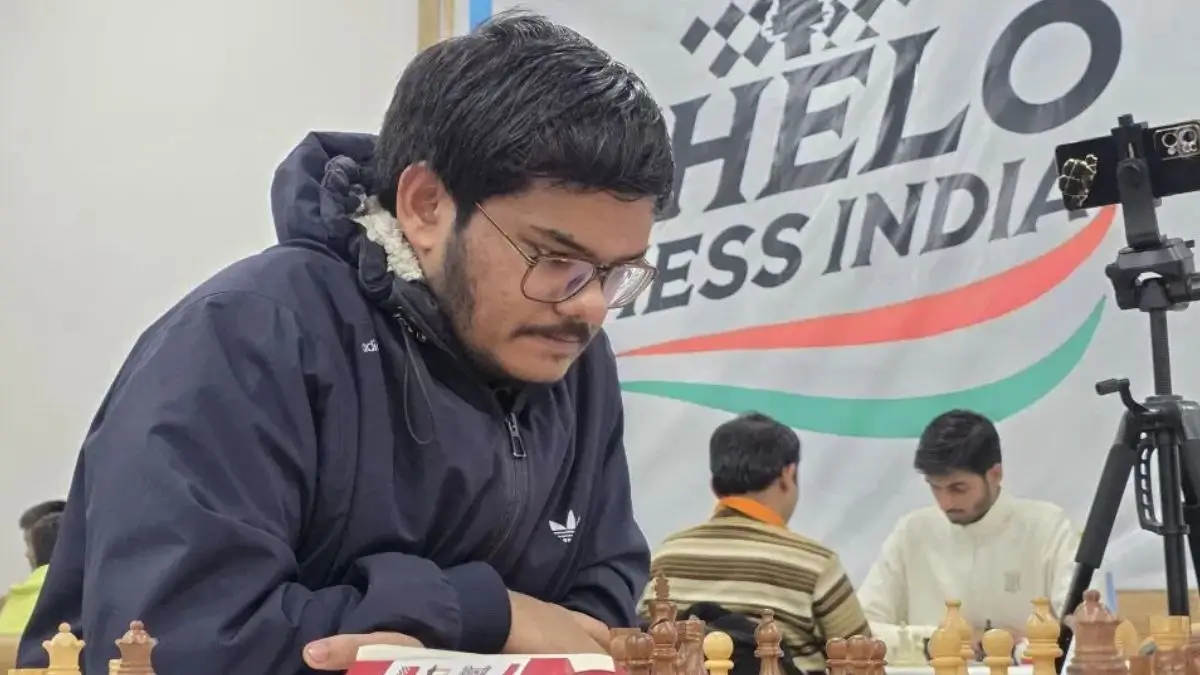
On 8 November 2026 Anuj Shrivatri from Madhya Pradesh won the 7th ASEAN Plus Individual Open Chess Championship in the Philippines, securing the title of 100th Grandmaster in India. He is also the first Grandmaster from Madhya Pradesh. Having lost a game in Round 1, Anuj Shrivatri picked up his game well by winning the last 2 rounds and scoring 7 points out of 9. This was a significant milestone in Indian chess history as it was Anuj Shrivatri’s birthday, Diwali, and was nearly 4 decades since Viswanathan Anand became the first Grandmaster in India in 1988.

Anuj Shrivatri wins 7th ASEAN Plus Individual Open Chess Championship

International Master Anuj Shrivatri won the 7th ASEAN Plus Individual Open Chess Championship in the Philippines in November 2026. This allowed him to become a Grandmaster, bringing the total number of Grandmasters in India to 100.

Although he started off losing in Round 1, he then played brilliantly and secured the title by winning the final 2 rounds, scoring 7 out of 9 points. This put him ahead of Vietnam’s Nguyen Duc Hoa, who scored 6.5. Nouri Alekhine from the Philippines finished in 3rd place with a score of 6.

This meant that Shrivatri became the first Grandmaster from Madhya Pradesh.

Who is Anuj Shrivatri?

Anuj Shrivatri is an Indian Chess player from Madhya Pradesh, born in 2004. He previously held the title of International Master (IM) before becoming a Grandmaster.

He was reported to be the youngest International Master from Madhya Pradesh. By winning the ASEAN Plus Individual Open Chess Championship, he has reached the title of Grandmaster and made a new milestone in his home state.

India reaches 100th Grandmaster:

This is a significant milestone for Indian chess. Viswanathan Anand became the first Grandmaster in India in 1988.

In recent years, the number of Grandmasters in India has increased.

Some of the recent milestones have bee,

  • Viswanathan Anand became India’s first Grandmaster in 1988.
  • S. Aswath became India’s 98th Grandmaster in July 2026.
  • V. S. Rathanvel became India’s 99th Grandmaster.
  • Anuj Shrivatri became India’s 100th Grandmaster in November 2026.
  • Multiple Grandmasters were added in 2026, meaning India reached the 100 mark.

What is a Chess Grandmaster?

A Grandmaster (GM) is the highest level of title given to chess players by the International Chess Federation (FIDE).

It is given to players who have an incredible level of skill and have achieved something in competitive chess. Usually 3 grandmaster norms and a FIDE rating of at least 2500. However, certain championships can award Grandmaster titles directly under FIDE rules.

Other titles given by FIDE are,

  • International Master (IM)
  • FIDE Master (FM)
  • Candidate Master (CM)

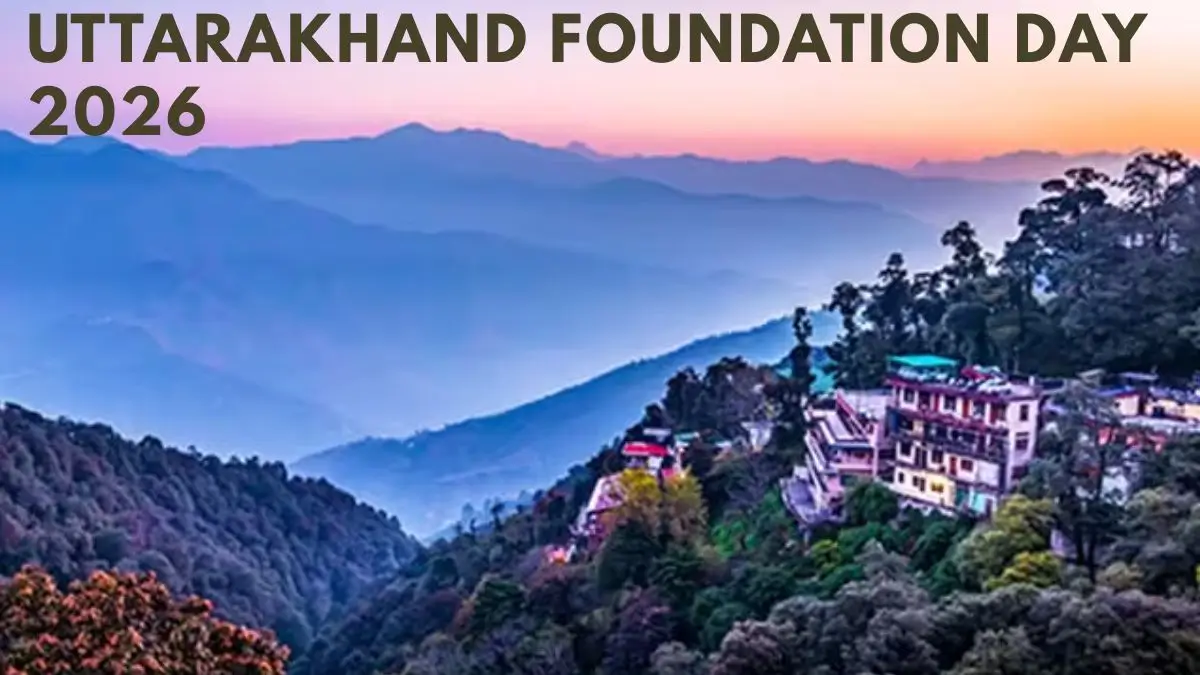
Uttarakhand Foundation Day 2026: History, Statehood Movement and Significance

Uttarakhand Foundation Day (Uttarakhand Sthapna Diwas) is celebrated on 9 November 2026. It marks the creation of the state of Uttarakhand from Uttar Pradesh on 9 November 2000. It was originally called Uttaranchal before being officially renamed Uttarakhand in 2007. This year marks the 26 th year since the state has been created and celebrates the movement for a separate Himalayan state.

Why was Uttarakhand created?

There was a demand for Uttarakhand to become its own state due to a lack of focus on the administrative needs and development aspects of the Himalayan region within Uttar Pradesh. The rugged mountainous terrain, isolated villages and poor infrastructure, education, health and employment opportunities made for a strong case for a new hill state.

This movement was supported by women, students, community groups and political groups. In 1994 there was a large increase in protests. On 2 October 1994, the Rampur Tiraha incident was a key and painful moment in Uttarakhand history. Police fired on the Uttarakhand Statehood protesters.

Key Dates in Uttarakhand Statehood

  • 1994 – Movements for hill state increased.
  • 25 August 2000 – The Uttar Pradesh Reorganization Act 2000 was passed in parliament.
  • 9 November 2000 – The State of Uttaranchal was created from Uttar Pradesh.
  • 21 December 2006 – The Uttaranchal (Alteration of Name) Act 2006 was passed.
  • 1 January 2007 – Uttaranchal was officially renamed Uttarakhand.

Uttar Pradesh Reorganization Act 2000

The Uttar Pradesh Reorganization Act 2000 (Act No. 29 of 2000), allowed for the creation of Uttaranchal.

The act was passed on 25 August 2000 and came into effect on 9 November 2000. Section 3 allowed for the creation of Uttaranchal consisting of thirteen districts of the original state of Uttar Pradesh. The act also included details about how the legislature, administration and other structures would be reorganised.

Uttaranchal to Uttarakhand (2007)

When the state was created on 9 November 2000 it was officially called Uttaranchal. However, Uttarakhand was already known as the name of the region.

The Uttaranchal (Alteration of Name) Act 2006 (Act No. 52 of 2006) was passed by parliament to officially rename the state. The act came into effect on 1 January 2007 and meant Uttaranchal was now Uttarakhand.

The state of Uttarakhand reached its Silver Jubilee (25 th year) on 9 November 2025. This means that this year will mark the 26 th anniversary of the state being formed.

Cultural Significance

Uttarakhand Foundation Day celebrates the culture of the region and honours those involved with the statehood movement.

The Uttarakhand region has a rich culture with,

  • Garhwali & Kumaoni – Major languages spoken in the region.
  • Chholiya Dance – A traditional dance.
  • Aipan – A traditional decorative art of Kumaon. It consists of white patterns in the form of rituals and geometric shapes on a red ochre background.
  • Regional Folk Music – Songs that reflect the region.

It also allows for reflection on the difficulties faced when developing the mountainous region. These include education, health, employment, environmentalism and disaster preparedness.

How is Uttarakhand Foundation Day Celebrated?

Uttarakhand Foundation Day is celebrated with official events and cultural activities throughout the state. Some common examples include,

  • Official events and speeches.
  • Honoring those who took part in the movement.
  • Cultural events including Garhwali & Kumaoni music and dancing.
  • School/community events about the history of the state.
  • Discussion around development, tourism, forest preservation and mountain living.
  • Each district will have their own range of events.

World Freedom Day 2026: History, Importance and Significance of the Fall of the Berlin Wall

World Freedom Day in 2026 will be celebrated on 9 th November. The day is dedicated to celebrating the fall of the Berlin Wall in 1989. This day was declared by US President George W. Bush in 2001 to celebrate the value of freedom and democracy and to honour those who fought for their rights. Whilst the name of this day suggests a global celebration, it is only a celebration held in the US. The purpose behind the day is to highlight the importance of individuals’ rights, human dignity and democracy.

When Is World Freedom Day 2026?

World Freedom Day is celebrated every year on the 9 th November in the US to celebrate the opening of the Berlin Wall in 1989. This became a key symbol of the end of political separation in Europe.

  • Celebrated: World Freedom Day
  • Date: 9th November 2026
  • Day: Monday
  • How often?: Every Year
  • First Declared: 2001
  • Declared By: US President George W. Bush
  • Connection to History: Fall of the Berlin Wall
  • Key Themes: Freedom, Democracy and Individual Rights

History Of World Freedom Day

World Freedom Day has connections to the Cold War and political separation in Germany.

Following the end of the Second World War Germany was split between occupation zones run by the United States, United Kingdom, France and the Soviet Union. Berlin was divided into 4 sectors despite being in the Soviet controlled zone.

This led to the creation of 2 German states in 1949. These were known as the Federal Republic of Germany (West Germany) and the German Democratic Republic (East Germany). Berlin was also divided between the two states.

On the 9th November 1989 the East German officials opened the border crossings as there was increasing pressure from the public and confusion over the new travelling rules. This became a key moment in European history.

On the 9th November 2001 US President George W. Bush released a presidential proclamation encouraging Americans to celebrate this day. This was to honour the fall of the Berlin Wall and to recognise the value of freedom and democracy.

What Was The Berlin Wall And Why Was It Built?

The Berlin Wall was a heavily guarded barrier between East Berlin and West Berlin between 1961 and 1989. The barrier was created by the East German officials to stop people fleeing to the West.

Many skilled workers and professionals had moved from East Germany to West Germany through Berlin. This caused concern for the East German Government.

On 13 th August 1961 the East German officials started to shut the border. This began with barbed wire fences but soon developed into concrete walls, watch towers, patrolling roads and controlled crossing points.

The Berlin Wall became a symbol of the division between communist Eastern Europe and the democratic West for almost 28 years. It also split families and limited peoples’ freedom.

Why Did The Berlin Wall Fall In 1989?

The Berlin Wall fell due to increasing public protest, political changes in the Soviet Union and changes in Eastern Europe.

Key reasons for this include,

  • Public protest in East Germany. There were demonstrations demanding democratic changes, more freedom to travel and political changes.
  • Political changes in the Soviet Union. The Soviet Leader Mikhail Gorbachev introduced new policies including ‘glasnost’ (openness) and ‘perestroika’ (Restructuring). This led to political changes throughout the region.
  • Changes in neighbouring countries. Changes in Poland and Hungary led to demands for change in East Germany.
  • New travelling rules. On the 9 th November 1989 East German official Günter Schabowski gave a confusing statement during a press conference regarding new travelling rules.
  • This led to thousands of people gathering at the border crossings. Eventually the border guards allowed them to cross and the Berlin Wall was opened.

Significance Of The Fall Of The Berlin Wall

The opening of the Berlin Wall was an iconic moment in modern European history. It showed how the Cold War was coming to an end and there was an increased demand for political freedom throughout Europe.

It led to,

  • More freedom to travel. People could move freely between East and West Berlin.
  • German Reunification. The opening helped create the conditions for Germany to reunify on the 3 rd October 1990.
  • Political changes. It was part of larger changes to democracy throughout Central and Eastern Europe.
  • Family Reunification. People who were separated could now see each other.
  • Fall Of A Key Cold War Symbol. The opening of the barrier showed how the political divide between communist Eastern Europe and the Western bloc was coming to an end.

Why Is World Freedom Day Important?

World Freedom Day helps US understand the importance of protecting our rights so we can live with dignity.

Some key reasons why this day is important include,

  • Honouring those who fought. It recognises those who fought against oppressive regimes and wanted political freedom.
  • Promoting democracy. It shows how important it is for people to have a say in government, voting and democracy.
  • Human Rights. It brings attention to equality, freedom of speech, freedom of religion and peaceful assembly.
  • Raise Awareness. It encourages conversation around limitations, discrimination and political oppression.
  • Promotes responsible use of rights. It reminds people to use their rights responsibly and respect others’ rights.

What Is The Difference Between Freedom And Democracy are related but different.

Freedom Democracy
Individuals have rights and can make their own choices. A form of government where people have a say.
Includes freedom of speech, beliefs, movement and association. Includes voting, representation and accountability.
Protects individuals from unfair limitations. Allows citizens to have their say in government.
A democracy should protect individual freedoms. Freedom allows citizens to have a meaningful say in democracy.

Basic Rights Linked To Freedom

Freedom is linked to several rights stated in the Indian Constitution. Part III of the constitution outlines Fundamental Rights. These include,

Constitution & Right

  • Article 14: Equality before law and equal protection of laws.
  • Article 19: 6 Freedoms including freedom of speech, peaceful assembly, association and movement. These are subject to constitutional limitations.
  • Article 21: Protection of life and liberty.
  • Article 21A: Right to Education for children aged 6-14.
  • Article 25: Freedom of conscience and freedom to profess, practise and propagate religion.

These rights are subject to conditions and reasonable limitations set out in the Constitution.

How To Celebrate World Freedom Day 2026

There are many ways you can Celebrate World Freedom Day. Some ideas include,

  • Learn about the Berlin Wall. Find out about how it was built, fell and what impact it had on Germany.
  • Have a debate or discussion about democracy, equality and individual freedom.
  • Watch historical documentaries. Learn about the Cold War and what happened in November 1989.
  • Raise Awareness. Share facts about freedom and human rights.
  • Promote participation. Encourage people to participate in the community and democracy in an informed way.
  • Learn about human rights. Research key movements and people who fought against oppression.

National Legal Services Day 2026: History, Objectives, Significance and Free Legal Aid

National Legal Services Day is celebrated on 9 November every year in India to raise awareness about Free Legal Aid. This day marks the commencement of the Legal Services Authorities Act 1987, on 9 November 1995. This day aims to emphasize that the Constitution ensures that people will not be deprived of legal aid due to any economic or social disadvantages. It also recognizes the work of the National Legal Services Authority (NALSA) in providing legal aid to those eligible.

National Legal Services Day 2026: Date & Background

Every year on 9 November, National Legal Services Day is celebrated. This is to promote awareness about free legal services available.

This is linked to the implementation of the Legal Services Authorities Act 1987. This put in place a national system to provide free and good-quality legal aid.

The act commenced on 9th November 1995. This established legal services authorities at a national, state and district level.

Background to National Legal Services Day

This is a celebration in India to ensure that people have access to the justice system regardless of their financial or social status.

Key developments,

  • Addition of the Article 39A into the Constitution (42nd Constitutional Amendment Act) (1976)
  • Parliament passed the Legal Services Authorities Act to provide a statutory framework for Free Legal Aid (1987)
  • Act commenced on 9th November 1995
  • Since then every year 9th November is celebrated as National Legal Services Day to raise legal awareness.
  • The act also provided for the setting up of NALSA and other legal services authorities within the states and districts.

Objectives of National Legal Services Day

This day aims to help ensure everyone has access to justice. Including those who cannot afford legal representation.

Key objectives include,

  • Free Legal Aid – Providing legal advice, guidance and legal representation to those eligible.
  • Legal literacy – Informing citizens about their rights in the constitution, legal protections and remedies.
  • Help Vulnerable Groups – Helping women, children, SCs, STs, industrial workers and other eligible disadvantaged groups.
  • Promote alternative dispute resolution – Promoting Lok Adalats.
  • Overcome barriers – Overcoming barriers to justice caused by financial hardship, illiteracy and lack of legal awareness.
  • Improve legal aid – Improve outreach and provision of legal aid through legal aid solicitors and para legal volunteers.

Constitutional & Legal Framework for Free Legal Aid

The Constitution of India provides for the equal access to justice. As per the Article 39A requires the State to ensure that people are not deprived of justice due to economical or other disadvantages.

Key Articles/Laws

Article and It’s Provision

  • Article 14: Equality before the law.
  • Article 21: Protection of life and personal liberty. Includes a right to a fair trial and legal aid in certain circumstances.
  • Article 39A: Equal Justice & Free Legal Aid.
  • 42nd Constitutional Amendment Act (1976): Addition of Article 39A.
  • Legal Services Authorities Act (1987): Statutory framework for Free Legal Aid & Lok Adalats.
  • Section 12: Outlines who is eligible for Free Legal Aid.
  • Section 19: Provides for Lok Adalats.

Article 39A: Equal Justice & Free Legal Aid

Article 39A is a Directive Principle of State Policy which was inserted into the constitution by the 42nd Constitutional Amendment Act (1976).

This requires the state to,

  • Provide Free Legal Aid through suitable legislation, schemes or mechanisms.
  • Ensure people are not deprived of opportunities to gain justice due to economical or other disadvantages.
  • Encourage equal justice for all.
  • This article provides the constitutional basis for the legal aid system in India.

Who is eligible for Free Legal Aid in India?

Under Section 12 of the Legal Services Authorities Act 1987 the following groups are eligible for Free Legal Aid:

  • Scheduled Castes (SC) and Scheduled Tribes (ST).
  • Victims of human trafficking or begar.
  • Women and children.
  • Disabled.
  • Victims of mass disaster, ethnic conflict, caste atrocities, floods, drought, earthquake and industrial disaster.
  • Industrial workers.
  • Those in custody (including those in protective homes, juvenile homes and psychiatric institutions).
  • Those with an annual income below the set threshold.

Different thresholds apply for cases in the Supreme Court and other Courts and can be reviewed by the relevant government.

National Legal Services Authority (NALSA)

The National Legal Services Authority (NALSA) is the top statutory body responsible for overseeing legal aid in India. It was established under the Legal Services Authorities Act 1987 and was officially formed on 9 November 1995.

Its main aim is to ensure those eligible and disadvantaged are provided with free and good quality legal aid.

Legal Services Authorities

The Act has created legal services authorities at various levels.

Authority Level Leadership
NALSA National Chief Justice of India (Patron-in-Chief). Judge of the Supreme Court (Executive Chairman).
State Legal Services Authority (SLSA) State Chief Justice of the relevant High Court (Patron-in-Chief).
District Legal Services Authority (DLSA) District District Judge (Chairman).
Taluk Legal Services Committee (TLSC) Taluk/Subdivision Senior Judicial Officer (Chairman).

NALSA oversees these authorities and provides support for legal aid, legal literacy, Lok Adalats and other initiatives.

Significance of National Legal Services Day

National Legal Services Day aims to highlight the importance of having an affordable, inclusive and accessible justice system.

1. Ensure Equal Access to Justice

Free Legal Aid helps to overcome the financial barriers to justice. It aligns with the constitutional principle of equality before the law (Article 14) and equality of justice (Article 39A).

2. Strengthen the Criminal Justice System

LADCS provides legal aid to eligible accused who wouldn’t be able to afford a private solicitor. This helps support their right to a fair trial and protection of personal liberty (Article 21).

3. Promote Alternative Dispute Resolution

Lok Adalats provide an affordable way to resolve disputes through agreement. This reduces the cost of litigation and relieves pressure on standard courts.

4. Improve Access for Rural Areas

Legal aid clinics, para legal volunteers and Tele-Law help those in rural and underserved areas to get legal advice without having to travel far.

5. Help Women and Vulnerable Groups

Legal Services Authorities run awareness-raising initiatives to help women, children, SCs, STs, disabled and other eligible groups.

6. Promote Online Legal Aid

Initiatives like Tele-Law and Nyaya Bandhu make it easier for citizens to access legal professionals through technology.

How to apply for Free Legal Aid in India?

Those eligible can contact their local Legal Services Authority.

To apply you can,

  • Online – On the NALSA website and legal aid application page.
  • Written – By submitting an application to the relevant Legal Services Authority.
  • Verbal – By requesting help from the Legal Services Authority or Para Legal Volunteer.
  • Contact a Legal Services Institution – Contact your State, District or Taluk Legal Services Authority.
  • Depending on your eligibility and the nature of your case you may be given legal advice, guidance, an advocate appointed, legal documents prepared and representation in court.

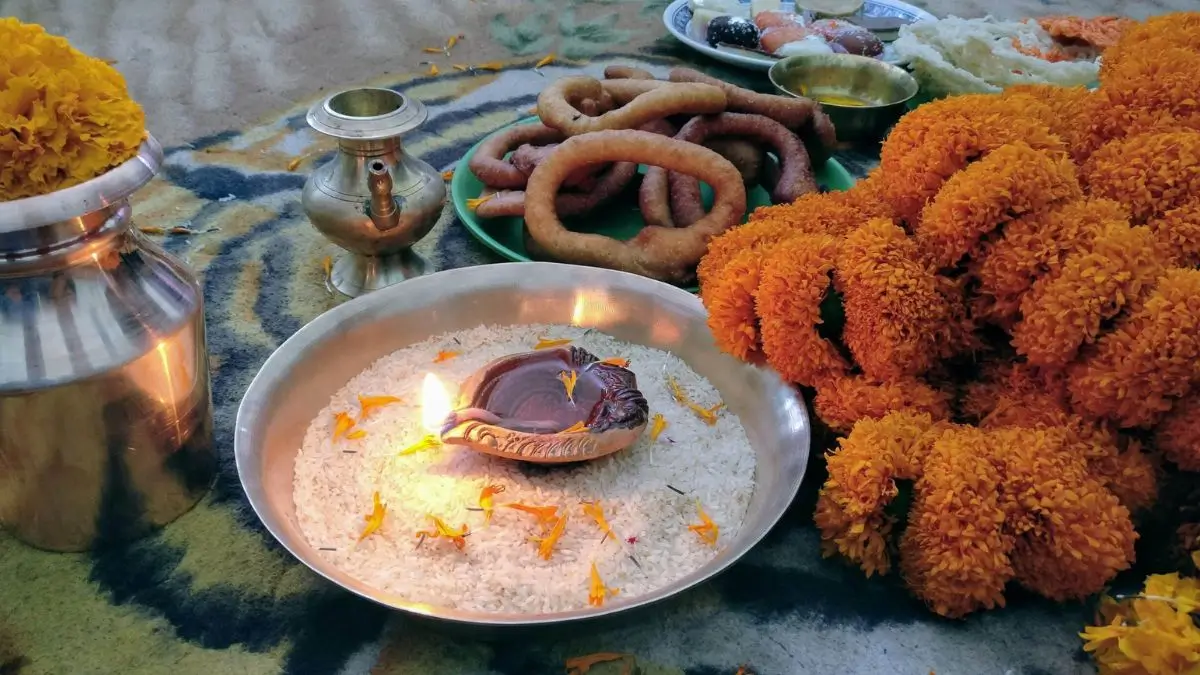
Tihar 2026: Dates, Five-Day Celebrations and Significance of Nepal’s Festival of Lights

Tihar, also known as Deepawali, or Festival of Lights, is one of the major Hindu festivals in Nepal. It takes place following Dashain. Tihar is a 5 day festival where we celebrate with our animals including crows, dogs and cows. We also celebrate it with Goddess Lakshmi who represents wealth and prosperity. We also celebrate the relationship between brothers and sisters with Bhai Tika. In 2026, Tihar will be celebrated on the following dates: 7th November – 11th November 2026 (Kartik 21-25 2083 BS).

Tihar 2026 Dates & Schedule

Tihar 2026 will be celebrated on the following dates;

Day Nepali Date (2083 BS) Gregorian Date Festival/Ritual
1 Kartik 21 7th November 2026 Kaag Tihar
2 Kartik 22 8th November 2026 Kukur Tihar and Lakshmi Puja
3 Kartik 23 9th November 2026 Gai Tihar
4 Kartik 24 10th November 2026 Govardhan Puja, Goru Tihar, Mha Puja & New Year (Nepal Sambat)
5 Kartik 25 11th November 2026 Bhai Tika

The dates above are based on the information provided in the source. The lucky time to celebrate Bhai Tika (sait) has not been officially announced yet.

Why do we celebrate Tihar?

We celebrate Tihar to pay our respects to Goddess Lakshmi, Lord Yama and our animals. This is an opportunity to show our thanks to nature, animals and family.

Tihar is closely linked to;

Goddess Lakshmi – Goddess of Wealth & Prosperity

  • Goddess Lakshmi is worshipped during Tihar to bring wealth, prosperity and luck. Families will clean and decorate their homes. Oil lamps will be placed at the entrance and prayers are performed.
  • Coloured footprints will be made using coloured powders and/or flour from the entrance of the house to the family shrine.

Lord Yama and His Messengers

  • Crows and dogs are traditionally linked to Yama, the god of death in Hinduism. During Kaag Tihar and Kukur Tihar we offer food and worship these animals.
  • This is to bring protection from bad luck and shows respect to animals who are seen as Yama’s messengers.

Lord Krishna and Govardhan Hill

  • During Govardhan Puja we celebrate the story of Lord Krishna lifting up Govardhan Hill to protect the people of Vrindavan from heavy rain and flooding caused by Indra.
  • This celebrates the protection Krishna gave to the village and shows how important nature, cattle and farming are.

Mha Puja & Newars

  • Mha Puja is an important ritual for the Newar community in Nepal. This is when you worship your body and soul. It represents cleansing, self respect, wellbeing and a new beginning spiritually.
  • This is celebrated on the 4th Day of Tihar and marks the Newar New Year.

How is Tihar celebrated in Nepal?

Tihar is celebrated over 5 days with animals being worshipped, family rituals taking place, cultural performances and families coming together. Homes are cleaned and decorated with flowers, rangoli, lamps and colourful lights.

One of the most unique parts of Tihar is Deusi and Bhailo. Groups of boys and girls visit homes singing traditional songs. They offer blessings to families and are given money, sweets and gifts.

Day 1 – Kaag Tihar (worshipping crows)

  • 7th November 2026 (Kartik 21 2083 BS)
  • The first day is known as Kaag Tihar. Kaag means crow in Nepali. Crows are seen as Yama’s messengers.
  • Offerings of rice, grains, sweets and other foods are given to crows. These are usually placed on the roof or in the courtyard. It is traditionally believed that this will help to remove sadness and bad luck.

Day 2 – Kukur Tihar & Lakshmi Puja

  • 8th November 2026 (Kartik 22 2083 BS)
  • Kukur Tihar is when we worship dogs. Dogs are respected due to their loyalty and are traditionally linked to Yama. Dogs are decorated with marigold flowers, red tika is placed on their forehead and they are offered special foods.
  • In the evening Lakshmi Puja is celebrated. Homes are decorated with diyas and pretty lights. Families offer prayers, sweets and flowers to Goddess Lakshmi.
  • These two celebrations take place on the same day according to the source.

Day 3 – Gai Tihar (worshipping cows)

  • 9th November 2026 (Kartik 23 2083 BS)
  • Gai Tihar is when we worship cows. Traditionally cows are seen as sacred.
  • They are decorated with marigold flowers, tika is placed on them and they are offered grass and food. This is to thank them for their important role in farming.

Day 4 – Govardhan Puja, Goru Tihar & Mha Puja

  • 10th November 2026 (Kartik 24 2083 BS)

The fourth day consists of three important celebrations,

  • Govardhan Puja – To worship Govardhan Hill.
  • Goru Tihar – Oxen are worshipped and offered foods to thank them for their contribution to farming.
  • Mha Puja – The Newar community perform a ritual to worship themselves.
  • New Year (Nepal Sambat) – The Newar community celebrate the start of the year.

Day 5 – Bhai Tika (celebrating brother/sister relationship)

  • 11th November 2026 (Kartik 25 2083 BS)
  • Bhai Tika is the last day of Tihar. This is to celebrate the brother/sister relationship.
  • Sisters will place a colourful 7 colour tika (Saptarangi Tika) on their brother’s forehead. They will offer them garlands, sweets and prayers for them to have a long life, happy life and prosperous life. Brothers will offer them gifts and blessings.
  • Within the Newar community this ritual is known as Kija Puja. The ceremony shows love, protection and lifelong family relationships.
  • The lucky time to perform the Bhai Tika ceremony (sait) will be announced by the Panchang officials in Nepal.

Key Cultural Traditions within Tihar

Tradition and Significance

  • Deusi-Bhailo: Traditional songs, dancing and community celebration.
  • Diyas/Lamps: Symbolises light, hope and prosperity.
  • Rangoli: Patterns placed on the entrance to the home.
  • Marigold Flowers: Used to decorate homes, animals and people.
  • Saptarangi Tika: 7 colour tika used during Bhai Tika.
  • Sel Roti: Traditional rice bread eaten during festivals in Nepal.
  • Mha Puja: Newars worship themselves.

Tihar & it’s significance in Nepal

Tihar is much more than just a festival of lights. It shows the diverse culture we have in Nepal, our religious beliefs and how connected we are to nature and animals.

The 5 day celebration recognises the contributions animals make, we worship Goddess Lakshmi and strengthens family relationships. The Deusi-Bhailo, Mha Puja and Bhai Tika all show how unique each community are in Nepal.

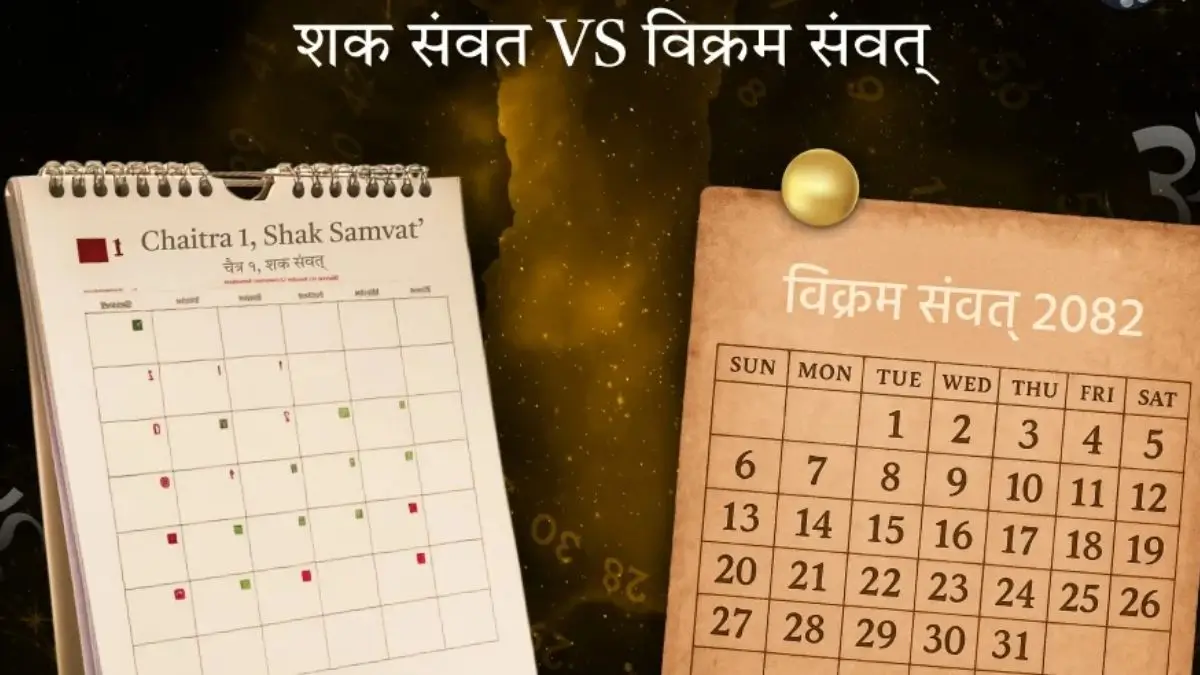
Vikram Samvat vs Saka Samvat: Origin, Differences, History and National Calendar of India

Vikram Samvat and Saka Samvat are two very important calendar systems in India’s history. Vikram Samvat is said to have begun in 57 BCE. Saka Samvat began in 78 CE. Vikram Samvat is widely used for religious festivals and New Year in different regions. The Saka Calendar is the basis for the National Calendar of India.

Vikram Samvat and Saka Samvat – Origins and History

1. Vikram Samvat (57 BCE)

Vikram Samvat is traditionally named after the King Vikramaditya of the Ujjain. This system began in the 57 BCE and traditionally commemorates the King’s victory over the Sakas.

This calendar is also known in history as Krita Samvat. Historians have questioned the precise identity of Vikramaditya and the reasons behind its creation. Vikramaditya could have also been the name for a royal title that multiple rulers had.

Today, Vikram Samvat is still widely used in North and Western areas of India.

2. Saka Samvat (78 CE)

Saka Samvat is traditionally known as the Shalivahana Saka Era. This system began in 78 CE. This calendar has been historically connected to King Shalivahana but historians have also debated whether there could have been links with other rulers like Kanishka from the Kushan dynasty.

This calendar has appeared in many inscriptions throughout history. This calendar was later used to create the National Calendar of India.

Vikram Samvat vs Saka Samvat

Feature Vikram Samvat Saka Samvat
Tradional Starting Year 57 BCE 78 CE
Tradionally Named After King Vikramaditya King Shalivahana
Calendar System Lunisolar Tradional Calendar has regional variations. National Calendar is Solar.
Number of Months in Year 12 Lunar months. Extra month added if needed. National Calendar has Solar year.
New Years Regional variations. Chaitra 1 (Generally 22nd March).
Used For Religious, Cultural and Regional Calendars. National Calendar
Historical Tradional Calendar of Ujjain. Used widely in inscriptions and official time keeping.

The Saka calendar is related to the National Calendar. They are not exactly the same. As shown above, Vikram Samvat has regional variations on when the year begins.

Calendar Systems – Lunisolar and Solar

There are differences between the two calendar systems.

Vikram Samvat – Lunisolar

  • Vikram Samvat uses a Lunisolar system. This means, the calendar includes both the Moon and Sun. The months are based on lunar cycles, however adjustments are made to keep in line with the Solar calendar.
  • An extra month called Adhik Maas is added in to keep the calendar in line. The lunar calendar has around 354 days so adding an extra month ensures that it does not drift too far off.
  • There are variations in the New Years. In Gujarat, the calendar year traditionally begins the day after Diwali. Chaitra is the New Year for several regions.

Saka Samvat – Solar

  • The National Calendar of India today (based on the Saka calendar) uses a Solar system. This has 12 months with a regular year of 365 days and leap year of 366 days.
  • The first month of the year is Chaitra. This begins on the 22nd March in regular years and the 21st March in leap years.

Calendar Reform Committee

After Independence, India used the Gregorian calendar for official use. However, many traditional calendars were still being used in different regions. To help increase consistency within calendars, the Government of India created the Calendar Reform Committee in 1952. This was under the Council of Scientific and Industrial Research (CSIR). The committee was led by famous Astrophysicist Dr Meghnad Saha. N.C. Lahiri was the member-secretary.

The committee looked into what calendar system was used in different areas of India. They suggested that a scientific standardised calendar would be best. This would use the Saka calendar.

The reform calendar was adopted by the Government on the 22nd March 1957. This was equivalent to 1 Chaitra 1879 Saka Era.

It is used with the Gregorian calendar for certain official use. This includes the Gazette of India, Government Calendars, All India Radio News and Government Communications.

Use Around Country

Vikram Samvat is widely used in Rajasthan, Gujarat, Uttar Pradesh, Madhya Pradesh and Nepal. Vikram Samvat is used in traditional Panchangs to decide when religious events are, when festivals happen and what lucky dates are. In Gujarat, the New Year is based around Kartik. This is celebrated as Bestu Varas after Diwali.

Saka Samvat is historically significant in several areas of India. It is used to create the National Calendar. Many regions celebrate their New Year festivals such as Gudi Padwa (Maharashtra) and Ugadi (parts of South India) around the beginning of Chaitra. These have variations depending on the local area.

The Saka calendar is also very significant for historical research. The calendar can be found in inscriptions and records to help work out the timeline of ancient and medieval India.

Mahabharata, Rajatarangini and Arthashastra Added to UNESCO’s Memory of the World Asia-Pacific Register

UNESCO’s Memory of the World Asia-Pacific Regional Register includes manuscripts relating to the Mahabharata, Rajatarangini by Kalhana and Arthashastra by Kautilya. This decision was made at the 11th Session of the Memory of the World Committee for Asia and the Pacific (MOWCAP), which was held in Jakarta, Indonesia, from 2nd to 6th November 2026. The dossiers for these nominations were developed by Indira Gandhi National Centre for the Arts (IGNCA) and the country now has a total of six inscriptions in its regional list.

Three Indian Manuscripts Included in Asia-Pacific Register by UNESCO

The three inscriptions include manuscripts that highlight India’s literary, historical and intellectual heritage.

Manuscript Subject Preserved at
Mahabharata Epic Literature, Philosophy, Ethics Bhandarkar Oriental Research Institute, Pune
Rajatarangini History of Kashmir Oriental Research Library, Srinagar
Arthashastra Governance, Economics and Statecraft Oriental Research Institute, Mysuru

These recognitions relate to specific manuscript documents. The dossiers were prepared by the IGNCA, an organisation under the Ministry of Culture.

What is UNESCO’s Memory of the World Programme?

The Memory of the World (MoW) Programme launched by UNESCO in 1992 aims to safeguard and make accessible documentary heritage that holds significant historical, cultural and intellectual value.

This can include a wide range of media such as manuscripts, archives, rare books, photographs, film, sound recordings etc.

The MoW Programme aims to protect important documents from damage, neglect, destruction and loss whilst making them available to current and future generations.

Three Types of Register

The programme consists of three types of register,

  1. International Register: For documentary heritage of global significance.
  2. Regional Registers: For documentary heritage of significance to a certain geographical area.
  3. National Registers: To identify and promote documentary heritage of significance to the nation.

The Asia-Pacific Regional Register is managed by the Memory of the World Committee for Asia and the Pacific (MOWCAP).

1. Rajatarangini by Kalhana

The Rajatarangini (River of Kings) is a Sanskrit historical text written by the Kashmiri historian Kalhana in 1148-1149CE during the rule of King Jayasimha.

It details the history of rulers, royal families, political events and socio-cultural aspects of Kashmir.

Key information about this document,

  • Written by: Kalhana
  • Language used: Sanskrit
  • Time Period: 12th Century CE
  • Script used: Sharada
  • Material used: Birch bark (Bhurjapatra) from Kashmir
  • It contains eight volumes or ‘Tarangas’:
  • There are approximately 7826 verses.
  • Preserved at: Oriental Research Library, Srinagar.

The Rajatarangini contains information gathered from previous chronicles, inscriptions and royal records to create a timeline of historical events in Kashmir. It is considered an important example of historical writing in medieval India.

2. Mahabharata

The Mahabharata is one of two great Sanskrit epics in India. It was traditionally written by Sage Vyasa and tells the story of the conflict between the Pandavas and Kauravas. It contains many themes relating to Dharma, duty, ethics, politics and human values.

This particular document is a birch bark manuscript that contains an older version of this epic from Kashmir.

Key information,

  • Traditionally written by: Maharishi Ved Vyasa
  • Language used: Sanskrit
  • Main Story: Kurukshetra War
  • Main Families: Pandavas and Kauravas
  • Contains Bhagavad Gita: A philosophical text containing 700 verses discussing the relationship between Lord Krishna and Arjuna. This is part of the Bhishma Parva.
  • Material used: Birch bark (Bhurjapatra)
  • Preserved at: Bhandarkar Oriental Research Institute (BORI), Pune, Maharashtra.

This document is of great importance as it is an older text from Kashmir. It was obtained from Kashmir in 1875 by Indologist Georg Bühler. The Mahabharata has had an impact on the literary, performance and cultural traditions across South and Southeast Asia.

3. Arthashastra by Kautilya

This ancient Indian text contains information on how to govern a nation. It was traditionally written by Kautilya (also known as Chanakya or Vishnugupta). He was connected to the Mauryan Emperor Chandragupta Maurya.

Key Information,

  • Written by: Kautilya (Chanakya/Vishnugupta)
  • Traditionally associated with the Mauryan period – commonly dated to around the 4th Century BCE.
  • Language: Sanskrit
  • Topic: Governance, Administration, Economics and Military Tactics
  • Contains 15 volumes, 150 chapters and 180 sections.
  • Material used: Palm Leaf
  • Script used: Grantha
  • Preserved at: Oriental Research Institute, Mysuru, Karnataka.

The palm leaf manuscript that has been recognised by UNESCO is a complete manuscript from the 16th Century. The text also discusses key concepts within ancient Indian political thought.

Key Concepts within Arthashastra

Saptanga Theory: The seven elements of the state. These include Swami (ruler), Amatya (ministers), Janapada (land and people), Durga (fort), Kosa (treasury), Danda (army) and Mitra (ally).

Mandala Theory: Explains the relationships between neighbouring countries and foreign policy.

Shadgunya: Six methods of foreign policy. This includes Peace, War, Neutrality, War Preparation, Alliance and Dual Policy.

Four Upayas: Same (conciliation), Dana (gifts/concessions), Bheda (divide) and Danda (force/punishment).

Previously Listed Items from India

Prior to the additions in 2026, there were three items from India listed in the Asia-Pacific Register. This was during the 10th session of MOWCAP in Ulaanbaatar, Mongolia in 2024.

These were,

  • Ramcharitmanas – An epic poem written by Tulsidas, detailing the life of Lord Rama.
  • Panchatantra – An ancient text of animal fables.
  • Sahrdayaloka-Locana – A Sanskrit text about Indian poetics.

The additions of the Mahabharata, Rajatarangini and Arthashastra manuscripts have brought the total number of items listed in the register to six.

Pedro Alliana Becomes President of Paraguay After Santiago Peña’s Impeachment

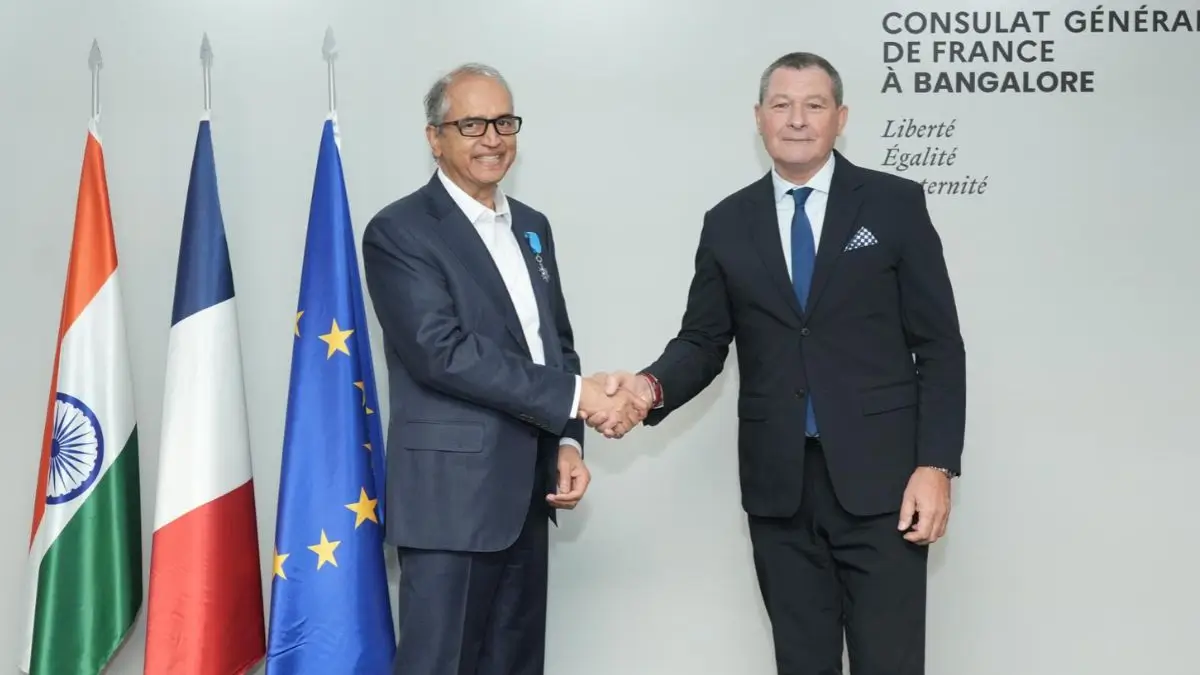
Dr Devi Prasad Shetty the founder and chairman of Narayana Health received the French honour of Chevalier de l’Ordre national du Mérite (Knight of the National Order of Merit) on 5 November 2026 in recognition of his support to the French Consulate and French community during the pandemic. Shetty and his company provided vaccinations and logistical support to help the community receive healthcare. The award is one of the highest orders of France, outranked only by the Legion of Honour.

France Honours Dr Devi Shetty for Support During the Pandemic

The award was presented to Dr Shetty by Marc Lamy, the Consul General of France in Bengaluru at an event hosted by the Consulate General of France in Bengaluru on 5 November 2026.

The award recognised his service during the pandemic when healthcare was disrupted. Narayana Health provided support to the French Consulate and community by,

  • Providing vaccinations to members of the French community
  • Providing logistical support
  • Providing healthcare during the pandemic.

The French Consulate said his services are an example of cooperation and solidarity between the countries.

What is the National Order of Merit?

The National Order of Merit is the second highest order in France, after the Legion of Honour.

It was set up by the president of France Charles de Gaulle on 3 December 1963 to reward outstanding contributions made within the public sector, civilian/military, and personal professional sectors.

Both citizens of France and foreigners can receive the award for their contributions. It is run under the authority of the President of France.

There are five ranks within the order,

Category Rank
Grade 1 Knight (Chevalier)
Grade 2 Officer (Officier)
Grade 3 Commander (Commandeur)
Dignity 1 Grand Officer (Grand Officier)
Dignity 2 Grand Cross (Grand’Croix)

Dr Devi Shetty has been awarded the rank of Knight (Chevalier).

Who is Dr Devi Prasad Shetty?

Dr Devi Prasad Shetty is an Indian cardiac surgeon, health entrepreneur, and philanthropist, who is well-known for his work providing affordable specialist care.

Dr Shetty is the founder and chairman of one of the largest hospital networks in India — Narayana Health. The company was created to help make specialist healthcare more accessible and affordable.

His approach to healthcare is to provide high volumes of patients, efficient medical procedures, and economies of scale. This helps to make specialist care, such as cardiac surgery more affordable.

Education & Career

Dr Shetty graduated with an MBBS from the University of Mysore in 1978, and a master’s in surgery in 1982. He then went to the UK to undertake specialist training in cardiac surgery, and received his Fellowship from the Royal College of Surgeons of England.

Upon his return to India, he worked at the B.M. Birla Heart Research Centre in Kolkata. In 2000 he set up Narayana Hrudayalaya in Bengaluru, which has since become the Narayana Health network.

Contributions to Affordable Healthcare in India

Dr Shetty has contributed to many aspects of healthcare in India.

Some key contributions include,

  • Narayana Health – In 2000, he set up Narayana Hrudayalaya in Bengaluru to provide affordable specialist healthcare.
  • Yeshasvini Scheme – He pioneered a micro-insurance scheme in Karnataka with the state government to increase access to medical care for rural farmers.
  • Telemedicine – He has encouraged the use of telemedicine to provide specialist cardiac care in remote areas.
  • Affordable Cardiac Care – He developed a high volume, efficient healthcare model that uses economies of scale.

Bandi Chhor Divas 2026: Why Sikhs Celebrate the Festival on Diwali

Bandi Chhor Divas 2026 will be celebrated on Sunday, November 8, coinciding with Diwali. The Sikh festival commemorates the release of the sixth Sikh Guru, Guru Hargobind Sahib Ji, from Gwalior Fort along with 52 imprisoned princes.

The occasion is remembered as a symbol of freedom, justice, compassion and standing up for others. Sikhs celebrate it by visiting gurdwaras, offering prayers, singing hymns, lighting lamps and participating in community service.

Bandi Chhor Divas 2026: Key Details

  • Festival: Bandi Chhor Divas
  • Date: 8 November 2026
  • Day: Sunday
  • Lunar occasion: Kartik Amavasya
  • Associated Guru: Guru Hargobind Sahib Ji
  • Historical event: Release from Gwalior Fort with 52 princes
  • Traditional year: 1619 CE
  • Important religious sites: Sri Harmandir Sahib, Amritsar; Gurdwara Data Bandi Chhor Sahib, Gwalior
  • Main message: Freedom, justice and compassion

What Does Bandi Chhor Divas Mean?

The term Bandi Chhor Divas means the Day of Liberation of Prisoners.

  • Bandi: Prisoner or captive.
  • Chhor: One who releases or sets free.
  • Divas: Day.

The title Bandi Chhor is associated with Guru Hargobind Sahib Ji because he secured the release of 52 imprisoned princes along with his own freedom.

The festival represents the principle that freedom should not be limited to oneself but should extend to others facing injustice.

History of Bandi Chhor Divas

Guru Hargobind Sahib Ji and the concept of Miri-Piri

Guru Hargobind Sahib Ji became the sixth Sikh Guru in 1606 after the martyrdom of his father, Guru Arjan Dev Ji.

He introduced the concept of Miri-Piri, represented by two swords,

  • Miri: Worldly authority, justice and responsibility.
  • Piri: Spiritual authority and religious guidance.

He also established the Akal Takht in Amritsar, which became an important center of Sikh religious and temporal authority.

Imprisonment at Gwalior Fort

During the rule of the Mughal Emperor Jahangir, Guru Hargobind Sahib Ji was imprisoned at Gwalior Fort, currently located within the state of Madhya Pradesh. This imprisonment is traditionally associated with rising concerns over the increasing influence of the Sikh community.

Many local rulers and princes were also imprisoned here, including, traditionally referred to within Sikh history, fifty-two Hindu Princes.

There are varying accounts as to how long the Guru was imprisoned for but Sikh tradition states that he was released in 1619.

The Release of 52 Princes

According to Sikh tradition, Emperor Jahangir eventually ordered the Guru’s release. However, Guru Hargobind Sahib Ji refused to leave the fort unless the other imprisoned princes were also freed.

The emperor reportedly agreed to release those who could leave while holding the Guru’s robe.

To ensure that all 52 princes could accompany him, the Guru arranged a special robe with 52 tassels, allowing each prince to hold one.

Consequently, Guru Hargobind Sahib Ji and all 52 princes walked out of Gwalior Fort together.

Return to Amritsar on Diwali

After his release, Guru Hargobind Sahib Ji returned to Amritsar around the time of Diwali. The Sikh community welcomed him by illuminating the city and the Harmandir Sahib with lamps.

This event became associated with Bandi Chhor Divas, which Sikhs celebrate on the same occasion as Diwali.

Why Is Bandi Chhor Divas Celebrated?

Bandi Chhor Divas is an important message within Sikhism.

1. They show everyone should be free, as Guru Hargobind Sahib Ji would not be free if others weren’t free.

2. Justice and equality, helped to free people from different communities.

3. Showing compassion.

4. Bravery and wisdom, the Guru was showing that it is important to be brave and have wisdom to stand up against injustices.

5. Helping humanity, as it shows the Sikh value of seva.

Is Bandi Chhor Divas the Same as Diwali?

Bandi Chhor Divas and Diwali are observed on the same night, but they commemorate different religious and historical events.

Aspect Diwali Bandi Chhor Divas
Primarily associated with Hindu, Jain and other traditions Sikh tradition
Significance Varies across religious and regional traditions; includes the victory of good over evil and worship of Goddess Lakshmi Release of Guru Hargobind Sahib Ji and 52 princes
Main message Light, prosperity and the triumph of good Freedom, justice and compassion
Celebrations Diyas, Lakshmi Puja, rangoli and sweets Kirtan, prayers, lamps, langar and community gatherings
Date Kartik Amavasya Coincides with Diwali

For Sikhs, Bandi Chhor Divas is an important occasion in its own right, with a distinct historical significance and religious identity.

How Is Bandi Chhor Divas Celebrated?

1. Celebrations at Gurdwaras

2. Nagar Kirtan and Langar

3. Celebrations at the Golden Temple

4. Celebrations at Home

5. Celebrations Around the World

Countries That Celebrate Diwali Around the World: Complete List

One of the most popular festivals originating from India, Diwali, also known as Deepavali, has many traditions that have been adopted by Indian communities across the globe. Countries such as Mauritius, Malaysia, Australia, Fiji,  United Kingdom and Singapore now have celebrations involving pretty lights, cultural performances, traditional foods and community events.

Whilst there are general themes around Diwali such as light, wealth and good defeating evil, how it is celebrated can depend on your local traditions and beliefs.

Why Diwali is Celebrated Globally

Diwali has become a well-known festival globally due to the Indian diaspora. Over generations, Indian communities have moved across the globe with their festivals, traditions and culture.

Many religions celebrate Diwali, however, how important it is to them depends on their religion. Hindus, Jains and Sikhs celebrate Diwali. Countries with a large number of people from an Indian background have made Diwali into a celebration where those from different backgrounds can come together and enjoy some cultural festivities.

Countries that Celebrate Diwali

Many countries outside of India celebrate Diwali.

Australia

  • Many cities such as Sydney, Melbourne and Brisbane hold big events celebrating Diwali. These events often involve cultural performances, traditional foods, pretty lights and fireworks.
  • Local councils and cultural groups will often back public celebrations, meaning people from different communities can enjoy some Indian culture.

Mauritius

  • Diwali is an official public holiday in Mauritius. It is celebrated throughout the whole country. A large number of people on the island have an Indian background so Diwali is an important part of their culture.
  • Homes are decorated with oil lamps and coloured lights. Families will also share sweets.

Malaysia

  • Diwali (also known as Deepavali) is an official gazetted public holiday in Malaysia. Diwali holds great importance to the Indian and Tamil communities within the country.
  • Places such as Little India in Kuala Lumpur and Penang will be decorated with coloured lights and traditional art. People will pray, enjoy music and shop for Diwali. They will also enjoy traditional foods.

United Kingdom

  • There is a large number of people from an Indian background in the UK. Many cities hold celebrations for Diwali, including Leicester, London and Birmingham.
  • Leicester is well known for having big celebrations. The streets will be lit up, there will be cultural performances and public events. This attracts visitors from different communities.

Fiji

  • Diwali is a national public holiday in Fiji, where it is widely celebrated by the Indo-Fijian community. The festival reflects the cultural heritage of people of Indian origin who settled in the country over generations.
  • Celebrations include lighting diyas, decorating homes, exchanging sweets and organising religious and community events. Suva and Nadi are among the places where festive gatherings take place.
_12.1
November 2026
M T W T F S S
 1
2345678
9101112131415
16171819202122
23242526272829
30