
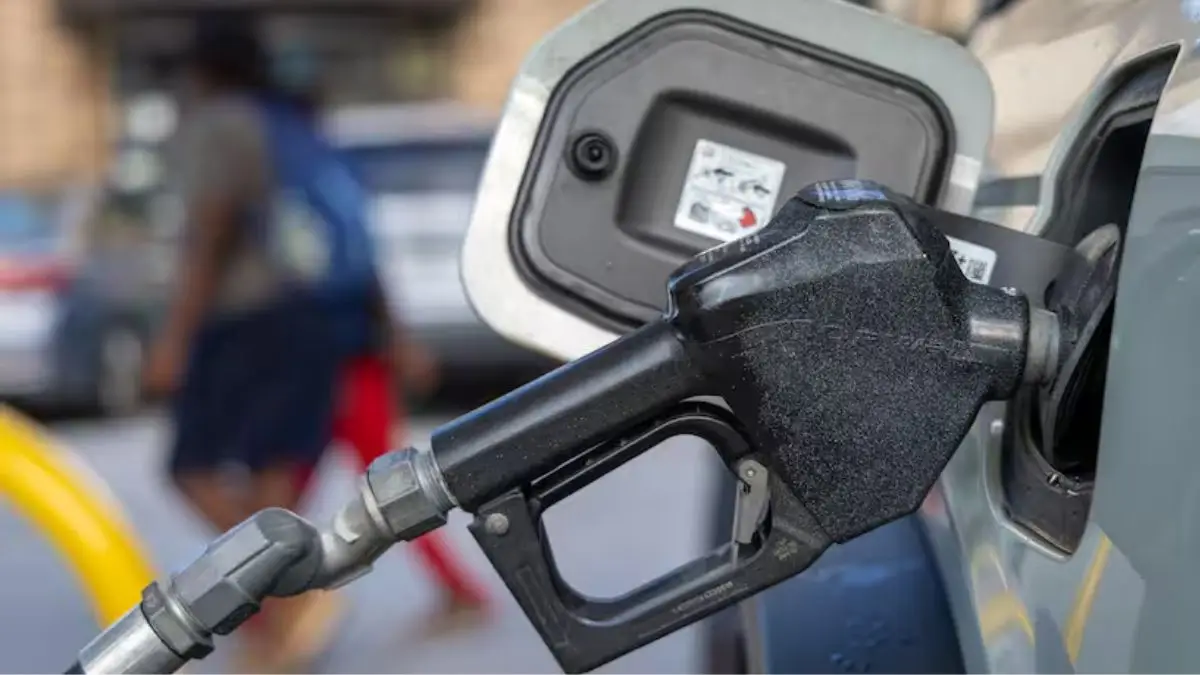
The MoRTH has made modifications in the Central Motor Vehicles Rules so as to permit E100 ethanol fuel to be used in vehicles specially designed and tested to run on E100 ethanol fuels. It aims at supporting India in its attempt to have a diverse source of transport fuel energy and reducing reliance on imported crude oil. Nonetheless, the modification is not an implication that E100 will work in any petrol engine.
What Is E100 Ethanol Fuel?
E100 is a high ethanol content fuel that is meant for use in vehicles designed for the purpose. In fuel codes, the letter “E” means ethanol, while the figure represents the nominal percentage by volume.
E100 is usually referred to as 100% ethanol, yet the actual chemical composition and permitted specifications may vary depending on the applicable standard. It is not the same as petrol and low-ethanol blends.
Ethanol is an alcohol-based fuel that can be obtained from sugarcane, maize and many others. In India, it is closely related to agriculture and biofuel policies.
What is the Difference Between E10, E20, E85 and E100?
| Type of fuel | Ethanol content in nominal percent | Description of the fuel |
| E10 | 10% | Petrol mixed with 10% of ethanol |
| E20 | 20% | Petrol mixed with 20% of ethanol |
| E85 | Up to 85% | Mixed fuel for cars, which can use this fuel |
| E100 | Nominally 100% | Fuel for cars, which are certified for E100 |
The key difference is the percentage of ethanol in the fuel.
What Is A Flex-Fuel Vehicle?
A flex-fuel vehicle is made to run on various blends of gasoline and ethanol. The fuel system of the vehicle and its engine-management system are designed to function on the approved fuels.
Based on how the flex-fuel vehicle is designed and certified, it can run on various blends including low-ethanol gasoline to E85 or E100. All flex-fuel vehicles need not run on all blends.
There are countries like Brazil and USA that have been using flex-fuel technology. Particularly Brazil has had a large number of flex-fuel vehicles running on gasoline-ethanol blends.
What Changes Have Been Made in the Motor Vehicle Regulations?
The Central Motor Vehicles (Amendment) Rules, 2026 have been notified through notification G.S.R. 911(E) dated October 23, 2026 and published on October 26, 2026.
These rules amend provisions of the Central Motor Vehicles Rules, 1989, including Rule 115, relating to emission standards for vehicles. These changes specifically include E100 along with E85 in provisions related to emission certification and testing.
| Change in provisions | Details |
| Recognition of E100 | E100 is included along with E85 in provisions related to emission-certification for flex-fuel vehicles. |
| Eligibility for vehicle | The fuels E85 and E100 are permitted only for vehicles that are designed by the manufacturer as flex-fuel vehicles and certified for the particular fuel. |
| Weight limit | Gross-weight threshold for relevant light petrol and diesel vehicles has been increased from 3,000 kg to 3,500 kg. |
| Commencement | These rules will come into force from the date of their publication in the official gazette as per the provisions of the notification. |
These rules provide a regulatory framework for compatible vehicles. However, these rules alone do not ensure that E100 would be available at all fuel stations in India.
India’s Ethanol Blending Programme
The India’s Ethanol Blended Petrol (EBP) programme seeks to blend ethanol with petrol in order to reduce dependency on fossil fuel energy sources and encourage production of biofuels.
India has succeeded in achieving its 20% ethanol blending target for the ethanol supply year 2025-26. This is an achievement regarding blending petrol in the whole nation, and it is different from making certified vehicles run on E85 or E100.
The government has further explained that E85 being introduced for certified flex-fuel vehicles does not necessarily mean that the blending petrol target for the whole nation has been increased to E20.





 Supreme Court Supports Raising District ...
 Cyclone Arnab 2026: Landfall Forecast fo...
 National Strategic Trade Command Centre ...