
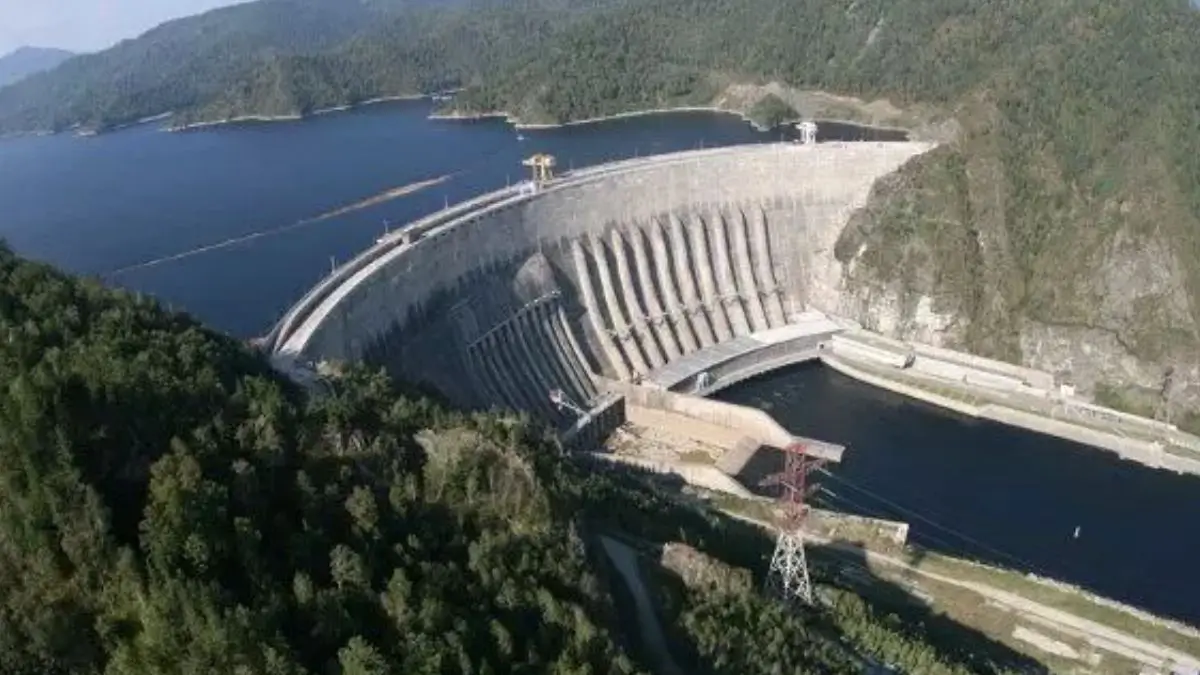
The plan for an 11,200 MW multipurpose project called Siang Upper Multipurpose Project (SUMP) in Arunachal Pradesh has raised many controversies on issues related to national security, hydro power generation, and indigenous rights. The Central government sees the proposed project as one that can protect India from the huge hydro power plant that China is planning to construct on Yarlung Tsangpo which is the upper portion of the Brahmaputra. Members of the indigenous Adi group see the proposal as a threat to their lives and traditions.
What is the Siang Upper Multipurpose Project?
The Siang Upper Multipurpose Project (SUMP) is a proposed large hydropower and water storage project located in Arunachal Pradesh. This particular project has been planned to be developed at different locations, such as Uggeng and Dite Dime, with capacities varying depending on the location.
The National Hydroelectric Power Corporation (NHPC), a central public sector undertaking, has been mandated with conducting the pre-feasibility assessment of the project.
- Project: Siang Upper Multipurpose Project
- Abbreviation: SUMP
- Proposed capacity: Approximately 11,200 MW for the Dite Dime proposal
- State: Arunachal Pradesh
- Agency responsible for preparatory works: NHPC
- Objectives of the project: Hydropower production and water storage
- Current status: Conducting pre-feasibility assessment, as per state government
- Major opponents of the project: Members of the indigenous Adi community and other local organizations
It should be mentioned that the proposed capacity is not the same as the installed capacity which has been proposed for the project’s development. Pre-feasibility stage determines whether the project can be feasible.
What Makes India Interested in the Project?
The reasons for India’s interest in the project have to do with energy production, flood management, and fears related to the construction of hydropower facilities by China upstream from the Siang.
1. The construction of mega hydropower facility by China in Tibet
On July 19, 2025, the People’s Republic of China declared the launch of construction works on a large hydropower facility on the lower reaches of Yarlung Tsangpo River in the Tibet Autonomous Region. The river then continues through India as Siang in Arunachal Pradesh and further becomes Brahmaputra.
2. Water safety and flow regulation
According to the Indian government, the building of a large reservoir can help in regulating the water flows and flood management. According to Chief Minister of Arunachal Pradesh Pema Khandu, the SUMP project would have a live storage capacity of up to 9.2 billion cubic meters.
3. Renewables-based electricity
If the project would be implemented, it can considerably increase hydropower facilities in India’s electricity network.
Hydropower plants produce low-carbon electricity and can help in balancing variable solar and wind power production.
Why are People of Generation Z and Adi Community in Arunachal Pradesh Protesting?
There is more than one reason why people are protesting. It shows the connection between native rights to their lands, livelihoods, culture, environment, and the process of conducting surveys for projects.
1. Possibility of losing their native land
2. Threats to their livelihoods and culture
3. Risk of an earthquake and environment
4. Issues about consultations and police actions
What Is the Stance of the Arunachal Pradesh Government?
According to Chief Minister Pema Khandu, the project is currently at the pre-feasibility level, and no final decision regarding its construction has been made yet.
According to the government, the ongoing works are for testing the feasibility of the proposal. In case of moving ahead with the construction, there will be the need for conducting several other activities including technical studies, environment and social impact assessment, project report, clearances, etc.
On 25th October, Khandu met some legislators and representatives of the Arunachal Indigenous Tribes Forum.





 Who Named Cyclone Arnab? Meaning and How...
 Ballon d’Or 2026: All You Need to Know...
 UNESCO World Heritage Sites of India - D...