
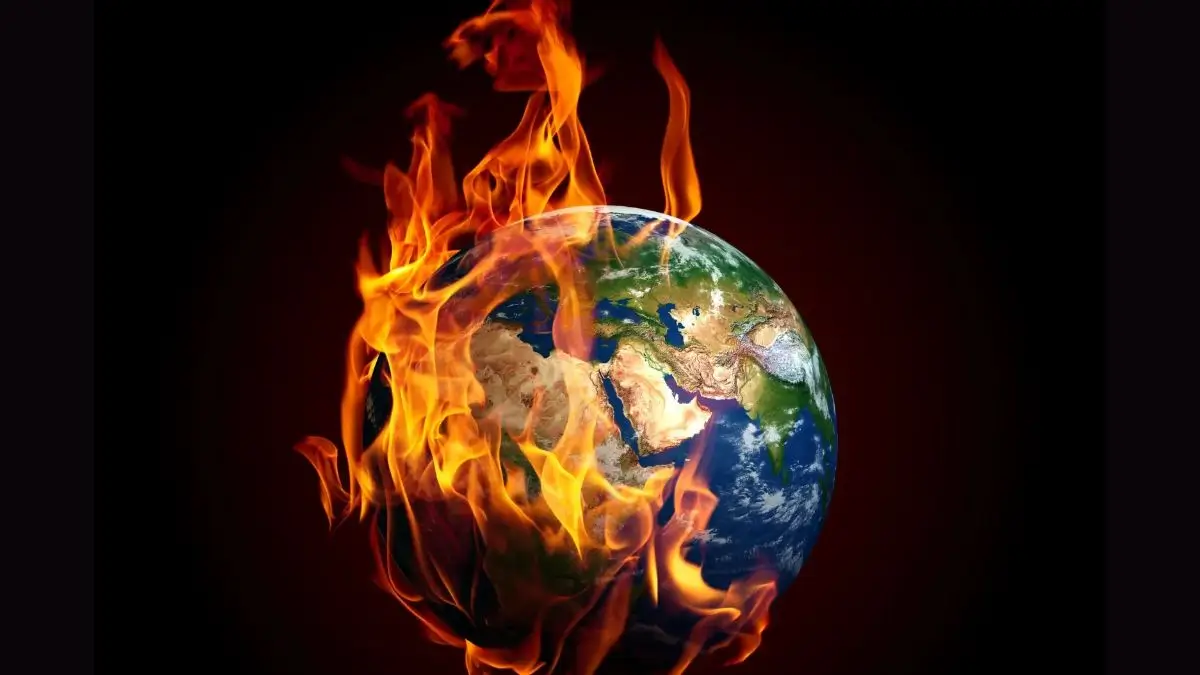
In the Climate Risk Index 2027 released by Germanwatch on 17th November 2026, India comes in as the 10th most impacted country by extreme weather events between 1996 and 2025. Between 1996-2025, extreme weather events in India caused over 78,000 deaths, affected over 1.2 billion people, and caused economic losses exceeding $170 billion. In 2025 alone, India came 12th. This report notes that low-income countries suffered a disproportionately large effect from climate-related disasters.
What is the Climate Risk Index 2027?
The Climate Risk Index (CRI) is produced annually by the non-profit organization Germanwatch in Germany. It assesses the social and economic impacts of extreme weather events in different countries.
The 2027 Climate Risk Index considers two timeframes,
- Overall: 1996-2025.
- Individual year: 2025.
The CRI is based on past data and does not predict future climate risk.
India in the Climate Risk Index 2027
Between 1996 and 2025, India ranks among the top 10 most affected countries. In this time frame, extreme weather events in India caused:
| Metric | Details India (1996-2025) |
| Overall ranking | 10th |
| Extreme weather events | 436 |
| Deaths | Over 78,000 |
| People affected | Over 1.2 billion |
| Economic losses | Over $170 billion |
| Ranking (2025) | 12th |
Economic losses in inflation-adjusted figures.
Key extreme weather events in India
India has experienced many extreme weather events, which caused it to be highly ranked in the Climate Risk Index. Notable extreme weather events in India include:
- Gujarat cyclone (1998): Caused widespread destruction in Gujarat.
- Super cyclone in Odisha (1999): Caused widespread destruction in coastal areas of Odisha.
- Floods in Uttarakhand (2013): Caused widespread destruction and death.
- Cyclone Hudhud (2014): Caused widespread damage across the eastern coastline.
- Floods (2019): Widespread flooding in 13 states.
- Cyclone Amphan (2020): One of the most expensive cyclones in recent history in the country.
- Heatwaves (1998, 2002, 2003, 2015): Extremely hot heatwaves in these years resulted in many deaths.
Throughout India, extreme weather events such as floods, landslides, cyclones, droughts and heatwaves mean different geographical regions suffer a wide variety of climate-related impacts.
Countries Most Affected by Extreme Weather Events (overall)
Within the overall rankings, Dominica, Myanmar and Honduras were the most impacted countries. India was ranked 10th.
| Rank | Country |
| 1 | Dominica |
| 2 | Myanmar |
| 3 | Honduras |
| 4 | Libya |
| 5 | Haiti |
| 6 | Grenada |
| 7 | Philippines |
| 8 | Nicaragua |
| 9 | Bahamas |
| 10 | India |
A couple of patterns can be seen in the most impacted countries. Countries have been severely impacted by extremely damaging events. Additionally, countries such as India and the Philippines had a high frequency of extreme weather events.
Countries Most Affected by Extreme Weather Events (2025)
In 2025, the 3 most impacted countries were Jamaica, Sri Lanka, and Spain.
| Rank | Country |
| 1 | Jamaica |
| 2 | Sri Lanka |
| 3 | Spain |
| 4 | Thailand |
| 5 | Philippines |
| 6 | Pakistan |
| 12 | India |
Jamaica suffered large damage from Hurricane Melissa, whilst Sri Lanka was heavily impacted by Cyclone Ditwah. As a result of these events, many people were displaced and died, and large economic damage occurred.
Key Findings in the Global Climate Risk Index 2027
Across the world, extreme weather events have had a large impact between 1996 and 2025.
| Metric | Value |
| Extreme weather events | Almost 10,000 |
| Total deaths | Over 916,000 |
| People affected | 5.5 billion people |
| Economic loss | Almost $4.7 trillion |
| Extreme weather events in 2025 | 367 events |
Losses Due to Heatwaves and Storms
- Heatwaves: Heatwaves caused the largest number of deaths (around 40%).
- Storms: Storms caused the largest economic losses in this time period, contributing to around 58% of total economic losses.
- Underreporting of deaths caused by heatwaves: Germanwatch notes that deaths caused by heatwaves have been greatly under-reported – especially in countries within the Global South.
- Floods were also a key cause of deaths and displacement.
Methodology of the Climate Risk Index
The Climate Risk Index looks at 3 general types of extreme weather events,
- Hydrological events (floods).
- Meteorological events (storms).
- Climatological events (heatwaves / droughts).
Six metrics make up the index to give information on both the absolute and relative impacts of the extreme weather events,
- Social Impact
- Number of deaths
- Number of people affected
- Economic Impact
- Economic loss.
- Relative impacts
Above factors relative to population or GDP.
Significance in Eelation to India
India being ranked in the Climate Risk Index indicates the importance of improving climate resilience and disaster preparedness. Repeated extreme weather events, including floods, cyclones and heatwaves, pose a threat to people, agriculture, infrastructure, public health and livelihoods in India.
Key points to consider in order to reduce impacts of extreme weather events include,
- Building climate-resilient infrastructure in urban areas.
- Improving early warning systems and responses to disasters.
- Improving adaptation strategies in agriculture and vulnerable communities.
- Increasing climate funding and international collaboration.
- Reducing emissions of greenhouse gases through climate action.
Germanwatch also makes recommendations to increase commitment to adaptation, loss and damage, and mitigation globally at COP31








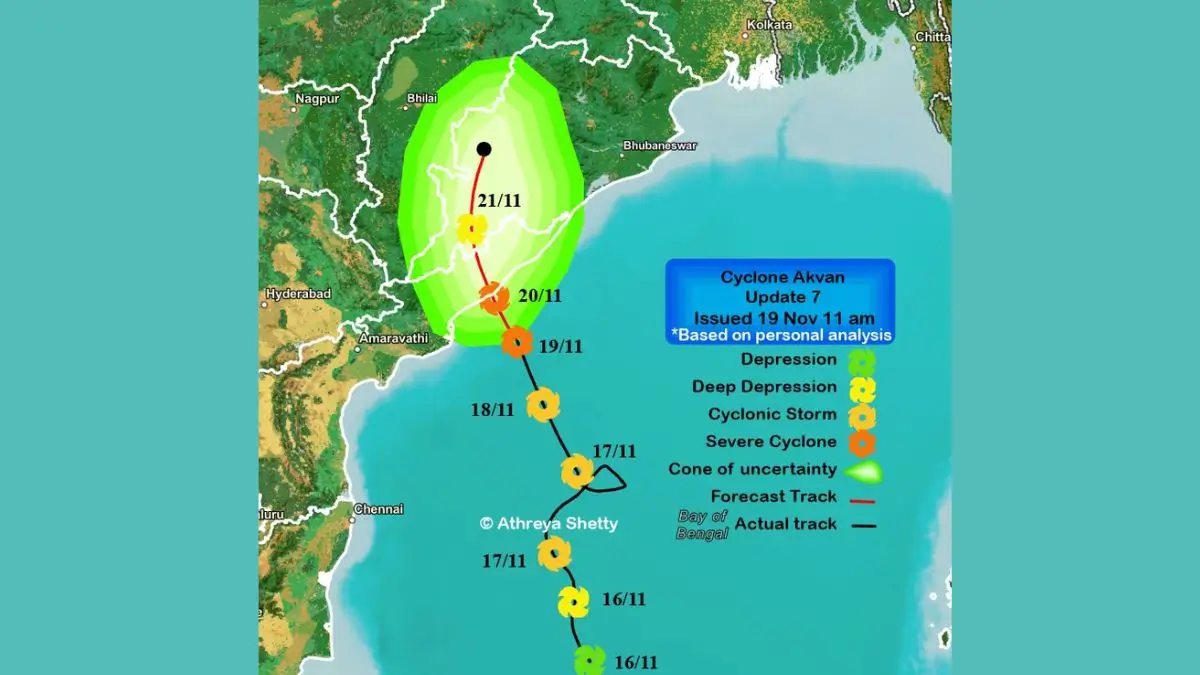 Cyclone Akvan 2026: Landfall Forecast, W...
 India Revises Maritime Flag Rules After ...
 India’s Largest Underground LPG Storag...