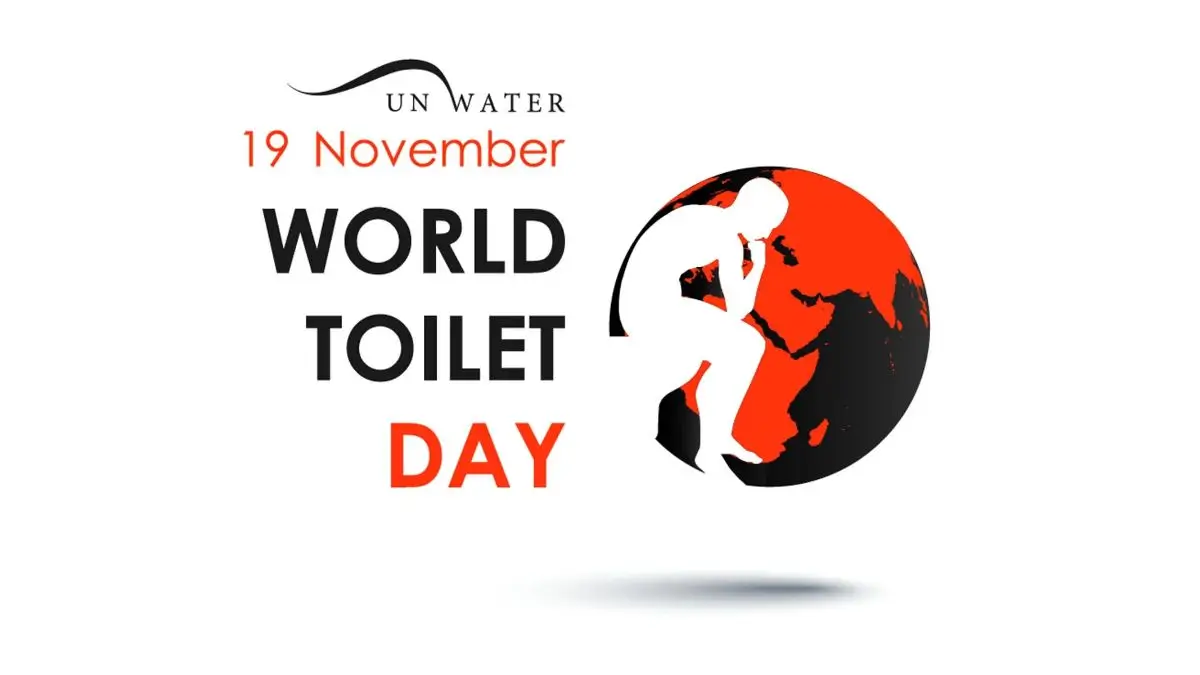
World Toilet Day 2026 takes place on the 19th November. It aims to highlight how good sanitation is important for people. The 2026 theme focuses on linking good sanitation with gender equality. Issues within sanitation can cause problems for women and girls. By improving sanitation, we can better protect people’s health, dignity, safety and equal opportunities.
World Toilet Day 2026
World Toilet Day is celebrated annually. It aims to encourage people in governments, organisations and communities to improve sanitation so that everyone can have safe sanitation. It also raises awareness of the negative effects poor sanitation can have on people’s health, social lives and the environment.
This day aids the global goals to ensure that everyone can have safe sanitation.
- Name: World Toilet Day
- Date: 19th November 2026
- Theme: Safe toilets. Equal futures.
- First Celebrated: 2001
- Officially Recognised by United Nations: 2013
- Established by: World Toilet Organisation
- Founded by: Jack Sim
- Organised by: UN-Water
World Toilet Day 2026 Theme
The theme of World Toilet Day 2026 is: ‘Safe toilets. ‘Equal futures.’
This theme focuses on how providing safe and accessible toilets can help achieve gender equality. Poor sanitation can cause health issues, vulnerability to harassment, insecurity and discrimination in women and girls.
Improving sanitation facilities for women and girls should include,
- Safe, private and accessible toilets
- Access to clean water, soap and menstrual facilities
- Better sanitation in education, workplaces and out in public
- Removing inequality within education and employment for women and girls
- Inclusive facilities for people with disabilities and other vulnerable people.
Having safe sanitation is vital for public health and allows people to participate equally in society.
History of World Toilet Day
In 2001, World Toilet Day was created by the World Toilet Organisation (WTO). This organisation was started by Jack Sim, a philanthropist from Singapore.
Key events in the history of World Toilet Day are,
| Year | Event |
| 2001 | The WTO was created by Jack Sim on the 19th November. World Toilet Day was also introduced. |
| 2007 | Supported by SuSanA (Sustainable Sanitation Alliance) |
| 2010 | The United Nations officially recognised the right to clean and safe drinking water and sanitation. |
| 2013 | The resolution ‘Sanitation for All’ was passed by the General Assembly of the UN. World Toilet Day was officially recognised. |
| 2013 onwards | World Toilet Day is coordinated by UN-Water each year with global campaigns. |
Following an initiative by the Government of Singapore and World Toilet Organisation, the United Nations officially recognised World Toilet Day in 2013. It was supported by 122 countries.
World Toilet Day 2026 and Sustainable Development Goals
World Toilet Day links sanitation to many of the Sustainable Development Goals set by the United Nations.
| SDG | Goal | Link to sanitation |
| SDG-6 | Clean Water and Sanitation | To improve equal, safe sanitation and hygienic practices for everyone. |
| SDG-3 | Good Health and Wellbeing | Reduces risk of illness due to poor sanitation and poor hygiene. |
| SDG-5 | Gender Equality | Improves safety, dignity, menstrual hygiene, and equal opportunity for women. |
| SDG-10 | Reduced inequalities | Improves inclusive sanitation for disadvantaged/vulnerable groups. |
Target 6.2 encourages adequate and equitable sanitation and hygiene for all people. It places importance on meeting the needs of women and girls and vulnerable people.
World Toilet Day 2026: Global Sanitation Issues
Though progress has been made, billions of people globally do not have access to safely managed sanitation.
According to UN-Water, using data from WHO and UNICEF in 2025, we know that,
- 3.4 billion people do not have access to safe toilets.
- 354 million people practice open defecation.
- 1.7 billion people do not have basic hygiene within their homes, including hand washing with soap and water.
- Almost one in five adolescent girls globally do not have access to basic sanitation.
This problem has a greater effect on women and girls, meaning they face difficulties in gaining education, medical care, employment and access to public spaces.
World Toilet Day in India: India’s Major Initiatives
There have been many initiatives in India to improve sanitation,
- Swachh Bharat Mission
- Swachh Bharat Mission-Urban 2.0
- Aspirational Toilets
- Technology and partnerships
- Changing behaviour and promoting good hygiene.
Significance of World Toilet Day 2026
World Toilet Day raises awareness of how important sanitation is in society. It is essential to support public health, gender equality and sustainable development.
1. Gender Equality: Providing private and safe sanitation facilities in toilets reduces the risk of women and girls being vulnerable to harassment, as well as feeling insecure/discriminated against. Providing good menstrual hygiene facilities means that women can have equal opportunities in education and employment.
2. Public Health: Providing good sanitation reduces exposure to human waste and pathogens. Therefore, reducing the likelihood of illness.
3. Dignity: Providing clean and working sanitation facilities means people can have their privacy respected, maintain dignity, and feel safe. This is especially important for those without adequate sanitation.
4. Education and Employment: Having accessible toilets in schools/employment settings means girls can more easily attend school and women can have equal opportunities in employment.
5. Inclusive Facilities: Toilets should be accessible to children, elderly people, people with disabilities and people of different genders.
6. Sustainable Development: Improving sanitation facilities helps the environment due to efficient waste water disposal. It improves waste management meaning healthier communities.








 International Men's Day 2026: Date, Hist...
 Indira Gandhi Birth Anniversary 2026: Ea...
 Naturopathy Day 2026: Date, Theme, Signi...