GIFT City Becomes India’s First MCR2030 Resilience Hub Recognised by UNDRR

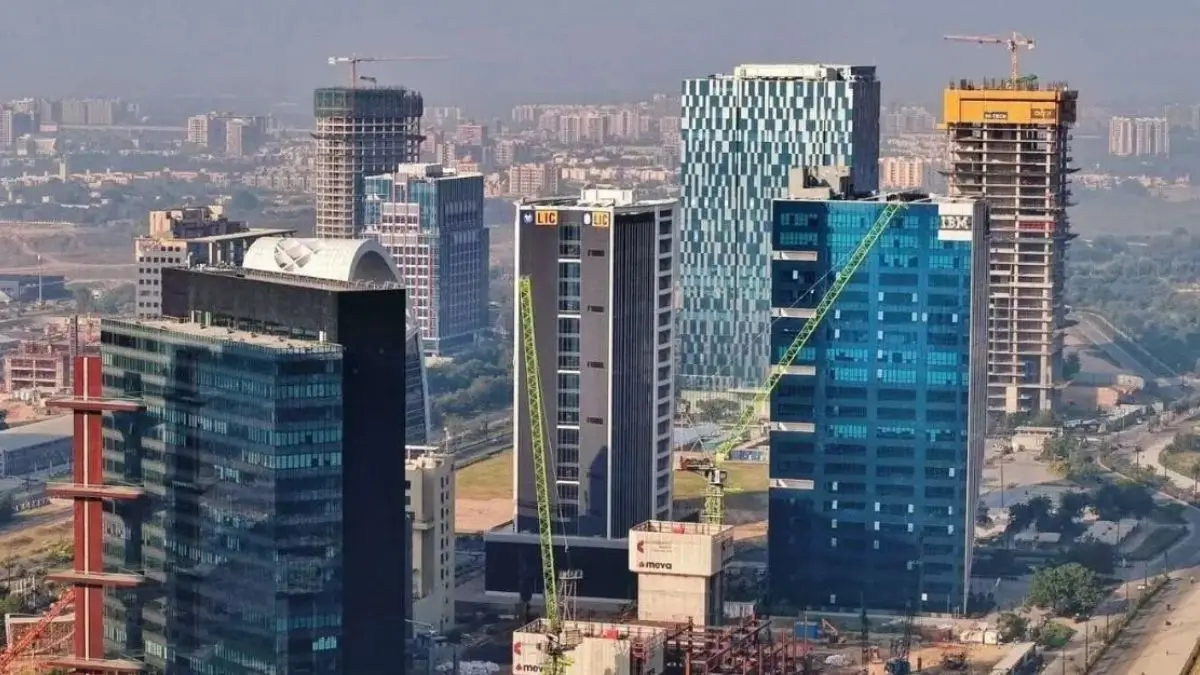
Gujarat International Finance Tec-City (GIFT City) has been designated as India’s first Making Cities Resilient 2030 (MCR2030) Resilience Hub by UNDRR Asia-Pacific. This acknowledges the work that GIFT City in Gujarat is undertaking to increase preparedness to disasters, reduce urban risk, and ensure critical services. GIFT City joined MCR2030 in July 2022 and has created a resilience pathway using risk assessments and emergency response measures.

What is Making Cities Resilient 2030 (MCR2030)?

Making Cities Resilient 2030 (MCR2030) is a global initiative, managed by UNDRR, aiming to create inclusive, safe, resilient and sustainable cities by 2030.

Support is given to local governments in order to create resilient cities. This includes support, collaboration, knowledge-sharing and creating a resilience pathway.

Some of the Objectives,

Contribute to a more sustainable future by supporting,

  • Sustainable Development Goal 11: Sustainable Cities and Communities.
  • Sendai Framework for disaster risk reduction.
  • Paris Agreement relating to climate change.
  • New Urban Agenda for sustainable urban development.

What is a Resilience Hub?

Resilience Hubs are local authorities that demonstrate best practices in reducing disaster risk within cities.

They support other cities in increasing disaster preparedness through,

  • Knowledge sharing.
  • Technical support and capacity building.
  • Collaboration between cities.
  • Support to local governments in developing disaster risk reduction strategies.

Hubs can be designated for 3 years initially (under UNDRR guidelines), and may be renewed.

Three Stages of Resilience Pathway

There are 3 stages in the MCR2030 resilience pathway to support cities in becoming more resilient to disaster risk.

Stage Stage Title Focus
A Cities Know Better Raise awareness of risk and resilience
B Cities Plan Better Risk assessment and strategy development
C Cities Implement Better Implementation of disaster risk reduction plans and building resilience

As cities meet targets within each stage of the pathway, they will move through the stages.

GIFT City’s Resilience Journey

GIFT City has joined MCR2030 in July 2022 with support from the Gujarat Institute of Disaster Management (GIDM). Guidance was received from UNDRR.

Key achievements

Date/Period Achievement
July 2022 Joined MCR2030
June 2023 Detailed disaster resilience scorecard undertaken
March 2024 Resilience Action Plan completed
November 2026 Designated as India’s first MCR2030 Resilience Hub

GIFT City has completed Stage A and B of the Resilience pathway and are in progression of Stage C. GIFT City is currently implementing its Resilience Action Plan.

Disaster Resilience Measures

GIFT City has put in place measures to manage disaster risk at various scales within the city.

1. Disaster management plans

  • Disaster management plans for the city, buildings and utilities.
  • Crisis Management Team.
  • Incident Response System.
  • Designated managers for disaster management.

2. Simulations and emergency equipment

  • Over 15 simulations have been carried out.
  • Simulations have covered earthquakes, fire and other incidents.
  • There is a specific store for disaster management, containing over 36 types of equipment to deal with emergencies.

3. Early warning systems

  • GIFT City receives information from a variety of sources, to understand potential hazards and issue warnings. Information comes from sources such as:

Weather forecasts from the India Meteorological Department.

SACHET warning system from National Disaster Management Authority.

  • Earthquakes.
  • Local weather station data.

Warnings and precautionary measures are delivered to individuals via building and utility managers, and disaster risk reduction volunteers.

About GIFT City, Gujarat

Gujarat International Finance Tec-City is a special economic zone in Gujarat, located between Ahmedabad and Gandhinagar.

Key information,

  • Gujarat International Finance Tec-City (GIFT City).
  • Gandhinagar District, Gujarat.
  • First fully functioning ‘greenfield’ smart city in India and International Financial Services Centre (IFSC).
  • Key organisation: International Financial Services Centres Authority (IFSCA).
  • Purpose: Create an International financial and technological service centre.

The IFSC operates in accordance to regulations set by IFSCA, as established by the IFSCA Act 2019.

Cambridge Dictionary Word of the Year 2026: ‘Human’ Highlights Growing Concerns Over Artificial Intelligence

‘Human’ has been named the 2026 Word of the Year by Cambridge Dictionary. This highlights the increasing discussion around AI and its impact on humans. As AI systems are becoming able to perform writing, logical reasoning, teaching and decision-making tasks, there is increased discussion around human identity and the limitations of intelligence within machines. This word shows an increased emphasis on what makes humans different to machines.

Meaning of ‘Human’

Having human-like characteristics, including flaws and emotions.

This adjective comes from the Latin word ‘Human’. It has been used in English since the 1450s.

Reason for Being Named Word of the Year

As AI is being increasingly used in fields such as education, research, communication and creativity, questions are being raised about how much we should depend on AI.

Concerns around over-relying on AI to perform cognitive functions for us, have caused people to reflect on what we might be losing as reliance on technology increases, says Colin McIntosh, lexicographer at Cambridge.

Some of the Discussion Points,

  • Can AI be creative in the same way humans can?
  • What differentiates human intelligence from AI?
  • How much decision-making should we delegate to machines?
  • What human characteristics should be prioritized within education, work and society?

Phrases such as ‘human-made’ and ‘human-written’ are increasingly used to show that something was made by humans, rather than AI.

Reaction from Bill Gates

Bill Gates, co-founder of Microsoft, supports this word being selected as the Word of the Year. He says that AI is causing people to really consider what it means to be human.

Although Bill Gates recognizes the benefits of AI in improving healthcare, education and quality of life, he stresses that the success of AI must be measured based on how it improves people’s lives.

This demonstrates the importance of prioritizing people’s wellbeing in technology.

Other Possible Words for 2026

Other words were put forward for consideration by Cambridge Dictionary,

Word Meaning
Agent An AI capable of making decisions with little or no human intervention.
Analogue Experiences/objects without internet/digital interaction.
Wholesome Something that is beneficial to physical, moral or emotional wellbeing.
Dusking The act of watching daylight change to darkness, often seen as a relaxing activity.

Words put forward for consideration demonstrate both increased digitalization of life, and an interest in prioritizing human experiences and interactions with nature.

Words Related to AI in Previous Years

Many words related to AI have been selected as Word of the Year by major dictionaries in recent years.

Year Dictionary Word Reason
2023 Collins Dictionary AI AI is becoming increasingly influential.
2023 Cambridge Dictionary Hallucinate False or made-up information within AI.
2025 Merriam-Webster Slop Poor quality, often AI-generated, content.
2025 Collins Dictionary Vibe coding Using AI with natural language prompts to create software.
2026 Cambridge Dictionary Human Increased emphasis on human characteristics and identity with growing AI.

These words highlight how dictionaries reflect changes in society and technology through changes in language.

Quad Summit 2026: Five Initiatives to Strengthen Indo-Pacific Cooperation

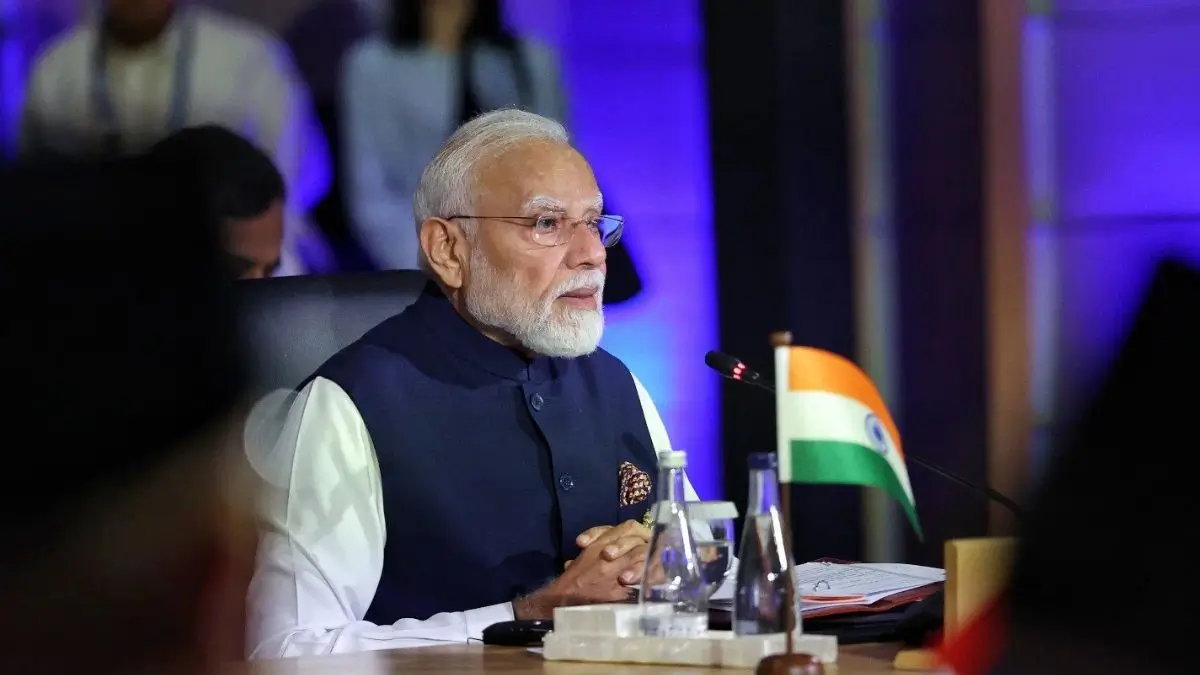
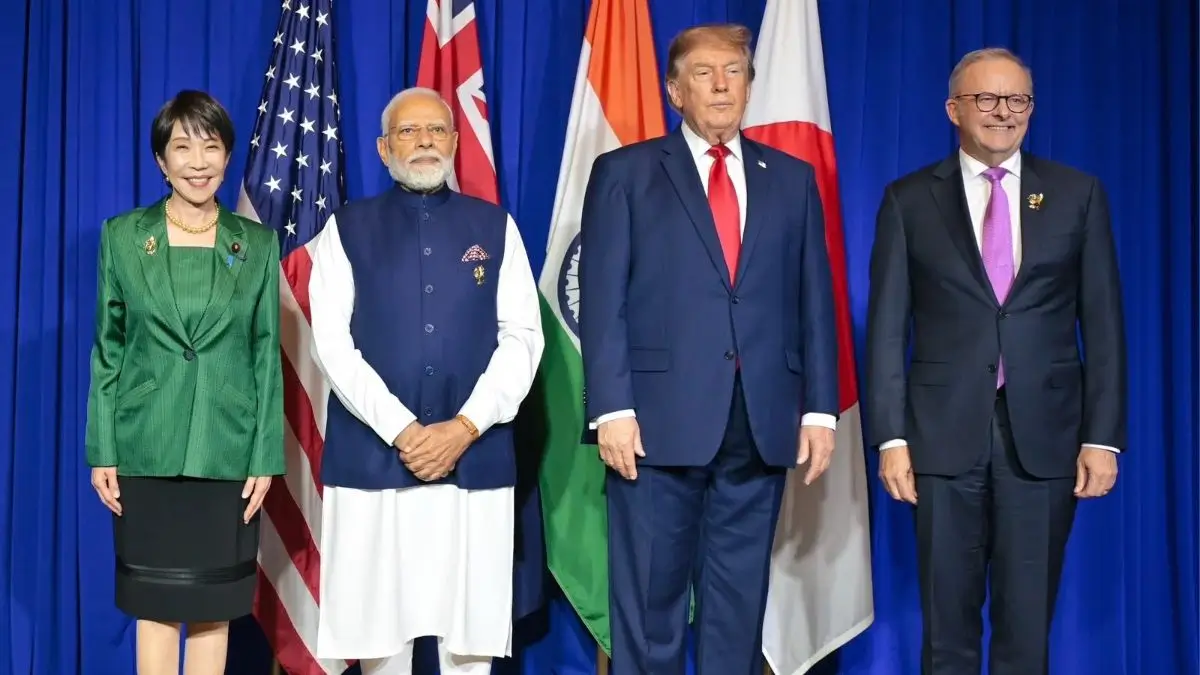
The 7th Quad Leaders’ Summit took place in Manila, Philippines on 17th November 2026. There were 5 major outcomes from the meeting between PM Narendra Modi (India), President Donald Trump (US), PM Anthony Albanese (Australia) and PM Sanae Takaichi (Japan). A major outcome was that the inaugural Quad Business Leaders’ Forum will take place in Mumbai in early 2027. This new initiative was proposed by India to promote trade partnerships between the four countries.

5 Major Outcomes of QUAD Summit 2026

Economic Partnerships, Combating Terrorism, Maritime Security, Resilient Infrastructure and Cybersecurity.

Outcome Objective
Quad Business Leaders’ Forum Promote trade and investment between the 4 nations
Combating Terrorism Improve co-operation between nations in order to combat terrorism and violent extremism.
Improving Maritime Security in Indo-Pacific Improve maritime domain awareness through joint aerial observation and information sharing.
Cable Infrastructure Resilience Partnership Improve communications and electricity cable infrastructure.
Improved Cybersecurity Co-operation Tackle increasing cybersecurity challenges in order to create a safe, open cyber domain.

1. Quad Business Leaders’ Forum

The inaugural Quad Business Leaders’ Forum is set to be hosted in the Mumbai in early 2027. This will include business leaders, government leaders and experts from India, the US, Australia and Japan.

Objectives,

  • Promote business partnerships between Quad members.
  • Encourage trade deals, trade and investment.
  • Create reliable and diverse supply chains.
  • Encourage collaboration on critical minerals and manufacturing.

PM Narendra Modi noted that through collaboration with Australia (mining), Japan (recycling), the US and India (manufacturing), strong supply chains of critical minerals can be created.

2. Combating Terrorism

All forms of terrorism and violent extremism, including transnational terrorism, are condemned by the four leaders.

Commitment has been made to improve and strengthen current co-operation in combating terrorism threats, and improve security in the region.

3. Improving Maritime Security in Indo-Pacific

This initiative aims to improve Maritime Domain Awareness (MDA) through joint aerial observation and information-sharing.

Features,

  • Improved monitoring of maritime activity in the Indo-Pacific.
  • Improved information sharing between Quad members.
  • Joint operations of maritime patrol planes.
  • A joint maritime exercise to occur in 2027 using P-8 and P-3C patrol planes.

This initiative aims to improve maritime security and create safer maritime routes in the region.

4. Cable Infrastructure Resilience Partnership

This initiative will improve regional connectivity by improving collaboration on creating and maintaining cable infrastructure.

Includes,

  • Reliable and secure telecommunications cables across oceans.
  • Electricity cable infrastructure.
  • Improved energy security within the region.
  • Improved digital connectivity in the Indo-Pacific.

Australia has increased its contribution to this project, notably around electricity cabling. Also, new submarine cable projects are set to take place in the Indian Ocean.

5. Improved Cybersecurity Co-operation

There are increasing numbers of cyber incidents within the region.

This improved co-operation aims to,

  • Improve group response to cyber threats.
  • Improve collaboration between the 4 nations.
  • Create a secure, safe and resilient cyber domain.
  • To create a safe digital space for people and businesses.

Other Key Points from the Manila Summit

In addition to the 5 outcomes, commitment to a Free and Open Indo-Pacific (FOIP) was reiterated. The leaders also discussed security, resilience and emerging technologies within the region.

Key Points,

  1. Critical Supply Chains: Commitment was given to strengthen the supply chains. Economic coercion, such as arbitrary export bans and it must be addressed.
  2. Freedom of Navigation: Commitment was reiterated to protect freedom of navigation and overflight.
  3. Emerging Technologies: Support was given for collaboration on trustworthy AI and other emerging technologies.
  4. Disaster Response: Commitment was reiterated to work together to deliver life-saving humanitarian aid and disaster relief.
  5. ASEAN Centrality: Commitment given to support ASEAN unity and centrality in regional architecture.

What is the Quad?

The Quad is an international strategic forum formed from 4 nations: India, the US, Japan and Australia. The Quad aims to work collaboratively on issues in the Indo-Pacific region. These include maritime security, economic stability, critical and emerging technologies, infrastructure, health and disaster relief.

  • Full Name: Quadrilateral Security Dialogue
  • Countries Included: India, United States, Japan, Australia
  • Type: Strategic diplomatic forum
  • General Purpose: Ensure a free, open, peaceful and prosperous Indo Pacific region.
  • Topics: Maritime security, critical technologies, infrastructure, economic collaboration, disaster relief.
  • 2026 Meeting Location: Manila, Philippines
  • Date of Meeting: 17th November 2026

Voyager 1 Nears One Light-Day from Earth: Meaning, Distance and Key Facts

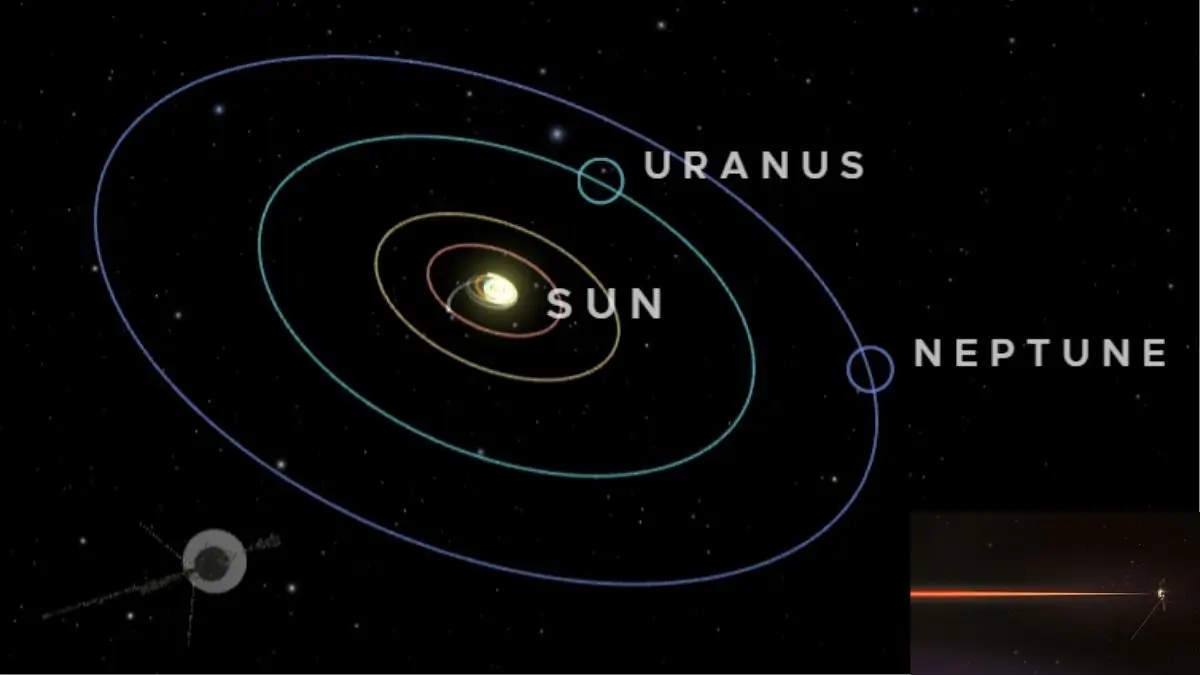
On 18 November 2026, Voyager 1 will travel one light-day from the Earth. Launched in 1977, this makes Voyager 1 the first artificial object to travel this far in space, 49 years after launch. One light day equals the distance light can travel in one day. Therefore, it is equal to approximately 25.9 billion km. If a signal is sent from Earth to Voyager 1 it will take just under a day. It will then take a further 24 hours for a signal to be sent back. This means that there is a delay of almost 2 days between sending a signal and receiving a reply from Voyager 1.

Key facts About the Mission

  • Name of probe: Voyager 1
  • Agency: National Aeronautics and Space Administration (NASA)
  • Launch date: 5th September 1977
  • Launch site: Cape Canaveral, Florida, USA
  • Launch Vehicle: Titan IIIE-Centaur
  • Planned For: Jupiter and Saturn
  • Mission managed by: NASA’s Jet Propulsion Laboratory (JPL)
  • Current mission: Voyager Interstellar Mission
  • Power source: Radioisotope Thermoelectric Generator (RTG)
  • Key Fact: First artificial object to reach one light-day from Earth.

What is one light day?

One light day is a measure of distance in space. It indicates how far light can travel in 24 hours.

As light can travel at 299,792km/s, one light day is approximately equal to 25.9 billion km.

Distances in space

Distance (from Earth) Time light takes to reach
Moon 1.3 seconds
Sun 8min 20s
Mars 3- 22 min
Neptune 4 h 10 min
Voyager 1 (at one light day) 24 hours

Note: These are approximations. Distance from Earth to Mars can vary depending on where each planet is in its orbit.

Significance of the Mission

When Voyager 1 has reached one light day from Earth,

  • A signal sent from Earth will take approximately 24 hours.
  • A reply will take a further 24 hours.
  • Therefore, in total a communication with Voyager 1 may take up to 48 hours.
  • Scientists must take this communication delay into consideration when controlling the spacecraft.

Note: Reaching one light-day from Earth is a distance, not the time taken for Voyager 1 to reach this point.

Voyager 1 and Voyager 2

Two identical probes were launched by NASA in 1977. They were sent to explore the outer planets.

Interestingly, Voyager 2 was launched before Voyager 1. It was launched on the 20th August 1977, whereas Voyager 1 was launched on 5th September 1977. Despite being launched later, Voyager 1 had the prefix ‘1’, as it was expected to reach Jupiter and Saturn before its twin.

Due to a rare alignment of planets, the gravity of one planet could be used to propel the spacecraft to another.

Comparison Between Voyager 1 and 2

Feature Voyager 1 Voyager 2
Launched 5th September 1977 20th August 1977
Jupiter encounter 5th March 1979 9th July 1979
Saturn encounter 12th November 1980 25th August 1981
Uranus encounter N/A 24th January 1986
Neptune encounter N/A 25th August 1989
Interstellar Space August 2012 November 2018
One light-day 18th November 2026 Expected November 2035

About Gravitational Slingshot

  • A gravitational slingshot, or gravity assist, is when the spacecraft uses the gravitational pull and movement of a planet to increase speed or change direction.
  • This allows spacecraft to be sent to very far places in space with less fuel.
  • Voyager 1 and 2 used gravitational slingshots during their missions. Voyager 2 was the first (and only) spacecraft to visit Uranus and Neptune.

Voyager 1 in Interstellar Space

  • On 25 August 2012, Voyager 1 became the first artificial object to leave the Solar System by passing through the heliopause.
  • Its twin passed into interstellar space on November 2018.

What is the Heliosphere?

  • The heliosphere is a large protective bubble formed by the solar wind and magnetic field of the sun.
  • The outer edge of the heliosphere is called the heliopause. This is where pressure from the solar wind outward is balanced with pressure from the interstellar medium.
  • Once past the heliopause, spacecraft are said to be in interstellar space. However, this does not mean they are entirely out of the solar system.

What is the Oort Cloud?

  • Beyond the known solar system lies the Oort Cloud. It is thought to consist of billions of icy objects and is considered to be the source of many long-period comets.
  • According to data from NASA, provided in the report, Voyager 1 may reach the edge of the Oort Cloud in approx 300 years.
  • However, passing through the Oort Cloud may take approximately 30,000 years.
  • So Voyager 1 is currently in interstellar space, but has not yet passed the Oort Cloud.

Why is Voyager 1 still working after nearly 50 years?

Originally, Voyager 1 was intended to work for 5 years however, it has now been operating for nearly 50 years. This is due to careful engineering, reprogramming and power saving by engineers at NASA.

1. Radioisotope Thermoelectric Generators (RTG)

  • Voyager 1 has 3 RTGs. Plutonium-238 decays and emits heat. This heat is converted into electricity.
  • However, the amount of electricity generated by Voyager 1 reduces yearly by 4W, as the radioactive material decays.

2. Power Saving

  • Many non-essential parts, heating elements and scientific equipment have been turned off to allow Voyager 1 to last as long as possible.
  • In October 2026, it was announced that adjustments were made to help Voyager 1 save energy, meaning that its scientific equipment will last longer.

3. Remote Reprogramming

  • Commands can be sent from Earth to Voyager 1. This enables engineers to make changes to Voyager 1, in order to carefully manage its limited resources.

Deep Space Network (DSN)

The Deep Space Network allows communication with spacecraft in deep space. It is a network of large radio telescopes operated by NASA across the globe. There are 3 sites,

Goldstone (USA)

  • Based in California.

Canberra (Australia)

  • Based in the Australian Capital Territory.

Madrid (Spain)

  • Near to Madrid.

The sites are located around 120 degrees apart in terms of longitude. This allows NASA to communicate with far-off spacecraft as Earth turns.

Data and telemetry is received from spacecraft, and commands from mission control are sent using the DSN.

Golden Record

Both Voyager spacecraft have a ‘Golden Record’. This is a 12-inch gold-plated copper disc containing information about Earth and civilization to send to alien life if found.

Within the record, there is,

  • Greetings in fifty-five languages
  • Sounds from Earth (natural and man-made)
  • 90 minutes of music
  • 115 pictures showing life and civilization on Earth
  • Messages from world leaders

This Golden Record was meant to be a message from humanity to the universe.

Key points of Voyager 1

Year Wise Timeline

  • 1977: Launched
  • 1979: Jupiter fly-by
  • 1980: Saturn fly-by
  • 1998: Farthest artificial object in space, surpassing Pioneer 10
  • 2012: Enter interstellar space
  • 2018: Voyager 2 enters interstellar space.
  • 2026: Will be one light-day away from Earth.
  • 2035: Voyager 2 is expected to be one light-day away from Earth.

India-ASEAN Summit 2026: PM Modi Proposes Free E-Visas, Maritime Cooperation Plan and Youth Connect

To boost cooperation in areas such as connectivity, security, tourism, education, and technology between India and ASEAN, Prime Minister Narendra Modi announced 9 new initiatives during the 23 rd ASEAN – India Summit in Manila, Philippines, on 17 th November 2026. This includes e-visas being offered to ASEAN tourists, a long-term Maritime Cooperation plan, technical cooperation in nuclear energy, cooperation in critical minerals, and a joint cyber forensics training initiative. Additionally, initiatives include youth cooperation, increased scholarships, space technology cooperation and creative industry cooperation.

Key Announcements of PM Modi at ASEAN Summit 2026

There were several important announcements regarding cooperation in maritime, technology, energy, education, tourism and people-to-people relations, to enhance the Comprehensive Strategic Partnership between India and ASEAN.

Sr. No Initiative Details
1 Maritime Cooperation Long-term cooperation on connectivity, scientific development, disaster management, Coast Guard cooperation, maritime domain awareness and seafarer safety.
2 Cyber Forensics Training Initiative Training and development in cyber forensics.
3 Technical Cooperation in the Nuclear Energy Technical cooperation and knowledge sharing in nuclear energy.
4 Space Hackathon To boost innovation and collaboration in space technology.
5 Cooperation in Mining and Critical Minerals Increased cooperation in mining and critical mineral supply chains
6 Youth Connect Youth summit, young parliamentarians’ exchanges and start-up hackathons.
7 Scholarships in Nalanda University Increased scholarship opportunities for students from ASEAN countries.
8 Creative Industry Partnership in WAVES 2027 Creation of an ASEAN-India Creative Partnership Pavilion in the World Audio Visual and Entertainment Summit.
9 Free E-Visas for ASEAN Tourists Free e-visas for tourist in ASEAN member countries.

Maritime Cooperation

By developing a Maritime Cooperation plan with ASEAN, India is improving regional cooperation.

This will improve cooperation in,

  • Connectivity and science in maritime.
  • Disaster management.
  • Cooperation between maritime Coast Guard forces.
  • Maritime domain awareness (MDA).
  • Safety and security of seafarers.

Maritime cooperation is very important in this area as many vital sea routes run through India and ASEAN member states. In addition, it is in the common interest for India and ASEAN to have secure, stable and open Indo-Pacific regions.

Development in Technology and Critical Minerals

Several of these initiatives recognize the rising importance of technology and strategic resources in the India-ASEAN relationship.

  • Cyber forensics: Joint training in cyber forensics will increase capacity within the region to combat cyber crimes and threats.
  • Nuclear energy: Technical cooperation will enable knowledge sharing in nuclear energy.
  • Space technology: A space hacking initiative will encourage innovation and collaboration in students, researchers and professionals.
  • Critical minerals: Cooperation in Mining will improve access to key resources for clean energy, electronics and advanced technologies.

People-to-People Cooperation

ASEAN-India Youth Connect will improve people-to-people cooperation in India and ASEAN by holding youth summits, young parliamentarians’ exchanges and start-up hackathons.

Additionally, there are increases in the following areas,

  • Scholarships for ASEAN students at Nalanda University.
  • Creation of a creative partnership pavilion between ASEAN and India at the World Audio Visual and Entertainment Summit (WAVES 2027).
  • Cultural cooperation and creative industries through media and entertainment.
  • Improved tourism via free e-visas for ASEAN tourists.

Overall, these initiatives aim to increase education, culture, and economic cooperation between India and Southeast Asian countries.

What is ASEAN?

ASEAN stands for Association of Southeast Asian Nations. It was formed on 8th August 1967 under the Bangkok Declaration, and aims to improve economic growth, stability, political cooperation, and socio-cultural development across Southeast Asia.

Initially formed by 5 countries (Indonesia, Malaysia, the Philippines, Singapore and Thailand), ASEAN now has 11 members following the admission of Timor-Leste in October 2025.

India Win 10th SAFF Championship Title, Defeat Pakistan 2–1 in Final

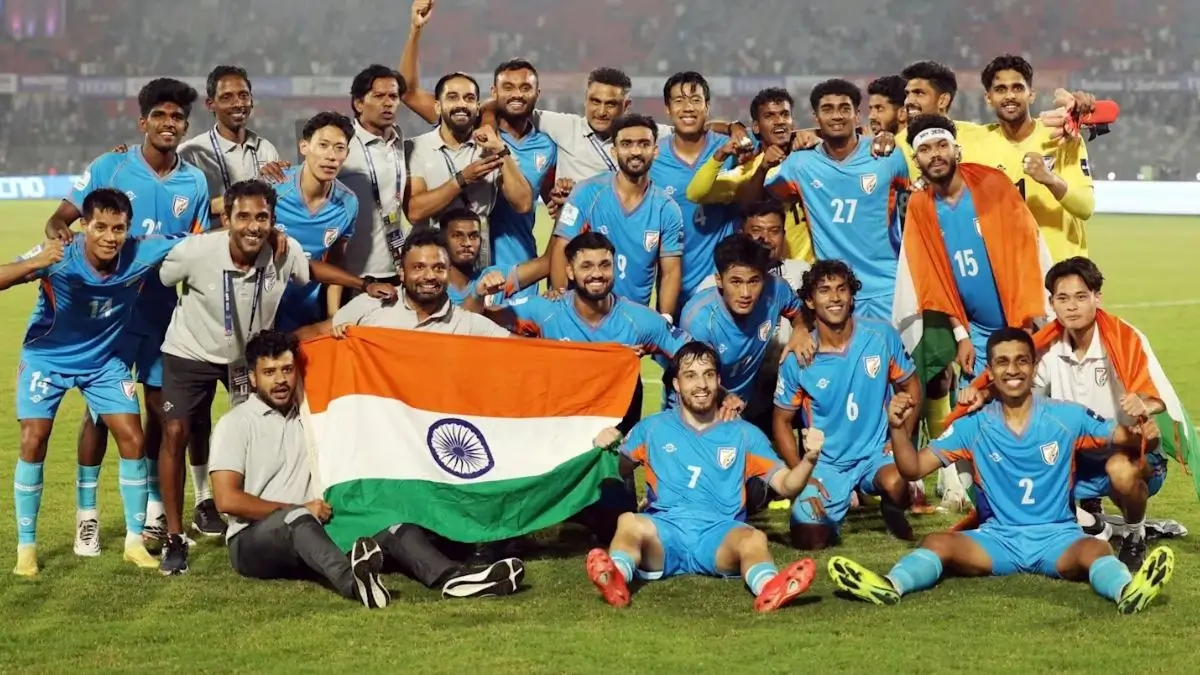
India defeated Pakistan 2-1 in the final of the SAFF Championship 2026 to win the SAFF regional football championship for the 10th time. After Alamgir Ghazi scored for Pakistan in the 45 + 1 st minute of the first half, India scored twice in the second half with goals from Suhail Ahmad Bhat and Sandip Mandi. Junaid Shah was sent off for Pakistan and India made the most of being a man up to come back and win.

SAFF Championship 2026 Final

On 17 th November 2026, India, managed by Naushad Moosa, came from behind to beat Pakistan in the final of SAFF Championship 2026. This means India have now won 3 times in a row at the SAFF Championship. They are also the first team to achieve this.

Match Summary

Score

  • India: 2
  • Pakistan: 1

Match Timeline

Player Team Minute
Alamgir Ghazi Pakistan 45 + 1′
Suhail Ahmad Bhat India 60′
Sandip Mandi India 88′

How India Won the Final

First half

  • Pakistan had a strong start to the match. They created many chances and scored early in stoppage time in the first half. Alamgir Ghazi scored with a curled shot from the right foot to give Pakistan a 1-0 lead going into half-time.

Second Half

Turning point

  • Junaid Shah was sent off to the dressing room directly in the 59th minute due to a dangerous challenge on Brison Fernandes. The decision was made after a VAR check.

Taking Advantage

  • India made the most out of being a man up. Suhail Ahmad Bhat equalized for India in the 60th minute. Khaiminthang Lhungdim played the ball into the box, and Macarton Nickson touched the ball to Suhail, who scored.

88th Minute

  • As extra time was about to begin, Abdul Rabeeh took a corner for India. Sandip Mandi, an Indian defender, jumped high above the Pakistani defenders to head the ball into the net.

Result of the Match

  • This meant India won the game 2-1 and won their 10th SAFF Championship.

Achievements of India in SAFF

India have the most amount of wins in the SAFF Championship.

  • 10th win: In 2026, India won their 10th SAFF Championship.
  • Three in a Row: India are the first team to win 3 SAFF Championships in a row.
  • India v Pakistan: For the first time ever, India and Pakistan faced each other in the SAFF Championship final.
  • Pakistan’s First Final: Pakistan made it to their first-ever final in this competition. However, they lost to India, meaning they were runners-up.
  • Managerial Achievement: Naushad Moosa won the competition with his team.

What is the SAFF Championship?

The SAFF Championship is the main men’s International Football competition run by the South Asian Football Federation. National football teams from South Asia in this competition. It determines the winner of the region.

  • Competition: SAFF Championship
  • Organisers: South Asian Football Federation (SAFF)
  • Sport: Football
  • 2026 Competition: 15th Competition
  • Country: Bangladesh
  • Venue (final): National Stadium, Dhaka
  • Date (final): 17th November 2026
  • Winner: India
  • Runners-up: Pakistan
  • Score (final): India 2-1 Pakistan
  • Total Wins (India): 10
  • Achievement (India): First team to have 3 wins in a row

Earthshot Prize 2026 Winners: Full List, Categories and Prize Money

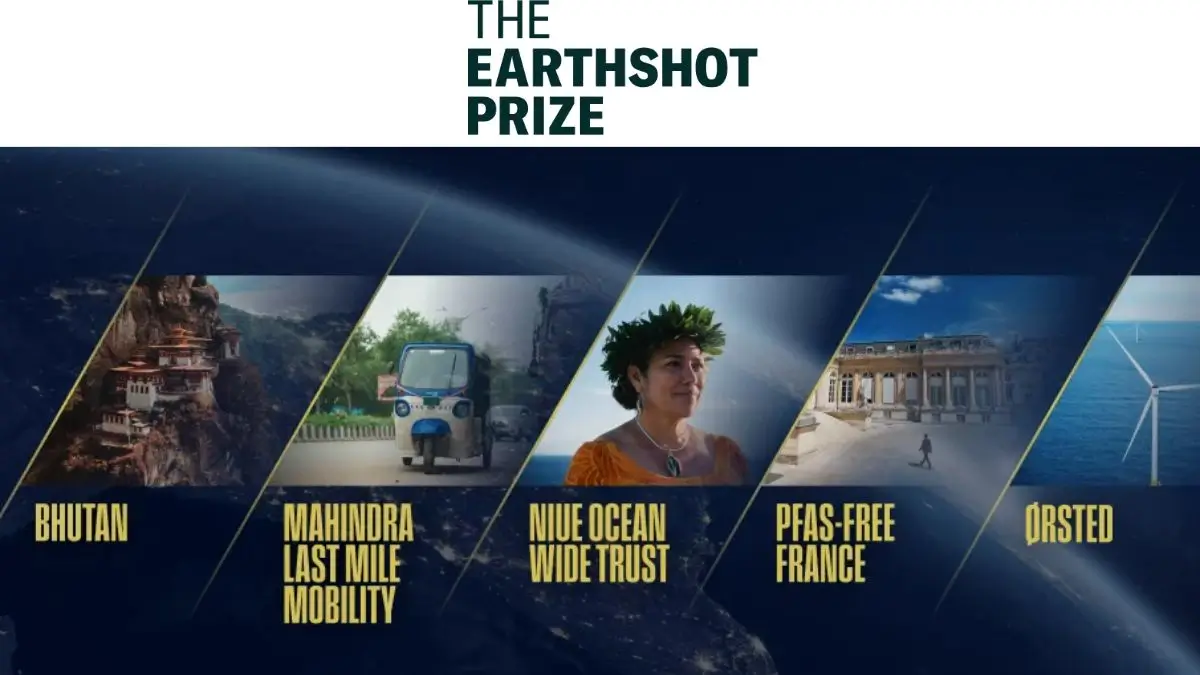
Five winners have been named in the Earthshot Prize 2026, from Bhutan, India, Niue, France and Denmark. They have worked to conserve nature, clean the air, protect oceans, reduce waste and combat climate change. Each winner receives a prize of £1 million and support from a global network of businesses in order to scale their environmental impact. This is the sixth year of the Earthshot Prize.

Earthshot Prize winners 2026 Full List

The five winners have been chosen from a list of 15 finalists in each category.

Category Winner Country Solution
Protect and Restore Nature Bhutan Bhutan Protecting forests and water in the Himalayas
Clean our air Mahindra Last Mile Mobility India Electric vehicles and cleaner transport in urban areas
Revive our oceans Niue Ocean Wide Trust Niue Secure long term funding for ocean conservation
Build a waste free future PFAS-Free France France Campaign to limit harmful PFAS
Fix our climate Ørsted Denmark Shift to using renewable energy and offshore wind energy

Winners By Each cCategory

1. Bhutan (Protect and Restore Nature)

  • Bhutan has received recognition for protecting forest environments and water sources within the Himalayas to improve water security for around 1.6 billion people across South Asia.
  • By working within Restore Bhutan (a national coalition to protect nature), Bhutan aims to restore 50,000 areas of degraded land by 2030. This will result in almost 2 million tonnes less CO₂ in the atmosphere and protection of 133 billion liters of water.

2. Mahindra Last Mile Mobility (Clean our air)

  • Mahindra Last Mile Mobility from India has won this category for increasing the availability of electric vehicles, specifically electric 3-wheelers.
  • The company has sold over 400,000 electric Rickshaws. By 2030, they aim to have 1 million electric vehicles on Indian roads, promoting the use of electric vehicles for shorter distances in urban areas.
  • With support from the Prize, electric Rickshaws will be increased in urban areas in Mumbai, Ahmedabad, Bengaluru and Delhi. This includes improving the charging infrastructure and overcoming issues with parking and policy.

3. Niue Ocean Wide Trust (Revive our oceans)

  • The Niue Ocean Wide Trust has been awarded in this category for creating a novel funding method for ocean conservation in Niue.
  • Despite having only a population of around 1,700 people, Niue is protecting more ocean than the UK. It has increased the number of fish in this area by 60% thanks to this conservation project.
  • The Trust aims to raise $10m by 2028 to reach its goal of creating a permanent fund of $18 million to protect oceans in the long term.

4. PFAS-Free France (Build a waste-free future)

  • PFAS-Free France has won this category for creating a national bipartisan campaign to limit the use of Forever Chemicals (PFAS).
  • PFAS (Per- and polyfluoroalkyl substances) are a large group of man-made chemicals. Due to this campaign, legislation in France was passed in 2025 to limit the use of many PFAS.
  • By 2030, this project aims to fully implement the legislation in France and encourage similar PFAS limits in 5 other large countries/regions.

5. Ørsted (Fix our climate)

  • Energy company Ørsted, based in Denmark, has won this category for shifting from being one of the most coal-heavy energy companies in Europe to a global leader in offshore wind energy.
  • They have reduced direct carbon emissions by over 98% and aim to complete new projects to create 8.1GW of offshore wind energy by 2030.
  • This, including the Hornsea 3 offshore wind farms in the UK, will power 17 million extra homes and reduce CO₂ emissions by over 28 million tonnes per year.

What is the Earthshot Prize?

Earthshot Prize is a global award set up by Prince William in 2020 to find, support and develop innovative solutions to some of the world’s biggest environmental challenges.

The Prize focuses on 5 environmental goals. It aims to incentivize solutions to help heal our planet by 2030.

The 5 goals are,

  • Protect and Restore Nature – Protect and restore natural environments.
  • Clean our air – Improve air quality.
  • Revive our oceans – Protect and restore oceanic environments.
  • Build a waste-free future – Reduce waste and create sustainable consumption and production.
  • Fix our climate – Reduce climate change through clean energy.

Each year, 15 finalists are chosen for each category. 5 winning entries receive £1million. All finalists benefit from a global network of businesses, investors, philanthropists and environmental organizations.

Naturopathy Day 2026: Date, Theme, Significance and Key Initiatives

The Ministry of AYUSH is holding the 9th Naturopathy Day on 18th November 2026 at the Central Research Institute of Yoga and Naturopathy (CRIYN) in Nagamangala, Karnataka. This year’s theme is ‘Prakritik Chikitsa, Swasth Bharat’. This event aims to raise awareness around using naturopathy to improve general health and prevent illness. Lifestyle-related illnesses, in particular obesity, will be focused on during the day. It promotes better eating habits, exercise, yoga, and stress reduction.

Why Naturopathy Day Observed on 18th November?

18th November is celebrated as Naturopathy Day every year to raise awareness of naturopathy and encourage healthy living.

This date is significant as on 18th November 1945, Mahatma Gandhi took up the role of Lifetime Chairman of the All India Nature Cure Foundation Trust in Pune. He also signed the trust deed on the same date. Since 2018, the Ministry of AYUSH has been celebrating this day every year.

Naturopathy Day 2026 Theme

Theme for the 2026 is ‘Prakritik Chikitsa, Swasth Bharat’

This theme aims to improve general health in India by taking natural health measures and encouraging healthier lifestyles. The theme aims to encourage,

  • Balanced and healthy eating.
  • Exercise and yoga.
  • Stress reduction and sufficient rest.
  • Reducing obesity and lifestyle-related diseases.
  • Increased public awareness and public involvement in health.

This fits in with the objective of creating a Fit and Healthy India. It aims to improve preventative and proactive health in individuals.

2026 Sub-themes

There are 10 sub-themes to be covered in celebrations across the country to raise awareness in various sections of society.

Sub-theme Focussed Group
Mother Nature – Healthy Mother, Healthy Family Mothers and Families
Swastha Mahila – Fit and Healthy Women Women
Fit Force – Strong, lean and healthy force Armed Forces Personnel
Healthy Campus – Fit Students Healthy Nation Students
Healthy Workplace – Fit Workforce Working Professionals
Safe Journey – Fit Driver, Safe Journey Drivers
Golden Wellness – Active and Healthy Ageing Elderly People
Prakriti se Samarth – Healthy and Active Living Encourage healthy lifestyle
Natural Power for Excellent Performance in Sports Fitness and Sports
Prakriti Kisan – Fit Farmer, Healthy Nation Farmers

These initiatives will raise awareness of naturopathy in women, families, students, employees, armed forces personnel, elderly people, athletes and farmers.

Key Initiatives

The main celebration will be held at the Central Research Institute of Yoga and Naturopathy (CRIYN) in Nagamangala, Karnataka.

A community health initiative is one of the key features of the opening day. Other initiatives include increasing public engagement, improving general wellbeing, and sustainable development in communities.

It will also showcase how the Ministry of AYUSH has strengthened research, education and healthcare in yoga and naturopathy.

What is Naturopathy?

Naturopathy is a healthcare practice which relies on natural methods. It encourages healthy living by utilising methods such as eating healthy meals, hydrotherapy, mud therapy, massage, exercise and yoga.

Within naturopathy in India, the concept of ‘Panchabhuta’ is considered. This is made up of 5 elements found in nature.

  1. Earth
  2. Water
  3. Air
  4. Fire
  5. Ether (space)

Naturopathy encourages positive lifestyle changes, eating healthy foods, getting enough rest and exercising to improve health. However, these practices must be researched appropriately and must not replace essential medical treatment.

Government bodies encouraging Yoga and Naturopathy

The Ministry of AYUSH supports research, education and healthcare in yoga and naturopathy through specific institutions.

Institution Role
Ministry of AYUSH Encourages traditional medicines in India, including yoga and naturopathy.
National Institute of Naturopathy, Pune (NIN) Supports Education, research and healthcare in naturopathy.
Central Council for Research in Yoga and Naturopathy (CCRYN) Supports research in yoga and naturopathy.
Central Research Institute of Yoga and Naturopathy, Nagamangala (CRIYN) Supports research, education and healthcare in yoga and naturopathy.

India and Japan Conduct JAIMEX 2026: Key Activities and Significance

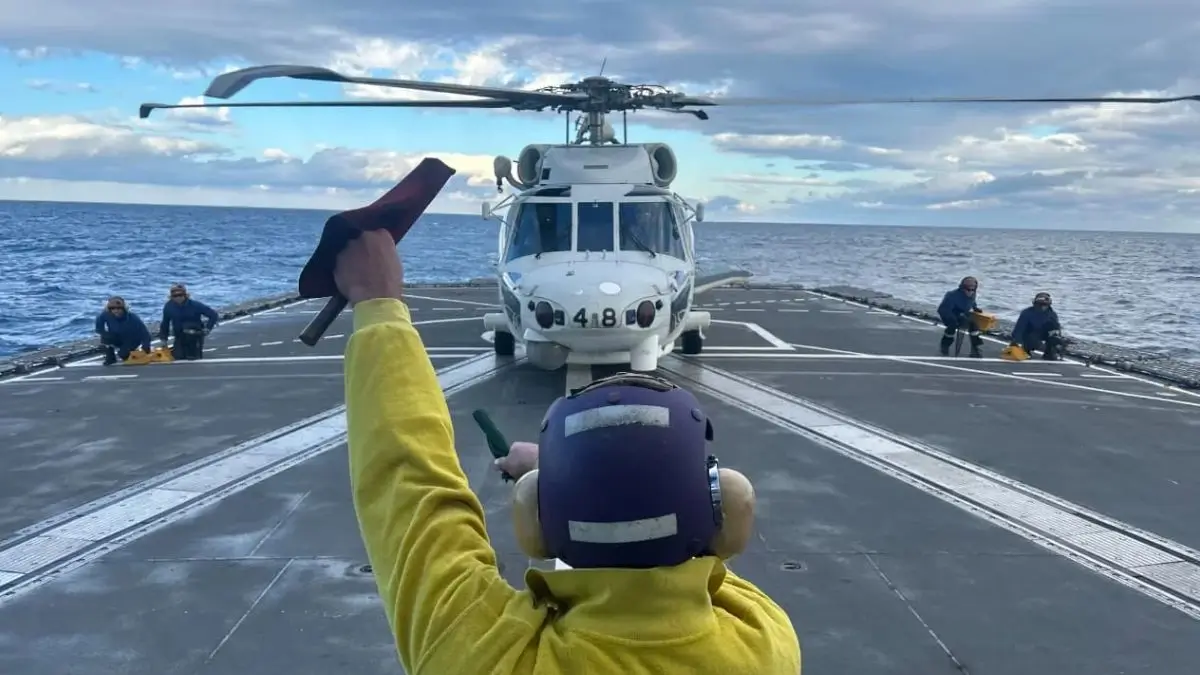
The India-Japan bilateral naval exercise JAIMEX 2026 took place on the 13 th and 14 th November 2026 with the Indian Navy’s INS Sahyadri and the Japan Maritime Self-Defense Force (JMSDF) JS Ise. The exercise involved tactical, radio and deck landing exercises to develop interoperability, coordination and maritime relations between the two nations.

JAIMEX 2026 – Key facts

  • Exercise: Japan-India Maritime Exercise
  • Abbreviation: JAIMEX26
  • Year: 2026
  • Countries Involved: India and Japan
  • Indian Ship: INS Sahyadri
  • Japanese Ship: JS Ise
  • Japanese Forces: Japan Maritime Self-Defense Force (JMSDF)
  • Dates: 13th-14th November 2026
  • Location: South of Honshu, Japan
  • Key Activities: Tactical exercises, Radio exercises, Deck exercises and PHOTOEX
  • Primary Objective: Develop interoperability and naval relations.

Key Activities Within The Exercise

INS Sahyadri and JS Ise took part in joint maritime exercises to develop their knowledge and skills.

Key activities included,

  • Tactical exercises. Joint movement and tactics were practiced.
  • Radio exercises. Radio procedures were practiced to develop information sharing.
  • Deck exercises. Personnel and aircraft were able to practice joint operations.
  • PHOTOEX. A photographic exercise that involves the ships from the exercise. Often used to show joint cooperation.
  • Overall the two navies developed interoperability, sharing professional knowledge and improving understanding.

INS Sahyadri – Key facts

INS Sahyadri (F49) is a guided missile stealth frigate designed and built by the Indian Navy. It is a Shivalik class ship and is part of the navy’s front line fleet within the Eastern Fleet.

  • Name: INS Sahyadri
  • Pennant: F49
  • Class: Shivalik class
  • Type of Ship: Guided missile stealth frigate
  • Designed and Built: India
  • Commissioned: 2012
  • Navy: Indian Navy
  • Fleet: Eastern Fleet

INS Sahyadri shows the development of indigenous ship building capabilities in India. It has taken part in many bilateral and multilateral exercises including MALABAR and JAIMEX.

India-Japan Maritime Relations

India and Japan have a Special Strategic and Global Partnership since 2014. Defence and maritime security are key aspects of this relationship.

The Indian Navy and JMSDF regularly take part in exercises and knowledge sharing to improve coordination, capability and trust.

JAIMEX is a key bilateral exercise between the two countries. Previous exercises have included anti-submarine warfare, missile defense exercises, flight operations and replenishment at sea.

Why JAIMEX 2026 was Important

The exercise was important for many reasons,

  • Interoperability. Both navies can practice joint operations and understand each other’s procedures.
  • Maritime Security. Regular exercises between the navies help to develop cooperation.
  • Bilateral relations. Defense relations and knowledge sharing are improved.
  • Indo-Pacific. Shows the interest both countries have in keeping the Indo-Pacific free, open and stable.
  • Operational Capability. Realistic maritime exercises help to improve coordination between units.

Other Key Defense Exercises Between India and Japan

Exercise Service Description
JAIMEX Navy Bilateral maritime exercise.
Dharma Guardian Army Bilateral military exercise.
Veer Guardian Air Force Bilateral air exercise.
MALABAR Navy Multilateral naval exercise between India, Japan, USA and Australia.

The difference between the two exercises is that MALABAR is multilateral where as JAIMEX is bilateral between India and Japan.

Manu Bhaker Elected to ISSF Athletes Committee for 2026–2030 Term

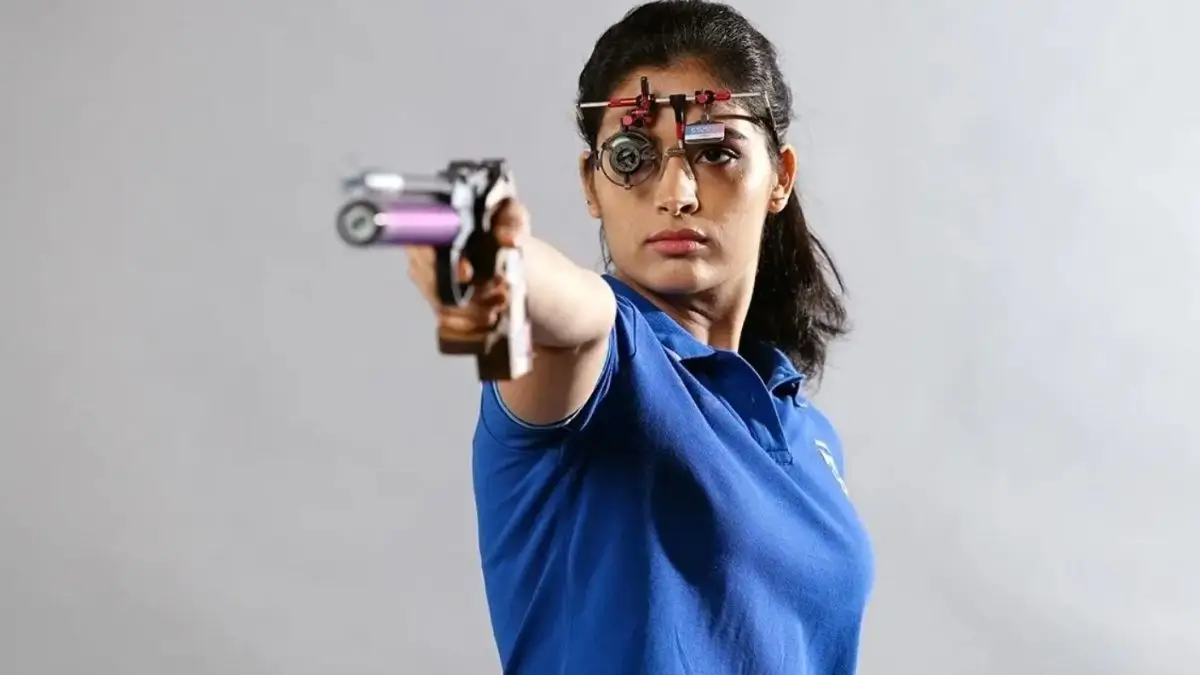
Indian Shooter Manu Bhaker, who has won two Olympic medals, has been elected onto the ISSF (International Shooting Sport Federation) Athletes Committee for 2026-2030. This was announced by the National Rifle Association of India (NRAI) on 17th November 2026. Bhaker was one of six athletes who were elected out of 22 candidates from 20 member federations. The committee consists of athletes who compete in three different shooting disciplines: rifle, pistol and shotgun.

How Was The ISSF Athletes Committee Elected?

The ISSF held elections for the Athletes Committee where eligible athletes voted online. The athletes were competing in the following events,

  • ISSF World Championship 300m Rifle – Cairo, Egypt.
  • ISSF World Championship Rifle/Pistol/Shotgun – Doha, Qatar.

There were 22 candidates who were running across the 20 member federations. 6 athletes were elected across rifle, pistol and shotgun. There were 2 representatives from each discipline.

The ISSF Executive Committee will also nominate some more members.

ISSF Athletes Committee Overview

The ISSF Athletes Committee gives athletes a voice within the ISSF governing body. They can raise any issues they have as competitors and help with rules around competitions.

Their main roles are to,

  • Give athletes a voice within the ISSF.
  • Raise issues regarding competition.
  • Promote athlete welfare.
  • Increase participation.
  • The committee consists of elected athletes and those nominated by the ISSF Executive Committee.

Manu Bhaker’s Olympic Success

Manu Bhaker won 2 bronze medals at the Paris 2024 games. This made her the first Indian athlete to win 2 medals at one edition of the Olympics since independence.

Event Achievement
Women’s 10m Air Pistol Bronze Medal.
10m Air Pistol Mixed Team Bronze Medal with Sarabjot Singh.

She also became the first ever female shooter to win an Olympic medal for India after winning a bronze in the individual women’s 10m air pistol.

_12.1
November 2026
M T W T F S S
 1
2345678
9101112131415
16171819202122
23242526272829
30