Exercise Malabar 2026: India, Australia, Japan and US Begin Multilateral Naval Exercise in Japan

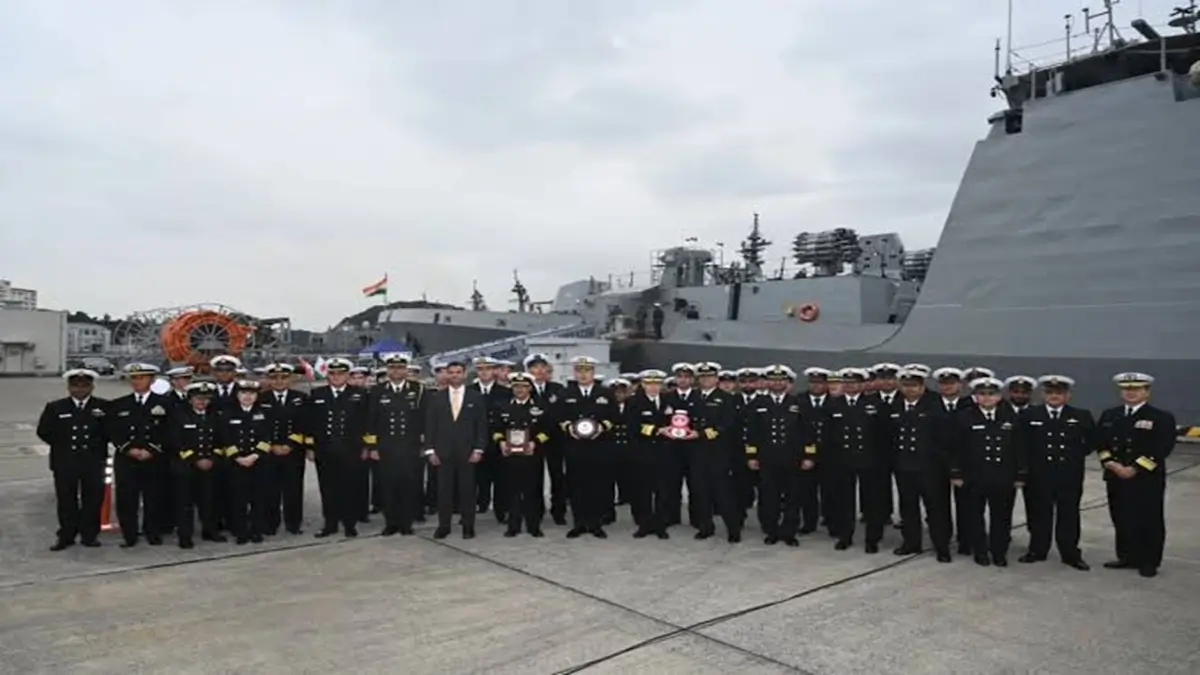
The Indian Navy’s indigenously built guided-missile stealth frigate INS Sahyadri arrived at Yokosuka Naval Base, Japan, on 4 November 2026 to participate in the multilateral naval exercise MALABAR 2026.

The exercise brings together the navies of India, Australia, Japan and the United States, aiming to strengthen maritime cooperation, operational coordination and interoperability in the Indo-Pacific region.

INS Sahyadri, part of the Indian Navy’s Eastern Fleet, received a ceremonial welcome from the Japan Maritime Self-Defense Force (JMSDF).

The participation of the Indian Navy reflects India’s commitment to strengthening maritime partnerships under its MAHASAGAR vision — Mutual and Holistic Advancement for Security and Growth Across Regions.

Key Highlights of Exercise Malabar 2026

Particular Details
Exercise Name MALABAR 2026
Type Multilateral Naval Exercise
Participating Countries India, Australia, Japan and United States
Host Country Japan
Indian Naval Ship INS Sahyadri
Arrival Date 4 November 2026
Naval Base Yokosuka Naval Base, Japan
Indian Naval Formation Eastern Fleet
Japanese Naval Force Japan Maritime Self-Defense Force
Exercise Phases Harbour Phase and Sea Phase
Main Objective Maritime cooperation and interoperability
Associated Indian Vision MAHASAGAR

INS Sahyadri Arrives at Yokosuka Naval Base

INS Sahyadri arrived at Yokosuka Naval Base in Japan on 4 November 2026 as part of India’s participation in Exercise Malabar 2026.

The ship was welcomed by officials of the Japan Maritime Self-Defense Force, highlighting the strong maritime relationship between India and Japan.

The welcome ceremony was attended by Vice Admiral Yagi Koji, Commandant of Yokosuka District, and R. Madhu Sudan, Deputy Chief of the Indian Mission.

The arrival of INS Sahyadri marked an important step in the Indian Navy’s participation in the multilateral exercise.

What Is Exercise Malabar?

Exercise Malabar is a major multilateral naval exercise involving the navies of India, the United States, Japan and Australia.

The exercise was originally launched in 1992 as a bilateral naval exercise between India and the United States.

Japan became a permanent participant in 2015, while Australia rejoined the exercise in 2020, establishing the present four-nation format.

The exercise focuses on improving coordination, communication, interoperability and maritime operational capabilities among the participating navies.

Participating Countries in Malabar 2026

  • India
  • Japan
  • United States
  • Australia

All four participating countries are also members of the Quadrilateral Security Dialogue, commonly known as the Quad.

However, Exercise Malabar is a naval exercise rather than a formal military exercise conducted under a Quad military command structure.

Two Phases of Exercise Malabar 2026

1. Harbour Phase

The harbour phase focuses on professional exchanges, operational discussions and coordinated planning among participating naval forces.

Major activities include:

  • Professional interactions between naval personnel.

  • Operational planning and coordination meetings.

  • Exchange of maritime expertise and best practices.

  • Discussions on naval procedures and communication.

  • Strengthening mutual understanding and cooperation.

2. Sea Phase

The sea phase involves INS Sahyadri and naval units from Japan, Australia and the United States conducting coordinated maritime activities.

The phase aims to improve practical coordination, interoperability and operational familiarity among the participating navies.

About INS Sahyadri

INS Sahyadri is an indigenously built guided-missile stealth frigate of the Indian Navy.

It belongs to the Shivalik-class frigates, also known as Project 17.

The ship was commissioned into the Indian Navy in 2012 and is part of the Eastern Fleet.

INS Sahyadri is designed for multiple naval roles, including surface warfare, anti-submarine operations and maritime security missions.
NPCI Launches Fourth Wholly-Owned Subsidiary NTSL, Appoints Vishal Kanvaty as MD & CEO

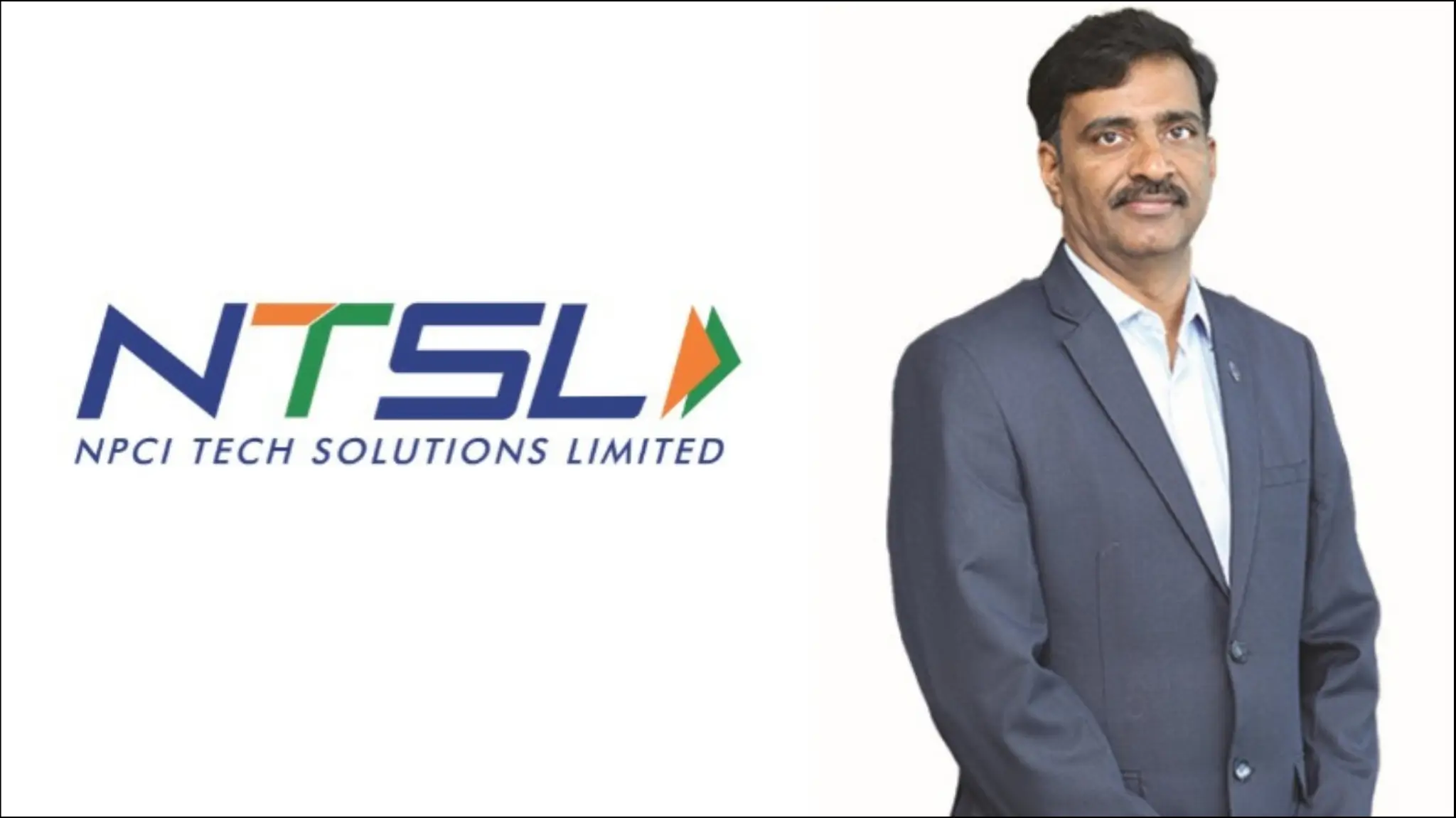
The National Payments Corporation of India (NPCI) launched NPCI Tech Solutions Limited (NTSL) in November 2026 as its fourth wholly-owned subsidiary to strengthen technology innovation and digital financial infrastructure.

NPCI also appointed Vishal Kanvaty, its Chief Technology Officer (CTO), as the Managing Director and Chief Executive Officer (MD & CEO) of the newly established company.

NTSL will focus on emerging technologies such as artificial intelligence (AI), blockchain, digital public infrastructure (DPI) and Global Capability Centre (GCC) services.

The new subsidiary is expected to strengthen India’s digital payments ecosystem by developing advanced technology solutions and supporting innovation in financial services.

Key Highlights

Particular Details
Parent Organisation National Payments Corporation of India (NPCI)
New Subsidiary NPCI Tech Solutions Limited (NTSL)
Launch November 2026
Subsidiary Position Fourth wholly-owned subsidiary
MD & CEO of NTSL Vishal Kanvaty
Previous Position Chief Technology Officer, NPCI
Key Focus Areas AI, Blockchain, DPI and GCC Services
Major Technology Solutions e-KYC Setu and Unified Ticketing Platform
NPCI Headquarters Mumbai, Maharashtra
NPCI MD & CEO Dilip Asbe

What Is NPCI Tech Solutions Limited?

NPCI Tech Solutions Limited is a newly established technology and innovation subsidiary of the NPCI Group.

The company aims to develop and provide advanced technology solutions that support India’s digital payments and financial services infrastructure.

Unlike NPCI’s other subsidiaries, which focus on specific payment services or international expansion, NTSL will concentrate on technology development, innovation and digital infrastructure services.

The subsidiary will support NPCI’s efforts to strengthen the reliability, efficiency and technological capabilities of India’s digital financial ecosystem.

Vishal Kanvaty Appointed MD & CEO of NTSL

NPCI appointed Vishal Kanvaty as the Managing Director and Chief Executive Officer of NPCI Tech Solutions Limited.

Before this appointment, he served as the Chief Technology Officer of NPCI.

His responsibilities at NTSL will include leading the company’s technology strategy, encouraging innovation and expanding its capabilities in emerging digital technologies.

The appointment highlights NPCI’s focus on technology-driven growth and innovation in digital payments.

NPCI’s Four Wholly-Owned Subsidiaries

With the establishment of NTSL, NPCI now has four wholly-owned subsidiaries.

Subsidiary Full Name Primary Focus
NIPL NPCI International Payments Limited International expansion of Indian payment systems
NBBL NPCI Bharat BillPay Limited Bharat BillPay ecosystem
NBSL NPCI BHIM Services Limited BHIM digital payments platform
NTSL NPCI Tech Solutions Limited Technology innovation and digital infrastructure

NTSL becomes the fourth wholly-owned subsidiary, following NIPL, NBBL and NBSL.

Major Focus Areas of NTSL

1. Artificial Intelligence

NTSL will explore artificial intelligence technologies to support advanced digital financial services, automation and technology solutions.

AI-based applications can help improve operational efficiency, data processing and digital service delivery.

2. Blockchain Technology

Blockchain is a distributed ledger technology that enables records to be maintained across multiple systems.

NTSL will focus on blockchain-related solutions as part of its broader technology innovation strategy.

3. Digital Public Infrastructure

Digital Public Infrastructure refers to foundational digital systems that support public and private services at scale.

NTSL will develop and support technology solutions that can strengthen India’s digital financial infrastructure.

4. Global Capability Centre Services

Global Capability Centres provide specialised services such as technology development, engineering, analytics and operational support.

NTSL will explore GCC-related services to expand its technology capabilities.

Key Technology Offerings of NTSL

The new company will offer technology services associated with several digital platforms.

e-KYC Setu: A technology solution associated with electronic Know Your Customer processes, which help financial institutions verify customer identities digitally.

Unified Ticketing Platform (UTP): A digital platform intended to support integrated ticketing services.

Digital Public Infrastructure: Technology solutions supporting the development and operation of digital systems used across financial and public services.

These offerings reflect NPCI’s efforts to extend its technological expertise beyond traditional payment processing.

About the National Payments Corporation of India

The National Payments Corporation of India (NPCI) was established in 2008 as a not-for-profit company through an initiative of the Reserve Bank of India (RBI) and the Indian Banks’ Association (IBA).

NPCI plays a central role in operating and developing retail payment and settlement systems in India.

The organisation is headquartered in Mumbai, Maharashtra, and is led by Dilip Asbe, its Managing Director and Chief Executive Officer.

Major Payment Systems Associated with NPCI

  • Unified Payments Interface (UPI)

  • RuPay

  • Immediate Payment Service (IMPS)

  • National Automated Clearing House (NACH)

  • Aadhaar Enabled Payment System (AePS)

  • Bharat BillPay

  • BHIM

Significance of the Launch of NTSL

The creation of NTSL represents an important development in India’s digital financial ecosystem.

Technology innovation: The subsidiary will focus on AI, blockchain and advanced digital infrastructure.

Digital payments ecosystem: It can support technological development for financial services and payment-related platforms.

Digital Public Infrastructure: NTSL will contribute to the development of technology solutions supporting large-scale digital services.

Specialised technology services: The company will explore Global Capability Centre services and other technology offerings.

Institutional expansion: The launch strengthens NPCI’s organisational structure by adding a dedicated technology subsidiary.

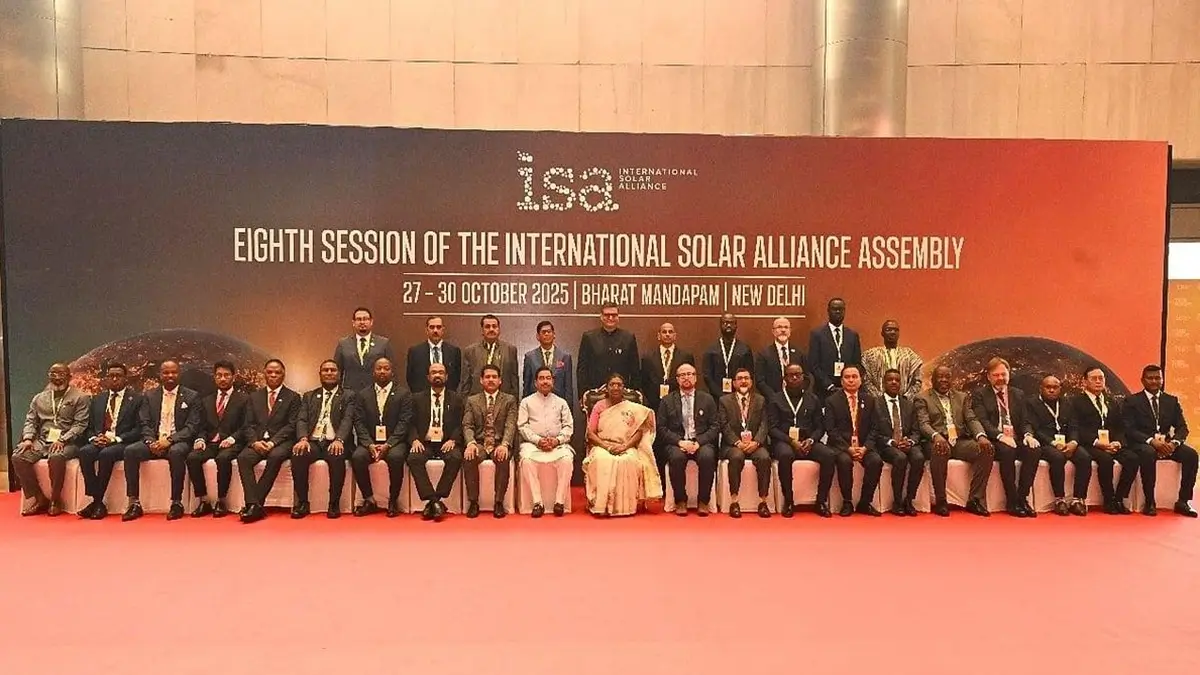
Bahamas Joins International Solar Alliance as 116th Member Country at 9th ISA Assembly

The Commonwealth of The Bahamas joined the International Solar Alliance (ISA) as its 116th member country on 4 November 2026, following the submission of its Instrument of Accession to the ISA Framework Agreement.

The formal accession took place during the 9th Session of the International Solar Alliance Assembly, held in New Delhi, India.

The Instrument of Accession was handed over by Peter Nicholas Symonette Jr., High Commissioner of the Bahamas, to P. S. Gangadhar, Joint Secretary, Economic Diplomacy and Head of Depository.

The development strengthens international cooperation in solar energy and expands the participation of Small Island Developing States (SIDS) in the global transition towards renewable energy.

Key Highlights

Particular Details
New ISA Member Commonwealth of The Bahamas
Membership Position 116th
Date of Accession 4 November 2026
Event 9th Session of ISA Assembly
Location New Delhi, India
Bahamian Representative Peter Nicholas Symonette Jr.
Indian Representative P. S. Gangadhar
Document Submitted Instrument of Accession
Organisation International Solar Alliance
Main Objective International solar energy cooperation

Bahamas Formally Joins the International Solar Alliance

The Bahamas officially joined the ISA after submitting its Instrument of Accession to the organisation’s Framework Agreement.

An Instrument of Accession is a formal document through which a country expresses its consent to become legally bound by an international agreement.

The accession ceremony took place during the ninth ISA Assembly in New Delhi.

By joining the alliance, the Bahamas can participate in international solar energy programmes, technical cooperation initiatives and collaborative projects aimed at increasing the use of solar power.

What Is the International Solar Alliance?

The International Solar Alliance (ISA) is an intergovernmental organisation established to promote solar energy deployment and strengthen cooperation among countries.

The initiative was jointly launched by India and France in 2015, on the sidelines of the United Nations Climate Change Conference (COP21) in Paris.

The ISA Framework Agreement entered into force on 6 December 2017.

The organisation’s headquarters is located in Gurugram, Haryana, India.

Major Objectives of ISA

  • Promote affordable and sustainable solar energy.

  • Encourage investment in solar energy infrastructure.

  • Provide technical assistance and capacity building.

  • Facilitate knowledge sharing and technology cooperation.

  • Support solar energy deployment in developing countries.

  • Improve access to clean energy in vulnerable regions.

Why Is Bahamas’ Membership Important?

The Bahamas is a Small Island Developing State located in the Caribbean region.

Small island nations often face challenges related to energy security, dependence on imported fossil fuels and vulnerability to climate-related risks.

Participation in the ISA provides opportunities for the Bahamas to strengthen its solar energy sector through international collaboration.

Major Benefits for the Bahamas

Technical expertise: Access to knowledge, training and technical support for solar energy development.

Investment opportunities: Participation in collaborative funding and investment facilitation initiatives.

Energy diversification: Greater opportunities to expand renewable electricity generation.

International cooperation: Collaboration with other ISA member countries on solar technologies and policies.

Climate resilience: Support for developing more sustainable and resilient energy systems.

ISA’s Focus on Developing Countries

The International Solar Alliance places particular emphasis on supporting countries that face financial, technological and infrastructure-related challenges in expanding renewable energy.

Its programmes are especially relevant for:

  • Least Developed Countries (LDCs).

  • Small Island Developing States (SIDS).

  • Other developing countries seeking to expand solar energy access.

Through technical assistance, knowledge sharing and investment facilitation, ISA aims to reduce barriers to solar energy adoption.

About the 9th ISA Assembly

The ninth session of the ISA Assembly was held in New Delhi in November 2026.

The Assembly is the principal decision-making body of the International Solar Alliance and provides a platform for member countries to discuss solar energy cooperation, programmes and organisational priorities.

The accession of the Bahamas as the 116th member country was an important development associated with the session.

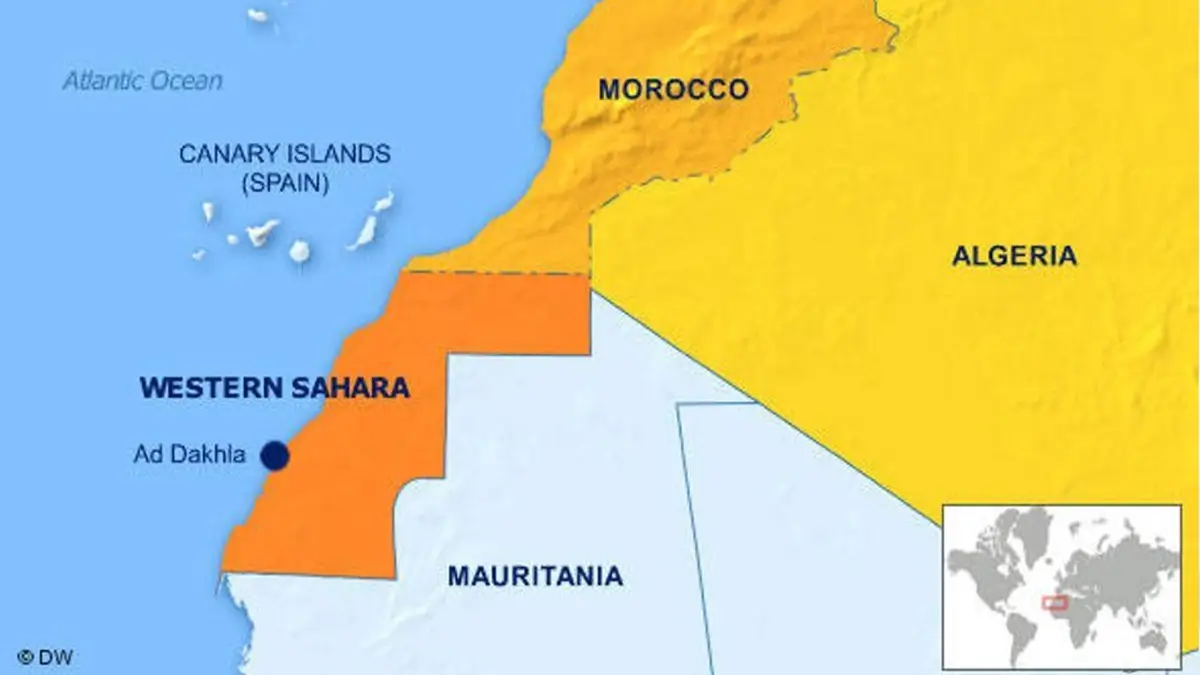
MINURSO’s 35-Year Mission Ends Amid US–Russia Standoff at UN Security Council

The United Nations Mission for the Referendum in Western Sahara (MINURSO) has reportedly entered its liquidation phase after 35 years of operations, following the failure of the United Nations Security Council (UNSC) to renew its mandate.

According to the reported developments in November 2026, a diplomatic standoff between the United States and Russia prevented agreement on extending the mission. The disagreement centred on competing approaches to resolving the long-standing territorial dispute between Morocco and the Polisario Front.

MINURSO was established in April 1991 under UNSC Resolution 690 to monitor a ceasefire and organise a referendum allowing the people of Western Sahara to determine their political future.

The reported closure of the mission represents a significant development in UN peacekeeping, although it does not resolve Western Sahara’s disputed international status or eliminate the Sahrawi people’s right to self-determination.

Key Highlights

Particular Details
Mission MINURSO
Full Form United Nations Mission for the Referendum in Western Sahara
Established April 1991
UNSC Resolution 690 (1991)
Region Western Sahara, North-West Africa
Original Purpose Ceasefire monitoring and referendum on self-determination
Reported Development Entry into liquidation phase
Duration Approximately 35 years
Major Dispute Morocco vs Polisario Front
Diplomatic Standoff United States and Russia
Ceasefire Breakdown November 2020

What Is MINURSO?

MINURSO is a United Nations peacekeeping mission established in April 1991 through UN Security Council Resolution 690.

It was created to implement a UN-brokered settlement plan between Morocco and the Polisario Front, which have competing claims over Western Sahara.

The mission originally had two principal objectives:

  • Monitor the ceasefire between Morocco and the Polisario Front.

  • Organise a referendum on self-determination for the people of Western Sahara.

The proposed referendum was intended to allow eligible voters to choose between independence and integration with Morocco.

However, disagreements over voter eligibility prevented the referendum from taking place.

Why Did MINURSO’s Mission Reportedly End?

The reported termination followed a diplomatic disagreement between the United States and Russia at the UN Security Council.

US-Backed Resolution

The United States reportedly supported a draft resolution that favoured Morocco’s autonomy proposal for Western Sahara.

The proposal also sought to rename the peacekeeping operation as the United Nations Mission in Western Sahara (MINUSO).

Russia vetoed the US-backed draft resolution.

Russian Resolution

Russia subsequently proposed extending MINURSO’s mandate until October 2027.

However, the Russian-backed proposal reportedly failed to secure the required votes in the Security Council.

As neither resolution was adopted, the mission was left without a renewed mandate, leading to its reported liquidation.

Western Sahara Conflict: Historical Background

Western Sahara is a disputed territory in north-western Africa along the Atlantic Ocean.

It borders Morocco, Algeria and Mauritania.

The territory was formerly administered by Spain. In 1975, Morocco organised the Green March, during which large numbers of Moroccan civilians entered Western Sahara to support Morocco’s territorial claims.

Spain formally withdrew from the territory in 1976.

Following Spain’s withdrawal, the dispute continued between Morocco and the Polisario Front, a movement seeking independence for the Sahrawi people.

Morocco’s Position on Western Sahara

Morocco claims sovereignty over Western Sahara and administers most of the territory.

In 2007, Morocco proposed an autonomy plan that would provide Western Sahara with a degree of self-government while retaining Moroccan sovereignty.

Morocco considers this approach a practical political solution to the territorial dispute.

Polisario Front’s Position

The Polisario Front is a pro-independence movement that seeks the establishment of an independent Sahrawi state.

It is supported by Algeria and operates from refugee camps near Tindouf in south-western Algeria.

The movement maintains that the Sahrawi people should be allowed to exercise their right to self-determination through a referendum.

Breakdown of the Ceasefire in 2020

A UN-brokered ceasefire between Morocco and the Polisario Front had been in place since 1991.

However, hostilities resumed in November 2020, weakening the ceasefire arrangement.

Despite the renewed tensions, MINURSO continued monitoring the security situation and encouraging a cessation of hostilities.

International Status of Western Sahara

Western Sahara remains a disputed territory under international law.

It is listed by the United Nations as a Non-Self-Governing Territory.

The African Union recognises the Sahrawi Arab Democratic Republic (SADR), which was proclaimed by the Polisario Front.

The reported end of MINURSO’s mandate does not determine sovereignty over Western Sahara.

The Sahrawi people’s right to self-determination remains an important principle in UN discussions concerning the territory.

Significance of MINURSO’s Reported Closure

The development has several implications for international relations and UN peacekeeping.

UN peacekeeping challenges: It highlights how disagreements among permanent members of the Security Council can affect peacekeeping operations.

Regional stability: The absence of a peacekeeping mission could create additional uncertainty in the disputed territory.

Self-determination: The Sahrawi people’s right to determine their political future remains unresolved.

Diplomatic negotiations: UN-led political efforts may continue even without a peacekeeping mission.

International law: The territorial dispute demonstrates the complexity of decolonisation and sovereignty claims.

ISSF World Championships 2026: Jaypal Malviya Wins Silver, Manu Bhaker, Suruchi Singh and Sainyam Vij Clinch Team Silver

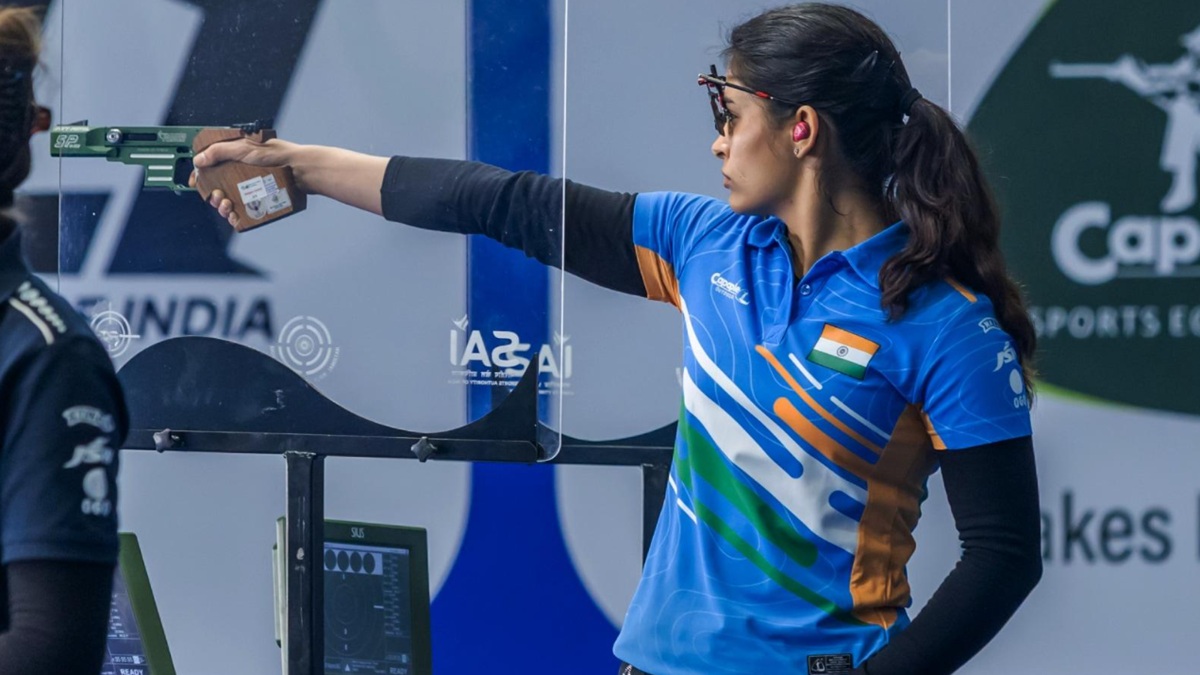
India enjoyed a successful day at the ISSF World Championships 2026 in Doha, Qatar, on 5 November 2026, winning two silver medals in the 10m air pistol events.

Jaypal Malviya secured silver in the men’s 10m air pistol event and earned India’s first shooting quota place for the Los Angeles 2028 Olympics. Meanwhile, Manu Bhaker, Suruchi Singh and Sainyam Vij combined to win the silver medal in the women’s 10m air pistol team event.

With these achievements, India’s medal tally at the championships increased to five medals — one gold and four silver.

Key Highlights

Particular Details
Tournament ISSF World Championships 2026
Venue Doha, Qatar
Date 5 November 2026
Men’s 10m Air Pistol Silver Jaypal Malviya
Jaypal Malviya’s Score 242.2
Women’s 10m Air Pistol Team Silver Manu Bhaker, Suruchi Singh and Sainyam Vij
Women’s Team Score 1738-61x
Olympic Achievement India’s first shooting quota for LA 2028
India’s Medal Tally 1 Gold and 4 Silver

Jaypal Malviya Wins Silver and Secures LA 2028 Olympic Quota

Jaypal Malviya finished second in the men’s 10m air pistol final with 242.2 points.

China’s Hu Kai won gold with 243.9 points, while Czechia’s Jindřich Dubový secured bronze with 220.9 points.

Malviya had qualified for the final in third place with a score of 585-23x.

His silver-medal performance secured India’s first shooting quota for the Los Angeles 2028 Olympics. However, an Olympic quota belongs to the National Olympic Committee, and the athlete’s participation depends on the national selection process.

Manu Bhaker, Suruchi Singh and Sainyam Vij Win Team Silver

India’s women’s 10m air pistol team, comprising Manu Bhaker, Suruchi Singh and Sainyam Vij, secured the silver medal with a combined score of 1738-61x.

China won gold with 1745-65x, while the Republic of Korea claimed bronze with 1729-49x.

The individual contributions of the Indian shooters were:

Shooter Score
Manu Bhaker 583-21x
Suruchi Singh 580-24x
Sainyam Vij 575-16x
Combined Score 1738-61x

Although Manu Bhaker and Suruchi Singh reached the women’s individual final, they finished fifth and sixth, respectively, missing out on individual medals.

India’s Medal Tally Reaches Five

The two silver medals increased India’s medal tally at the ISSF World Championships 2026 to five, comprising one gold and four silver medals.

The performance highlights India’s growing strength in international shooting and its preparations for the Los Angeles 2028 Olympic Games.

India Defeats Japan 4-1 to Win Sixth Men’s Asian Champions Trophy Hockey Title

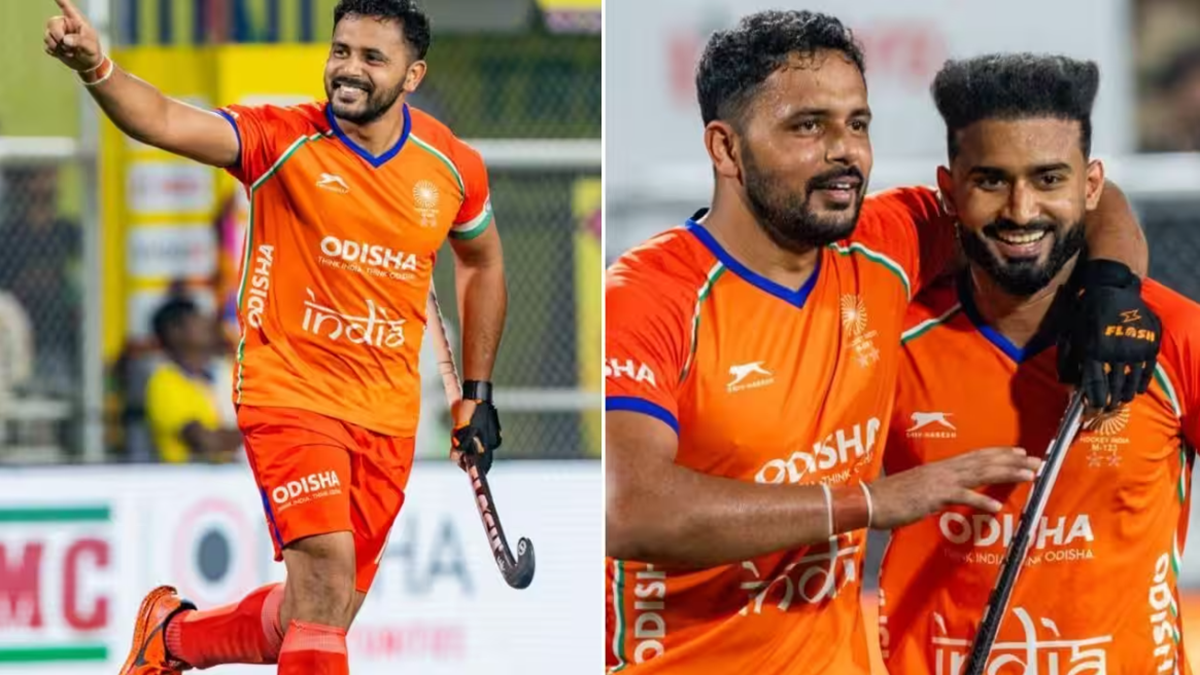
The Indian men’s hockey team successfully defended its title at the 9th Men’s Asian Champions Trophy, defeating Japan 4-1 in the final at the Olympian Balbir Singh Senior International Hockey Stadium in Mohali, Punjab.

With this victory, India claimed its sixth Men’s Asian Champions Trophy title and completed a remarkable hat-trick of three consecutive championships.

The victory came ahead of Diwali and was celebrated by hockey fans across the country. India’s strong comeback and three-goal performance in the final quarter secured the championship.

The title-winning match also marked the final international appearance of Indian midfielder Nilakanta Sharma, who retired from international hockey after the tournament.

Key Highlights of India’s Victory

Particular Details
Tournament 9th Men’s Asian Champions Trophy
Sport Field Hockey
Champion India
Runner-up Japan
Final Score India 4–1 Japan
Venue Olympian Balbir Singh Senior International Hockey Stadium
Location Mohali, Punjab
Total Titles Won by India 6
Consecutive Titles 3
Bronze Medal Winner Malaysia
Bronze Medal Match Malaysia 5–2 South Korea
Retiring Indian Player Nilakanta Sharma

India Makes History with Sixth Asian Champions Trophy Title

India entered the tournament as the defending champion and successfully retained its title after defeating Japan in the final.

The victory marked India’s sixth championship in the Men’s Asian Champions Trophy and its third consecutive title.

India’s continued success in the competition highlights the strength and consistency of the national men’s hockey team.

India vs Japan: Final Match Highlights

The championship match witnessed a closely contested battle between India and Japan.

First Three Quarters: Japan Maintains the Lead

Japan started the match strongly and secured an early lead.

The Japanese defence made it difficult for Indian players to create scoring opportunities, maintaining pressure on the defending champions.

India continued attacking and eventually scored the equaliser towards the end of the third quarter.

Fourth Quarter: India’s Remarkable Comeback

The fourth quarter completely changed the momentum of the match.

India dominated the final period and scored three additional goals, securing a commanding 4-1 victory.

The comeback demonstrated the team’s attacking strength, determination and ability to perform under pressure.

Nilakanta Sharma Retires from International Hockey

The championship victory was a memorable farewell for Indian midfielder Nilakanta Sharma, who played his final international match in the national jersey.

His retirement marked the conclusion of an important chapter in his international hockey career.

Winning the Asian Champions Trophy provided a fitting farewell to the experienced midfielder.

Malaysia Wins Bronze Medal

In the bronze medal playoff, Malaysia defeated South Korea 5-2 to secure third place.

The result completed the medal standings of the tournament.

Position Team
Gold India
Silver Japan
Bronze Malaysia
Fourth Place South Korea

Hockey India Announces Cash Rewards

Following India’s championship victory, Hockey India announced financial rewards for the players and support staff.

  • Each player: ₹3 lakh
  • Each support staff member: ₹1.5 lakh

The cash rewards recognise the contributions of the players, coaches and support staff to India’s successful title defence.

About the Men’s Asian Champions Trophy

The Men’s Asian Champions Trophy is an international field hockey tournament featuring leading Asian national teams.

The competition is organised under the Asian Hockey Federation and provides an important platform for teams to compete at the continental level.

India’s sixth title further strengthens its record in the tournament.

Tanvi Patri Creates History, Becomes First Indian Woman to Secure Badminton Medal at Youth Olympic Games

Young Indian badminton player Tanvi Patri has created history by becoming the first Indian woman to reach the women’s singles badminton final at the Youth Olympic Games in Dakar, Senegal.

Tanvi secured her place in the final after defeating Japan’s Yuzuno Watanabe in a thrilling three-game semifinal, winning 21-14, 11-21, 21-19 in a match lasting 54 minutes.

By reaching the final, Tanvi has assured India of at least a silver medal, marking a historic achievement in Indian women’s badminton at the Youth Olympic Games. The supplied update says the gold-medal match against China’s Yi Xin Zhang is still to be played, so the final medal colour is not yet confirmed.

Key Highlights

Particular Details
Player Tanvi Patri
Country India
Sport Badminton
Tournament Youth Olympic Games 2026
Host City Dakar, Senegal
Event Women’s Singles
Semifinal Opponent Yuzuno Watanabe (Japan)
Semifinal Score 21-14, 11-21, 21-19
Match Duration 54 minutes
Final Opponent Yi Xin Zhang (China)
Historic Achievement First Indian woman to reach the Youth Olympic women’s badminton final
Medal Status At least silver assured

Tanvi Patri’s Historic Semifinal Victory

Tanvi Patri delivered an impressive performance against Japan’s Yuzuno Watanabe in the women’s singles semifinal.

The Indian shuttler started strongly, winning the opening game 21-14. However, Watanabe fought back and claimed the second game 21-11.

The deciding game witnessed an intense contest, with both players competing for a place in the final.

Tanvi eventually secured a 21-19 victory in the third game to complete a memorable win in 54 minutes.

The victory made her the first Indian woman to reach the women’s singles badminton final at the Youth Olympic Games.

First Indian Woman to Reach the Badminton Semifinals

Before her semifinal victory, Tanvi had already created history by becoming the first Indian woman to reach the badminton semifinals at the Youth Olympic Games.

She achieved the milestone after defeating Thailand’s Kungkaew Kakanik in the quarterfinals.

Her progression from the quarterfinals to the final marks a major achievement for Indian women’s junior badminton.

Fourth Indian Shuttler to Reach Youth Olympic Badminton Semifinals

Tanvi Patri became the fourth Indian badminton player to reach the semifinals at the Youth Olympic Games.

The other Indian shuttlers who previously achieved this milestone include:

  • H. S. Prannoy
  • Lakshya Sen
  • Aditya Joshi
  • Tanvi Patri

Her achievement is particularly significant because she is the first Indian woman to join this list.

Tanvi Patri to Face China’s Yi Xin Zhang in Final

Following her semifinal victory, Tanvi advanced to the women’s singles gold-medal match against Yi Xin Zhang of China.

Her qualification for the final guarantees India at least a silver medal.

A victory in the final would earn her the gold medal and establish another historic milestone for Indian badminton.

About the Youth Olympic Games

The Youth Olympic Games are an international multi-sport competition organised under the Olympic movement for young athletes.

The event provides emerging sporting talent with opportunities to compete internationally and gain experience in major competitions.

The 2026 Summer Youth Olympic Games are being hosted by Dakar, Senegal, making them the first Olympic sporting event held on the African continent.

Significance of Tanvi Patri’s Achievement

Tanvi Patri’s performance represents an important milestone for Indian badminton.

Historic representation: She became the first Indian woman to reach the Youth Olympic badminton final.

International recognition: Her achievement highlights India’s growing talent in junior badminton.

Medal assurance: Reaching the final guaranteed India at least a silver medal in the event.

Inspiration for young athletes: Her success can encourage more young women to pursue badminton professionally.

Strengthening Indian badminton: Her performance adds to India’s achievements in international youth sporting competitions.

Ministry of Railways Wins PM Surya Ghar Excellence Award 2026 for Rooftop Solar Achievements

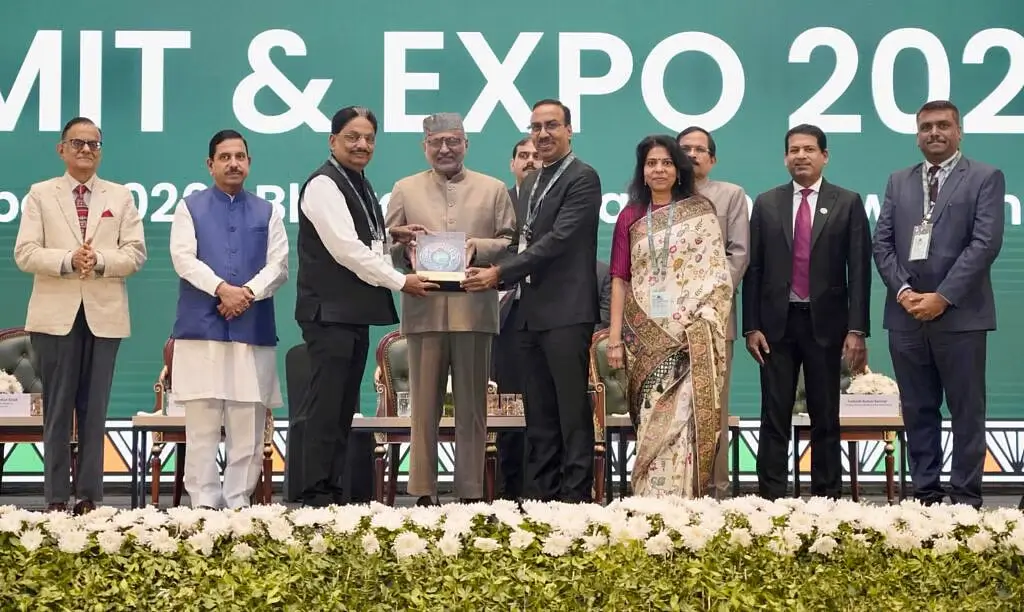
The Ministry of Railways was honoured with the prestigious PM Surya Ghar Excellence Award 2026 by Vice President of India C. P. Radhakrishnan on 5 November 2026, during the Renewable Energy Summit & Expo 2026 held at Bharat Mandapam, New Delhi.

The Ministry secured the top position in the category “Maximum Buildings Solarized by Central Ministries/Departments” under the PM Surya Ghar: Muft Bijli Yojana.

The recognition highlights Indian Railways’ achievements in rooftop solar installation, renewable energy adoption and the promotion of sustainable infrastructure across the country.

Key Highlights of the Award

Railway buildings solarized: 12,495

Completion rate: 79%

Installed solar capacity: 351 MW

Solarization deadline: March 2027

Particular Details
Award PM Surya Ghar Excellence Award 2026
Award Recipient Ministry of Railways
Presented By Vice President C. P. Radhakrishnan
Date 5 November 2026
Venue Bharat Mandapam, New Delhi
Event Renewable Energy Summit & Expo 2026
Award Category Maximum Buildings Solarized by Central Ministries/Departments
Government Scheme PM Surya Ghar: Muft Bijli Yojana

Ministry of Railways’ Rooftop Solar Achievements

The Ministry of Railways has identified 15,868 feasible railway buildings across India for rooftop solar installations.

Out of these, 12,495 buildings have already been equipped with rooftop solar systems, representing approximately 79% of the total identified buildings.

Railway building solarization progress

79%

12,495 of 15,868 feasible railway buildings solarized

The Ministry has also commissioned 351 megawatts (MW) of rooftop solar capacity against its target of 424 MW, achieving approximately 83% of its planned capacity.

These achievements reflect Indian Railways’ commitment to reducing dependence on conventional energy sources and increasing the use of clean energy.

National Rooftop Solar Progress Across Central Ministries

At the national level, 77 Central Ministries and Departments have identified 39,135 buildings suitable for rooftop solar installations.

Of these, 25,984 buildings have been solarized, representing approximately 66% of the identified buildings.

Indicator Ministry of Railways All 77 Central Ministries/Departments
Buildings identified 15,868 39,135
Buildings solarized 12,495 25,984
Completion rate 79% 66%

The Ministry of Railways accounts for approximately 48% of the solarized buildings across these Central Ministries and Departments, making it a major contributor to the national rooftop solar initiative.

What Is PM Surya Ghar: Muft Bijli Yojana?

The PM Surya Ghar: Muft Bijli Yojana is a Government of India initiative launched in February 2024 to promote rooftop solar installations and expand the adoption of renewable energy.

The scheme aims to support rooftop solar installations in one crore households and enable eligible households to receive the benefit of up to 300 units of electricity per month through solar power generation.

The programme also encourages rooftop solar adoption across government buildings and public institutions.

Indian Railways’ Solarization Target for March 2027

The Ministry of Railways has committed to solarizing all remaining feasible railway buildings by March 2027.

Based on the reported figures, approximately 3,373 identified buildings remain to be equipped with rooftop solar systems.

The Ministry also needs to commission an additional 73 MW of rooftop solar capacity to reach its stated target of 424 MW.

Achieving these targets will strengthen the role of Indian Railways in India’s transition towards sustainable energy infrastructure.

Significance of the Award

The PM Surya Ghar Excellence Award recognises the Ministry of Railways’ leadership in renewable energy adoption across public institutions.

Its achievements are significant for several reasons:

  • Renewable energy expansion: Encourages the use of solar power in government infrastructure.
  • Environmental sustainability: Helps reduce dependence on fossil-fuel-based electricity.
  • Energy efficiency: Supports more efficient use of railway building rooftops for electricity generation.
  • Government leadership: Establishes an example for other Central Ministries and Departments.
  • Sustainable development: Supports India’s wider clean-energy transition and environmental goals.

Amit Shah Inaugurates Martyrs’ Memorial of First War of Independence of 1857 in Ambala, Haryana

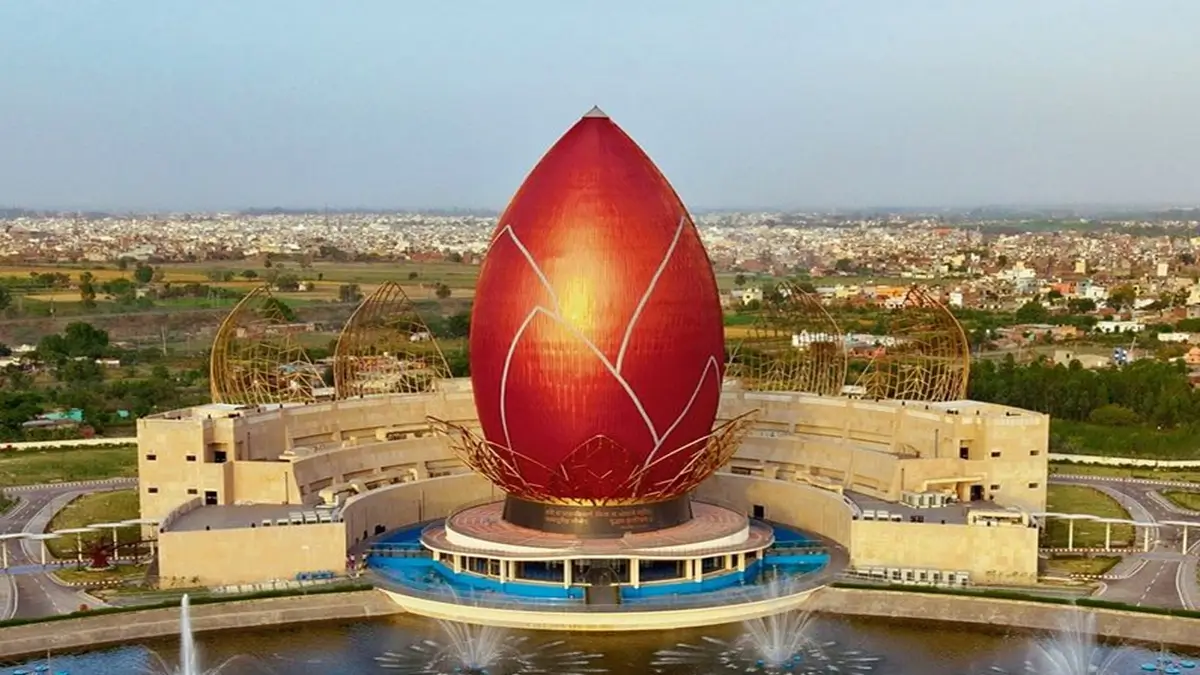
Union Home Minister and Minister of Cooperation Amit Shah inaugurated the Martyrs’ Memorial of the First War of Independence of 1857 in Ambala, Haryana, on 5 November 2026.

The memorial has been constructed to honour the freedom fighters who sacrificed their lives during the Revolt of 1857, widely remembered in India as the First War of Independence.

Built at a cost of ₹594 crore across 22 acres, the memorial features 22 galleries that combine historical documents, traditional art forms and modern digital technologies to present the events and sacrifices associated with the freedom struggle.

Haryana Chief Minister Nayab Singh Saini and Union Minister Manohar Lal were among the dignitaries present at the inauguration.

Key Highlights of the Martyrs’ Memorial

  • Construction cost: ₹594 crore
  • Total area: 22 acres
  • Historical galleries: 22
  • Open-air theatre capacity: 2,500
Particular Details
Memorial Name Martyrs’ Memorial of First War of Independence of 1857
Inauguration Date 5 November 2026
Inaugurated By Amit Shah
Location Ambala Cantonment, Haryana
Construction Cost ₹594 crore
Total Area 22 acres
Number of Galleries 22
Open-Air Theatre 2,500 seats
Haryana Chief Minister Nayab Singh Saini

Historical Significance of Ambala in the Revolt of 1857

During the inauguration, Amit Shah highlighted the historical significance of Ambala Cantonment in India’s freedom struggle.

He stated that revolutionary soldiers had launched an armed uprising against British rule in Ambala on 10 May 1857, which became part of the wider rebellion against colonial rule.

In conventional accounts of Indian history, the major military uprising at Meerut on 10 May 1857 is commonly identified as the beginning of the widespread Revolt of 1857. The inauguration highlighted Ambala’s role in the unrest and resistance preceding and accompanying that rebellion.

The memorial aims to preserve the memory of freedom fighters and educate younger generations about their sacrifices.

Major Features of the Martyrs’ Memorial

The memorial combines historical storytelling with advanced digital technologies to create an immersive educational experience.

1. Twenty-Two Historical Galleries

The memorial features 22 galleries displaying important events, historical documents and stories associated with the Revolt of 1857.

These galleries aim to help visitors understand the causes, major developments and significance of the uprising.

2. Advanced Digital Technologies

The memorial uses several modern technologies, including virtual reality, holography and interactive projections.

These features allow visitors to experience historical events through visual and interactive presentations.

3. Traditional Art and Craftsmanship

The memorial also showcases Haryana’s traditional artistic heritage, including Phulkari embroidery and Sarkanda craftsmanship.

The combination of traditional crafts and modern technology highlights the region’s cultural identity.

4. Open-Air Theatre

A major attraction is the open-air theatre with a seating capacity of approximately 2,500 people.

The venue can host cultural programmes, historical performances and educational activities.

5. Light-and-Sound Show

The memorial includes a light-and-sound show designed to recreate important moments of the 1857 uprising and explain the contributions of freedom fighters.

DRDO Successfully Flight-Tests Indigenous Quasi-Ballistic Missile ‘Pralay’ off Odisha Coast

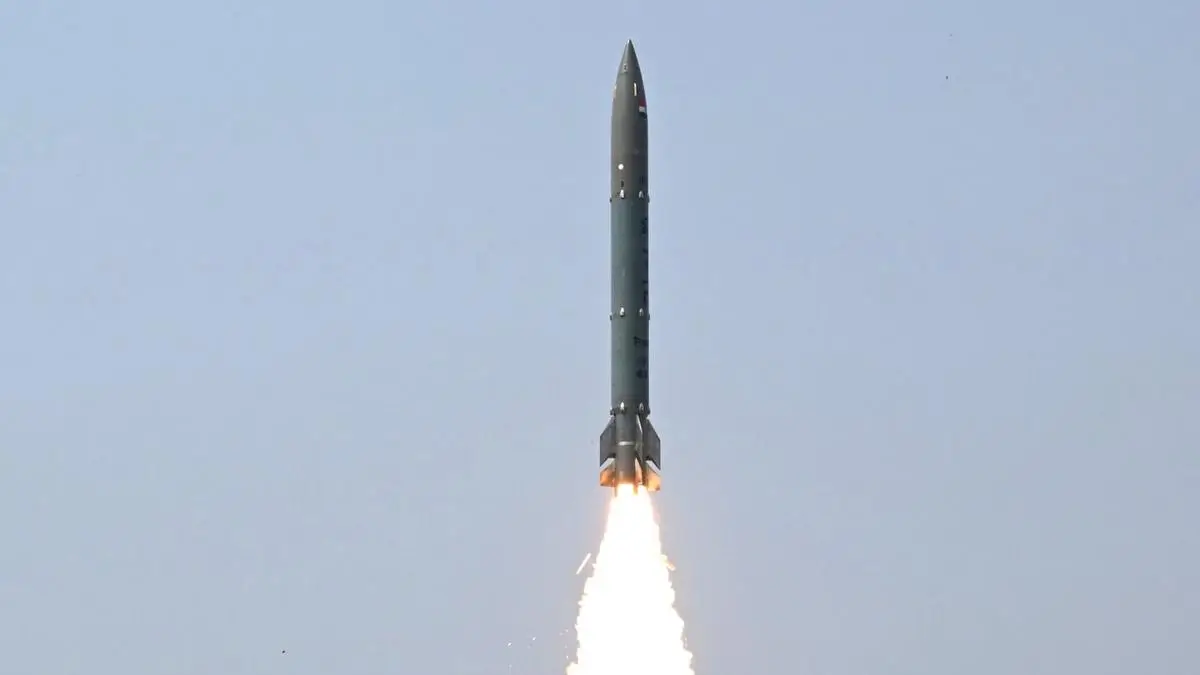
The Defence Research and Development Organisation (DRDO) successfully conducted a flight test of the indigenously developed Pralay quasi-ballistic missile on 5 November 2026, from Dr APJ Abdul Kalam Island off the coast of Odisha.

The missile was launched at approximately 11:10 AM as part of user evaluation trials. According to the Ministry of Defence, all the test objectives were successfully achieved, as confirmed by data collected through tracking instruments deployed by the Integrated Test Range (ITR), Chandipur.

The successful trial marks an important milestone in India’s indigenous defence capabilities and brings the missile system closer to induction into the Indian Armed Forces.

Key Highlights of the Pralay Missile Test
Particular Details
Missile Name Pralay
Missile Type Quasi-ballistic missile
Test Date 5 November 2026
Launch Time Approximately 11:10 AM
Launch Location Dr APJ Abdul Kalam Island, Odisha
Testing Organisation DRDO
Lead Development Laboratory Research Centre Imarat (RCI), Hyderabad
Production Partner Bharat Dynamics Limited (BDL)
Tracking Facility Integrated Test Range, Chandipur
Test Category User Evaluation Trials
Result All test objectives achieved

What Is the Pralay Missile?

Pralay is an indigenously developed, solid-propellant, surface-to-surface quasi-ballistic missile designed for precision strikes against different types of targets.

Unlike a conventional ballistic missile that generally follows a predictable ballistic trajectory after its powered phase, a quasi-ballistic missile can follow a lower trajectory and perform manoeuvres during flight.

Pralay incorporates modern guidance and navigation technologies to improve accuracy. It is designed to carry different categories of conventional warheads for tactical military operations.

The missile’s first flight test was conducted in December 2021.

Pune News – The Indian Express

Key Features of the Pralay Missile

  • Indigenous development: Designed and developed in India by DRDO laboratories.

  • Solid-propellant propulsion: Uses solid fuel for its rocket propulsion system.

  • Quasi-ballistic trajectory: Can manoeuvre during flight rather than following a purely predictable ballistic path.

  • Precision guidance: Employs advanced guidance and navigation technologies.

  • Multiple warhead compatibility: Designed to carry different categories of conventional warheads.

  • Tactical application: Intended to strengthen the precision-strike capabilities of the Indian Armed Forces.

Details of the Successful Flight Test

The flight test was conducted from Dr APJ Abdul Kalam Island off the Odisha coast on 5 November 2026.

The Integrated Test Range at Chandipur monitored the missile’s performance using multiple tracking and measurement instruments.

The Ministry of Defence confirmed that the trial successfully met all stipulated objectives.

Senior DRDO officials, representatives of the defence industry and members of the Armed Forces witnessed the trial.

The test was part of the user evaluation process, which assesses whether a defence system meets operational requirements before induction into service.

Who Developed the Pralay Missile?

The missile was developed by Research Centre Imarat (RCI), Hyderabad, in collaboration with other DRDO laboratories.

Several specialised laboratories contributed to the project, including the Defence Research and Development Laboratory (DRDL), Advanced Systems Laboratory (ASL), Armament Research and Development Establishment (ARDE) and High Energy Materials Research Laboratory (HEMRL).

Bharat Dynamics Limited (BDL), one of the development-cum-production partners, manufactured the missile system.

This collaboration demonstrates the role of indigenous research institutions and defence manufacturers in strengthening India’s missile technology capabilities.

Pune News – The Indian Express

Defence Minister Rajnath Singh Congratulates DRDO

Defence Minister Rajnath Singh congratulated DRDO, the Armed Forces and industry partners on the successful flight test.

He highlighted that the missile’s advanced technologies would strengthen the military’s technological capabilities and operational preparedness against emerging threats.

Rajesh Kumar Singh, Defence Secretary and Chairman of DRDO, also congratulated the teams involved in the successful trial.

Significance of the Pralay Missile for India

The successful flight test represents an important development in India’s indigenous missile programme.

Strengthening defence preparedness: Pralay is expected to enhance the Armed Forces’ conventional precision-strike capabilities.

Atmanirbhar Bharat: Indigenous development and production support India’s objective of reducing dependence on imported defence technologies.

Advanced missile technology: The programme demonstrates India’s growing expertise in guidance, navigation and missile systems.

Operational readiness: Successful user evaluation trials bring the system closer to induction into military service.

_12.1
November 2026
M T W T F S S
 1
2345678
9101112131415
16171819202122
23242526272829
30