Andhra Pradesh is a beautiful state in southern India, known for its rich culture, history and diverse wildlife. Like every Indian state, it has an official state bird that represents its natural beauty. This bird is famous for its bright colors and graceful flight. It is often seen in forests, open fields and farmlands. Let’s learn more about this special bird and why is it important.
An Overview of Andhra Pradesh
Andhra Pradesh is a large state in southeastern India, known for its culture, landscapes and industries. It is the 7th largest state, with Amravati as its capital and Visakhapatnam as the biggest city. It lies along the Bay of Bengal and shares borders with Odisha, Chhattisgarh, Telangana, Karnataka and Tamil Nadu. The state has a rich history, fertile lands and a strong economy.
State Bird of Andhra Pradesh
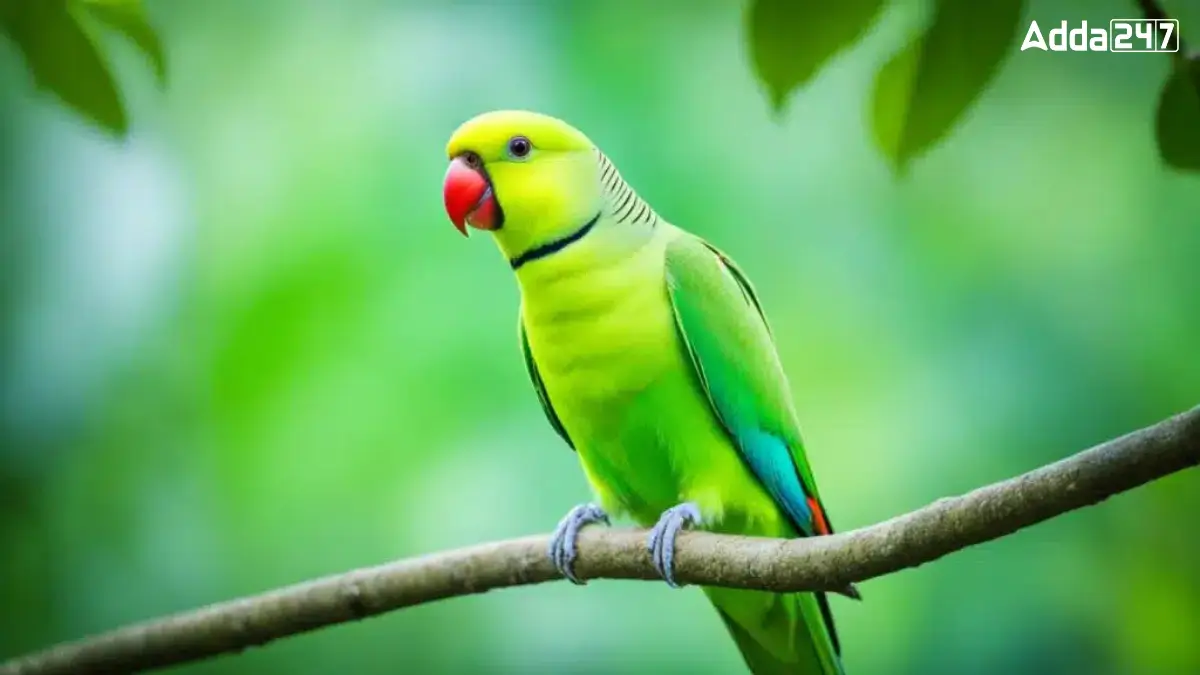
The rose-ringed parakeet is the state bird of Andhra Pradesh. It is also known as the Indian ringneck parrot. This medium-sized bird is bright green in color and has a red beak and a long tail. Male parakeets have a black and pink ring around their neck, which gives the bird its name. Female and young birds usually do not have this ring. The rose-ringed parakeet is admired for its beauty and lively nature.
Where is the Rose-Ringed Parakeet Found?
The Rose-Ringed parakeet is found in Africa and the Indian subcontinent. It has also spread to many other countries due to the pet trade. It can survive in different climates, including cold places like Northern Europe. In India, it is commonly seen in cities, forests and even farmlands.
Why is it the State Bird of Andhra Pradesh?
The rose-ringed parakeet is chosen as the state bird of Andhra Pradesh because:
- It is common in the state.
- It adapts well to different environments.
- It has cultural importance in India and is often seen in art and religious sites.
Threats to the Rose-Ringed Parakeet
Although the bird is not endangered, some threats include:
- Loss of trees due to urbanization.
- Captured for the pet trade.
- Considered a pest by farmers because it eats crops.








 Asian Games 2026: Which Sports Bring Ind...
 Odisha Orangutan Case Explained: CITES, ...
 Which Are Top-5 Heaviest Living Birds in...