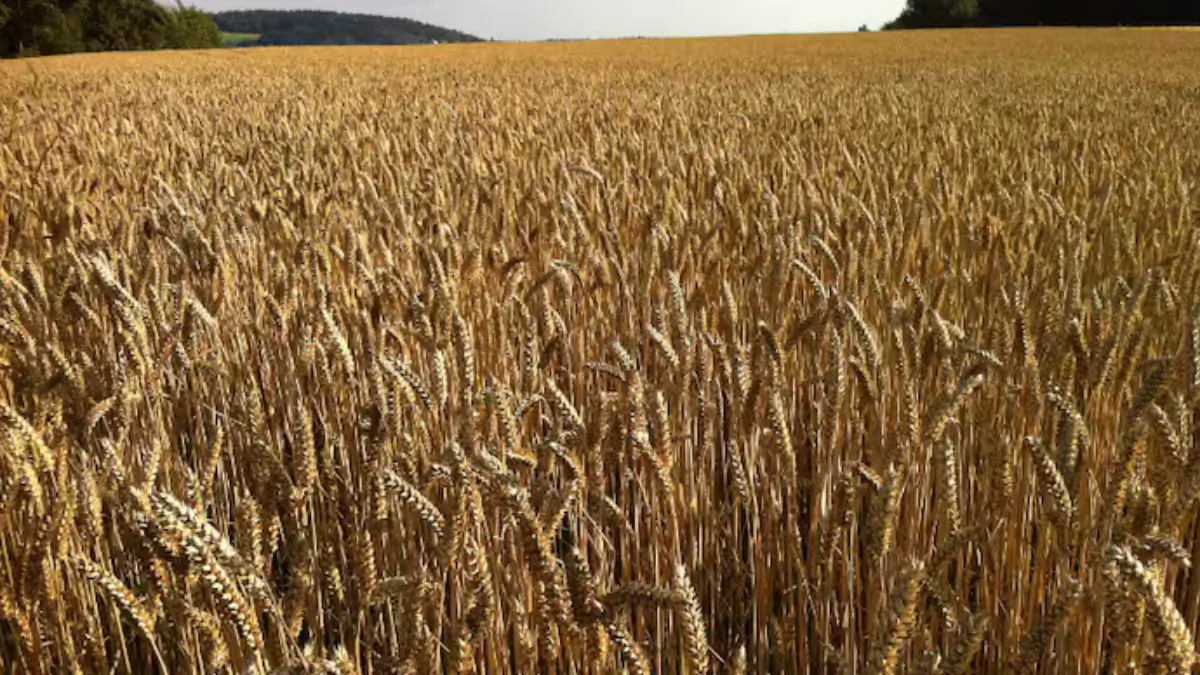
India is one of the world’s leading wheat-producing countries, and this crop plays a major role in feeding millions of people every day. Some cities are especially important because they grow large amounts of wheat and support farmers through research, storage, and modern farming methods. Such places help strengthen food security and improve agricultural growth across the nation.
Which City is known as the Wheat Granary of India?
Ludhiana is known as the Wheat Granary of India. It is located in Punjab, a state famous for fertile soil and large wheat production. The areas around Ludhiana grow huge quantities of wheat every year. The city is also an important centre for collecting, storing, and supplying wheat to different parts of the country, which gives it this special title.
Why is Ludhiana Called the Wheat Granary of India?
Ludhiana is called the Wheat Granary of India because it is located in one of the most fertile wheat-growing regions of Punjab. Farmers in and around the city grow large amounts of good-quality wheat every year. This wheat is supplied to government agencies and food storage centres. Ludhiana also acts as a major centre for wheat trade, storage, and transport, which strengthens its importance in India’s food system.
Historical Background of the Title
The title “Wheat Granary of India” became popular after the Green Revolution in India. During this period, modern farming methods, better irrigation, and high-yield wheat seeds were introduced in Punjab. Ludhiana emerged as a leading centre for agricultural growth and wheat production. Its continuous contribution to national food reserves helped it gain this respected title.
Location and Natural Advantages of Ludhiana
Ludhiana is situated in the central part of Punjab. The region has rich alluvial soil, which is very suitable for wheat farming. Rivers like the Sutlej and an extensive canal irrigation system provide enough water for crops. The flat plains, good climate, and fertile land together create perfect conditions for large-scale wheat cultivation.
Wheat Farming Around Ludhiana
Wheat is the main rabi crop grown in and around Ludhiana. Farmers use modern machines, improved seeds, and scientific farming practices to increase production. The region produces wheat in huge quantities every year, and a large share of this harvest is sent to government granaries for public distribution across India.
Role of Punjab in India’s Wheat Supply
Punjab is one of the top wheat-producing states in India and is often called the Granary of India. Ludhiana plays a key role within Punjab by supporting farmers through markets, storage facilities, and agricultural research. The city helps connect wheat-producing villages with national food supply systems.
Importance of Ludhiana in National Food Security
Wheat collected from Ludhiana and nearby areas is stored in government warehouses and used in the Public Distribution System (PDS). This wheat reaches millions of people across the country. In this way, Ludhiana supports India’s food security and helps ensure that basic food supplies remain stable.
Agriculture Research and Support
Ludhiana is home to important agricultural institutions and research centres. These institutions work on developing better wheat seeds, improving farming techniques, and training farmers. Their work has helped increase wheat production and improve crop quality over the years.
Strong Grain Market and Storage System
The city has well-developed grain markets, procurement centres, and storage facilities. During the harvest season, large quantities of wheat are bought, stored, and transported from these centres. This strong network makes Ludhiana an important hub for wheat handling and distribution.
Interesting Facts About Ludhiana
- Ludhiana played a major role during the Green Revolution, which made India self-sufficient in wheat production.
- The city supports farmers with modern tools and scientific knowledge.
- Its wheat contributes directly to feeding millions of people across India.
- Fertile land and good irrigation help maintain high and stable wheat yields.








 World’s Best Performing Banks 2026: HD...
 Which Country is the Largest Uranium Pro...
 SEMICON India 2026: Theme, Date, Venue, ...