
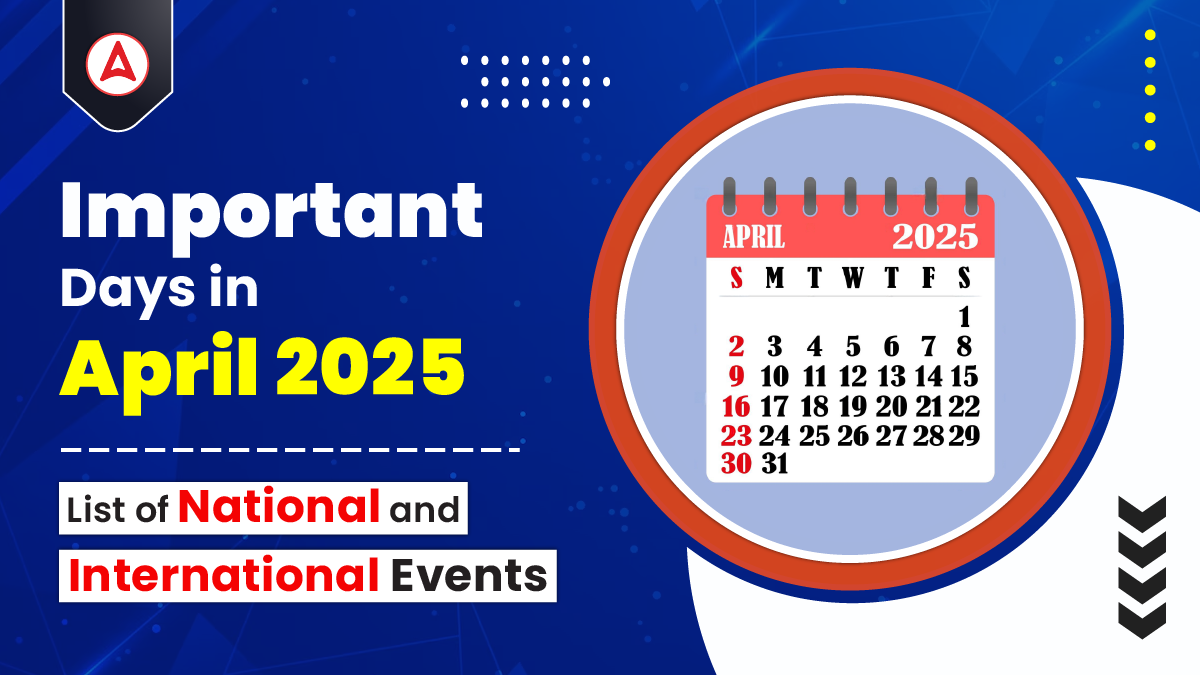
April 2025 has many important national and international days. These days help us remember historical events, celebrate special occasions, and raise awareness about important issues. From fun events like April Fool’s Day to meaningful ones like World Health Day and Earth Day, each day carries its own importance. Let’s explore the key days in April 2025 and understand why they are celebrated.
Important Days in April 2025
April 2025, the fourth month of the year, will feature various significant events and celebrations. These occasions will highlight global causes, raise awareness about important issues and celebrate cultural, religious and historical milestones. People around the world will participate in activities that promote health the environment, education and social causes. This month provides opportunities for reflection, fun and support for various communities and traditions, making it an exciting and meaningful time for everyone.
List of Important Days in April 2025, National and International Days
April 2025 is filled with numerous important national and international days. These days highlight various causes, festivals and awareness events that are celebrated worldwide. They focus on health, culture, history and global issues, offering opportunities for reflection and participation in meaningful activities.
Here is the list of important days in April 2025:
April Fool’s Day
April Fool’s Day, celebrated on April 1st, is a fun tradition where people play harmless pranks and jokes on others. It’s a lighthearted day meant to bring laughter and joy, with no harm intended, just good-natured fun.
Odisha Foundation Day
Odisha Foundation Day, celebrated on April 1st, marks the formation of the state of Odisha in 1936. It is a day to honor the rich culture, history and heritage of the state. Various events and cultural programs are organized to celebrate Odisha’s identity and progress.
Nature Day
Nature Day is a special day dedicated to celebrating the beauty and importance of nature. It encourages people to appreciate the environment, raise awareness about conservation, and promote actions that protect natural resources for future generations.
Prevention of Blindness Week
Prevention of Blindness Week aims to raise awareness about eye health and prevent vision loss. It focuses on educating people about common eye problems, their prevention and the importance of regular eye check-up for maintaining good vision.
World Autism Awareness Day
World Autism Awareness Day, observed on April 2nd, aims to increase understanding and acceptance of autism. It highlights the challenges faced by individuals with autism and promotes support, inclusion and respect for their unique abilities and needs.
International Fact-Checking Day
International Fact-Checking Day, celebrated on April 2nd, promotes the importance of verifying information. It encourages people to critically evaluate news and online content, helping to combat misinformation and ensure the accuracy of facts in media and communication.
National Walking Day
National Walking Day, observed on April 2nd, encourages people to embrace walking as a simple and effective way to stay healthy. It promotes physical activity, helps improving fitness, and raise awareness about the benefits of daily exercise for overall well-being.
Independent Artist Day
Independent Artist Day celebrates the creativity and hard work of artists who create without the backing of major studios or companies. It honors their unique contributions to art, culture and creative industry, promoting their independent and artistic freedom.
International Day for Mine Awareness
International Day for Mine Awareness, observed on April 4th, aims to raise awareness about the dangers of landmines and promote efforts for mine clearance. It highlights the importance of protecting communities and ensuring safe environments free from unexploded mines.
National Maritime Day
National Maritime Day, observed on April 5th, honors the importance of the maritime industry and its contribution to global trade and transportation. It highlights the role of sailors and ships in ensuring the smooth movement of goods across seas and oceans.
International Day of Sports for Development And Peace
International Day of Sports for Development And Peace, celebrated on April 6th, promotes the role of sports in fascinating peace, unity and social development. It encourages the use of sports to bring communities together and address global challenges.
National Library Day
National Library Day celebrates the importance of libraries in providing access to knowledge and information. It highlights the role of libraries in education, literacy and community development, encouraging people to explore and utilize library resources for learning and growth.
Pageant Day
Pageant Day celebrates the art of pageantry, recognizing the creativity, culture and talent showcased in beauty contests and competitions. It promotes confidence, self-expression and the appreciation of diverse cultures and values through elegant and inspiring events.
World Health Day
World Health Day, celebrated on April 7th, aims to raise awareness about global health issues. It focuses on promoting healthy living, improving access to healthcare, and encouraging people to take action for better physical and mental well-being.
World Homeopathy Day
World Homeopathy Day, observed on April 10th, honors the birth of Dr. Samuel Hahnemann, the founder of homeopathy. The day promotes awareness of homeopathy medicine as a natural and holistic approach to health and well-being.
Siblings Day
Siblings Day, celebrated on April 10th, honors the special bond between brothers and sisters. It’s a day to appreciate the love, support and shared memories that siblings provide, strengthening family connections and celebrating sibling relationships.
Mahavir Jayanti
Mahavir Jayanti celebrates the birth of Lord Mahavir, the 24th Tirthankara in Jainism. It is a day to honor his teachings of non-violence, truth and comparison. Devotees observe prayers, processions and charity to spread his message of peace and harmony
National Safe Motherhood Day
National Safe Motherhood Day, observed on April 11th, focuses on ensuring the health and safety of mothers during pregnancy and childbirth. It aims to raise awareness about maternal health, improve healthcare services and reduce maternal mortality through proper care and support.
National Pet Day
National Pet Day, celebrated on April 11th, is dedicated to honoring the love and companionship pets bring to our lives. It encourages people to show appreciation for their pets by spending time with them and promoting animal welfare and adoption.
World Parkinson’s Day
World Parkinson’s Day, observed on April 1th, raises awareness about Parkinson’s disease, neurological disorder. It highlights the importance of early diagnosis, treatment opinions and support for those living with the condition, aiming to improve understanding and care worldwide.
Jallianwala Bagh Massacre Day
Jallianwala Bagh Massacre Day, observed on April 13th, commemorates the tragic incident in 1919 when British troops opened fire on unarmed Indian civilians in Amritsar. It serves as a reminder of the sacrifice made for India’s independence and honors the lives lost in the massacre.
Baisakhi
Baisakhi, celebrated on April 13th, is a harvest festival observed in Punjab and other parts of India. It marks the beginning of the new harvest season and is also significant for Sikhs as it commemorates the formation of the Khalsa in 1699. People celebrate with prayers, processions and feasts.
B.R. Ambedkar Remembrance Day
B.R. Ambedkar Remembrance Day, observed on April 14th, honors the life and legacy of Dr. B.R. Ambedkar, a social reformer and the principal architect of the Indian Constitution. It celebrates his contributions to justice, equality and the rights of marginalized communities in India.
World Art Day
World Art Day, celebrated on April 15th aims, to promote the importance of art in society and its role in cultural expression. It encourages people to appreciate and support artistic creativity, fostering awareness of how art enriches lives and communities.
McDonald’s Day
McDonald’s Day, celebrated on April 15th, marks the founding of the McDonald’s fast-food chain. It honors the brand’s global impact, celebrating its contributions to the food industry and its role in shaping fast-food culture worldwide. People enjoy McDonald’s iconic meals on this day.
World Hemophilia Day
World Hemophilia Day, observed on April 17th, raises awareness about hemophilia, a rare bleeding disorder. It aims to educate the public about the condition, promote early diagnosis and support people living with hemophilia in accessing treatment and care.
World Heritage Day
World Heritage Day, celebrated on April 18th, aims to raise awareness about the preservation of cultural and natural heritage sites around the world. It encourages people to appreciate and protect historic landmarks and monuments for future generations.
Good Friday
Good Friday, observed during Holy Week, commemorates the crucifixion of Jesus Christ and his sacrifice for humanity’s sins. It is a solemn day of reflection, prayer and fasting for Christians around the world, marking the significance of Christ’s death before Easter Sunday.
Adult Autism Awareness Day
Adult Autism Awareness Day, observed on April 18th, focuses on raising awareness about autism in adults. It highlights the unique challenges they face, promotes understanding and encouraging support for individuals on the autism spectrum to lead fulfilling lives and access necessary services.
World Liver Day
World Liver Day, celebrated on April 19th, aims to raise awareness about liver health and related diseases. It encourages people to adopt healthy lifestyles, get regular check-ups and understand the importance of liver function in maintaining overall well-being.
Easter
Easter, celebrated on the first Sunday after the full moon following the spring equinox, marks the resurrection of Jesus Christ from the dead. It is a joyful Christian holiday, celebrated with church services, feasts and traditions like egg hunting, symbolizing new life and hope.
National Civil Service Day
National Civil Service Day, celebrated on April 21st, honors the contributions of civil servants in India. It recognizes their dedication and hard work in serving the public and maintaining the functioning of government institutions. The day encourages excellence and commitment to the welfare of the nation.
Secretaries Day
Secretaries Day, also known as Administrative Professionals Day, is observed on the last Wednesday of April. It honors the hard work and dedication of administrative professionals, such as secretaries and office assistants. The day recognizes their essential role in keeping businesses and organizations running smoothly.
Earth Day
Earth Day, celebrated on April 22nd, raises awareness about environmental issues and promote efforts to protect the planet. It encourages individuals and communities to take actions in reducing pollution, conserving resources, and supporting sustainability for a healthier, greener world.
World Book and Copyright Day
World Book and Copyright Day, celebrated on April 23rd, honors the importance of books in fostering knowledge, culture and creativity. It also highlights the significance of copyright protection for authors and creators, promoting the value of intellectual property in the literacy world.
National Lover’s Day
National Lover’s Day, celebrated on April 23rd, is a day to celebrate love and affection between partners. It encourages couples to express their feelings and appreciate each other through thoughtful gestures, making it a special occasion for romantic relationships.
Shakespeare Day
Shakespeare Day, observed on April 23rd, celebrates the birth and legacy of William Shakespeare, one of the greatest playwrights in history. The day honors his contributions to literature, language and theatre, encouraging the appreciation of his works and their timeless influence on the arts.
World Table Tennis Day
World Table Tennis Day, celebrated on April 23, promotes the sport of table tennis globally. It encourages people of all ages and abilities to engage in the game, highlighting its benefits for physical health, coordination and social interaction while fostering a love for the sport.
National Panchayati Day
National Panchayati Day, celebrated on April 24th, honors the establishment of Panchayati Raj in India. It recognizes the role of local self-governance in rural areas, empowering citizens to manage their own resources and address community issues. The day highlights the importance of decentralization in governance.
World Malaria Day
World Malaria Day, observed on April 25th, aims to raise awareness about malaria, a life-threatening disease transmitted by mosquitoes. It focuses on global efforts to prevent, treat and ultimately eliminate malaria, highlighting the importance of access to healthcare, prevention methods and research.
World Penguin Day
World Penguin Day, celebrated on April 25th, highlights the conservation of penguins and their natural habitats. It raises awareness about the threats penguins face, such as climate change and habitat loss, and encourages efforts to protect these unique and beloved birds.
World Intellectual Property Day
World Intellectual Property Day, celebrated on April 26th, aims to raise awareness about the importance of intellectual property in fostering creativity and innovation. It highlights how IP protects creators’ rights, encourages new ideas and contributes to economic growth and cultural development.
National AI Day
National AI Day, celebrated on April 26th, recognizes the advancements and impact of artificial intelligence on society. It highlights the role of AI in various fields, such as healthcare, education and technology, while encouraging discussions about its ethical use, innovation and future potential.
World Design Day
World Design Day, celebrated on April 27th, honors the significance of design in shaping the world. It highlights the role of design in improving everyday life, solving problems and fostering creativity across industries.
World Day for Safety and Health At Work
World Day for Safety and Health At Work, observed on April 28th, promotes awareness about workplace safety and health. It encourages safer working conditions and highlights the importance of protecting workers’ well-being.
International Dance Day
International Dance Day, celebrated on April 29th, honors the art of dance and its cultural significance worldwide. It promotes the benefits of dance for physical and mental health while encouraging people to appreciate different across forms.
Ayushman Bharat Diwas
Ayushman Bharat Diwas, celebrated on April 30th, marks the launch of the Ayushman Bharat Scheme, which aims to provide health insurance coverage to millions of low-income families in India. The day highlights efforts to improve healthcare access and affordability for all citizens.








 Mahila Kisan Diwas 2026 to Highlight Wom...
 World Students’ Day 2026: Date, Signif...
 International Day for Disaster Risk Redu...










