
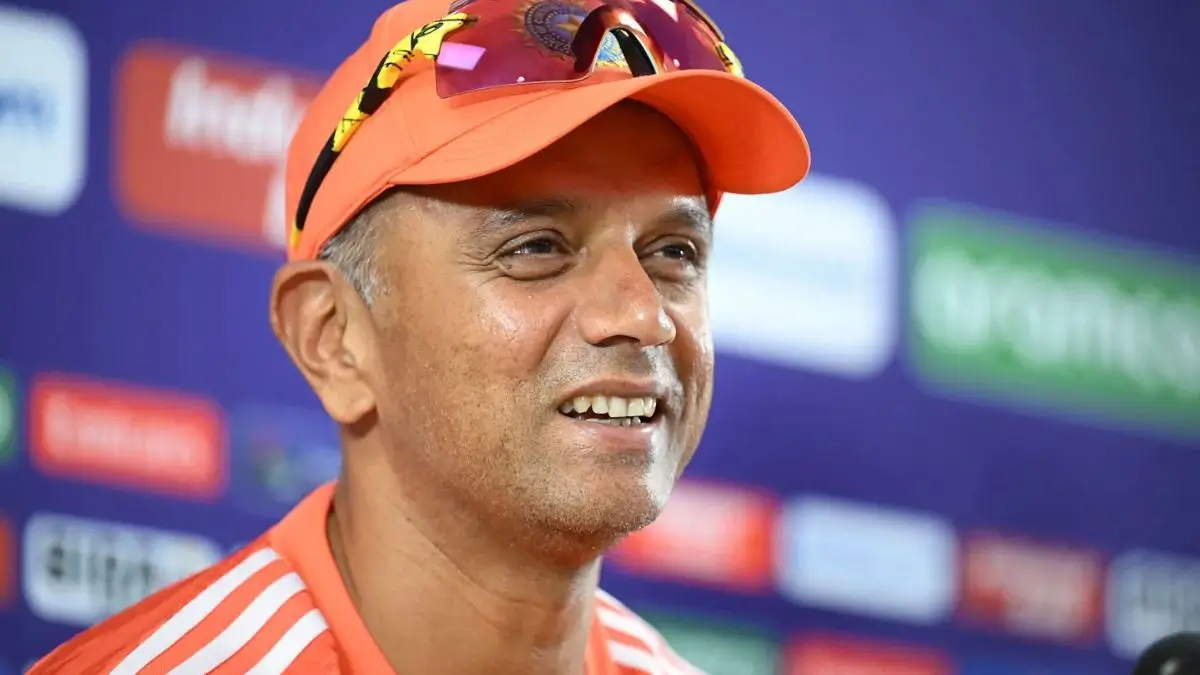
India’s legend cricketer Rahul Dravid become the owner of the Dublin franchise in the European T20 Premier League (ETPL). As ETPL will be launch in this year and it is the Europe’s first ICC sanctioned multi country franchise T20 competition.
What Is the European T20 Premier League?
The European T20 Premier League (ETPL) is the new franchise based cricket competition which is designed to accelerate the cricket’s growth in Europe.
As compare to other domestic T20 leagues which are focused on one country and ETPL is built as a multi country tournament which involves cricket boards from,
- Ireland
- Scotland
- Netherlands
The competition has been launched in partnership with the,
- Cricket Ireland
- Cricket Scotland
- Royal Dutch Cricket Association
Dublin Guardians: Rahul Dravid’s New Team
Dravid will own the Dublin Guardians which is one of six inaugural franchises in the tournament.
The full team lineup includes,
- Dublin Guardians
- Belfast franchise
- Edinburgh franchise
- Glasgow franchise
- Amsterdam franchise
- Rotterdam franchise
Dravid said that the league’s larger mission attracted him more than just ownership.
Why Rahul Dravid’s Entry Matters
Dravid is not just another the celebrity investor.
He is widely respected as the,
- Former India captain
- Former India head coach (World Cup Winner in 2024)
- Architect of the youth cricket development
His association will give the ETPL strategic advantage.
A Star Studded Ownership Structure
ETPL has also attracted the several major international cricket names.
Franchise ownership includes the,
- Dublin: Rahul Dravid
- Belfast: Glenn Maxwell and Rohan Lund
- Edinburgh: Kyle Mills, Nathan McCullum, Rachel Wiseman
- Glasgow: Chris Gayle and Vipul Aggarwal
- Amsterdam: Steve Waugh, Jamie Dwyer, Tim Thomas
- Rotterdam: Jonty Rhodes, Faf du Plessis and partners
Big International Players Expected in ETPL 2026
The league is also expected to feature established international stars such as the,
- Mitchell Marsh
- Tim David
- Mitchell Santner
- Liam Livingstone
- Glenn Maxwell
- Faf du Plessis
- Heinrich Klaasen








 Which Countries Are in the Race for the ...
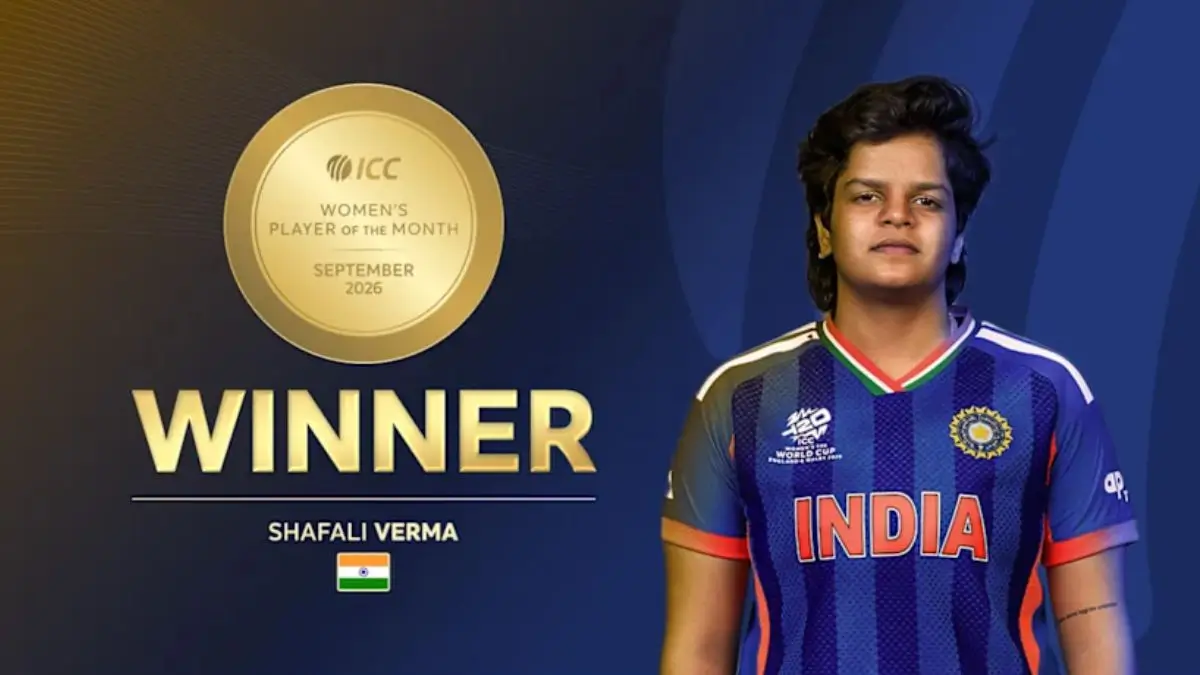 Shafali Verma Wins ICC Women’s Player ...
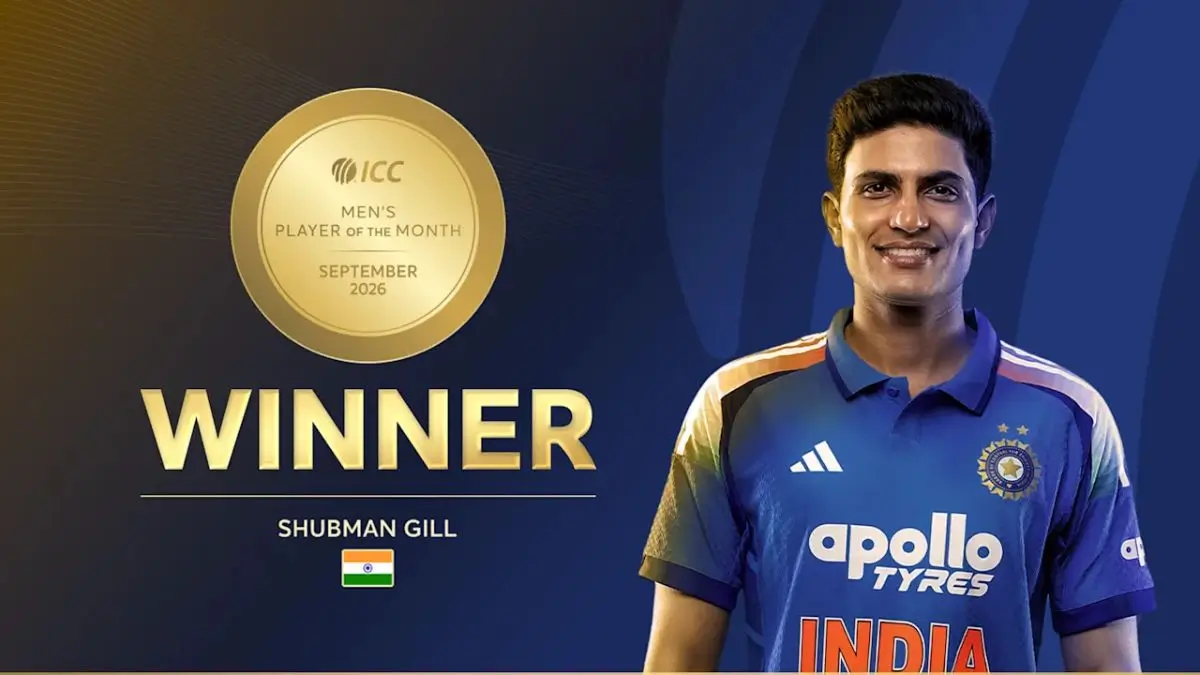 ICC Player of the Month: Shubman Gill Se...










