Asian Games 2026 Day 9: India Medal Winners, Results and Medal Tally

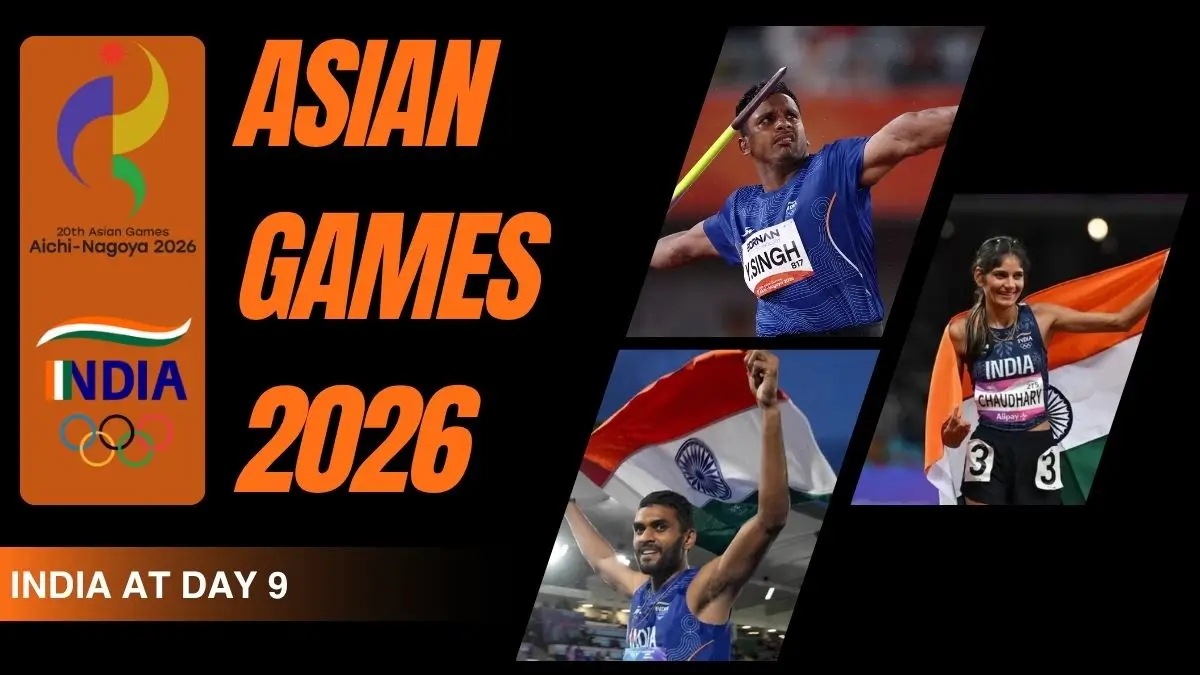
India had the most successful day at the Asian Games 2026 so far in Day 9, winning eight medals – four silvers and four bronzes. Athletics was the top discipline in terms of medal haul for India in both silver and bronze medals through two podium finishes in men’s javelin events, along with medals from Yash Vir Singh, Gulveer Singh, Murali Sreeshankar, Parul Chaudhary and Vithya Ramraj.

In men’s javelin event, Yash Vir Singh won silver medal with his personal best throw of 85.72m, whereas, Rohit Yadav won bronze with 84.35m throw. Gulveer Singh won silver medal in men’s 1500m run and Murali Sreeshankar bagged another silver medal in men’s long jump event. Parul Chaudhary won bronze in women’s 5000m and Vithya Ramraj won bronze in women’s 400m hurdles after breaking the 42-year-old national record set by PT Usha. Esha Singh won silver in women’s 25m pistol shooting and Pincky Balhara brought home bronze in women’s 78kg kurash.

Furthermore, India also qualified for men’s cricket semi-finals after their quarter final game against Afghanistan was washed out due to heavy rains. Priya Ghanghas, Kapil Pokhariya and Lovlina Borgohain also secured three more medals for India in boxing.

India At Asian Games 2026: Day  Medal Winner’s Tally

Medal Total Winners
Gold 0
Silver 4
Bronze 4
Total 8

India’s Overall Medal Tally Asian Games 2026

Medal Total Winners
Gold 4
Silver 16
Bronze 18
Total 38

India’s Medal Winners Day-09

Yash Vir Singh – Silver, Men’s Javelin Throw

The men’s javelin throw saw Yash Vir Singh bag a silver medal after an outstanding performance of 85.72m, which came out in his last throw of the contest to make India win their first of two medals in the contest.

Gold was won by Rumesh Tharanga Pathirage from Sri Lanka, who threw 88.55m, whereas Rohit Yadav from India clinched the bronze.

Rohit Yadav – Bronze, Men’s Javelin Throw

India bagged their second medal of the day when Rohit Yadav bagged bronze after a throw of 84.35m.

Yadav had thrown a very good throw in the third round to take the lead, but he later finished third in the event. Arshad Nadeem won fourth place with 80.29m.

Gulveer Singh – Silver, Men’s 1500m

Gulveer Singh secured silver in the men’s 1500m final with a new personal best of 3:36.72.

Kazuto Iizawa from Japan secured gold in 3:36.35, while Nagiya Mori won bronze in 3:37.92. With this performance, Gulveer won his second medal in Aichi-Nagoya, adding to the one he earned in the 10,000m event and will compete in the men’s 5000m.

Murali Sreeshankar – Silver, Men’s Long Jump

Murali Sreeshankar secured silver in the men’s long jump event with his best jump of 8.07m.

The Indian repeated the achievement of his second-place finish in Hangzhou 2023. The gold medalist was Shi Yuhao from China, who jumped 8.17m. Anvar Anvarov from Uzbekistan earned bronze with a jump of 8.06m. The seventh place was taken by David Patturaj Solomon with 7.70m.

Parul Chaudhary – Bronze, Women’s 5000m

Parul Chaudhary earned bronze in the women’s 5000m after posting 15:14.61.

Winfred Yavi from Bahrain won the gold in 15:10.18, while Nozomi Tanaka from Japan won silver in 15:11.65. This was Parul’s second medal from Aichi-Nagoya, earning in the 3000m steeplechase. This is also her fourth Asian Games medal ever.

Vithya Ramraj – Bronze, Women’s 400m Hurdles

Vithya Ramraj clinched bronze in women’s 400m hurdles, recording a new national record of 54.75 seconds.

She bettered PT Usha’s national record by 0.67 seconds, thereby ending a 42-year-old mark. This was the second medal for Vithya in Aichi-Nagoya after the silver she got in the mixed 4x400m relay event.

Anu Raghavan placed fifth with a new personal best time of 55.88 seconds.

Esha Singh – Silver, Women’s 25m Pistol

Esha Singh secured silver in the women’s 25m pistol category, tying with China’s Xiao Jiaruixuan on 38-38. Xiao won the shoot-off, defeating Esha with a score of 4-3.

Kim Hyon Suk of North Korea secured bronze.

The women’s 25m pistol team from India finished fifth with a score of 1727-56x.

Pincky Balhara – Bronze, Women’s 78 kg Kurash

Pincky Balhara won a bronze medal in women’s 78 kg kurash.

She qualified for the semi-finals by beating South Korean Lim Garam in the quarter-finals but lost to another South Korean, Mo Sumin, in the semi-finals.

India Win Multiple Matches on Day 10

India had several victories on Day 10 in both teams’ and individuals’ categories.

  • Men’s Cricket: India’s quarterfinal match against Afghanistan was cancelled because of rain. As per the rules of the event, India advanced to the semis as the better-ranked team.
  • Men’s Volleyball: India beat Hong Kong, China 3-0 winning sets 25-22, 25-19 and 25-21.
  • Women’s Squash: India beat China 2-1 in women’s team Pool C match followed by a 2-1 win against Japan.
  • Men’s Squash: India beat China 3-0 in Pool A match while winning 2-0 over the Republic of Korea.
  • Archery: Chikitha Taniparthi qualified for the women’s compound quarterfinal by beating Chinese Taipei’s Chen Yi-Hsuan in shoot-off.
  • Archery: Ganesh Mani Ratnam Thirumuru made it to the men’s compound quarterfinal by defeating his compatriot Sahil Jadhav in round of 16.
  • Boxing: Lovlina Borgohain and Kapil Pokhariya both qualified for semis and assured medals for India.
  • Hockey: India played against Bangladesh in the men’s Pool A game.
  • Shooting: The 25m pistol women’s team of India placed fifth and Esha Singh won silver in the individual final after qualifying for the same.
  • Sailing: Vishnu Saravanan, Nethra Kumanan and other Indian sailors took part in their respective qualification and first series.
  • Surfing: Sivaraj Babu lost out in the Round 3 of men’s shortboard.

Results of Athletics for India

Athletics continued to be the largest focus area for India on Day 10.

  • Vithya Ramraj: Bronze medal in women’s 400m hurdles, timing 54.75 seconds.
  • Anu Raghavan: Fifth place in women’s 400m hurdles, 55.88 seconds.
  • Santhosh Kumar Tamilarasan: Seventh place in men’s 400m hurdles, 49.95 seconds.
  • Avinash Sable: Fourth place in men’s 3000m steeplechase with the season best timing of 8:21.67.
  • Seema: Fourth place in women’s discus throw with the personal best throw of 59.88m.
  • David Solomon Patturaj and Murali Sreeshankar: Qualified for men’s long jump final. Sreeshankar qualified with the personal best of 8.41m and season best of 8.38m, whereas Patturaj had the best of 8.22m.
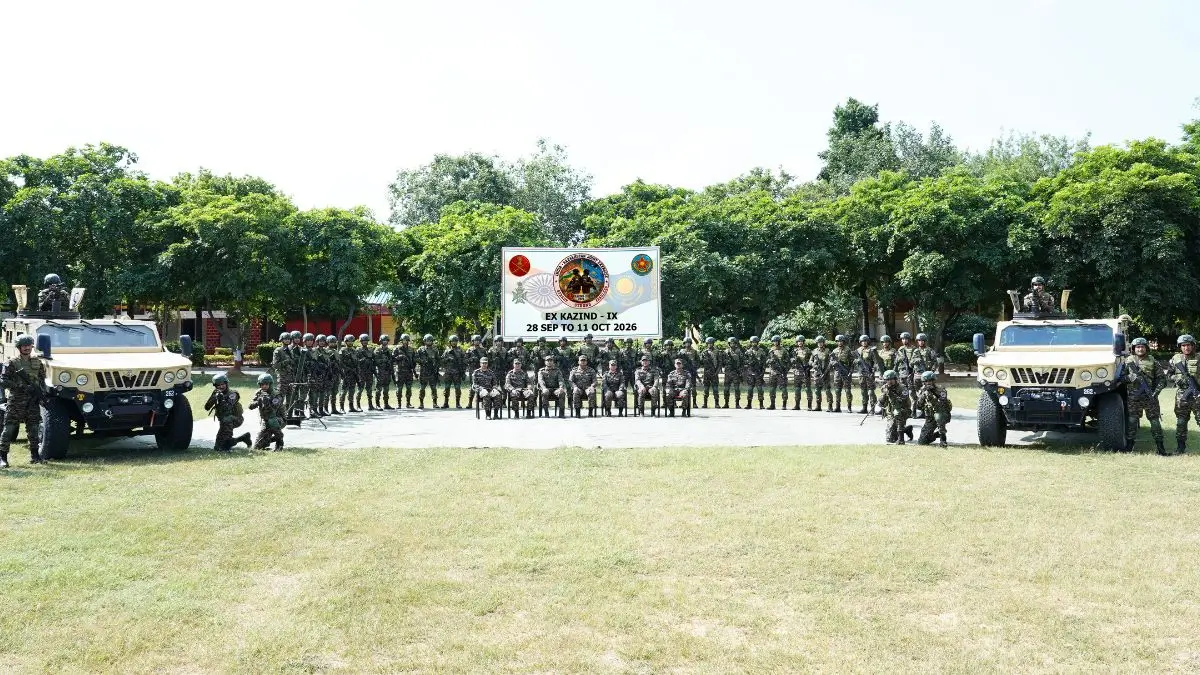
KAZIND-2026: India-Kazakhstan Joint Military Exercise Begins in Kazakhstan

The Indian Armed Forces have sent a team of 60 members to Oskemen, Kazakhstan, for participation in the India–Kazakhstan Joint Military Exercise KAZIND, scheduled from September 28 to October 11, 2026. It is the ninth edition of the India-Kazakhstan Joint Military Exercise that aims at improving the interoperability and joint counter-terrorism abilities. The Indian team comprises mostly members of one battalion of the Garhwal Rifles, as well as members of other arms and services of the army and Indian Air Force.

Emphasis on Joint Counter-Terrorism Operations

The main aim of KAZIND-2026 is to enhance the capacity of both forces to undertake joint counter-terrorism operations in a sub-conventional setting, under a UN mandate.

The exercises will concentrate especially on semi-urban and mountainous areas. Such terrains call for joint planning, movements, collection of intelligence and fast reaction by various branches of the military force.

The exercises will involve training in,

  • Joint counter-terrorism responses to terrorist attacks
  • Raiding and Search and Destroy missions
  • Cordon and Search missions
  • Helipad and Landing sites security
  • Special Heliborne Operations
  • Air Mobility
  • UAV Operations
  • Anti-UAV operations

Joint Command Post and Intelligence Centre

In KAZIND-2026 there will be the establishment of a Joint Command Post and an Intelligence Surveillance Centre. This will facilitate joint planning, sharing and implementation of joint operations.

The exercise will end with the conducting of a full validation exercise. The two contingents will jointly use the tactics, techniques, and procedures that have been learned through the exercise on a simulated terrorist threat.

This will give the forces a chance to see how they can coordinate in a situation that resembles the real scenario.

Boosting India-Kazakhstan Military Cooperation

This exercise is an opportunity for India and Kazakhstan to share their operational experience and get acquainted with each other’s military personnel.

The exercise is also a part of the overall military cooperation between the two countries. KAZIND-2024 took place from September 30th to October 13, 2024, and according to the India’s Ministry of External Affairs, the exercise is part of the ongoing defence cooperation between the two countries.

There is also a more comprehensive strategic partnership between India and Kazakhstan which includes various sectors including defence and security, energy, connectivity, critical minerals, and advanced technologies.

KAZIND Exercise: Background

The military exercise involving India and Kazakhstan was originally known as Prabal Dostyk. India-Kazakhstan’s first joint counter-terrorism exercise took place in September 2016.

This exercise later developed into KAZIND, which has been serving as a platform for joint military exercises for the two nations.

The exercise is pertinent to counter-terrorism cooperation since both nations have a stake in building capabilities to counter asymmetrical security challenges.

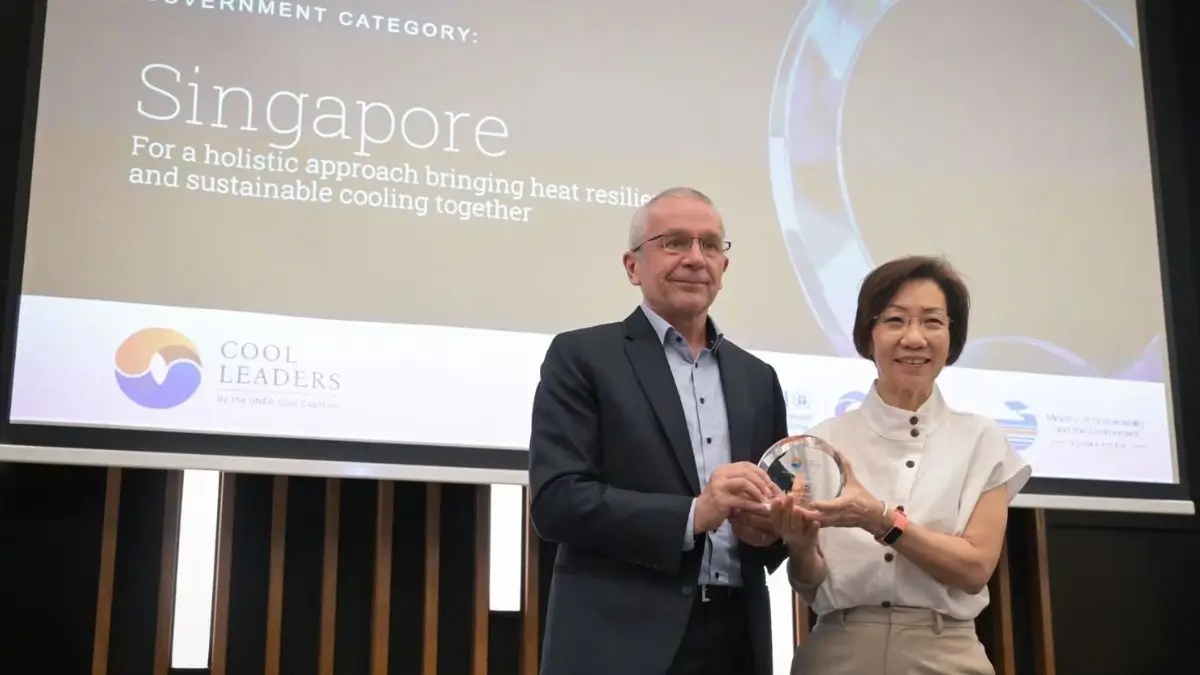
Cool Leaders Award 2026: Singapore, UAE and Dong Mingzhu Recognised

The very first Cool Leaders Awards were made at the Global Cooling Pledge Assembly 2026 that was held in Singapore. The Cool Leader awards were established by the Cool Coalition, led by the UNEP to recognize those who are making efforts in sustainable cooling and protecting people from heatwaves. This year’s first recipients of this award are Singapore, the United Arab Emirates (UAE), and Dong Mingzhu, the chairperson of Gree Electric Appliances. Global Cooling Pledge Assembly took place in Singapore from 15 to 18 September 2026.

First Cool Leaders and Their Role

The first three Cool Leaders show different approaches in sustainable cooling.

Cool Leader Name
Singapore Heat Resilience and Sustainable Cooling
United Arab Emirates District Cooling and Sustainable Cooling for Policy Makers
Dong Mingzhu Ultra-Efficient Low-Carbon Cooling Technologies

Singapore was selected for its overall heat-resilient and sustainable cooling practices in a crowded tropical urban environment.

The UAE was selected for its district cooling practices and connection of cooling with international climate and development policy.

Chairman of the Gree Electric Appliances Company Dong Mingzhu was selected for her leadership in ultra-efficient and low-carbon cooling technologies, such as Zero Carbon Source air conditioning.

The Cool Leaders’ term lasts one year, during which they use their experience and recognition to promote sustainable cooling technologies.

UNEP Cool Coalition: What It Is

The UNEP Cool Coalition is an international multi-stakeholder network committed to the promotion of sustainable cooling.

This Coalition was established in 2019 as one of the flagships of the UN Secretary-General’s Climate Action Summit. More than 250 stakeholders such as governments, corporations, cities, and financial organizations comprise the coalition.

The UNEP Cool Coalition works on systemic changes aimed at increasing access to sustainable cooling and at the same time enhancing energy efficiency and reducing climate change.

Global Cooling Pledge and Sustainable Cooling

The Global Cooling Pledge was created during COP28 in 2023 by the UAE Presidency and the Cool Coalition of the UNEP.

It is the first globally shared pledge that is specifically targeting reducing climate impacts caused by cooling and providing people with sustainable cooling.

The key goals of the Global Cooling Pledge are,

  • To reduce the emissions associated with cooling activities by 68% by 2050.
  • To increase the number of people who have access to sustainable cooling by 2030.
  • To boost the energy efficiency of air conditioning units by 50% compared to 2022 figures for 2030.

They have become highly relevant due to increased need for cooling related to urbanization, warming trends, and high heat exposures worldwide.

Exercise Tarang Shakti 2026 Begins at Jodhpur with Seven Foreign Air Forces

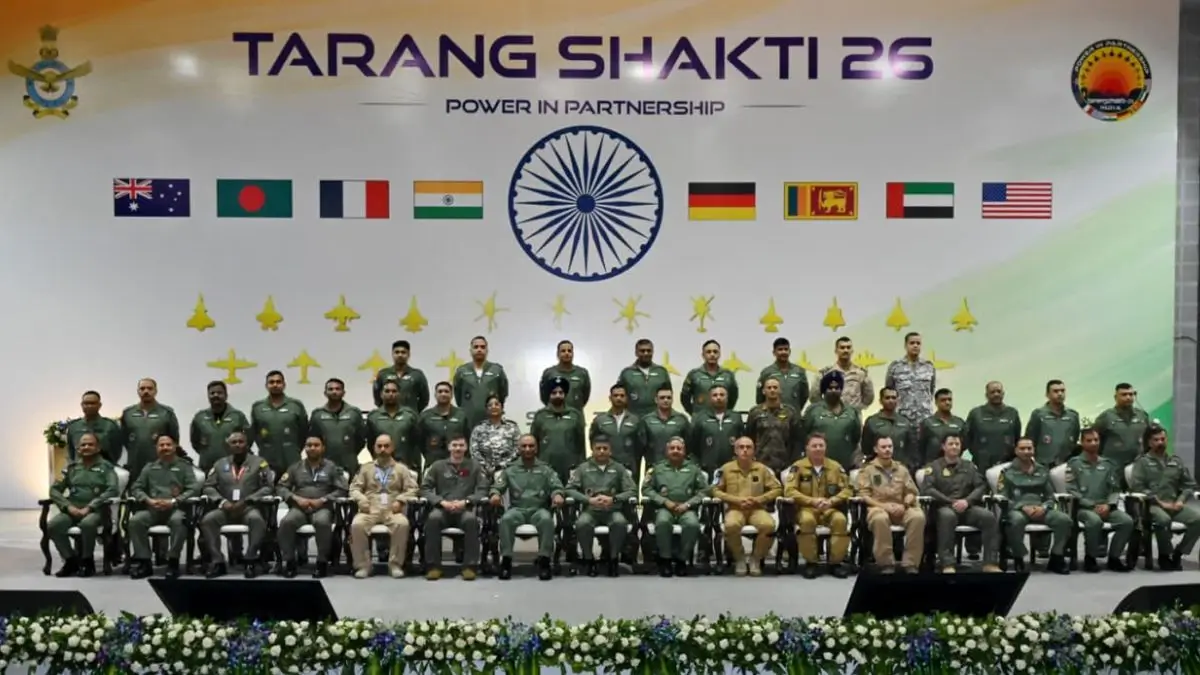
Exercise Tarang Shakti 2026 has been started by the Indian Air Force in operational mode at Air Force Station Jodhpur, in the state of Rajasthan. The multi-national air exercise will take place from 26th September to 12th October, 2026 under the theme “Power in Partnership.” The exercise involves the Indian Air Force and air forces of seven foreign friendly nations. This is the second time that this exercise is taking place after the first ever exercise named Tarang Shakti was held in 2024.

Seven Foreign Countries Participating

The list of seven participating Friendly Foreign Countries (FFCs) is as follows:

Name of Country  Participating Air Force
Australia Royal Australian Air Force
United States of America United States Air Force
United Arab Emirates UAE Air Force
France French Air and Space Force
Germany German Air Force
Sri Lanka Sri Lanka Air Force
Bangladesh Bangladesh Air Force

There are other foreign countries also participating in the exercise as observers, thus increasing the scope of professional interaction among those participating.

F-35, Rafale and F-16 Among the Participating Aircraft

Tarang Shakti 2026 sees the convergence of various platforms of combat, transport and aerial refuelling nature.

The list of foreign aircraft that are participating in the exercise includes,

  • F-35 Lightning II
  • Rafale
  • F-16
  • A400M
  • MRTT
  • C-130
  • C-130J
  • KC-30A

These platforms come from varied operational backgrounds such as fighter missions, strategic and tactical airlift, transport missions and air to air refuelling missions.

The inclusion of the US F-35, a fifth generation stealth fighter aircraft, is one of the salient features of Tarang Shakti 2026. This is the first time that the IAF is exercising with the F-35.

Interoperability and Joint Operations

One of the aims of Tarang Shakti 2026 is to increase interoperability, which refers to the ability of various military forces and systems to work efficiently in coordination with each other.

It offers an opportunity for aircrew, mission planners, and operational support staff to engage in professional interaction and exchange their experience. These include operational aspects, aerospace safety, and mission planning.

Joint flying and operational events give participating air forces a chance to learn about each other’s capabilities, procedures, and approach towards air operations.

Professional and Cultural Activities

The exercise goes beyond flying events. Several professional, cultural, and outreach activities have been organized in connection with this exercise.

Some of them are as follows,

  • Professional seminars
  • Industry tour for foreign contingents
  • Sekhon marathon
  • Heritage tour
  • Yoga classes

Kandla Begins Development of India’s First Port-Based E-Methanol Facility

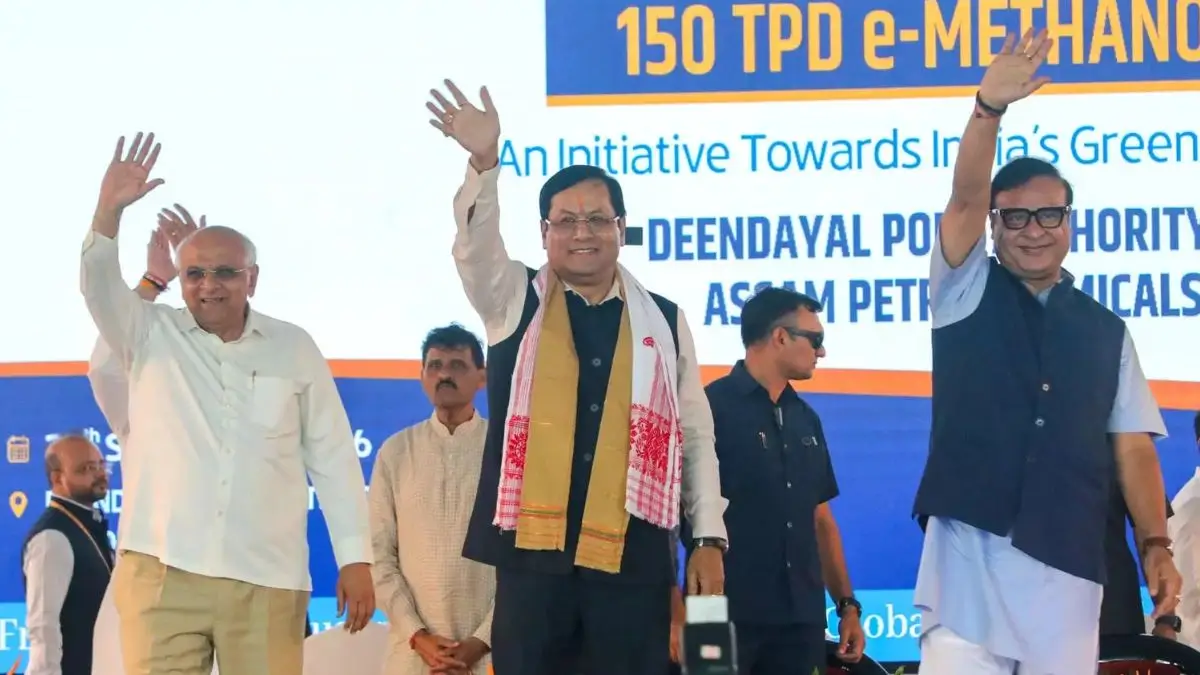
A port-based plant for e-methanol production in the port of Kandla in the state of Gujarat, India, is under consideration as one of the initiatives for cleaner fuel for ships. This project is being implemented through cooperation of Deendayal Port Authority (DPA) and Assam Petro-Chemicals Ltd (APCL). This plant is going to have a production capacity of 150 tonnes per day (TPD).

This project is connected with the creation of an integrated eco-system of green fuels in Kandla. E-methanol may be used as an alternative marine fuel for international shipping.

₹2,300 Crore Project to Be Constructed in Two Stages

The construction of the project will be done in two stages based on the information available in the attached project report.

  • Location: Kandla, Gujarat
  • Port: Deendayal Port Authority
  • Project Partners: DPA and Assam Petro-Chemicals Ltd
  • Total planned capacity: 150 TPD
  • Total project investment: ₹2,300 crore
  • Phase I: 50 TPD
  • Phase II: Additional 100 TPD
  • Ratio of investment between: DPA & APCL 76:24

It was announced by the government in the month of January 2026 that there would be an investment of over ₹1,200 crore for 150-TPD project and that it could create over 3,500 jobs directly or indirectly. DPA will provide port-side infrastructure like pipeline connectivity and fuel handling facility and APCL will set up the production unit.

What is E-Methanol?

E-methanol, or electro-methanol, is manufactured through the use of green hydrogen and CO2 captured from the atmosphere, with renewable electricity powering the entire production process. The fuel is under consideration as a potential alternative for industries where electrification may prove to be more difficult, such as shipping, industrial operations, and chemicals manufacturing.

When applied in the maritime sector, e-methanol can power suitable dual-fuel ships. Thus, its development is associated with the transition to cleaner shipping fuels worldwide.

Kandla Begins Methanol Bunkering

The development of methanol-bunkering infrastructure in Kandla supports the e-methanol production process.

The Deendayal Port Authority carried out a shore-to-ship methanol-bunkering demonstration at Kandla in April 2026. It involved assessing the procedure and safety involved in transferring fuel. DNV Maritime Advisory Services evaluated the infrastructure of the port and gave the Kandla Port a readiness level of 6 on the IAPH methanol bunkering level scale.

The availability of approximately 500 KTPA of RFNBO-compatible e-methanol at Kandla in 2028–29 is expected to support deep-sea dual-fuel vessels plying the Asia-Europe trade lane.

Green Shipping and Asia-Europe Corridor

Given the strategic positioning of Kandla in terms of its geography within western India, it will have direct relevance to international maritime trade. This is because the proposed e-methanol ecosystem would enable ships using green fuel to traverse international shipping lanes.

In addition, the government has designated Deendayal Port as one of the ports that are being developed as part of a Green Hydrogen Hub as per the National Green Hydrogen Mission. The port has a 1 MW electrolysis-based green hydrogen plant and has allocated land for green hydrogen and green ammonia projects.

Role of Deendayal Port Authority

Deendayal Port Authority was a subsidiary of Kandla Port and is one of the largest ports in the country under the administration of the Ministry of Ports, Shipping and Waterways.

It is strategically located in the Kutch district of the state of Gujarat and has been playing a crucial role in the country’s western seaport operations. According to industrial sources, the port handled 160.11 million tonnes of cargo in FY 2025–26, making it the most productive Indian major port in FY 2025-26.

The present cargo handling, storage capacity, and future alternative fuel technology can serve as a base for Green Marine operations.

Assam-Gujarat Partnership

This is an example of collaboration between Assam and Gujarat within the field of clean energy. APCL uses its expertise in chemicals and industries from Assam, whereas DPA gets access to ports and global sea trade from Gujarat.

The collaboration showcases how production capacities in one state can be combined with renewable energy in another.

Asian Games 2026: Esha Singh Wins Silver in Women’s 25m Pistol

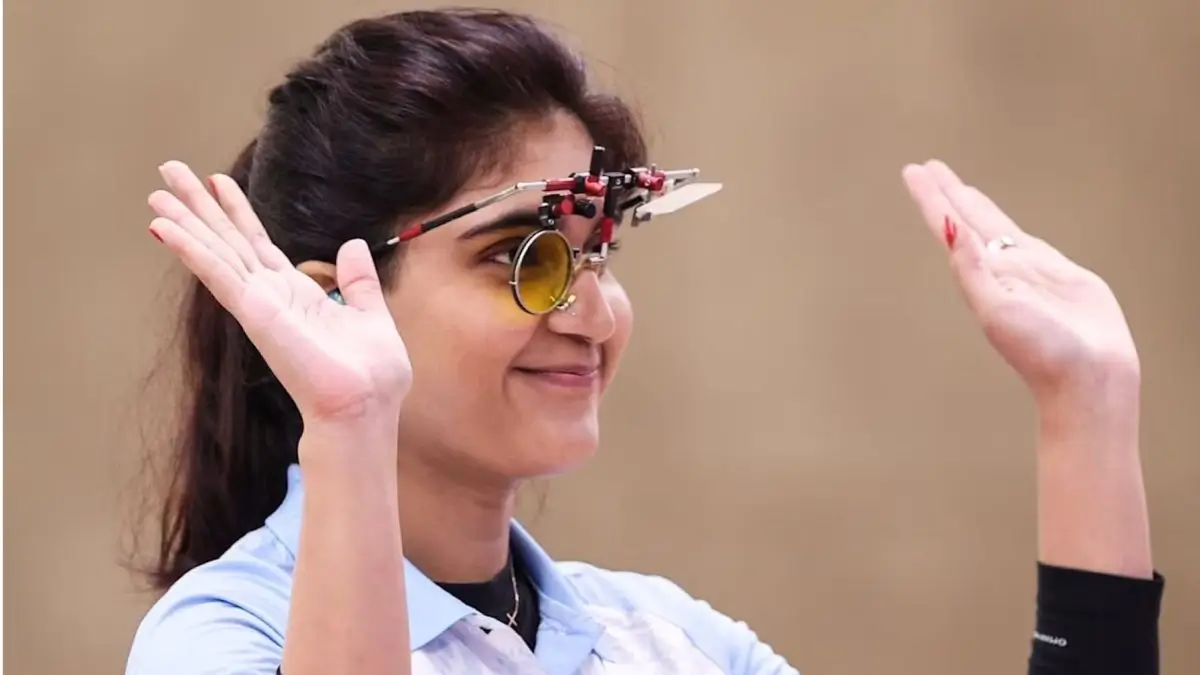
Indian Esha Singh bagged the silver medal in the women’s 25m pistol individual event of the Asian Games 2026 held in Nagoya, Japan on September 28. Esha qualified for the final with a total of 580 points and then had to go through several shoot-offs for a medal in the event. In the gold medal shoot-off, she competed against Chinese Xiao Jiaruixuan. While both shooters were tied at 38 points at the end of the regular final round, Esha failed the last shot and ended up taking the second position while Kim Hyon Suk from North Korea won bronze.

Road to Esha’s Final

Qualifying as eighth with 580 points in qualifying, Esha beat Chinese Taipei’s Yen-Ching Cheng who also qualified as eighth with 580 points. Esha had 22 inner tens (X). Only the top eight shooters were able to make it to the final round.

The final turned out to be tough for Esha since she went through four shoot-offs, where she managed to win three of them in order to still be among those competing for the medals. She then faced two shoot-offs against Chinese Xiao Jiaruixuan in the battle for the gold medal.

Manu Bhaker Places 11th

The two-time Olympics medallist, Manu Bhaker failed to qualify for the individual final, after placing 11th in qualifications with a score of 579-18x. The top eight shooters made the cut for the medals round.

She had previously placed fifth in the women’s 10m air pistol final at the Asian Games. The 25m pistol qualifications saw her finish her individual events without winning a medal.

India Places Fifth in Women’s 25m Rapid Fire Pistol

India also failed to win a medal in the women’s 25m rapid fire pistol team event. The team consisting of Manu Bhaker, Esha Singh, and Rahi Sarnobat placed fifth with a combined score of 1727-56x.

The poor performance of Rahi Sarnobat in the rapid stage hurt India’s chances of winning the game. In the fourth series, she scored 39 points, whereas an individual score of 568 saw her place 30th out of 44 participants.

Team China won gold with 1743-68x, followed by Team South Korea with 1735-65x and Team Chinese Taipei with 1734-48x.

About 25m Pistol Event

25m pistol is an event that involves both precise and rapid-fire shooting. During the qualification rounds, there are both precise and rapid firing phases, and the overall performance determines who qualifies to the finals.

In the individual finals, scoring is done using a completely different system that involves hits and misses, and ties during crucial moments may require tiebreakers. This is why even when scoring was up to 600 points for the qualification phase, the individual final had many tiebreaker moments.

In conclusion, it involves both precision and ability to handle pressure during the rapid phase.

Tamil Nadu Launches Thaaimaman Thanga Mothiram Scheme

Chief Minister of Tamil Nadu, C. Joseph Vijay, has introduced a scheme named Thaaimaman Thanga Mothiram Thittam or ‘Maternal Uncle Gold Ring Scheme’ in Madurai on September 28, 2026. Under this scheme, newborns are provided with a 22-carat gold ring of one-gram weight in various hospitals of Tamil Nadu run by the government. This scheme is inspired by the Tamil culture where gifts are offered to the baby by maternal uncle named as Thaaimaman Seer.

Eligibility for Gold Ring Scheme

The scheme applies to babies born in government hospitals in Tamil Nadu from June 22, 2026 onwards. The scheme is thus retroactive from June 22, which is also the Chief Minister’s birthday.

The requirements for the scheme include,

  • The child should be born in a government hospital in Tamil Nadu.
  • The mother should be a resident of Tamil Nadu.
  • The mother should be enrolled in the PICME program.
  • The beneficiary should have the requisite RCH ID.
  • The eligible child is awarded a gold ring weighing one gram and with 22 carats.

Each gold ring will carry its own unique serial number and will be packed in tamper-proof packing.

Allocation of ₹755.83 Crores Annually

According to government officials, the scheme has an allocation of ₹755.83 crore annually. It aims at supplying around 4.41 lakh 1-gram, 22-carat gold rings annually.

In order to implement the program initially, the government has acquired 1.28 lakh gold rings. These will be supplied to babies born from June 22 till the commencement of the scheme and future babies under the scheme.

Tamil Nadu has around 7.8 lakhs births annually, while 53% of births occur in government hospitals annually. This figure is based on the data from government officials concerning the scheme.

Objective of the Scheme

It is the combination of a welfare scheme and the public health goals of the state. Through the provision of the scheme for delivery in government hospitals, it aims at encouraging institutional deliveries as well as improving the confidence of people in the government hospitals.

It is also a component of the state’s strategy concerning maternal and child health care. The PICME and RCH identification procedures make this scheme link up with pregnancy and child health tracking systems.

Distributing and Identifying

The state has designed measures that will enable it to distribute the rings to children eligible retroactively from June 22, 2026.

In respect to children eligible post-launch, the rings are to be given prior to discharge from the government hospital. The ring’s serial number and tamper-resistant packaging are expected to facilitate this process.

Livestock Insurance Portal 2026: Digital Platform Launched in New Delhi

Livestock Insurance Portal will be launched by the Department of Animal Husbandry and Dairying (DAHD) in New Delhi on 28th September, 2026. The launch of this portal will be done by the Union Minister of Fisheries, Animal Husbandry and Dairying and Panchayati Raj, Mr. Rajiv Ranjan Singh alias Lalan Singh. This portal has been developed with the objective of making all services related to livestock insurance available through a single web portal. The portal will be available in Hindi, English and 11 regional languages.

What Tasks Will the Livestock Insurance Portal Accomplish?

The portal will combine various important steps of the process of livestock insurance into one digital platform. These include the following tasks,

  • Issue of insurance policies for livestock
  • Processing and tracking of claims
  • Monitoring and reporting
  • Access to insurance-related information online
  • Better coordination between parties involved
  • Monitoring and management based on data analysis

Earlier the Department had said that an online portal specific to this programme was being developed.

Insurance for Livestock in the context of NLM

Livestock Insurance is an activity that is covered under the Sub-Mission on Research & Development, Livestock Insurance, Extension, and Innovation of the National Livestock Mission (NLM). This component will help to guard the farmer against any financial loss due to the death of the insured animal and promote insurance for the livestock.

This insurance component will include indigenous and cross-breed milch animals, pack animals like horse, donkey, mule, camel, and pony, sheep, goats, pigs, rabbit, yak, and mithun.

Sharing of Premium and Insurance Cover

As per the current provision, the beneficiary bears the cost of 15% of the premium of insurance, while the rest 85% is borne by the government. The Centre and State share of the government portion differs based on the type of states or UTs.

Subsidy entitlement has also been increased from 5 cattle units to 10 cattle units per beneficiary family for all eligible species except pigs and rabbits, whose limit continues to be 5 cattle units. One cattle unit equals 10 small animals, like sheep, goats, pigs, and rabbits.

Parameters of Premium and Cover

Parameter Current Provision
Beneficiary premium share 15%
Government-supported share 85%
Limit of cover Up to 10 cattle units per family
Limit for pigs and rabbits 5 cattle units
One cattle unit 10 small animals
Implementation All districts

The government has also approved Radio Frequency Identification (RFID) as another means of animal identification in the insurance scheme.

WorldSkills Shanghai 2026: India Finishes 10th With Six Silver Medals

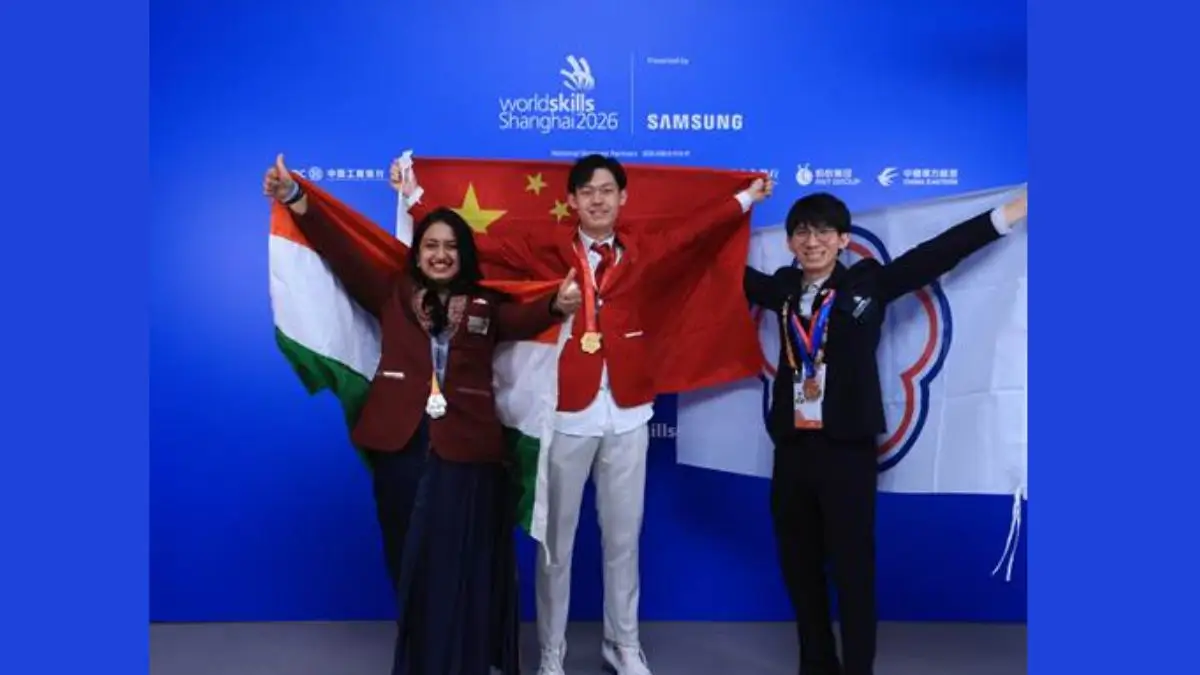
The Indian delegation placed tenth in the WorldSkills Shanghai 2026 competition, making it their best performance till date in the global skills competition, having bagged six silver medals and 20 Medals for Excellence. It was an improvement from their 13th position at WorldSkills Lyon 2024, when the Indian contingent had secured four bronze medals and 12 Medals for Excellence. WorldSkills Competition #48 was hosted in Shanghai, China, where the competitions took place from September 23 to 26, with the closing ceremony on September 27. India had sent its largest-ever delegation of 70 contestants in 63 skills.

India Wins Six Silver Medals

All the six silver medals of India have been in the field of creative, technical and service-oriented skills.

Skill Indian Competitor Result
Bakery Smriti Nambiar Silver
Dental Prosthetics Mohammed Salam Silver
Digital Interactive Media Design Kovid Ajay Gangrade Silver
Industrial Design Technology Parth Vohra Silver
Logistics and Freight Forwarding Mehrunissa Begum Silver
Retail Sales Saniya Joshi Silver

In addition to the medal, Smriti Nambiar, who won the silver medal in Bakery, was awarded the title of India’s Best of Nation.

It was significant that India participated for the first time in several such disciplines. India made its first appearance in 11 emerging skill categories at Shanghai, which include Dental Prosthetics, Digital Interactive Media Design, Intelligent Security Technology, Landscape Gardening, Optoelectronic Technology, Retail Sales, Unmanned Aerial Systems, Software Testing and Aircraft Maintenance.

Medals for Excellence – What Are They?

In addition to medals, WorldSkills recognizes competitors who attain a certain standard of professionalism with Medals for Excellence.

India has bagged 20 Medals for Excellence at Shanghai. These medals included fields like mechatronics, autonomous mobile robotics, Industry 4.0, additive manufacturing, robot systems integration, automobile technology, chemical laboratory technology, jewelry, fashion technology, and health and social care.

According to WorldSkills, these medals are an appreciation of competitors demonstrating world-class standards in their respective skills.

India’s Success at WorldSkills

In 2007, India became a member of the WorldSkills International Organization. Since then, its presence and success have been increasing with each edition of the organization. According to the WorldSkills record, India’s team increased from 16 participants in 15 skills in London 2011 to 70 participants in 63 skills in Shanghai 2026.

WorldSkills Edition Year Position of India in Worldskills
London 2011 39th
Leipzig 2013 33rd
São Paulo 2015 29th
Abu Dhabi 2017 19th
Kazan 2019 13th
Lyon 2024 13th
Shanghai 2026 10th

The number of India’s participants also increased from 48 in 44 skills in Kazan 2019 to 60 in 52 skills in Lyon 2024 and 70 in 63 skills in Shanghai 2026.

WorldSkills Shanghai 2026: India’s Growing List of Skills

India had representation in a wide variety of trades in Shanghai, including traditional technical skills to modern-day digital technology and service skills.

The 11 categories added to the growing list. As per WorldSkills, there were 64 skill competitions held in Shanghai, out of which 63 qualified for participation requirements, while Logistics and Freight Forwarding was the last edition to be held in accordance with the competition organiser.

About 1,400 contestants from more than 70 countries participated in the competition.

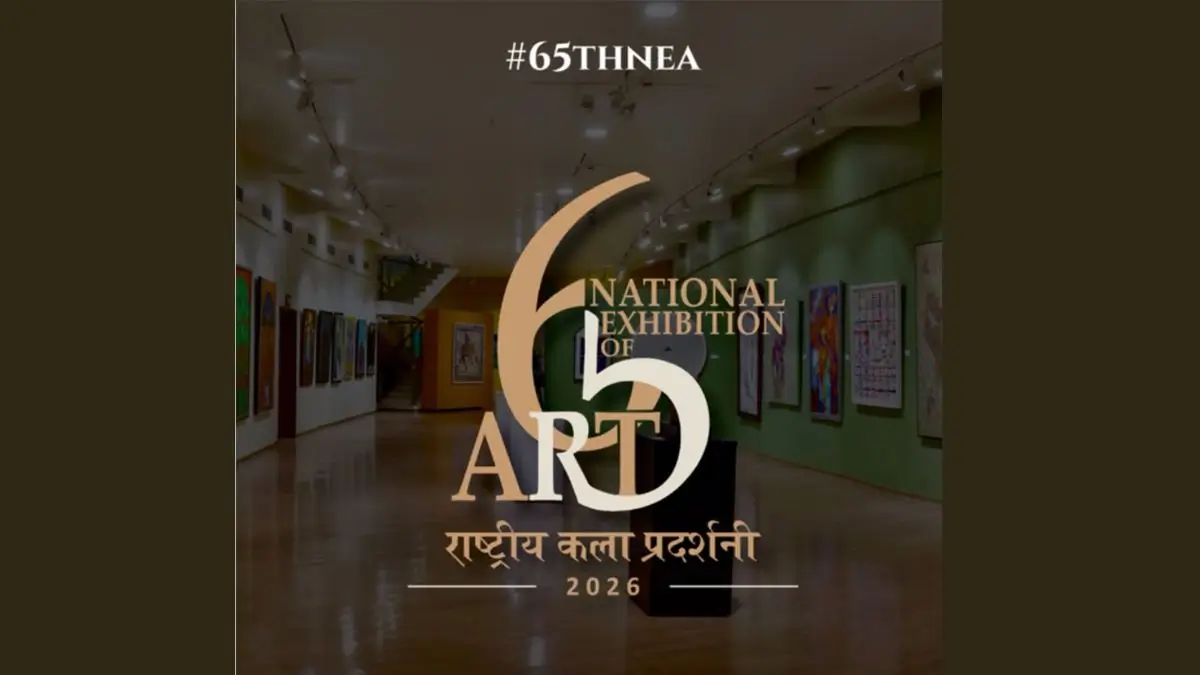
Lalit Kala Akademi Awards 2026: 20 Artists Honoured at 65th National Exhibition

The Lalit Kala Akademi, which is the National Academy of Fine Arts of India, has announced 20 Lalit Kala Akademi Awards at the 65th National Exhibition of Art (NEA). Every year, this exhibition features the best in visual arts from around the country. In total, there were 6,175 artworks submitted by 2,495 artists from 27 States and Union Territories for the 2026 NEA. A First-Tier Jury panel selected 270 pieces of artwork to be displayed at the exhibition, while a Second-Tier Jury panel selected 20 artworks to receive the award.

20 Artists Awarded Lalit Kala Akademi Awards

The awards include various art forms such as paintings, sculptures, prints, drawings and others. The list also illustrates the range of mediums employed by Indian artists, which include terracotta, ceramics, teak wood, marble, copper, etching and canvases.

No. Artist Awarded Artwork Medium Category
1 Chandra Shekhar Sain My Entire World – I Terracotta Sculpture
2 Gopal Chandra Naskar The Tune of The Srimad Bhagavad Gita Acrylic on Canvas Painting
3 Kishor Kumar Narkhadiwala Paryavaran Oil on Canvas Painting
4 Mrinal Dey Hopeless Settlement Acrylic on Canvas Painting
5 Nidhi Chopra Tangible Dreams Ceramic Sculpture
6 Nimai Singh Sarungbam Mudra – I Teak Wood Sculpture
7 Pankaj Kumar Sharma Haloed Traveler – II Panel Works Drawing
8 Pooja Rajpoot Prakriti Shoshan White Marble Sculpture
9 Praveen Kumar Where The Walls Remember Mix Medium Painting
10 Pritam Madhukar Deuskar Of Time and The City Etching Printmaking
11 Rajendra Prasad Sujata With Buddha Water Color (Wash) Painting
12 Ramesh Vithal Thorat Untitled – II Oil on Canvas Painting
13 Raviram Ramakrishnan Fisherwoman Copper, Oxidised, Welded Sculpture
14 Sanjay Kumar When Memories Come Back – 7 Mix Media Painting
15 Sanjay Kumar Sahani Youth Oil on Canvas Painting
16 Sanjib Kumar Gogoi Aakar Nirankar – II Acrylic & Oil on Canvas Painting
17 Santa Deb Attraction of Simplicity Ceramic Sculpture
18 Siddharth Shahjirao Shingade Trees Mix Media Painting
19 Usharanjan Mandal Wheel of A Crowded City Mix Media Any Other Medium
20 Vijendra Sharma Life 2025 Oil on Canvas Painting

Key Numbers: 65th National Exhibition of Art

It is evident from the numbers involved that the exhibition is a truly national event.

From the total of 6,175 artworks submitted by 2,495 artists, First-Tier Jury has shortlisted 270 artworks for the exhibition. From those 270, the Second-Tier Jury has chosen 20 artworks for the awards.

This implies that the exhibition involved the artworks of 27 States/UTs in the country.

The exhibition also contributes to the development of the larger visual arts ecosystem through connecting the artists with audience, collectors and other cultural organizations.

National Academy of Art: About Lalit Kala Akademi

The Lalit Kala Akademi, or the National Academy of Art, is the institution in India dedicated to fostering the development of the visual arts. It was founded by the Government of India in 1954.

The Akademi’s mandate includes fostering the development of the visual arts in India as well as providing a platform to the artists through exhibitions, prizes and various cultural activities.

The National Exhibition of Art is one of such platforms organized by the Lalit Kala Akademi annually.

_11.1
September 2026
M T W T F S S
 123456
78910111213
14151617181920
21222324252627
282930