Navratri 2026: Dates, Nine Forms of Goddess Durga and Religious Significance

Sharad Navratri is one of the important Hindu festivals that takes place over nine days and ends with Vijayadashami/Dussehra. The Sharad Navratri will begin from 11 October in 2026, whereas Vijayadashami will take place on 20 October, as per the above-provided calendar. Sharad Navratri is celebrated in honour of the goddess Durga and her nine avatars, and it symbolizes victory of good over evil.

What is Navratri? Definition and Hindu Calender

The term Navratri is derived from two Sanskrit words, nava which means nine, and ratri which means night. It is celebrated in honor of Goddess Durga, who is worshiped as the incarnation of Shakti which stands for divine feminine energy representing creation, protection and destruction of evil.

The festival of Sharad Navratri is held in the Hindu lunar month of Ashvin which normally falls in the months of September and October according to the Gregorian calender. The date varies every year due to the reason that Hindu festivals are based on the lunar calendar and corresponding tithis or lunar days.

Four Navratris are celebrated every year, they are: Chaitra, Ashadha, Ashwin and Magha Navratri. The Chaitra Navratri is held in spring while Sharad Navratri in autumn.

Navratri 2026: Important Dates

Occasion Date in 2026
Mahalaya 10 October
Sharad Navratri begins; Ghatasthapana 11 October
Maha Ashtami 18 October
Maha Navami 19 October
Vijayadashami or Dussehra 20 October

Note: Festival observances can vary by the different region and local Panchang calculations. The supplied sources differ on some Durga Puja dates, so the dates above follow the Navratri calendar provided in the source.

What Is Ghatasthapana?

The festival of Ghatasthapana heralds the start of Sharad Navratri. As its name suggests, the worship involves setting up of a ghata or kalash (sacred pot), which is considered auspicious and invokes divine powers. The ritual is conducted at designated timings as per the Hindu calendar.

Significance of Mahalaya in Bengal

The festival of Mahalaya is significant in Bengal as it indicates the end of Pitru Paksha (festival related to ancestors) and ushering of Devi Paksha (festival of Goddess).

It is also an occasion for invoking Goddess Durga before Durga Puja.

Nine Forms of Goddess Durga: Navadurga

The nine days of Navratri correspond to the nine manifestations of Goddess Durga which are collectively termed as the Navadurga. Each manifestation has different characteristics.

Navratri Day Date Tithi Goddess Colour of the day
1 11th October, 2026 Pratipada Shailputri Orange
2 12th October, 2026 Dwitiya Brahmacharini White
3 13th October, 2026 Tritiya Chandraghanta Red
4 14th October, 2026 Chaturthi Kushmanda Royal Blue
5 15th October, 2026 Panchami Skandamata Yellow
6 16th October, 2026 Shashthi Katyayani Green
7 17th October, 2026 Saptami Kalaratri Grey
8 18th October, 2026 Ashtami Mahagauri Purple
9 19th October, 2026 Navmi Siddhidatri Peacock Green
10 20th October, 2026 Dsshmi Vijayadashmi —

Why Colors are Associated With Navratri?

It is a practice that has now gained popularity in Navratri celebrations whereby people wear certain colors on different days of the festival. Colours have been linked with auspiciousness, devotion and attributes associated with the Goddess.

It is not a uniform custom among all the Hindus in relation to the order of colors. Certain days are also linked with the specific colors depending on cultural practices within the community observing Navratri.

What Is Navratri Festival About?

The main concept associated with Navratri is triumph of good over evil, which can be described in terms of diverse religious myths.

Goddess Durga and Mahishasura

  • The legend goes that the buffalo-demon Mahishasura was granted an invincible boon. He was then killed by the Goddess Durga, bringing back the balance of the universe. This myth illustrates the victory of divinity over the negative energy.
  • The myth is especially relevant to the occasion of Durga Puja in eastern parts of India, where images of the Goddess killing Mahishasura are the focus of celebrations.

Lord Rama and Ravana

  • Another popular myth associated with the festival is related to the Ramayana, where Lord Rama worshipped the Goddess before the battle with Ravana, whose victory was celebrated on Vijayadashami.
  • That is the reason why one and the same festival season witnesses different local celebrations: worshipping of Durga in eastern regions and celebrating the victory of Lord Rama in many northern and western places.

Navratri as Celebrated in Different Regions of India

The celebration of Navratri shows that even if a common theme exists in a religion, the cultural traditions can be very different.

  • In Gujarat, garba and dandiya raas are integral components of the festival. The former traditionally involves dancing in a circle around the lighted lamp or representation of the Goddess in the form of an idol. Dandiya raas is danced with the help of decorated sticks.
  • In West Bengal, the festival is celebrated by conducting elaborate pandals with artistic representations of the idols and performing various rituals. Bijoya Dashami marks the end of the main festival.
  • In northern India, Ramlila is conducted during the festival which retells various tales from the Ramayana. In addition to that, in some places Dussehra festival is celebrated where the burning of effigies of Ravana, Meghnad and Kumbhakarna takes place.
  • In southern India, various states and communities have their own traditions. For instance, in some parts of Tamil Nadu and Karnataka, the festival is celebrated with the representation of dolls called Golu and Bombe Habba.
    Thus, Navratri is a perfect example of the unity in cultural diversity of India.

Dussehra or Vijayadashami: Importance of the Tenth Day

Vijayadashami or Dussehra symbolizes the end of Sharad Navratri in several rituals. Vijayadashami can be taken to mean the tenth day of victory.

The importance of Vijayadashami varies according to the region. According to the tradition related to Ramayana, it symbolizes the triumph of Rama over Ravana. According to the tradition related to Goddess Durga, it symbolizes the triumph of Durga over Mahishasura.

In some regions, the festival is also connected with Ayudha Puja – worshipping of tools, musical instruments, cars and other equipment used during one’s work.

Weekly Current Affairs One Liners (5th to 11th October, 2026)

Weekly Current Affairs One-Liners

Current Affairs 2026 plays a very important role in competitive examinations and hence, aspirants have to give their undivided attention to it while preparing for the government examinations. The banking, SSC, Railways or insurance examinations comprise a section of “General Awareness” to evaluate how much the aspirant is aware of the daily happenings taking place around the world. To complement your preparation, we are providing you with a compilation of the current affairs of the last week.

The Weekly One-Liners provides all-important news from 5th to 11th October, 2026. Here is the list of some of the most important news of the last week:

  • Nobel Prize 2026 Winners
  • RBI MPC October 2026
  • PM Modi Completes 25 Years

The inclusion of current affairs in these examinations highlights the importance of being well-informed about both national and international events. It tests the aspirants’ understanding of their environment and their ability to interpret and analyze global trends. These topics often cover a wide range of subjects, from political developments and economic changes to scientific advancements and cultural shifts.

Our weekly compilation aims to provide a concise yet thorough overview of significant events, enabling aspirants to efficiently grasp key details necessary for their exam preparation. By integrating current affairs into their study regimen, candidates can significantly enhance their General Awareness, a critical factor in achieving success in competitive exams. This approach not only prepares them for the specific requirements of the exam but also broadens their overall perspective, an essential attribute in today’s interconnected world.

To revise the current affairs of 5th to 11th October, 2026 click on the link below to download the PDF.

Download The Weekly One Liners 5th to 11th October, 2026

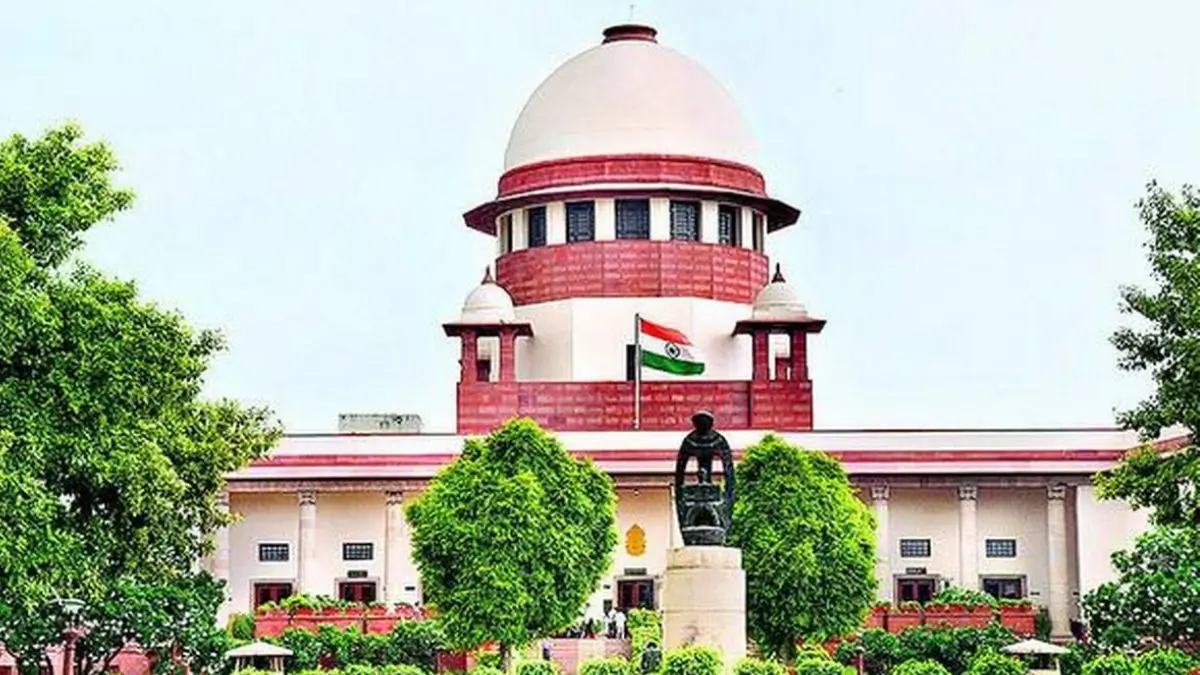
Supreme Court Constitutes Standing Committee on Judicial Well-Being

A standing committee for judicial well-being has been formed by the Supreme Court of India to create an institutional mechanism for dealing with the problems that judicial officers face professionally and personally. The Supreme Court of India’s Chief Justice, Surya Kant, has formed this committee, and it will be headed by Supreme Court judge Justice K V Viswanathan. The formation of the committee comes amid World Mental Health Day.

Whom Will Chair the Judicial Well-Being Committee?

The chairman of the standing committee would be Justice K V Viswanathan of the Supreme Court. The committee comprises a blend of the expertise in the areas of the judiciary, psychiatry, psychology, and legal administration.

The committee comprises of the following persons,

  • Justice K V Viswanathan: Supreme Court judge and chairperson.
  • Dr Savita Malhotra: Ex-dean at the Postgraduate Institute of Medical Education and Research (PGIMER), Chandigarh and a professor of the institute’s Department of Psychiatry.
  • Rajat Mitra: Psychologist, Director, and co-founder of Swanchetan Society for Mental Health.
  • Mrinal Kanwar: Advocate-on-Record at the Supreme Court.
  • Aarti Singh: Registrar (J), Centre for Research and Planning of the Supreme Court.

This diversified makeup of the committee has been done with the intention to adopt a structured way towards judicial well-being.

Why Has the Supreme Court Established the Committee?

Judicial Officers operate in challenging professional settings where they have to deal with high levels of workload, long working hours, difficult decision-making processes, administrative pressure, and emotionally draining cases. Such working conditions may have an impact on the physical and mental well-being of these professionals, as well as their capability to cope with tough jobs.

It is clear that the Supreme Court perceives judicial well-being not only as a matter of personal concern, but also as an institutional issue.

Important Duties of the Committee

The committee will remain a standing forum to discuss the challenges pertaining to judicial well-being that arise or may arise. These duties include,

  • To identify areas where there is a need for institutional intervention.
  • To facilitate coordination between different stakeholders on welfare issues.
  • To develop guidelines for the benefit of judicial officers.
  • To review the activities done to improve judicial well-being from time to time.
  • To establish a continuous process instead of being limited to mere welfare initiatives.

It can be said that the committee needs to coordinate the process in general terms.

Who Is Katie Zacharia? Trump Names New White House Press Secretary

Donald Trump, United States President selected the Katie Zacharia to become the new White House press secretary on October 9th 2026, replacing Karoline Leavitt, who had vacated the position in August. Katie Zacharia is an attorney and a political conservative commentator. She has worked in various capacities for different organizations, including the US Department of Homeland Security (DHS) and Trump Media & Technology Group, which owns the social media platform, Truth Social.

Education and Early Career of Katie Zacharia

Zacharia pursued education in political science and government from Pepperdine University, graduating in 2007, and then obtained her degree in Juris Doctor from the Pepperdine Caruso School of Law in 2011.

Her early career in politics involved serving an internship in the White House under the Presidency of the George W. Bush in the year 2006. Thereafter, she gained experience in legal matters, political advocacy, and communication.

She thus has a professional background in which there is a combination of legal knowledge and involvement in political and media affairs.

Career at the Department of Homeland Security

In 2026, Zacharia was the spokesperson and deputy assistant secretary for public affairs at the Department of Homeland Security. Among others, the department’s jurisdictions include border security, immigration, cybersecurity, and national security.

She worked on public communication during the term of the former DHS Secretary Kristi Noem. Zacharia worked in this capacity for a brief period of time and left the department to return to media work.

This provided her with firsthand experience in the communication process of the federal government and the challenge of communicating administration policies to the media.

Role in Trump Media and Other Conservative News Networks

Prior to her selection by the White House, Zacharia has worked as a senior communications adviser with Trump Media & Technology Group, the company behind the social media site called Truth Social that is owned by Donald Trump.

Zacharia has also served as a political analyst on various conservative TV news networks, such as Fox News and Newsmax. She has made appearances in these media outlets for commenting on US political affairs and the policies of the Trump administration.

Zacharia has also worked with Fix California, a conservative political organization. Her role with Fix California has involved legal and advisory work.

White House Press Secretary Functions

The White House press secretary is an important public representative of the US president and administration. It implies expressing the official viewpoint, making the policy announcements and answering to journalists’ inquiries.

The press secretary holds the press conferences, comments on developments that concern the administration and acts as a constant liaison between the White House and the journalists.

The post belongs to the White House communication department. While performing the functions of the press secretary one presents the viewpoint of the administration; however, journalists can ask questions concerning the official statements.

RBI Raises Daily CRR Maintenance Requirement to 99%

As per reports, the minimum requirement of CRR maintenance in a day by scheduled banks has been increased from 90% to 99%, w.e.f. the fortnight beginning October 16, 2026. However, the total CRR still stands at 3% of Net Demand & Time Liabilities (NDTL). The reported action was taken when there was excess liquidity in the banking system worth about ₹3.88 lakh crore on October 8. This will limit the banks’ scope of holding lower levels of reserve balances on any given day.

What Is the Cash Reserve Ratio (CRR)?

Cash Reserve Ratio means the proportion of the bank’s NDTLs that a bank should maintain as its cash balance with the RBI. This ratio is an instrument of monetary policy that controls liquidity in the banking system.

This ratio is provided in Section 42 of the Reserve Bank of India Act, 1934, which applies to scheduled commercial banks. An increase in this ratio results in higher cash balances kept by banks with the central bank and less money available for any other purpose. A decrease would result in more money being released to the banking system.

The cash reserve ratio and daily maintenance amount are two separate things. While the ratio decides the amount of the cash reserve, the daily maintenance requirement determines the proportion of the reserve amount that the bank needs to keep on any one particular day.

What Has Been Changes in Daily CRR Maintenance Requirement?

According to the reported revision, the minimum requirement for the daily maintenance becomes 99% of the prescribed CRR, up from earlier 90%, for the reporting fortnight commencing on October 16th, 2026.

Item Current requirement  Reported new requirement
CRR rate 3% 3%
Minimum daily maintenance requirement 90% of prescribed CRR 99% of prescribed CRR
Date of implementation Prior to October 16, 2026 October 16, 2026
Duration of reserve maintenance requirements Reporting fortnight Reporting fortnight

In general, banks have been obliged to maintain the prescribed CRR average during the reporting fortnight. Increasing the daily minimum requirement reduces the scope for banks to hold their reserves below the total requirement on any specific day.

The new minimum does not alter the overall rate of the CRR at 3%.

Why Is RBI Increasing Daily CRR Requirement?

This decision has been announced when there is excess liquidity in the Indian banking system. The source estimates this excess to be around ₹3.88 lakh crore on October 8, 2026.

An increased daily maintenance floor means that banks need to ensure that their reserves are maintained more closer to the requirement during the entire period for which the reporting is made. As per the information provided by the source, this increase in requirement is estimated to soak up an additional ₹1 lakh crore from the banking system.

Impact on banks will depend on the nature of their deposit liability and reserves.

Panama Earthquake 2026: 7.7-Magnitude Quake Triggers Tsunami Warning

On October 9, 2026, an earthquake of magnitude 7.7 hit Panama, causing damage to both structures and roadways, leading President José Raúl Mulino to issue a “disaster declaration.” As per reports from the United States Geological Survey (USGS), the earthquake’s epicentre was located roughly 12 kilometers west southwest of the town of Pitaloza Arriba in the province of Herrera at a depth of 12.6 kilometers. It was also experienced in the country’s capital city, Panama City, where people vacated tall buildings. There was a tsunami warning issued for some areas of the eastern Pacific but was later canceled.

Epicenter and Magnitude of the Earthquake

The USGS had first estimated the magnitude of the earthquake to be 8.0, but later corrected the number to 7.7. According to the reviewed data, the epicenter of the earthquake was about 12 kilometers west-southwest of Pitaloza Arriba, a settlement in Panama’s Herrera province. It struck at a depth of 12.6 kilometers.

The earthquake lasted for almost a minute, resulting in panic among the residents and evacuation of buildings in Panama City. The USGS stated that the intensity of shaking was significant in the area. There were over 80 aftershocks recorded in Panama by its geosciences institution.

Areas Impacted and Damage Done

Among the most impacted provinces include Herrera, Coclé and Los Santos. Some of the roads have been destroyed or made unpassable, making it difficult for rescue efforts and damage assessments.

According to some reports, the town of Tonosí in Los Santos province is blocked due to destruction of roads. Plans are being made to use airways to access some of the impacted areas. Some of the damages done include destruction of a church and hotel in Penonomé.

President Mulino visited Penonomé to direct emergency response efforts. The authorities are carrying out structural damage assessments and trying to assist the victims. There were no confirmed fatalities at the time.

What Causes Earthquakes in Panama?

Panama is a country that is situated in Central America where several plates interact. The proximity to boundaries of Caribbean, Cocos, Nazca and South American plates results in the occurrence of seismic events in the area.

An earthquake happens when energy accumulated in the fault line gets released into seismic waves moving through the Earth. The intensity of vibration in the specific location depends on the magnitude of the event, depth, distance from the epicenter and the properties of the soil.

Despite the fact that not all territories of Panama are equally affected by earthquakes, it has been proved that the natural phenomenon does take place in the western territories like Chiriquí close to the borders with Costa Rica. It has been seen from the earthquake in October 2026.

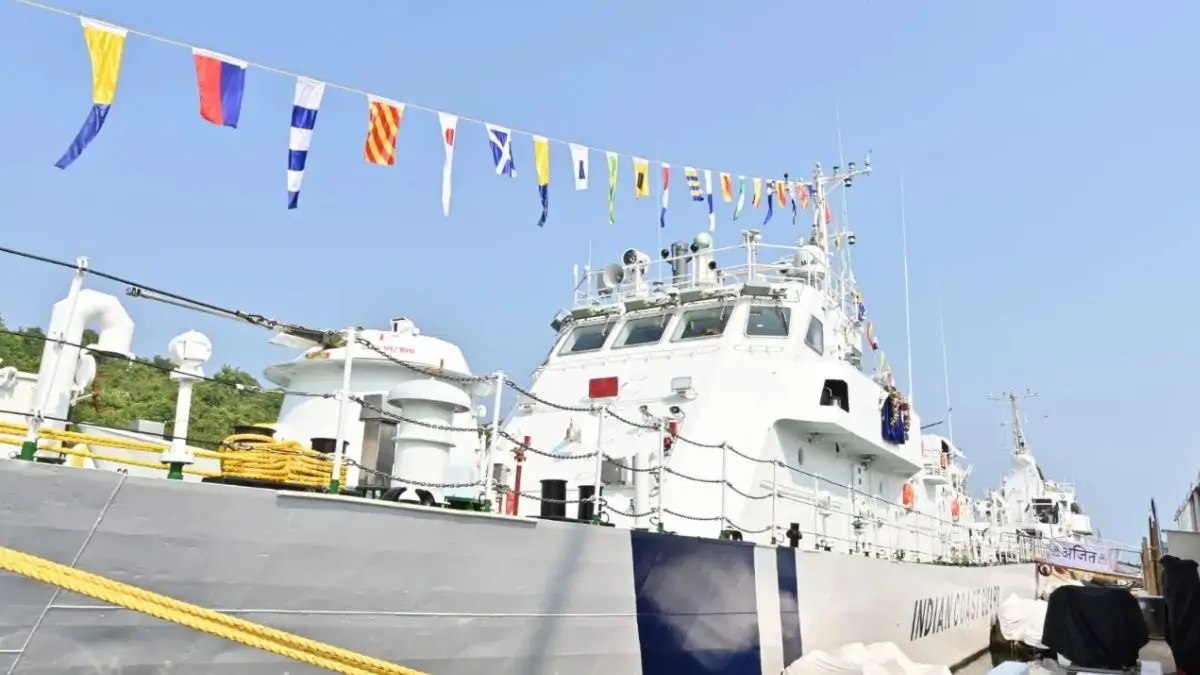
ICGS Ajit Commissioned: Indian Coast Guard’s Indigenous Fast Patrol Vessel

ICGS Ajit, a domestically designed and constructed Fast Patrol Vessel (FPV), was launched for the Indian Coast Guard (ICG) by the Goa Shipyard Limited (GSL) on October 9th 2026. The ship is the seventh of the eight Adamya-class FPVs currently being built by GSL for the Coast Guard. Used for maritime surveillance, search and rescue, anti-smuggling, and marine pollution duties, ICGS Ajit will be deployed at Okha in Gujarat. This launch enhances the capability of India in ensuring its coastal security and is part of India’s Aatmanirbhar Bharat and Make in India programs for defence shipbuilding.

ICGS Ajit – What Is ICGS Ajit?

ICGS Ajit is an indigenously designed and built Fast Patrol Vessel manufactured by Goa Shipyard Limited for the Indian Coast Guard. The vessel belongs to a series of eight vessels that have been designed to boost the performance of the Coast Guard at India’s coastlines and maritime approaches.

The ship was commissioned into the Indian Coast Guard on August 25th 2026, before it is being formally launched on October 9th. The ship design features state-of-the-art navigation, fire control and platform management systems that facilitate patrol missions.

The launching ceremony was headed by Dr Sirish Choudhary, an Indian Defence Accounts Service (IDAS) officer who serves as the Principal Integrated Financial Advisor to the Indian Coast Guard.

Specifications and Weapon Systems of ICGS Ajit

ICGS Ajit combines a compact hull with surveillance, navigation and weapon systems designed for coastal patrol duties.

  • Length: 52 metres
  • Displacement: 320 tonnes
  • Crew capacity: 39
  • Main gun: CRN 91 30 mm naval gun
  • Machine guns: Two 12.7 mm M2 machine guns
  • Weapon mounting: Remotely controlled, stabilised mounts
  • Navigation and control: Integrated Bridge System
  • Fire control: Fire Control System
  • Platform management: Integrated Platform Management System

Operational Uses of ICGS Ajit

Surveillance

  • The ship will patrol the coastal and maritime areas to aid in detecting any suspicious activity or movements at sea. Surveillance is one way of ensuring the safety of the maritime interests of India and ensuring coastal security.

Search and Rescue

  • ICGS Ajit is capable of supporting search and rescue missions in case of any maritime emergencies. The search and rescue mission could entail searching for vessels or persons in distress.

Anti-Smuggling Missions

  • The patrol and weapon capabilities of ICGS Ajit could be useful in conducting anti-smuggling operations in maritime regions.

Response to Marine Pollution

  • ICGS Ajit is also designed to assist in conducting operations concerning the response to marine pollution.

Adamya-Class Fast Patrol Vessel Programme

ICGS Ajit is the seventh out of eight Fast Patrol Vessels of the Adamya-class which are under construction at Goa Shipyard Limited for the Indian Coast Guard.

  • Total no. of vessels contracted: Eight
  • Contract date: March 2022
  • Value of contract: ₹473 crore
  • Shipyard name: Goal Shipyard Limited
  • Name of first vessel: ICGS Adamya
  • Commissioning of first vessel: September 2025
  • Handover of ICGS Ajit: August 25, 2026
  • Commissioning of ICGS Ajit: October 9, 2026

This programme showcases the contribution of indigenous shipyards in providing patrol vessels to India for its maritime security needs. GSL developed designs of the Adamya-class vessels indigenously, and over 60% of ICGS Ajit is built indigenously.

Bhagini Nivedita Scheme 2027: West Bengal Approves ₹50,000 Aid for Women

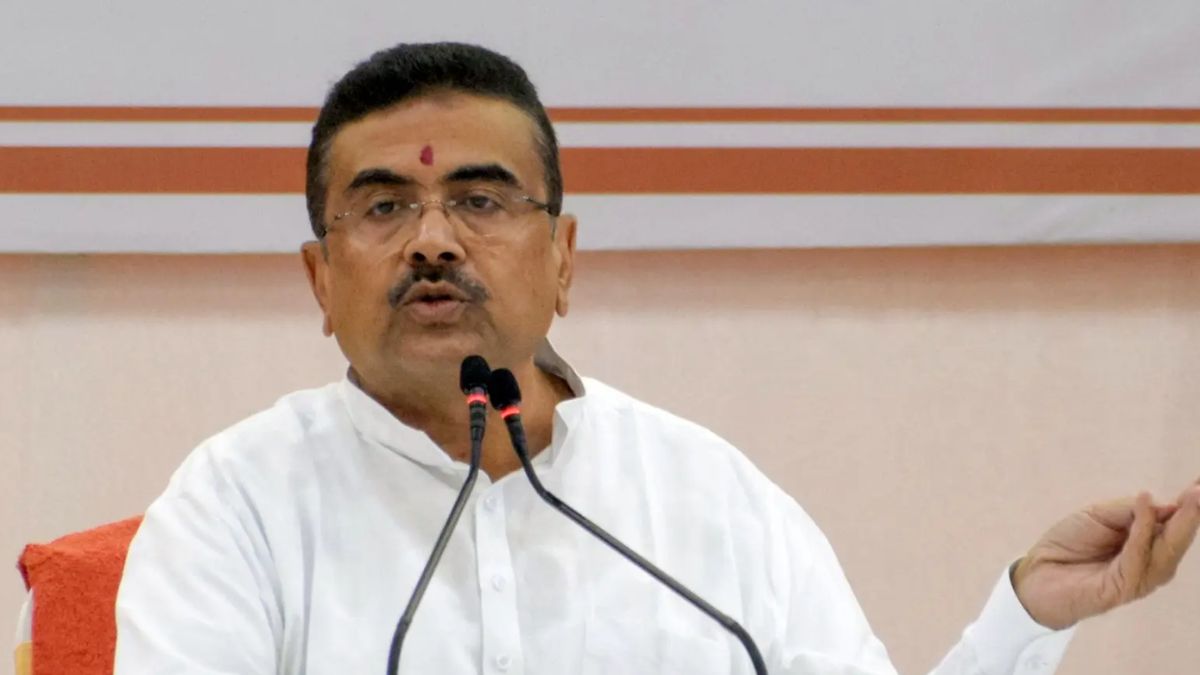
The Bhagini Nivedita Scheme has been sanctioned by the West Bengal Cabinet, under which single ladies who are studying further will get ₹50,000 assistance in the span of three years. The scheme was launched by West Bengal Chief Minister Suvendu Adhikari on October 5, 2026. The West Bengal Cabinet has sanctioned 14,454 appointments in government departments. Monthly remuneration of Karmabandhus has been enhanced from ₹5,000 to ₹8,000 while the food allowance of SC/ST students of government hostels has been enhanced.

What is the Bhagini Nivedita Scheme?

The Bhagini Nivedita Scheme is an initiative of the government of West Bengal which aims at offering financial help to unmarried women who are in pursuit of further studies. As per the scheme announced structure, each eligible beneficiary will be provided with ₹50,000 in three years.

This will not be in one-time payments but will be offered in three installments to eligible beneficiaries. The scheme will offer benefits for further education of women.

The government has announced the overall benefit structure and timeline for implementation. Other details like eligibility criteria, procedure to apply, required documents etc. will be separately announced.

Bhagini Nivedita Scheme: Yearly Financial Assistance

As per the scheme, financial assistance will be offered through different installments over the span of three years.

Years Financial assistance
First year ₹17,000
Second year ₹17,000
Third year ₹16,000
Total ₹50,000

Two installments together make up ₹34,000 of the total assistance while the last installment of ₹16,000 makes it ₹50,000.

The scheme will start working throughout the state from January 2027 onwards.’

Who Are the Beneficiaries of the Scheme?

The specified beneficiaries of the scheme are single women who are pursuing their education in West Bengal. However, the government has not yet provided the full list of eligibility criteria for the scheme in the currently available information.

Some of the important details which have to be clarified are as follows,

  • Courses for which students would be eligible
  • Age and domicile, if any
  • Income limitations of the family, if any
  • List of documents needed for the application process
  • Website and procedure for submitting the application
  • Procedure for releasing installments

Till the release of the complete guideline, none of these criteria must be assumed.

West Bengal Approves Recruitment to 14,454 Government Posts

In addition to the above scheme, the Cabinet has also approved the recruitment to 14,454 government posts in various departments.

According to the Chief Minister of West Bengal, Suvendu Adhikari, the recruitment process would be over in six to eight months’ time. Examinations and recruitment for the new positions would be conducted by the State Public Service Commission and State Police Recruitment Board, respectively.

The posts shall include various departments like forest department, fire service, prisons and Home and Hill Affairs.

Recruitment and Appointment Letters for Police Posts

Chief Minister further informed that the formalities regarding appointments for 12,000 police vacancies will be dealt with on October 11, 2026.

It was anticipated that nearly 5,000 selected candidates will get their appointment letters on that day through a programme. These police recruitment-related decisions have been made independently of the approval of 14,454 vacancies by the Cabinet.

Remuneration for Karmabandhus Enhanced to ₹8,000 per Month

Cabinet decided to enhance the monthly remuneration for Karmabandhus, contractual sanitation and support workers employed under land and land revenue department of the state.

Item Remuneration Amount
Earlier ₹5,000 per month
New Raised Amount ₹8,000 per month
Monthly enhancement ₹3,000
Percentage enhancement 60%
Effective month October 2026

The enhanced remuneration increases the payment by ₹3,000, which is 60% more than the previous amount.

Food Allowance of SC/ST Hostel Students Upgraded

Similarly, the Government of West Bengal has enhanced the food allowance of students belonging to Schedule Caste (SC) and Schedule Tribe (ST) staying in the government hostels.

Category Amount
Existing monthly food allowance ₹1,800
Enhanced monthly food allowance ₹3,300
Increase in the monthly allowance ₹1,500
Percentage increase Approximately 83.3%

The new allowance is meant to make more financial assistance available to students residing in government hostels.

World Development Report 2026: The Promise of Artificial Intelligence

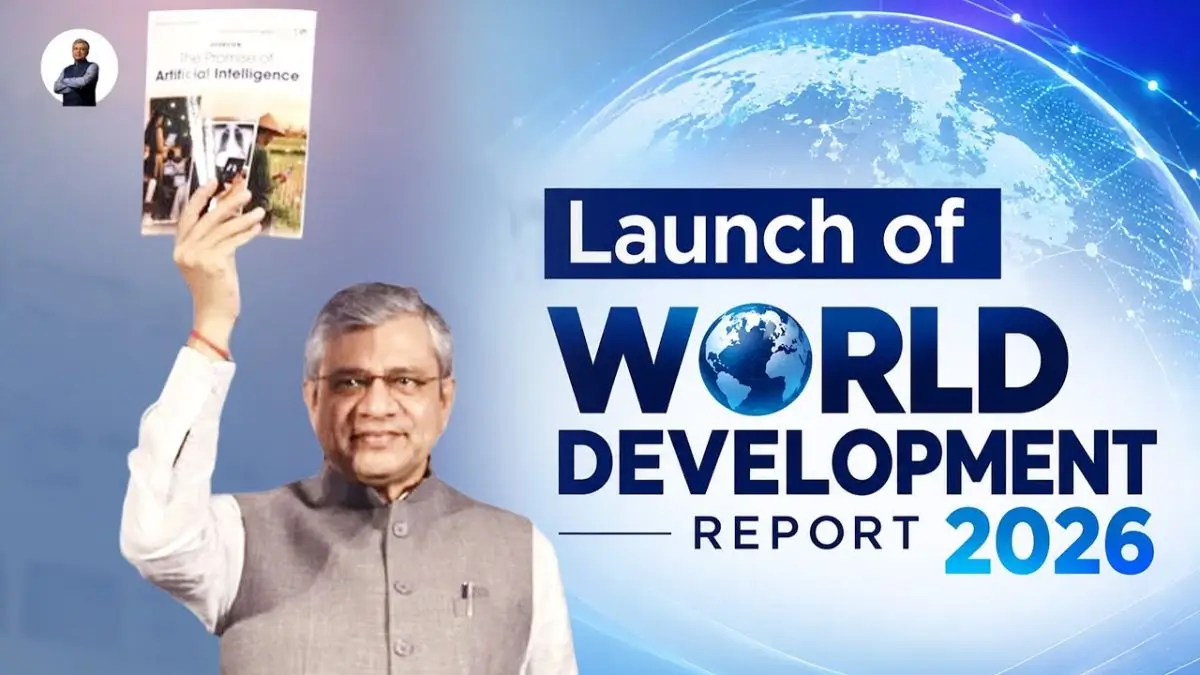
The World Bank Group’s World Development Report 2026: Artificial Intelligence: The Promise for Developing Economies explores ways that AI could assist developing countries enhance their productivity, increase access to expertise, and improve public services. World Development Report 2026: Artificial Intelligence was launched by Indian Union Minister of Electronics and Information Technology, Ashwini Vaishnaw, in New Delhi, India on October 8, 2026. The report suggests that a strategy with three key areas be taken into account: usage of AI technologies, adaptation of those technologies, and development of domestic competencies.

What Is the World Development Report?

The World Development Report is the flagship annual report by the World Bank Group. It provides analysis and research on the major development challenges faced by the international community.

The World Development Report in 2026 will be dedicated to the topic of artificial intelligence. It will discuss the application of this innovation in overcoming the development challenges faced by low- and middle-income countries. The topics of the impact of artificial intelligence on providing access to specialized knowledge, making decisions and delivering services will be considered in light of required infrastructure and institutional setting.

It should be noted that the developing countries do not have to develop the most sophisticated artificial intelligence algorithms in order to use the innovation for their benefit. Significant progress can be made through the implementation of the available technologies.

Adoption, Adaptation, and Advancement: A Three-Part Framework in the Report

The report recommends a three-part framework that will assist developing nations to adopt AI while avoiding unnecessary expenditure of their limited resources.

1. Adoption of AI Tools

One of the easiest ways in which a country can utilize the technology is to adopt already existing AI applications to tackle its practical needs.

These include the use of AI in conducting medical tests, in agriculture to provide weather updates, and even in education to assist teachers in preparing educational materials.

2. Adaptation of AI to Suit the Country’s Needs

All AI tools must be localized according to the language used, data, institutions, and other aspects of the social situation prevailing in a country.

This will make it easy for individuals who may not have adequate digital literacy and even those that don’t possess sophisticated gadgets.

3. Build Domestic Capacity

A country could build its domestic capacity with respect to AI through investments in skill building, R&D, computing infrastructure, and innovation. The development of domestic capacity would allow governments and private companies to cater to the needs of their particular country and not be overly dependent on a certain provider of technology.

The report sees these three priorities as mutually reinforcing approaches.

Major Findings of World Development Report 2026

AI Can Increase Access to Expertise

There is a lack of specialists such as doctors, agricultural experts, or educators in many developing countries. Artificial Intelligence can help make the expertise of the current specialists available through helping them and providing additional information.

AI can help healthcare specialists with the diagnostics process, provide information for farmers about the weather situation, and help teachers prepare their lessons.

AI Can Make Work More Efficient and Public Services Better

AI will allow for quicker processing of information, automation of some activities and better decision making due to being better informed. The government could implement these qualities to make service delivery more efficient, while companies might take advantage to boost productivity and produce innovative products.

But relying on AI is not enough to achieve better results. The success of AI depends on the quality of its implementation, human resources available and the ability of the institution to integrate AI into its operations.

Basic Infrastructure is Still Required

The report lists several factors which determine whether countries will be able to benefit from AI,

  • Reliable electricity supply
  • Internet connectivity
  • Computing infrastructure
  • Good quality of data
  • Education and skills of the workforce
  • Functional public institutions
  • Regulations and protection

Absence of these elements might hinder people and companies from using AI or limit the benefits gained through it.

Small AI Applications Can Improve Accessibility

“Small AI” applications are those that have low cost and are designed to solve particular issues without necessarily involving the most expensive computational infrastructure and general purpose models.

In this regard, depending on the type of application, access to the AI application service will be through means such as sending text messages, calling via telephone or use of simple cell phones.

Launch of the Report in India

The Indian report was launched on October 8, 2026, in New Delhi. It was jointly organized by the IndiaAI mission, Ministry of Electronics and Information Technology (MeitY), and the World Bank Group.

This report was officially launched by repectable Ashwini Vaishnaw, Union Minister for Electronics and Information Technology, Railways, and Information and Broadcasting. It featured policymakers, development practitioners, technologists, and leaders engaging in discussions about how AI can facilitate inclusive development.

A State AI Showcase was also featured, where AI-based solutions of various Indian states and innovators were shown. The main topics of discussion involved going beyond pilots towards scalable solutions that can be evaluated and implemented.

The Indian approach to democratizing technology so that everyone can benefit from it was showcased during the launch.

Challenges of Using AI for Development

Although AI has great possibilities, some challenges have to be solved.

  • Digital divide: Lack of access to internet and energy does not allow people to use AI technologies.
  • Skills: It is necessary for workers and state officials to be trained in using AI.
  • Data quality: Incomplete, incorrect or biased data may affect the output of AI.
  • Security: Sensitive data needs to be protected.
  • Accuracy and bias: AI may produce inaccurate or unfair results if it was not developed correctly and tested.
  • Technology dependence: Complete dependence on one company may result in many problems.

As can be seen, the framework used in the report implies that implementation should be followed by adaptation, increased capacity and proper institutional measures.

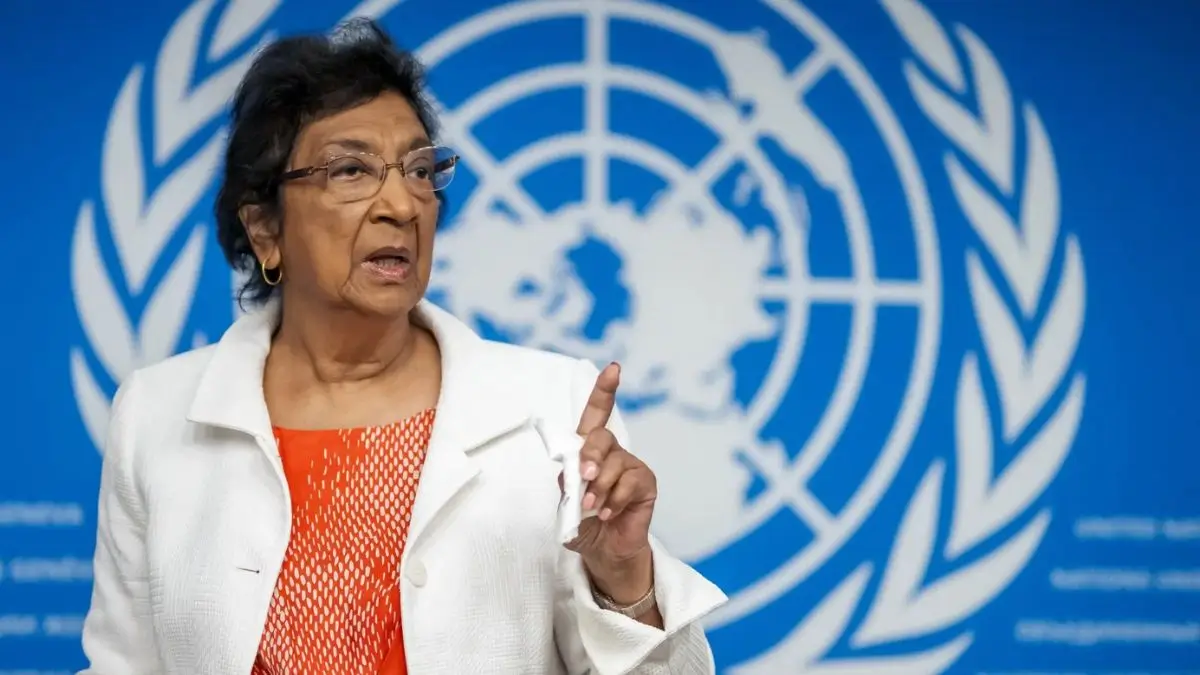
Who Is Navi Pillay? Nobel Peace Prize 2026 Winner, Biography and Achievements

Navi Pillay, who is of Indian Tamil descent and a South African jurist, was awarded the 2026 Nobel Peace Prize for her efforts in the field of international law and peace. Pillay’s career history includes work in the judiciary of South Africa, International Criminal Tribunals and the UN human rights system. Pillay’s life story is significant not only for the award, but also from the perspective of General Studies, in which such topics as apartheid in South Africa, the UN, international human rights law, genocide, crimes against humanity and international courts play an important role.

Background and Early Education

  • Born on 23 September 1941 in Durban, an important port city in KwaZulu-Natal province of South Africa, Navi Pillay’s early life was characterized by the period of the apartheid regime in South Africa in which racial discrimination was practiced against the non-white community.
  • She comes from a family with an Indian Tamil background. Her background and the practice of discrimination contributed to her passion for human rights.
  • Pillay earned her bachelor’s degree in arts in 1963 and in law in 1965 from the University of Natal. Later, she went on to obtain a doctorate in juridical science from Harvard University in 1988, as per the provided biographical details.

Apartheid in South Africa: Background

  • Apartheid was the name given to the system of racial segregation and discrimination in South Africa. The apartheid system was officially adopted by the South African government following the ascendance to power of the National Party in 1948.
  • It limited political participation and other rights according to racial categorisation. In addition, it ensured that the Blacks were denied political power.
  • The anti-apartheid movement included political and civil society groups, as well as international campaigns. One of the most notable leaders of this movement was Nelson Mandela, who eventually became South Africa’s first Black president elected through free and fair elections in 1994.
  • Pillay began her legal practice in such an environment and advocated for individuals fighting apartheid. This shows the important role lawyers and the judiciary have in fighting discriminatory systems.
  • The transition to democracy in South Africa was completed through the 1994 elections and the promulgation of the country’s constitution in 1996.

Navi Pillay’s Major Achievements

Year Achievement
1941 Born in Durban, South Africa
1963 Completed a Bachelor of Arts degree at the University of Natal
1965 Completed a Bachelor of Laws degree at the University of Natal
1967 Began practising law in South Africa
1988 Earned a Doctor of Juridical Science degree from Harvard University
1995 Became the first Black woman appointed to South Africa’s High Court
1995 Joined the International Criminal Tribunal for Rwanda as a judge
1999 Became president of the Rwanda tribunal
2003 Joined the International Criminal Court as a judge
2008 Became the United Nations High Commissioner for the Human Rights
2014 Completed her term as the UN High Commissioner for Human Rights
2021–2025 Chaired the UN Independent International Commission of Inquiry on the Occupied Palestinian Territory, including East Jerusalem, and Israel
2026 Received the Nobel Peace Prize

Navi Pillay’s Work with International Tribunals

Several international tribunals have had the presence of Pillay.

  • The High Court of South Africa: The year 1995 was a memorable one in which Pillay was appointed a judge in the South African judiciary.
  • The International Criminal Tribunal for Rwanda (ICTR): Pillay was involved in hearing cases related to the genocide in Rwanda.
  • The International Criminal Court (ICC): Pillay was a judge from 2003 to 2008.
  • The International Court of Justice (ICJ): Pillay was an ad hoc judge in the case of The Gambia versus Myanmar on genocide allegations.

It is important to note that while Pillay was an ad hoc judge in the case of the ICJ, she was not a permanent judge of the Court.

_12.1
October 2026
M T W T F S S
 1234
567891011
12131415161718
19202122232425
262728293031