
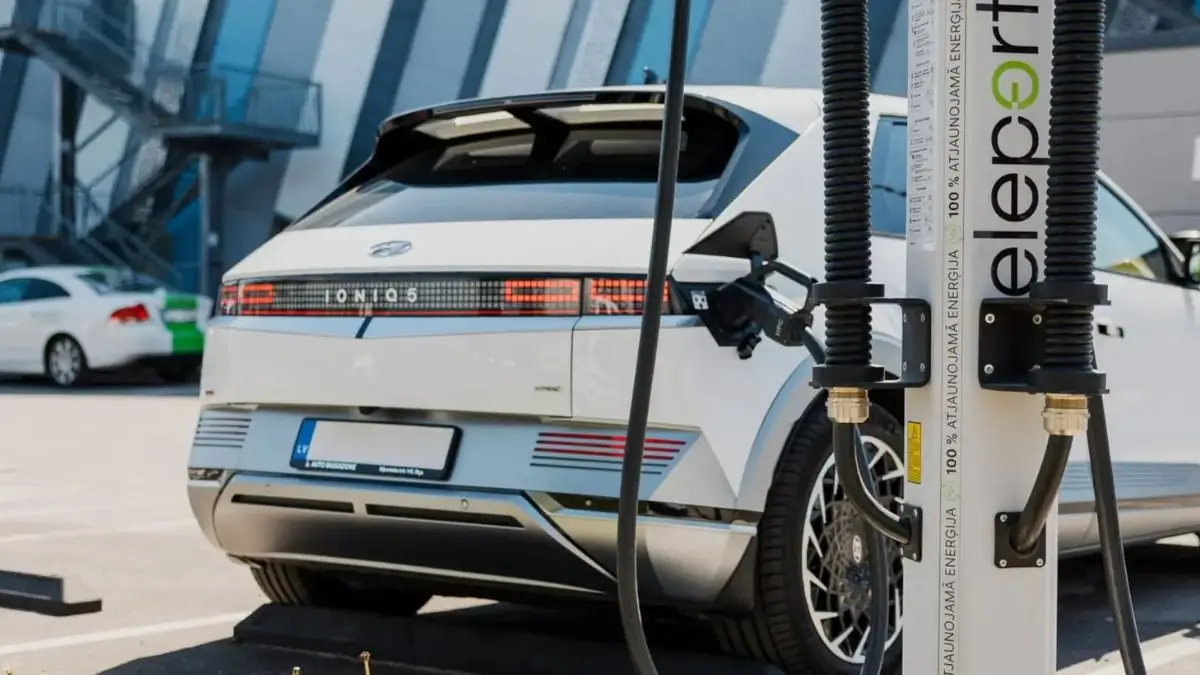
Delhi approved the Delhi Electric Vehicle (EV) Policy 2.0, and it will be effective from July 1, 2026, to March 31, 2030. This policy primarily aims to accelerate the electric vehicle adoption via the subsidies, tax exemptions, scrappage incentives and the phased transition away from the petrol and CNG vehicles. This scheme is backed by the estimated amount of ₹15,000 crore budget and this policy seeks to improve the Delhi’s air quality, reduce vehicular emissions, and expand EV infrastructure.
About the Delhi EV Policy 2.0?
Delhi EV Policy 2.0 is the updated roadmap to make electric mobility to the preferred mode of the transportation in the capital. This policy combines the financial incentives with regulatory reforms to encourage the residents, businesses, and commercial operators to switch from internal combustion engine (ICE) vehicles to the electric vehicles.
The policy focuses onto the,
- Increasing EV ownership across all vehicle categories.
- Reducing pollution and greenhouse gas emissions.
- Expanding charging infrastructure.
- Promoting zero-emission public and commercial transport.
- Phasing out of the new registrations of petrol and CNG vehicles in stages.
Delhi EV Policy 2.0 Timeline
- Effective Date: July 1, 2026
- Policy Duration: July 1, 2026 – March 31, 2030
- Implementation Budget: ₹15,000 crore
The policy will be implemented in the different phases, it allowing the consumers and industries sufficient time to transition toward electric mobility.
100% Road Tax and Registration Fee Waiver
One of the biggest attractions of the Delhi EV Policy 2.0 is the complete exemption from road tax and registration charges for the eligible electric vehicles.
Eligible Vehicles
Electric vehicles with an ex-showroom price of up to ₹30 lakh will receive the,
- 100% exemption from road tax.
- 100% exemption from registration fees.
These benefits can reduce the on-road cost of an EV by approximately to around ₹1.5 lakh to ₹2 lakh and depending on the vehicle category.
Vehicles Above ₹30 Lakh
Electric vehicles which are priced above the ₹30 lakh will not receive the,
- Road tax exemption.
- Registration fee waiver.
- Purchase subsidy.
Normal taxes and registration charges will continue to apply on the EV.
Strong Hybrid Vehicles Not Eligible
Unlike the fully electric vehicles, strong hybrid cars have been excluded from the financial incentives under the new policy.
The Delhi Government has made it clear that subsidies and tax benefits will be reserved exclusively for the zero-emission battery electric vehicles (BEVs), and reinforcing the its long-term commitment to clean transportation.
Direct Cash Subsidies Under Delhi EV Policy 2.0
To encourage the early adoption of the scheme, the government has introduced the direct purchase subsidies that gradually decrease over the policy period.
Electric Two-Wheelers
Eligible electric scooters and motorcycles priced below ₹2.25 lakh will receive the,
- Year 1 (From July 1, 2026): ₹30,000
- Year 2: ₹20,000
- Year 3: ₹10,000
The subsidy is calculated at the ₹10,000 per kWh, and it is subject to the prescribed limit.
Electric Three-Wheelers
Commercial electric auto-rickshaws will receive the,
- Year 1: ₹50,000
- Year 2: ₹40,000
- Year 3: ₹30,000
Electric Light Commercial Vehicles (N1 Category)
Eligible electric light goods vehicles can also receive the purchase incentives of up to ₹1 lakh and with the benefits gradually reducing in subsequent years.
All the subsidies will be transferred directly to the buyer’s verified bank account through an online portal and it will be managed by the Delhi Transport Department.
Vehicle Scrappage Incentives
To accelerate the replacement of the older, polluting vehicles, the policy offers the attractive scrappage bonuses.
To qualify, vehicle owners must have to,
- Scrap a Delhi-registered BS-IV or older vehicle.
- Obtain a valid Certificate of Deposit (CoD).
- Purchase the new electric vehicle within six months of the scrapping.
Scrappage Benefits
- Private Cars: ₹1,00,000 bonus (for the first 1 lakh eligible buyers purchasing the EVs below ₹30 lakh)
- Electric Light Commercial Vehicles: ₹50,000
- Electric Auto-Rickshaws: ₹25,000
- Electric Two-Wheelers: ₹10,000
These incentives are designed to reduce the older vehicle emissions and encouraging cleaner transportation.
Petrol and CNG Vehicle Registration Deadlines
Delhi EV Policy 2.0 introduces the phased roadmap to stop the new registrations of fossil fuel-powered vehicles.
From January 1, 2027
No new registrations will be allowed for the,
- Petrol auto-rickshaws
- CNG auto-rickshaws
- Petrol three-wheelers
- CNG three-wheelers
Light commercial N1 delivery vehicles powered by petrol or CNG
Only electric models will be eligible for the new registration in these categories.
From April 2028
Delhi will stop registering the new,
- Petrol motorcycles
- Petrol scooters
- CNG two-wheelers
Anyone purchasing a new two-wheeler in the Delhi after this deadline will need to opt for the electric model.
Importantly, the policy does not ban existing petrol or CNG vehicles already registered in Delhi. They may continue operating until the end of their legally permitted lifespan.
New Rules for Schools, Businesses and Government Departments
The policy also mandates the gradual transition to electric fleets across institutions.
School Buses
Schools that are operating buses in Delhi must ensure the,
- At least 10% electric buses by the year 2028
- 20% electric buses in the following year
- 30% electric buses by March 31, 2030
Aggregators and Delivery Platforms
Ride-hailing companies, taxi aggregators, and delivery operators will not be allowed to add the new internal combustion engine vehicles to their fleets. They will be required to meet the phased targets for the adopting electric vehicles.
Government Vehicles
All the newly purchased, leased, or hired vehicles used by Delhi Government departments must become 100% electric within one year of the policy’s implementation.
Expansion of EV Charging Infrastructure
Also the successful EV transition depends on accessible charging facilities.
To support the growing EV adoption, the Delhi Government plans to invest ₹8,000 crore in charging infrastructure.
Key initiatives includes the,
- Installation of total 32,000 public EV charging points across Delhi.
- Mandatory public charging facilities at the vehicle dealerships.
- Expansion of the battery-swapping infrastructure.








 Ambaji Mohanthal Gets GI Tag: Gujarat’...
 Noida International Airport to Be Named ...
 Nameri Tiger Reserve Gets CA|TS Approved...










