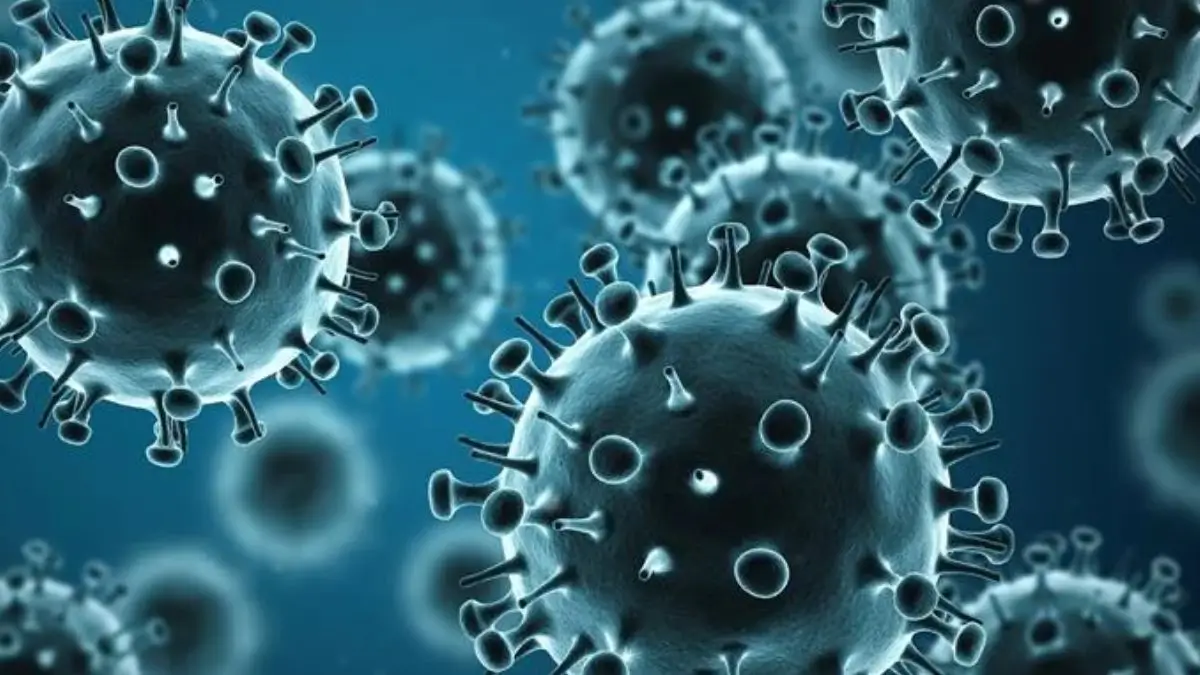
Influenza H1N1, popularly known as swine flu, is now making headlines due to its spread in Delhi and other Indian cities. Based on NCDC data as provided in the source, the number of H1N1 cases in Delhi was 1,449 until August 12, 2026, compared to 229 last year during the same period. H1N1 is an Influenza A virus that can cause respiratory infection with varying severity. Learning about influenza and its spread due to mutations makes it easier to understand why there are periodic influenza outbreaks and why the severity differs.
What Is H1N1 Swine Flu?
The influenza viruses belong to the Orthomyxoviridae family. The influenza A virus carries two major surface proteins—hemagglutinin (H) and neuraminidase (N), which are used for subtype identification.
Influenza H1N1 consists of H1 and N1 subtypes. The virus responsible for the 2009 pandemic is a reassortment of influenza genes from pigs, humans and birds.
Influenza viruses are generally categorized into types A, B, C and D. Influenza A is a significant type since it can affect both humans and many animals and lead to epidemics.
Why Is H1N1 Spreading Now?
It would be necessary to conduct extensive genetic and epidemiological studies to find out the exact cause of the ongoing spread. It could depend on the mutation of the virus, increase of person-to-person contact and season.
The incidence of influenza in India tends to rise during the rainy and monsoon seasons. Seasonality, climatic conditions, population density and human interaction patterns might be contributing to the spread.
Therefore, the increase in Delhi needs to be understood not only through influenza seasonality but also through the possible changes in circulating viral strains.
What Are the Symptoms of H1N1?
Typical influenza symptoms are,
- Fever
- Cough
- Headache
- Body aches
- Fatigue
- Chills
- Sweating
While most infections are not usually fatal, influenza can be deadly to at-risk patients in extreme situations.
Who Is at Risk?
High-risk people are,
- Senior citizens
- Children
- Pregnant women
- Immunosuppressed individuals
- Individuals with asthma or other pulmonary disorders
- Individuals with diabetes
- Individuals with heart problems
Individuals with pre-existing illnesses who develop severe influenza symptoms must contact their physician immediately.
How does Influenza Mutate?
Two main factors are responsible for evolution in influenza viruses, antigenic drift and antigenic shift.
Antigenic Drift
- Antigenic drift is the term used to refer to minor mutations in the genetic make-up of influenza viruses while they undergo replication.
- Such mutations can result in changes in the HA and NA surface proteins in circulating strains of influenza viruses.
- The continuous nature of antigenic drift is the main cause of seasonal influenza infections.
Antigenic Shift
- Antigenic shift is an abrupt and significant mutation in the Influenza A virus.
- Antigenic shift may result in the introduction of new combinations of surface proteins to human hosts that have no prior immunity against such a virus.
- One of the most notable cases of an antigenic shift is the H1N1 influenza virus of 2009.
- The virus contained genetic material from North American swine, Eurasian swine, human and bird origins.
How Does One Treat H1N1?
Treatment varies depending on the severity of the symptoms and risk factors of the patient. Influenza is caused by the influenza virus, therefore, it does not respond to antibiotic treatment.
However, antiviral medications, like oseltamivir, may be administered by physicians, especially in case of timely treatment or high-risk patients. Symptom management may be suggested, too.
Those who experience serious symptoms or belong to the high-risk groups must seek medical attention and should not try to treat themselves.
Is There a Vaccine Against H1N1?
Yes. There is a seasonal influenza vaccine, which provides protection against the influenza virus contained in the vaccine. The composition of the influenza virus changes, thus, vaccines are regularly updated.
Vaccination is a personal choice that depends on age, health condition, and other criteria. High-risk individuals should talk about getting vaccinated against influenza with their healthcare professional.








 ISRO to Launch NVS-03 Navigation Satelli...
 DCGI Approves Zytorvi (Toripalimab) for ...
 NASA’s PUFFINS Mission: Indian-Origin ...