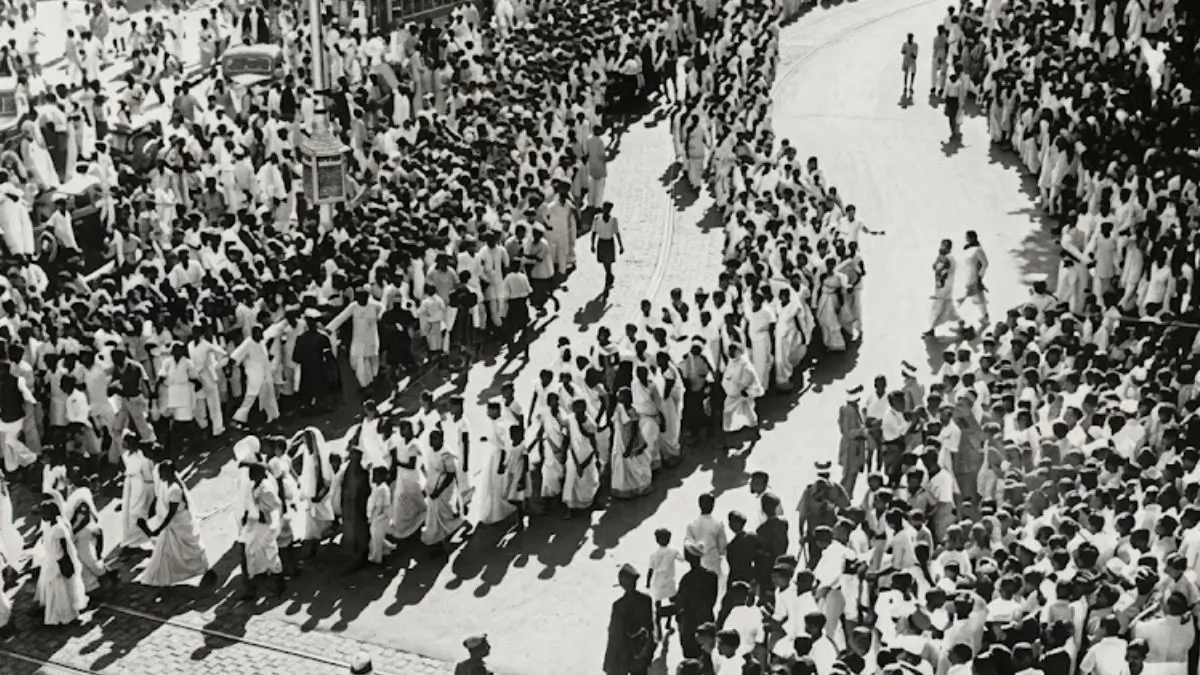
India’s Independence came through decades of the resistance, struggle, mass movement and political negotiations. Through the Non-Cooperation Movement, Simon Commission agitation, Dandi march, Quit India movement and midnight session of independence, many photographs taken during this time record some of the crucial events and victories of the struggle for freedom. Photographs taken during this time have also recorded the happiness of August 15, 1947, and tragedy of Partition.
Below is the list of 15 Historical Images and The Story Behind Them.
1. Quit India Movement, 1942
Quit India Movement started in the year 1942 on August 8, 1942 when Mahatma Gandhi gave the call of “Do or Die”. Mass agitation took place all over India as Indians demanded that British leave India.
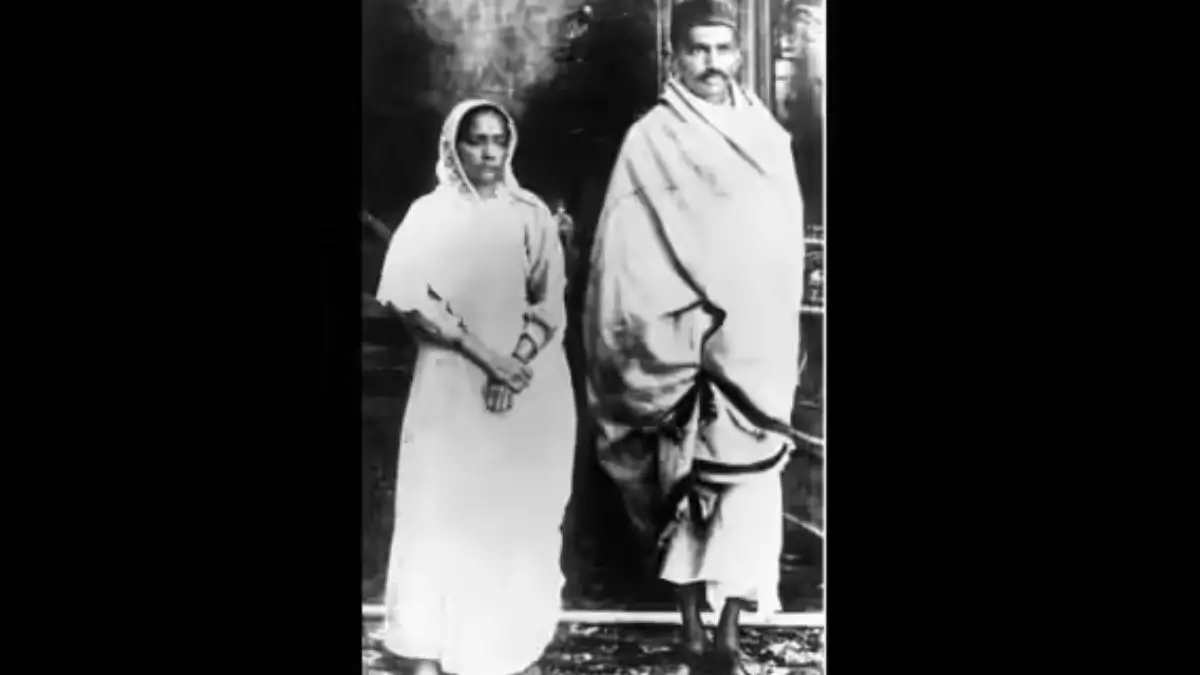
2. Mahatma Gandhi and Kasturba Gandhi
A famous photograph shows the picture of Mahatma Gandhi along with Kasturba Gandhi during the time of Non-Cooperation Movement. The campaign initiated by Mahatma Gandhi encouraged Indians to cease cooperation with British institutions.
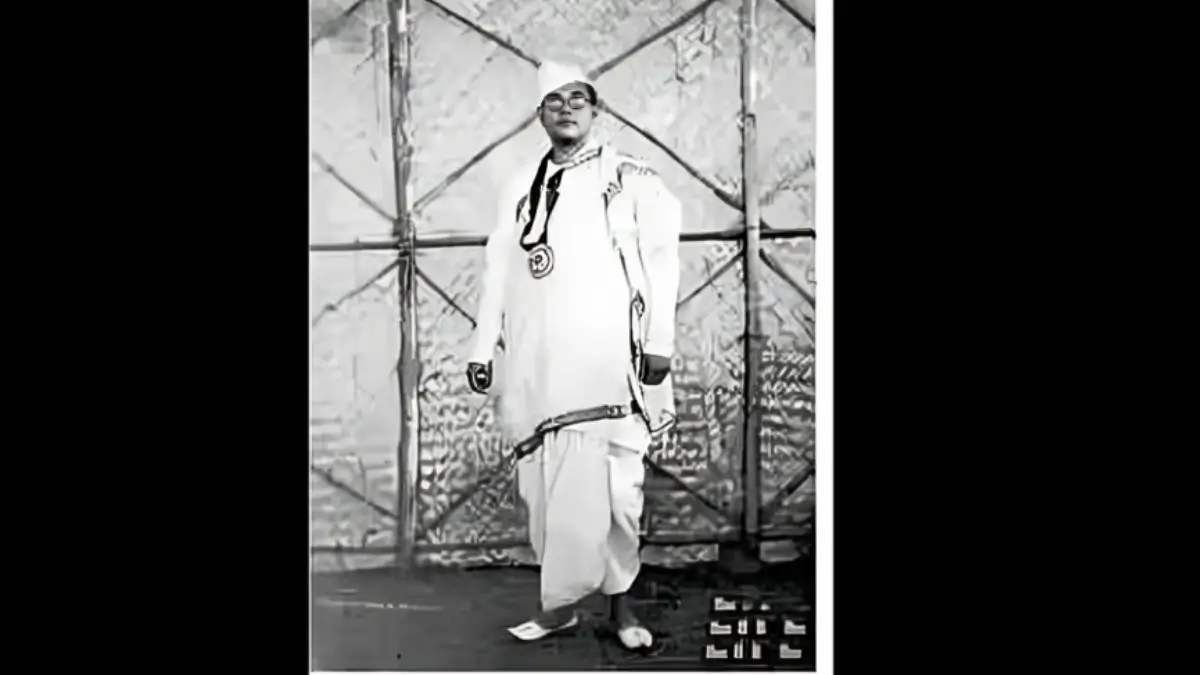
3. Netaji Subhas Chandra Bose at Haripura
A famous photograph showing Subhas Chandra Bose at Haripura reminds of his election as the president of Indian National Congress. Later he emerged as one of the most prominent leaders who supported militant struggle against British rule.
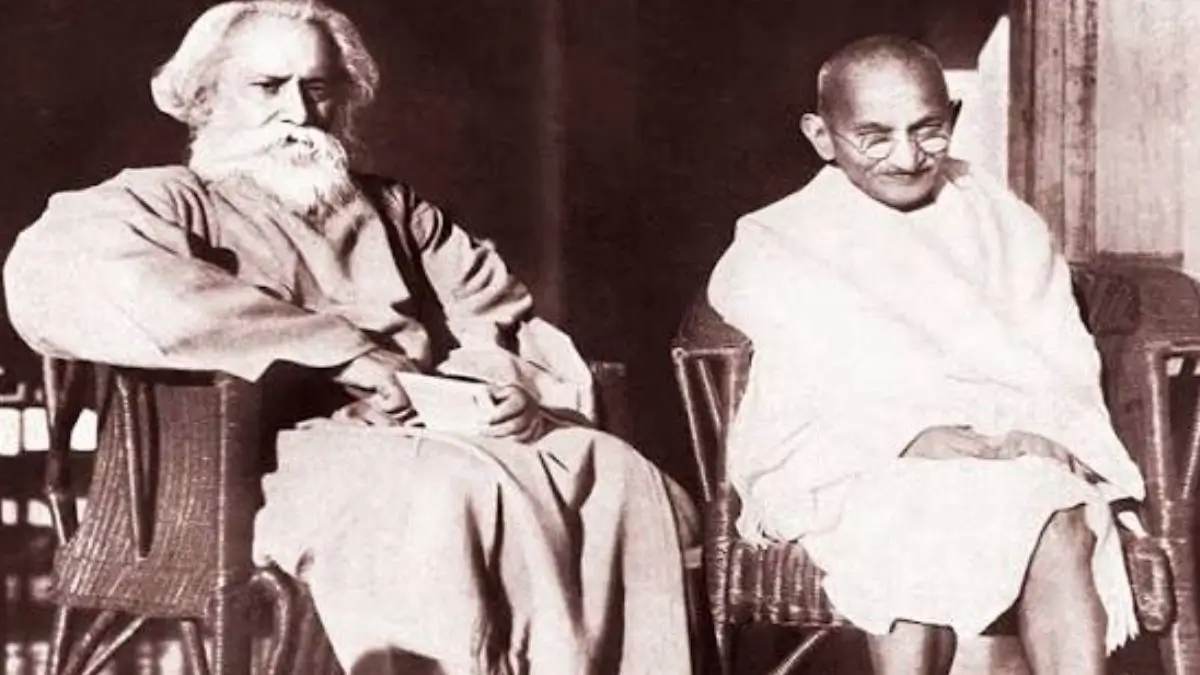
4. Mahatma Gandhi and Rabindranath Tagore
The meeting between Mahatma Gandhi and Rabindranath Tagore signifies the union of two great men of modern India. Their friendship signified the debate of nationalism, education, society and future of India.
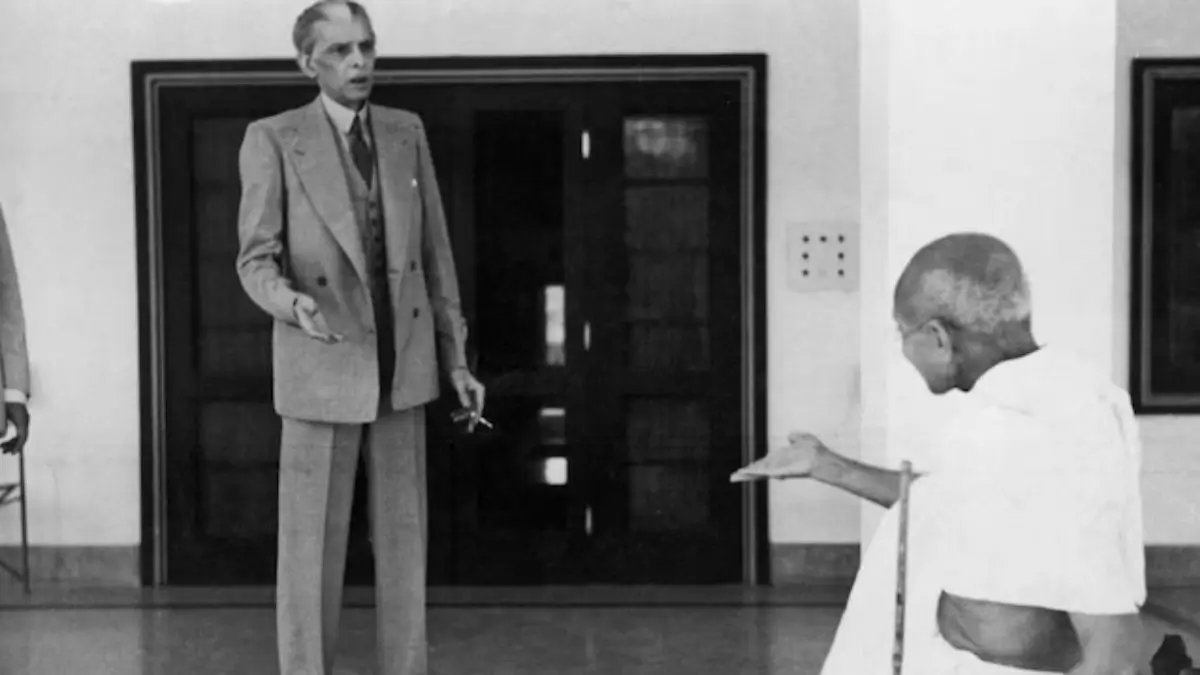
5. Mahatma Gandhi and Muhammad Ali Jinnah
This photograph shows the moment when Mahatma Gandhi met Muhammad Ali Jinnah; this was a very significant phase of India’s complex constitutional and political negotiations before the freedom struggle and partition.
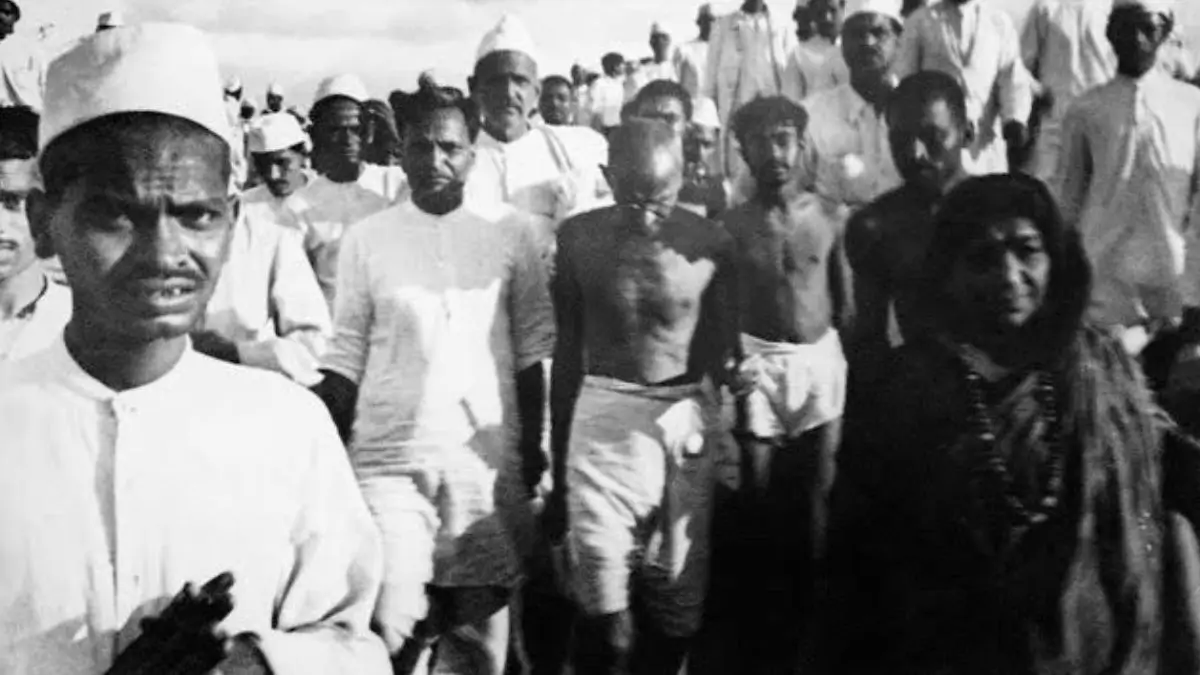
6. Non-Violent Protest Against Foreign Goods
The photographs dating back to the 1930s portray how the volunteers of India used non-violence to resist foreign goods brought by the Britishers to India. Boycotting foreign cloth was one of the crucial parts of the nationalist movement.
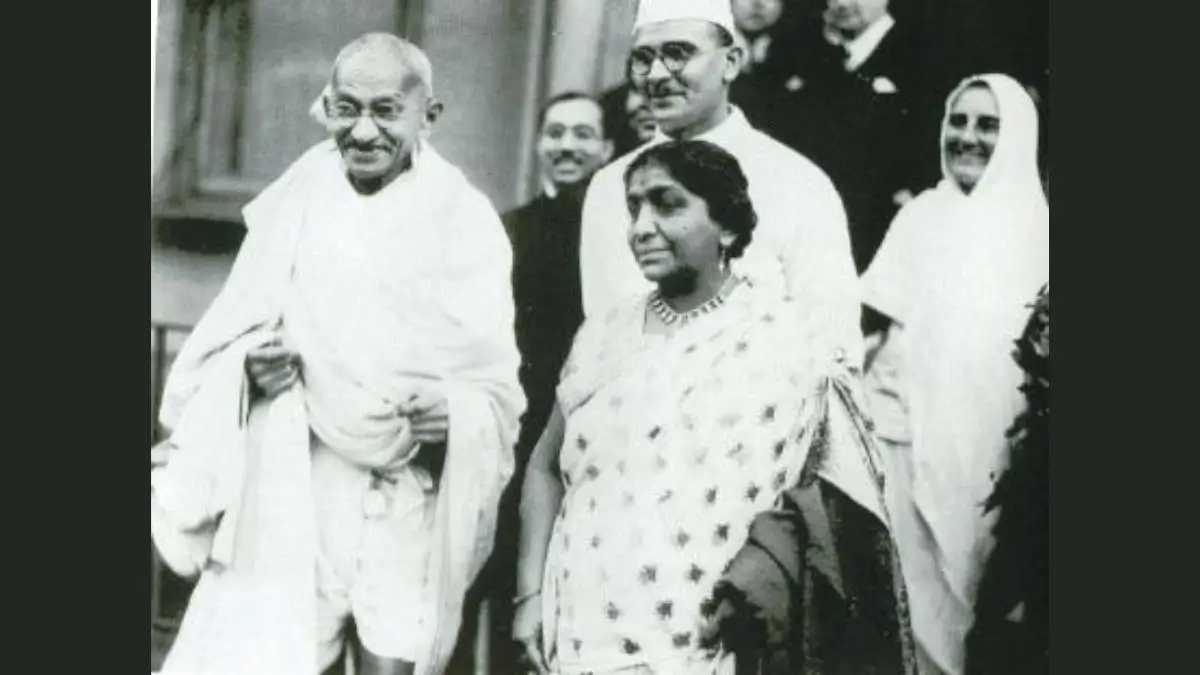
7. Gandhi and Sarojini Naidu at the Salt March
Dandi March was carried out in 1930, which became the defining event of the Civil Disobedience Movement. Gandhi went on this march from Sabarmati to Dandi in order to challenge the monopoly of salt of the British Government, whereas Sarojini Naidu and other leaders also participated in the same.
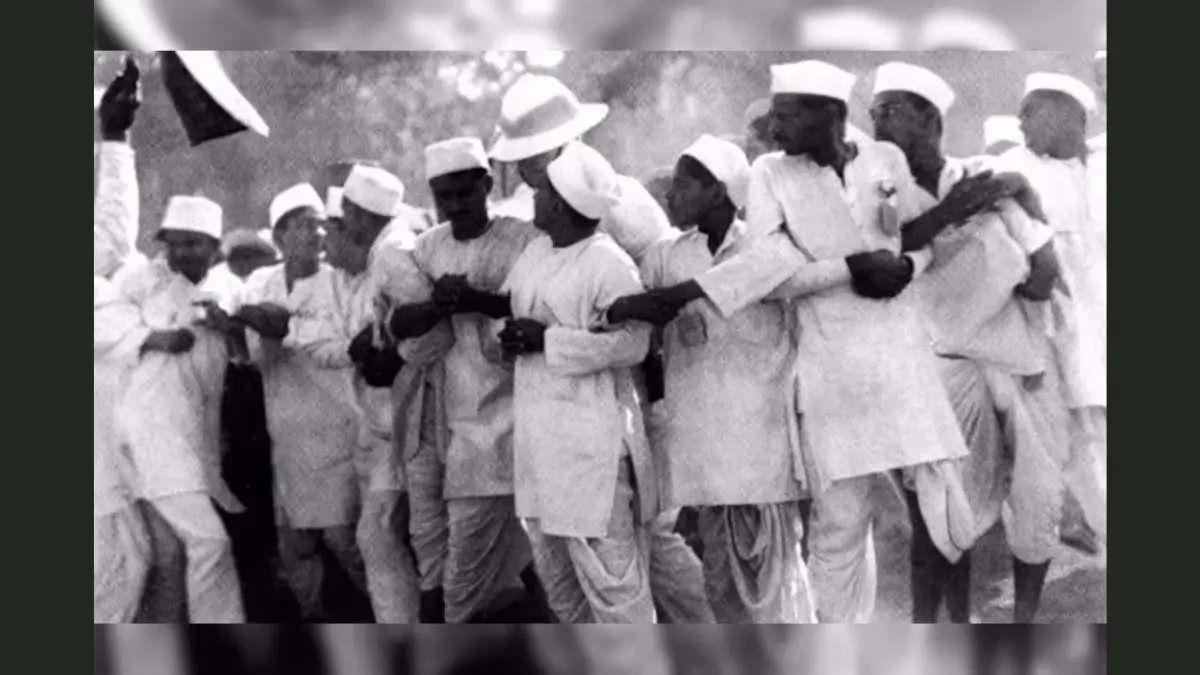
8. Human Wall of Satyagrahis
In some instances, satyagrahis used to form the human wall or chain for the protection of their fellow protesters and leaders during the protest.
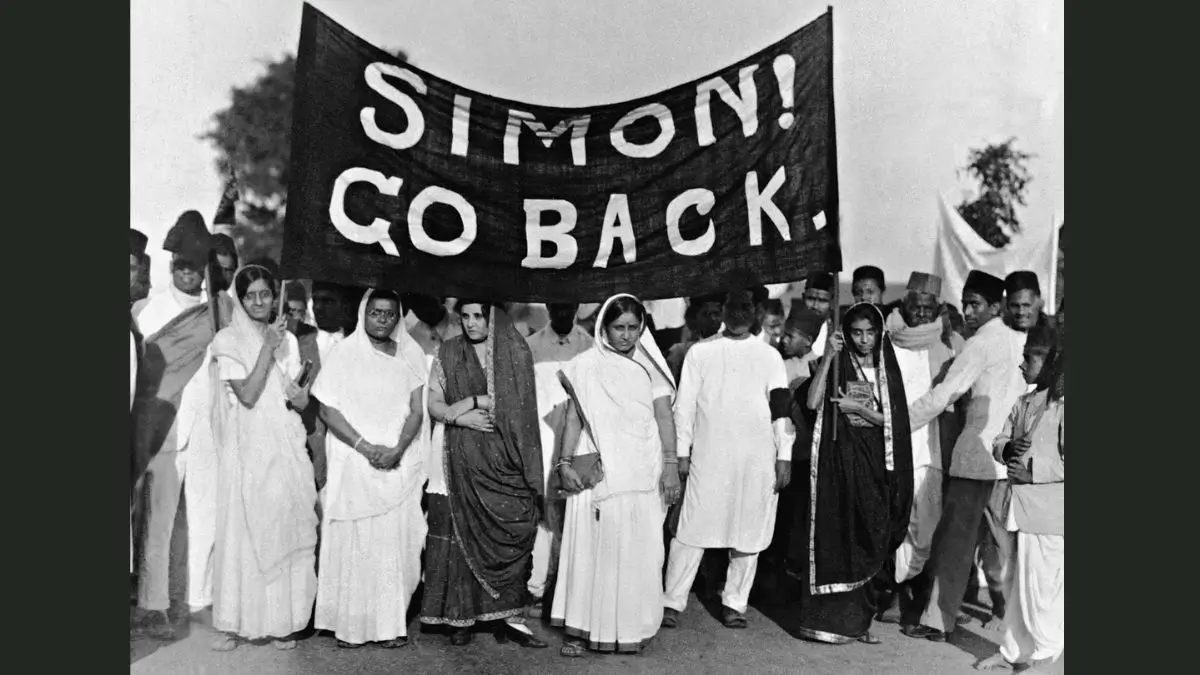
9. “Simon Go Back”
The Simon Commission was widely resented because it did not have any member belonging to the Indian community. When it arrived in Lahore in October 1928, the people protested against it under the leadership of Lala Lajpat Rai, who got injured very badly and died on November 17, 1928.
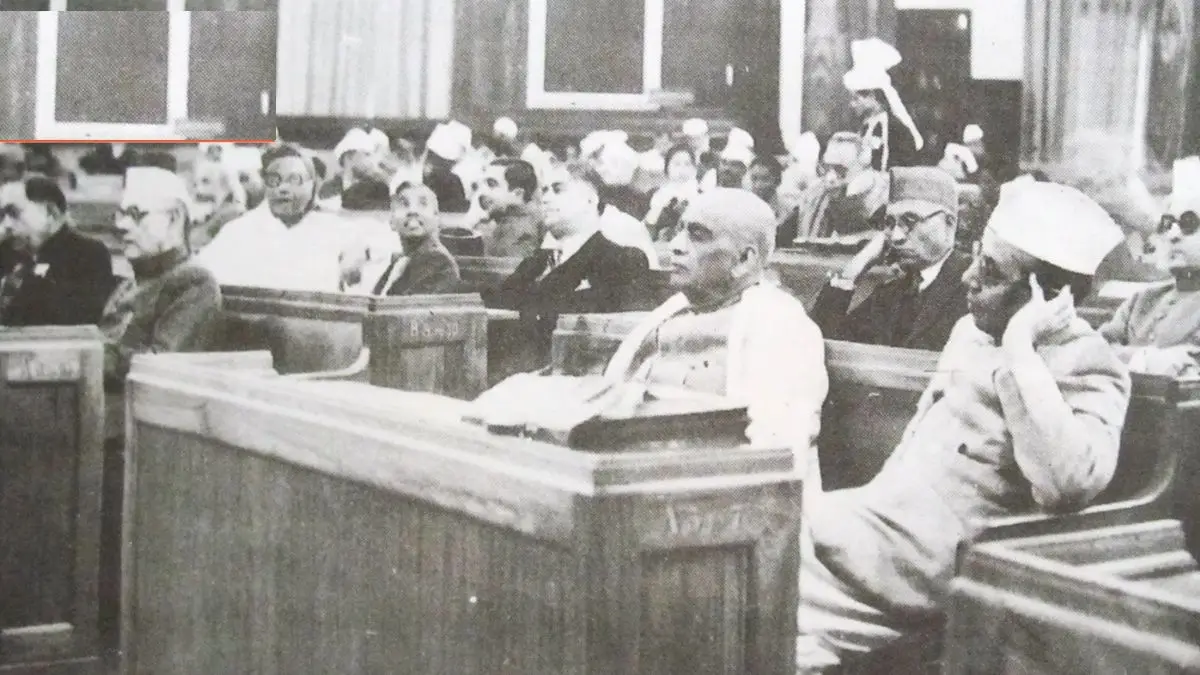
10. The First Meeting of Constituent Assembly, 1946
The photographs showing the first meeting of the constituent assembly in 1946 were attended by many leaders who played vital role in framing the Constitution of Independent India in 1950.
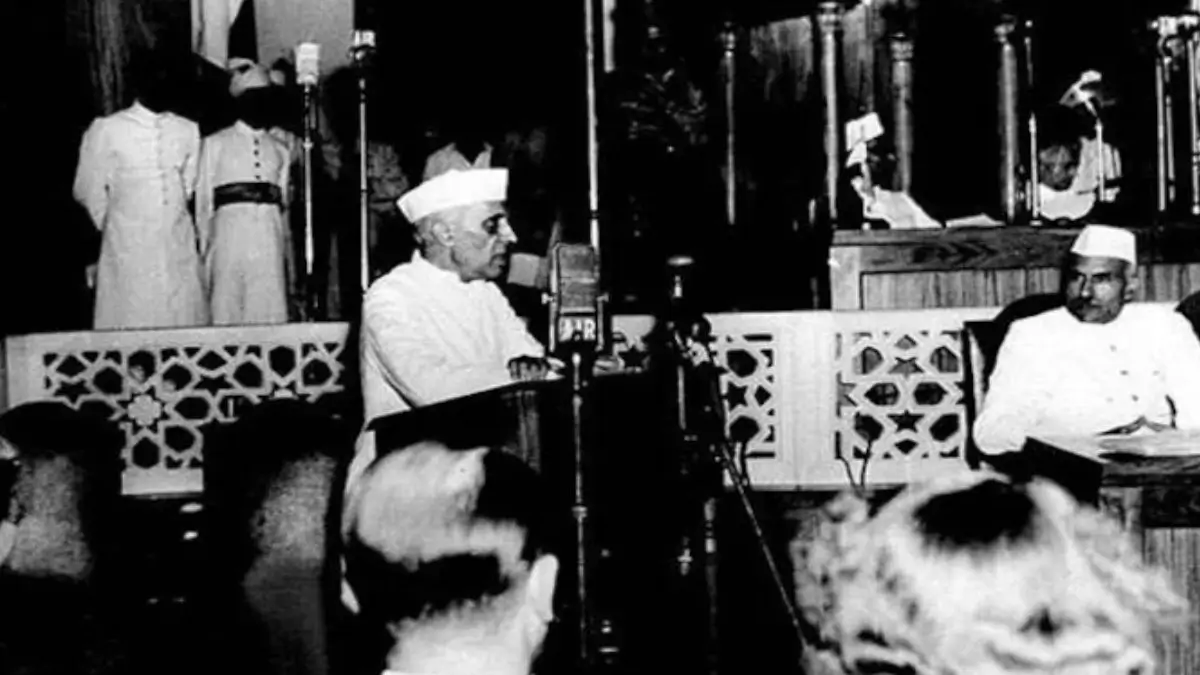
11. Nehru’s ‘Tryst with Destiny Speech’
At midnight on 14-15 August 1947, Jawaharlal Nehru delivered a historical speech on “Tryst with Destiny,” marking India’s entry into the era of independence.
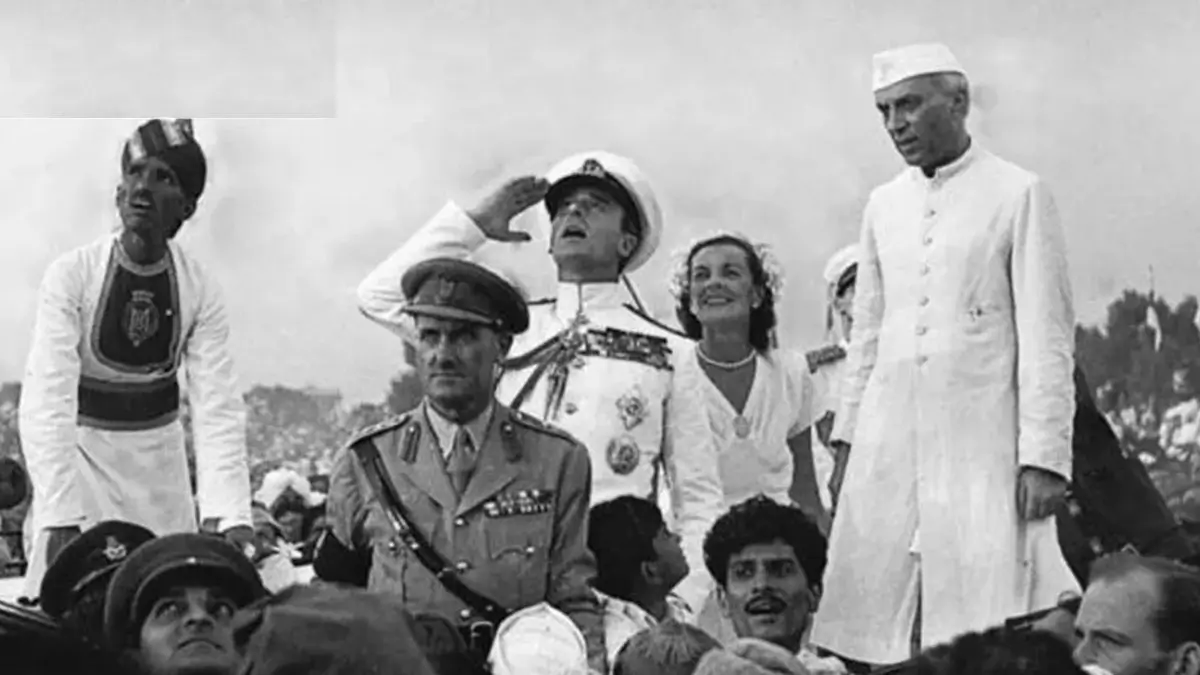
12. First Independence Day in India
On 15 August 1947, the country of India celebrated its first Independence Day. Pictures of Nehru together with Lord Mountbatten and Lady Edwina Mountbatten mark the political changes associated with the power transfer.
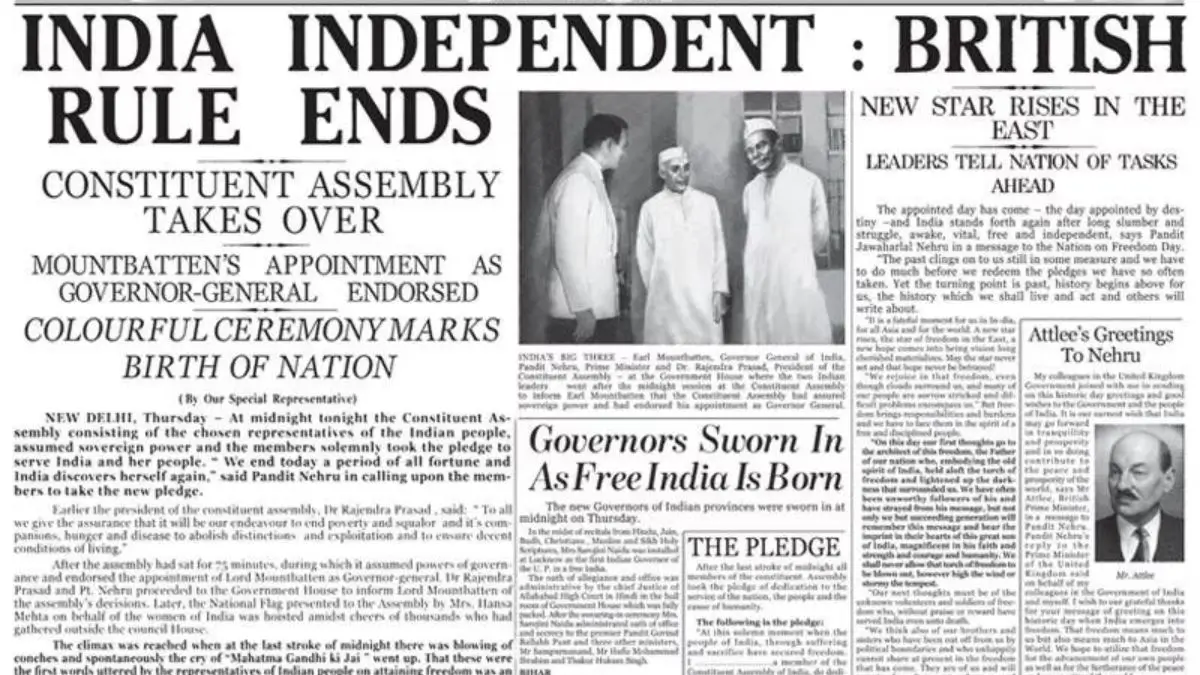
13. Front Page 15 August 1947
Front pages of newspapers dated 15 August 1947 are a contemporaneous account of how India’s independence was covered in the press. They document the excitement associated with the power transfer to India.
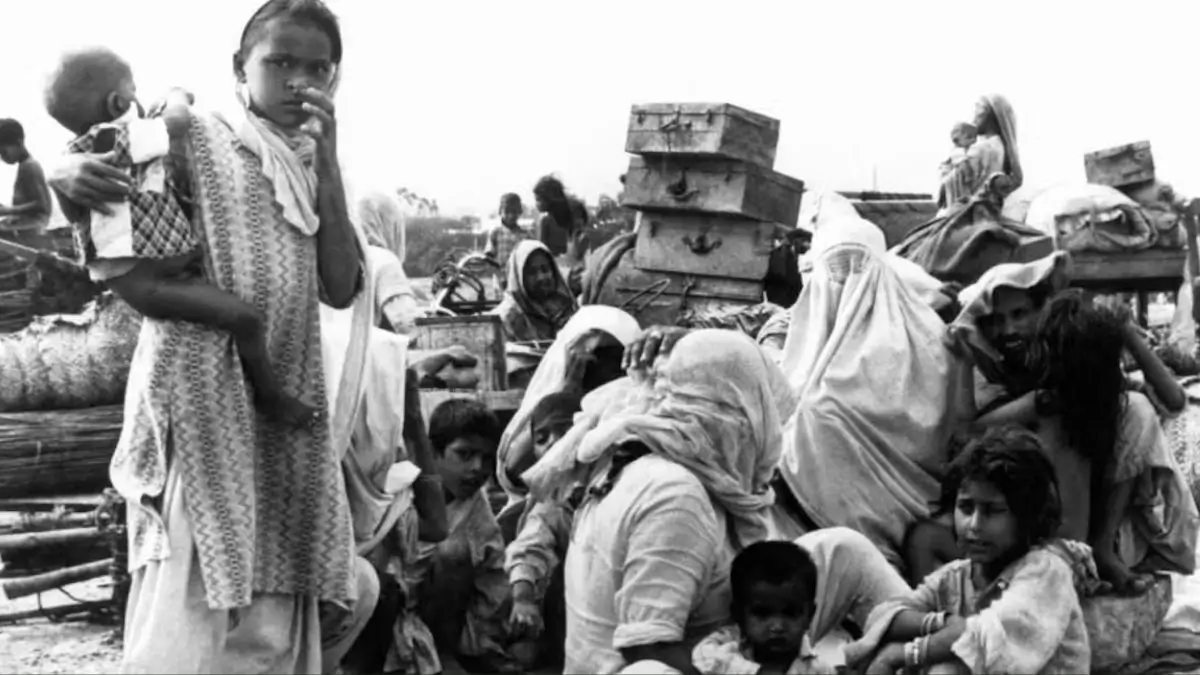
14. Partition and Refugee Camps
Independence celebrations were overshadowed by the human catastrophe of Partition, during which millions of people lost their homes due to the creation of India and Pakistan, being forced to seek refuge in big cities like Delhi under the most difficult circumstances.
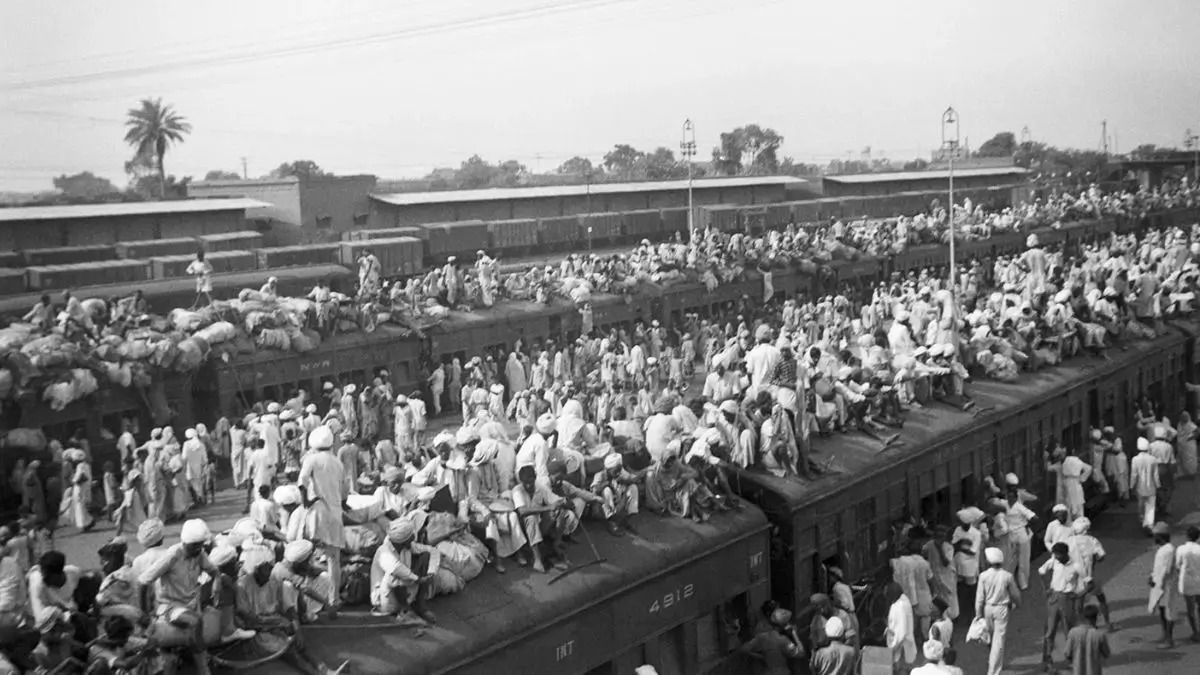
15. Refugees Going to Pakistan
Overcrowded trains filled with refugees are one of the darkest episodes of the process of gaining independence. The Partition led to large-scale violence and displacement of people.
From Struggle to Freedom
Together, these images reflect a history far broader than that of attaining freedom. Mass protest, political discord, civil disobedience, radical nationalism, constitutional negotiation, and ultimately independence and Partition comprise a history captured in these images.
Indeed, when the Tricolour is raised on August 15 every year, it does not merely represent the ending of British rule in 1947; it also represents all the struggle and sacrifice that brought about freedom.






 Dussehra 2026: Top 30 Most Important GK ...
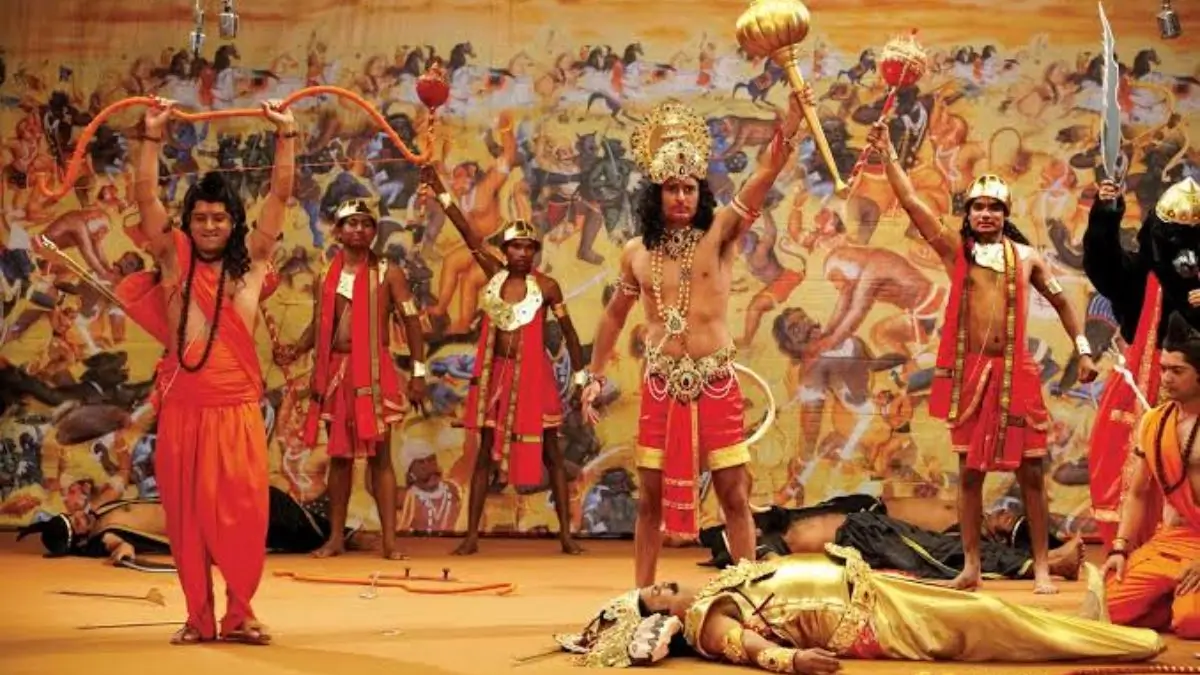 Dussehra and UNESCO: Ramlila, Durga Puja...
 Mysuru Dasara 2026: History, Jamboo Sava...