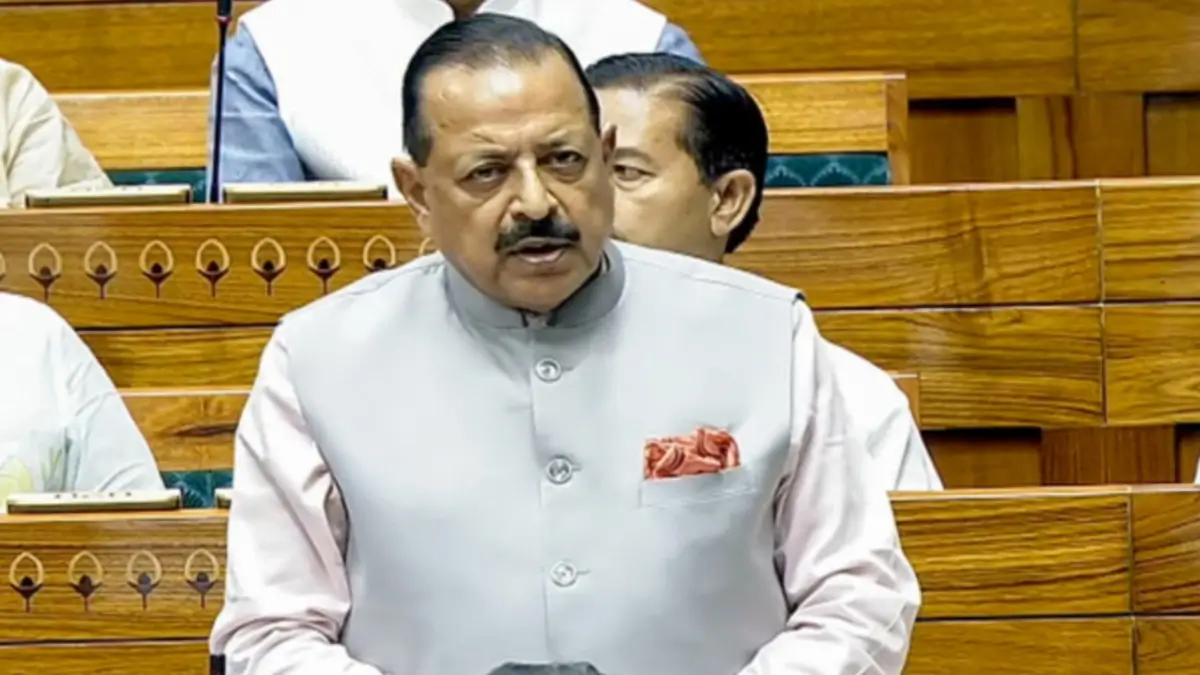
The Lok Sabha on 30 July 2026 passed the Public Examinations (Prevention of Unfair Means) Amendment Bill, 2026, aimed at strengthening India’s anti-paper leak framework. The amendment introduces stricter punishments, faster investigations, and special fast-track courts to tackle paper leaks and examination-related fraud more effectively.
The Bill was introduced by Union Minister Dr. Jitendra Singh on 27 July 2026 during the Monsoon Session of Parliament. It was passed amid protests by Opposition members over the NEET paper leak issue and disruptions in the House.
Why Was the Amendment Bill Introduced?
The amendment was proposed to strengthen the Public Examinations (Prevention of Unfair Means) Act, 2024, which was enacted following several high-profile paper leak incidents across the country.
According to the government, the amendment reflects lessons learned from the implementation of the 2024 Act and aims to ensure quicker investigations, stricter punishments, and speedy trials to deter organized examination fraud.
Key Highlights of the Amendment Bill
| Particular | Details |
|---|---|
| Bill Name | Public Examinations (Prevention of Unfair Means) Amendment Bill, 2026 |
| Passed By | Lok Sabha |
| Maximum Punishment | Up to 10 years’ imprisonment |
| Maximum Fine | ₹50 lakh |
| Punishment for Organized Crime | Minimum 7 years’ imprisonment and fine up to ₹10 crore |
| Investigation Timeline | Within 2 months |
| Trial Timeline | Within 3 months after filing of the charge sheet |
| Special Provision | Fast-track courts and Special Task Force for major cases |
Major Provisions of the Bill
Stricter Punishment for Paper Leak Cases
The amendment increases the punishment for individuals involved in paper leaks or other unfair means in public examinations.
Those found guilty may face:
- Minimum imprisonment: 5 years
- Maximum imprisonment: 10 years
- Fine: Up to ₹50 lakh
For organized criminal networks involved in examination fraud, the Bill prescribes a minimum prison term of seven years along with a fine of up to ₹10 crore.
Time-Bound Investigation
To ensure speedy justice, the amendment mandates that all investigations related to paper leak cases must be completed within two months.
Fast-Track Courts
The Bill empowers State Governments and Union Territory Administrations to designate Special Fast-Track Courts for trying offences under the Act.
These courts will conduct proceedings on a day-to-day basis, with trials expected to be completed within three months from the filing of the charge sheet.
Special Task Force
The amendment also authorizes the Central Government to constitute a Special Task Force (STF) whenever required to investigate major paper leak cases involving organized criminal syndicates.
Government’s Stand
While presenting the Bill, Union Minister Dr. Jitendra Singh stated that the government had acted swiftly in cases related to examination fraud, including the NEET paper leak case.
According to the minister:
- 52 FIRs have been registered since the anti-paper leak law came into force in 2024.
- The amendment demonstrates the government’s willingness to strengthen the legal framework based on practical experience.
- Stronger legal provisions are expected to improve the integrity of public examinations.
Opposition’s Response
The debate on the Bill witnessed sharp exchanges between the treasury benches and the Opposition.
Opposition parties raised concerns regarding the handling of the NEET paper leak issue and student protests. The discussion also saw allegations and counter-allegations between members, leading to repeated disruptions in the House before the Bill was eventually passed.
Background of the Anti-Paper Leak Law
The Public Examinations (Prevention of Unfair Means) Act, 2024 was enacted after several paper leak controversies affected recruitment and entrance examinations across India.
Before this legislation, there was no dedicated central law specifically dealing with organized examination fraud.
The Act covers public examinations conducted by agencies such as:
- Union Public Service Commission (UPSC)
- Staff Selection Commission (SSC)
- National Testing Agency (NTA)
- Railway Recruitment Boards (RRBs)
- Banking recruitment agencies
Its objective is to safeguard the credibility and fairness of public examinations.
Significance of the Amendment
The Amendment Bill is expected to:
- Strengthen the legal framework against paper leaks.
- Deter organized examination fraud through stricter penalties.
- Ensure faster investigations and time-bound trials.
- Improve transparency and credibility of public examinations.
- Restore confidence among students and job aspirants.








 Sudhakar Dalela Appointed as India’s N...
 India’s Passport Ranks 84th in Henley ...
 Immigration and Foreigners Act 2025: Can...