
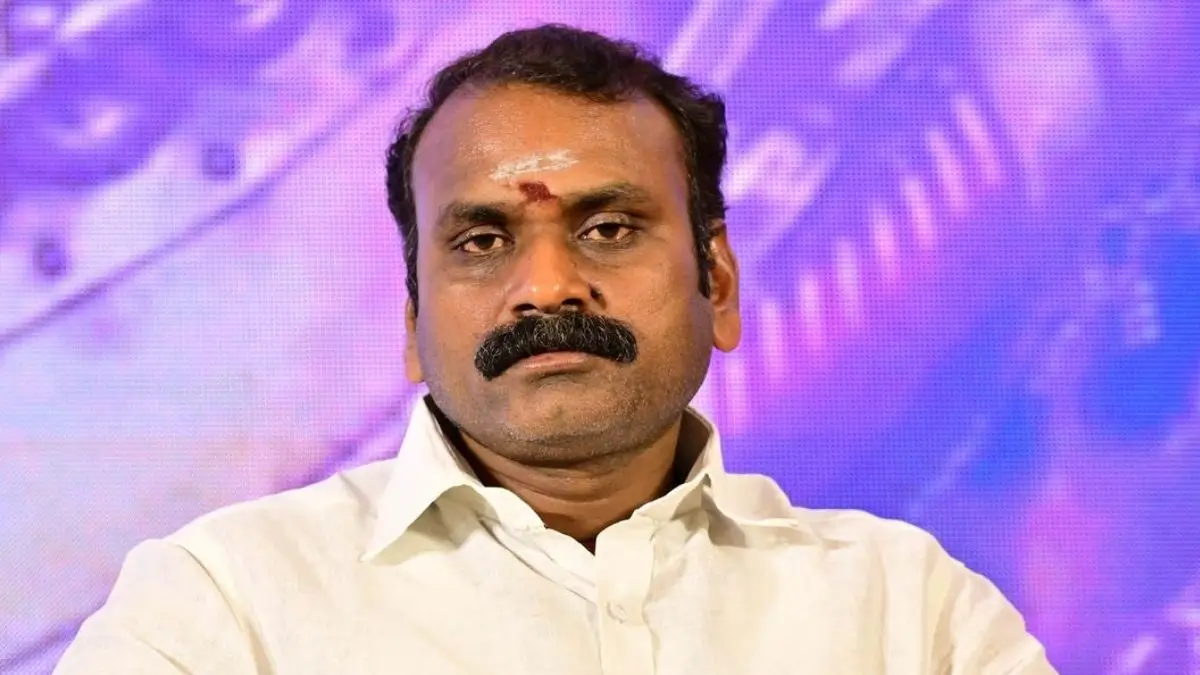
President Droupadi Murmu has accepted the resignation of L. Murugan from the Union Council of Ministers immediately after taking the advice from Prime Minister Narendra Modi. Murugan resigned from his post as he wanted to concentrate more on making the BJP stronger in Tamil Nadu. L. Murugan is the Minister of State for Information and Broadcasting and Parliamentary Affairs and has been a member of the Rajya Sabha since September 2021. This development has brought to light Article 75 (2) of the Constitution of India, which talks about the tenure of Union ministers.
Droupadi Murmu Accepts Resignation by L. Murugan
According to a statement issued by the Rashtrapati Bhavan, President Droupadi Murmu has accepted the resignation of Murugan from the Union Council of Ministers under Article 75(2) of the Constitution of India.
The resignation came into immediate effect as he resigned from Prime Minister Narendra Modi and explained that he would like to go back to Tamil Nadu in order to boost the organizational setup of the BJP in the state.
At the Union level, Murugan was serving as the Minister of State for Information and Broadcasting and Parliamentary Affairs.
The resignation is likely to lead to speculation regarding a potential reshuffle in the Union Council of Ministers but it does not necessarily mean there will be one.
Why did L. Murugan Resign?
According to Murugan, it was his intention to concentrate on the organization of the BJP in Tamil Nadu.
It is a clear indication of a change from the ministerial duties of the Center to the party’s organizational activities within the state.
Tamil Nadu has its own political scenario where regional parties have a strong presence in the politics of the state.
Party organization, widening the party’s base, and political activities are important aspects of election strategy.
Constitutional Provisions under Article 75(2)
Article 75 of the Constitution is concerned with appointment, tenure, and duties of ministers of the Union of India.
According to Article 75(2), ministers are appointed for the pleasure of the President of the country. In a parliamentary democracy like India, this happens on the aid and advice of the Prime Minister and Council of Ministers within the constitutional framework.
Resignation of Murugan was accepted by the President after receiving advice from the Prime Minister.






 India’s Ramsar Sites Reach 103: Sukhna...
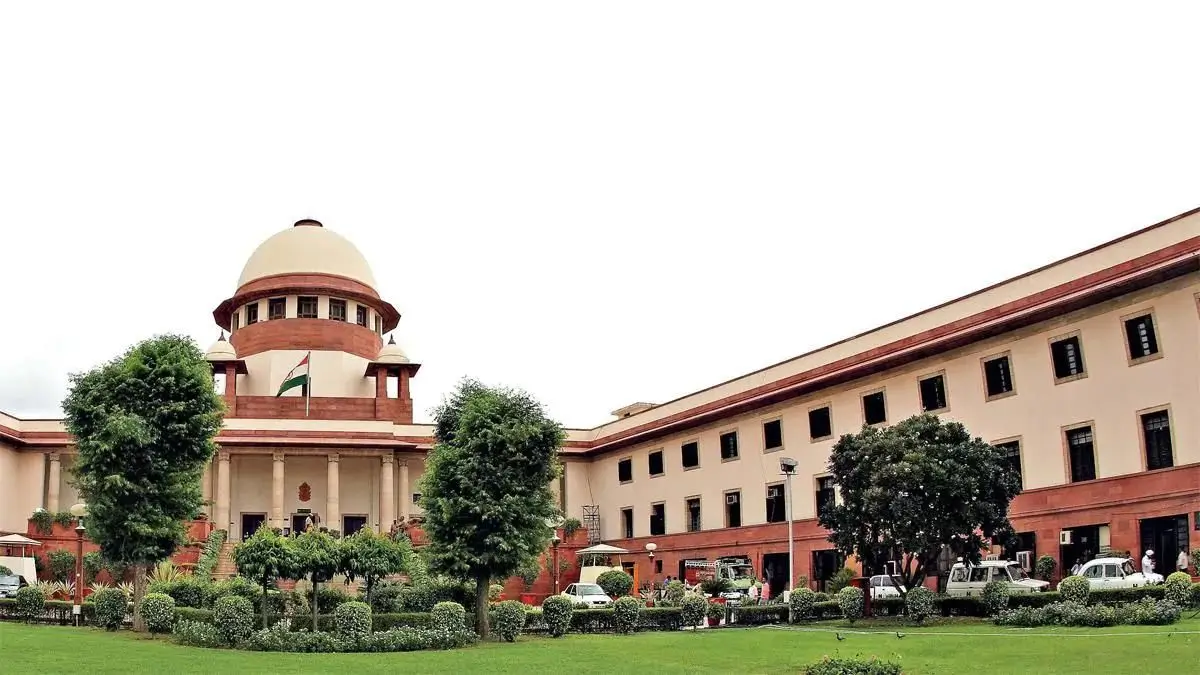 Supreme Court Rules That Religious Conve...
 Vice-President Inaugurates KAUMARACON-20...