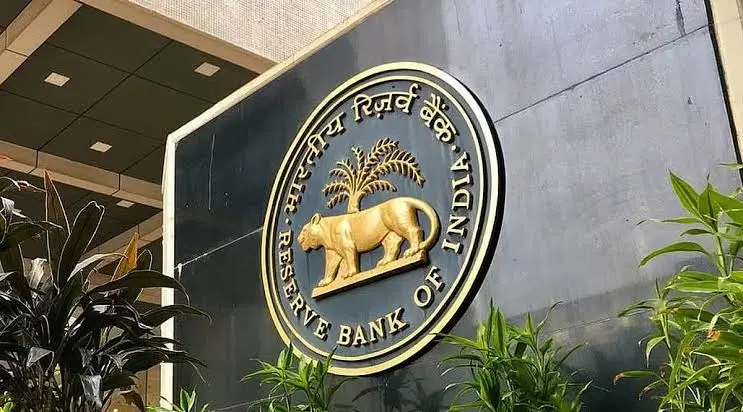
The Reserve Bank of India (RBI) has released draft amendments to strengthen India’s securitisation market by proposing that all Securitisation Notes (SNs) be issued, held, and transferred exclusively in dematerialised (demat) form. The move is aimed at enhancing transparency, efficiency, liquidity, and investor protection in the country’s debt and securitisation market.
The central bank has also proposed to retain the minimum investment size of ₹1 crore, ensuring that the investment threshold remains applicable at both the time of issuance and every subsequent transfer of Securitisation Notes.
What are Securitisation Notes (SNs)?
Securitisation Notes (SNs) are financial instruments created by pooling income-generating assets, such as:
- Home loans
- Vehicle loans
- Personal loans
- Other retail loans
These pooled assets are transferred to a Special Purpose Entity (SPE), which issues Securitisation Notes to investors. The funds raised from investors enable banks and Non-Banking Financial Companies (NBFCs) to generate fresh capital for additional lending.
Major Proposals by RBI
1. Mandatory Dematerialised (Demat) Form
Under the proposed amendments:
- All Securitisation Notes must be issued only in demat form.
- Investors will be required to hold SNs electronically.
- Transfers of SNs will also take place only through demat accounts.
This move is expected to improve operational efficiency and reduce risks associated with physical securities.
2. ₹1 Crore Minimum Investment Retained
The RBI has proposed to continue the minimum investment requirement of ₹1 crore.
The investment threshold will apply:
- At the time of issuance.
- During every subsequent transfer of the Securitisation Notes.
This ensures that the securities continue to be held by eligible investors throughout their lifecycle.
3. Compliance by Special Purpose Entities (SPEs)
The draft framework requires formal agreements between:
- Lenders
- Special Purpose Entities (SPEs)
These agreements must ensure continuous compliance with the ₹1 crore minimum investment requirement throughout the life of the securitisation transaction.
4. Public Issue Criteria
According to the draft amendments:
An issue of Securitisation Notes will be treated as a public issue if it is offered to the number of investors specified under the Securities and Exchange Board of India (SEBI) regulations.
This aligns the securitisation framework with existing securities market regulations.
Objectives of the Draft Amendments
The RBI aims to strengthen the securitisation ecosystem by:
- Increasing market transparency.
- Enhancing investor protection.
- Improving liquidity in the securitisation market.
- Facilitating efficient trading of securities.
- Modernising the regulatory framework.
- Promoting greater confidence among investors.
The move is expected to support the long-term development of India’s debt market.
Public Consultation Process
The RBI has invited comments and suggestions from:
- Financial institutions
- Market participants
- Industry experts
- Investors
- Other stakeholders
The last date for submitting feedback is 27 August 2026.
After reviewing public comments, the revised framework is proposed to come into force from 1 October 2026.
Significance of the Proposal
The proposed reforms are expected to:
- Digitise the securitisation market.
- Improve transparency through electronic record-keeping.
- Reduce settlement risks.
- Enhance regulatory oversight.
- Promote investor confidence.
- Strengthen India’s debt and capital markets.
The proposal also supports the government’s broader objective of expanding digital financial infrastructure.
Key Takeaways
- The Reserve Bank of India (RBI) has proposed demat-only Securitisation Notes (SNs).
- All SNs will be issued, held, and transferred electronically.
- The ₹1 crore minimum investment limit will continue to apply.
- The investment threshold will remain applicable during both issuance and subsequent transfers.
- Special Purpose Entities (SPEs) must ensure continuous compliance with the minimum investment requirement.
- Securitisation Note issues may be classified as public issues based on SEBI regulations.
- The RBI has invited public comments until 27 August 2026.
- The proposed amendments are expected to become effective from 1 October 2026.







 SCL Das Appointed Chairman of Financial ...
 RBI Approves Merger of Emirates NBD’s ...
 Fairfax Financial to Acquire IDBI Bank: ...