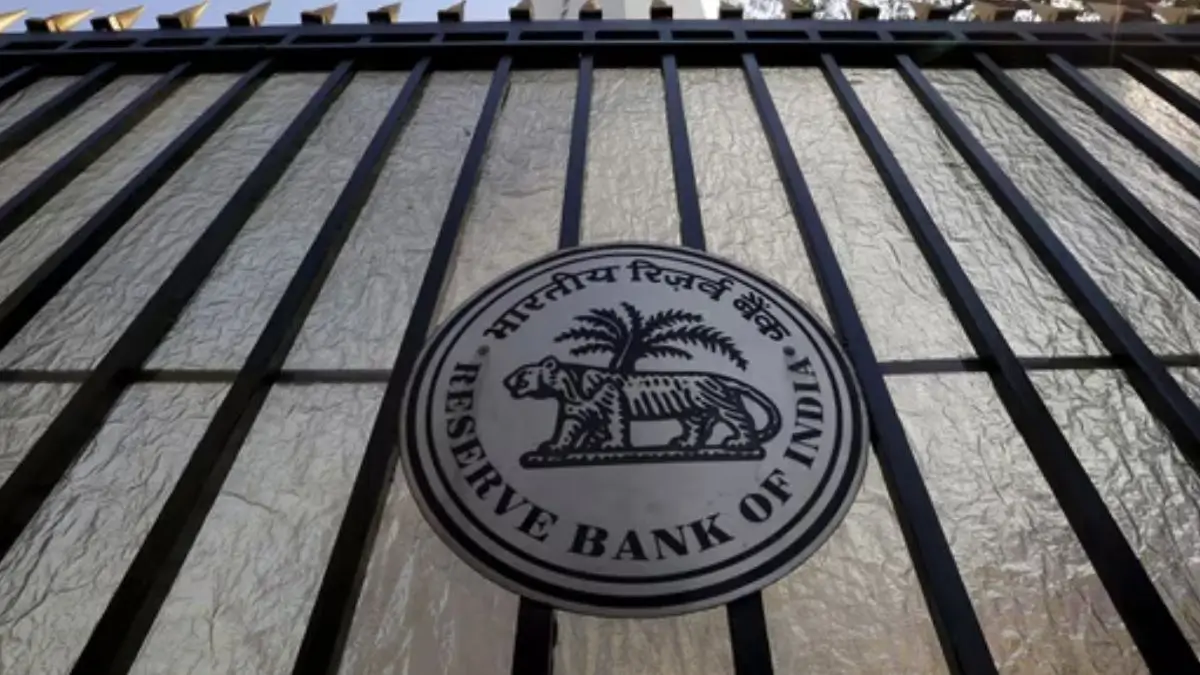
From 1st of July, 2026, The Reserve Bank of India (RBI) has implemented the its revamped Integrated Ombudsman Scheme. This scheme introduced to strengthened framework for resolving the customer complaints against the financial entities. It replacing the 2021 scheme and this new mechanism aims to provide a free, faster, transparent grievance redressal system.
What Is the RBI Integrated Ombudsman Scheme?
The Integrated Ombudsman Scheme is the RBI’s unified grievance redressal mechanism for the customers of the regulated financial institutions.
This scheme enables the customers to seek resolution of complaints related to the in service without approaching multiple authorities.
It follows the “One Nation, One Ombudsman” principle and it ensuring that the are processed irrespective of the customer’s location or the location of the regulated entity.
This revised framework replaces the Integrated Ombudsman Scheme, 2021 while the complaints filed under the earlier scheme will continue to be handled as per the previous rules.
Institutions To Be Covered
The new revamped scheme extends its coverage to the several categories of RBI-regulated entities, including the,
- Scheduled and commercial banks.
- Eligible Non-Banking Financial Companies (NBFCs).
- Prepaid Payment Instrument (PPI) issuers.
- Credit Information Companies (CICs).
This wider coverage also allows more financial consumers to access the single and standardized grievance redressal mechanism.
How Does the Complaint Process Work?
The new framework outlines the clear step-by-step process for to lodging complaints.
Step 1: Contact the Regulated Entity
Customers must have to first submit their complaint to the concerned bank, NBFC, PPI issuer, or the credit information company.
Step 2: Wait for the Response
If the entity,
- Fails to respond within 30 days (or within a longer timeline prescribed by the RBI, NPCI, or applicable card network rules), or
- Provides the response that the customer finds unsatisfactory,
then the complaint can be escalated.
Step 3: Approach the RBI Ombudsman
Customers may file a complaint with the RBI Ombudsman within the 90 days from receiving the final response or after the response period expires.
This structured process encourages the regulated entities to resolve grievances at the first level while ensuring the independent avenue for unresolved cases.
Major Features of the Revamped Scheme
The revised Integrated Ombudsman Scheme introduces the several important improvements such as,
- One Nation, One Ombudsman framework.
- Uniform complaint handling across India.
- Cost-free grievance redressal.
- Non-adversarial dispute resolution process.
- Expanded role of the Deputy Ombudsmen in examining complaints.
- Clearly defined maintainability criteria for complaints.
- Online and simplified complaint filing process.
The RBI has also released the comprehensive Frequently Asked Questions (FAQ) document to help the customers better understand the new framework.
Compensation Under the New Framework
Where the Ombudsman finds the deficiency in the service, it may,
- Directs the regulated entity to take the corrective action.
- And award compensation for the financial losses.
The compensation limits are the,
- Up to ₹30 lakh for the consequential financial losses.
- Up to ₹3 lakh for loss of time, expenses, harassment, and mental anguish.





 NPCI Defers 0.4% MDR on Select UPI Trans...
 SEBI Credit Risk-o-Meter for Bonds: Six ...
 RBI Raises Daily CRR Maintenance Require...