
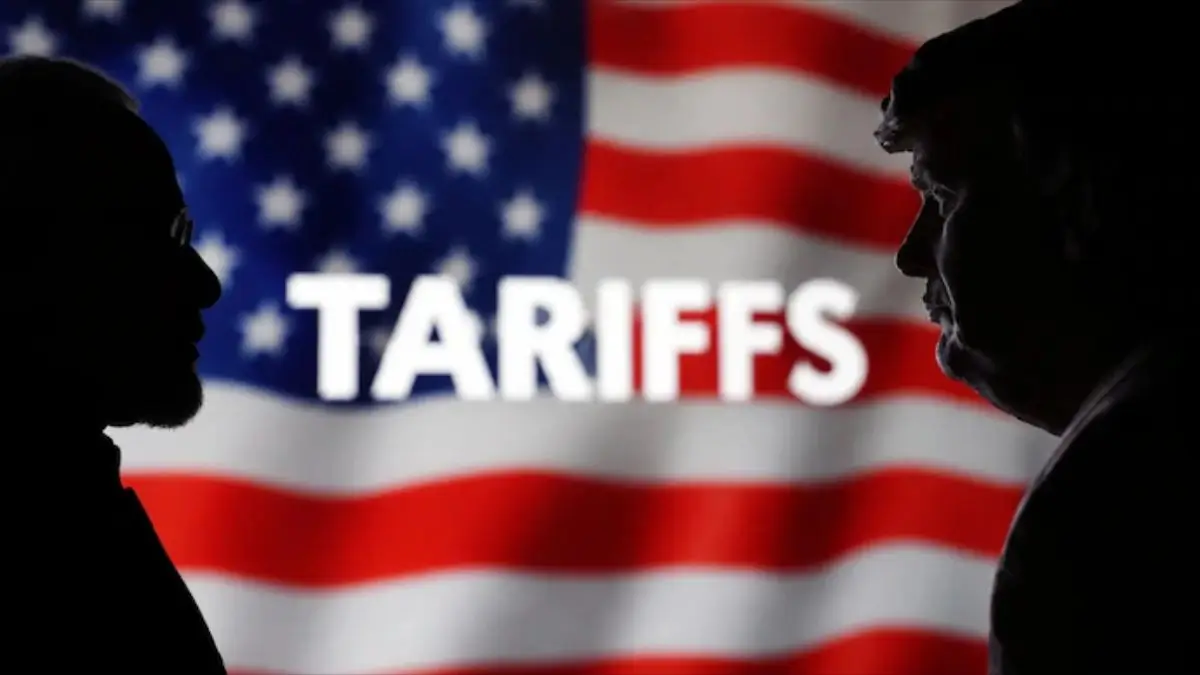
The Donald Trump administration has proposed the fresh tariffs on 14 major US trading partners, which including India, citing alleged excess industrial capacity and its adverse impact on American commerce. The proposal follows an eight-month investigation by the Office of the United States Trade Representative (USTR) under Section 301 of the Trade Act. The proposed measures are not yet in force and must undergo a public notice-and-comment process and a hearing before implementation.
Countries Targeted by the Proposed US Tariffs
The USTR identified 14 economies for proposed tariff action. The list includes major Asian manufacturing economies as well as the European Union.
- China
- Bangladesh
- Cambodia
- European Union
- India
- Indonesia
- Japan
- South Korea
- Malaysia
- Singapore
- Switzerland
- Taiwan
- Thailand
- Vietnam
What Tariff Rates Has the US Proposed?
| Country or trading bloc | Proposed tariff rate |
| India | Up to 25% |
| China | Up to 20% |
| Vietnam | Up to 35% |
| Singapore | Up to 20% |
| Bangladesh | Up to 18% |
| Cambodia | Up to 18% |
| Indonesia | Up to 18% |
| Malaysia | Up to 18% |
| Thailand | Up to 18% |
| European Union | 15% |
| Japan | Up to 15% |
| South Korea | Up to 15% |
| Switzerland | Up to 15% |
| Taiwan | Up to 15% |
The proposed rates vary by the trading partner. Importantly these are the proposed additional duties, subject to product exemptions and adjustments for certain existing tariffs and trade commitments.
Important conditions,
- For India, the USTR proposed tariffs of up to 25%. It also proposed considering a rate of 17% if India reaches a reciprocal trade agreement with the US that addresses the findings of the investigation.
- For Vietnam, the proposed rate could be adjusted to 20% if a suitable reciprocal trade agreement is concluded.
- For Singapore, the proposed rate could be adjusted to 10% under a qualifying agreement or other negotiations.* The proposed rates for several economies account for existing tariff arrangements and certain trade commitments.
Why Has the Trump Administration Proposed These Tariffs?
The US administration argues that some trading partners maintain manufacturing policies that create or sustain excess industrial capacity.
According to the USTR, these practices can include,
- Government support and production incentives for domestic industries.
- Industrial policies that encourage manufacturing expansion.
- Financial policies that influence production and exports.
- Labour-related practices and inadequate labour protections.
- Market access barriers and other policies affecting international competition.
The US government argues that these practices contribute to overproduction, persistent trade surpluses and reduced commercial opportunities for American manufacturers.
The proposed action is intended to address what Washington considers unfair trade practices and protect its domestic manufacturing base. These are the US government’s findings and allegations, rather than independently established conclusions about every targeted economy.
What Is Section 301 of the US Trade Act?
Section 301 of the Trade Act of 1974 is a US trade-law provision that allows the US government to respond to certain foreign government practices considered unjustifiable, unreasonable or discriminatory and that burden or restrict US commerce.
The Office of the United States Trade Representative (USTR) investigates such practices and may recommend trade measures, including additional tariffs.
In this case, the investigation focused on structural excess capacity and production in manufacturing sectors.








 Solomon Islands Names Australia Its Prim...
 Asia Power Index 2026: India Retains Thi...
 COP31 2026 Ends Without Agreement Over F...