

Wayanad in Kerala has become India’s first e-waste-free district after the three-month initiative to collect and scientifically process electronic waste from households, government offices, educational institutions, tourist centres and other public establishments. Honorable Kerala’s Chief Minister V.D. Satheesan is scheduled to officially announce the achievement in Kalpetta on 27th of November 2026. The district’s next environmental priority is to move towards carbon neutrality through waste reduction, public participation and climate-friendly development.
How Wayanad Achieved E-Waste-Free Status
The district administration coordinated a systematic collection drive over three months to remove accumulated electronic waste from different locations.
The collected waste was handed over for scientific processing and disposal. The initiative involved several groups, including,
- Local Self-Government Institutions (LSGIs).
- Haritha Karma Sena members.
- Sanitation workers and government officials.
- Traders and restaurant owners.
- Residents and the general public.
The campaign focused not merely on removing discarded electronic products but also on preventing hazardous substances from contaminating the environment.
Why Scientific E-Waste Disposal Matters
Electronic waste, commonly known as e-waste, includes discarded electrical and electronic equipment such as computers, mobile phones, televisions and household appliances.
Improper disposal can release hazardous substances into the environment. These chemicals may contaminate soil and water, creating risks for human health, agriculture and biodiversity.
Scientific collection, recycling and processing help reduce these environmental risks and support the recovery of useful materials from discarded electronics.
Wayanad’s Next Target: Carbon Neutrality
Following the e-waste-free achievement, the next phase of the district’s environmental initiative aims to make Wayanad carbon neutral.
A plastic-free and nature-friendly campaign is scheduled to begin on 27 November 2026. It aims to develop a model for a waste-free, environmentally sustainable and climate-resilient district.
Agriculture Minister T. Siddique described Wayanad’s achievement as a model for other districts and emphasised the importance of public participation in achieving environmental goals.
Connection with Kerala’s Nirmalam Project
Wayanad’s achievement is expected to strengthen the Nirmalam waste-free Kerala initiative which was launched on 2nd October 2026 coinciding with the Gandhi Jayanti.
The project focuses on improving waste management through collective participation and environmentally responsible practices across the state.






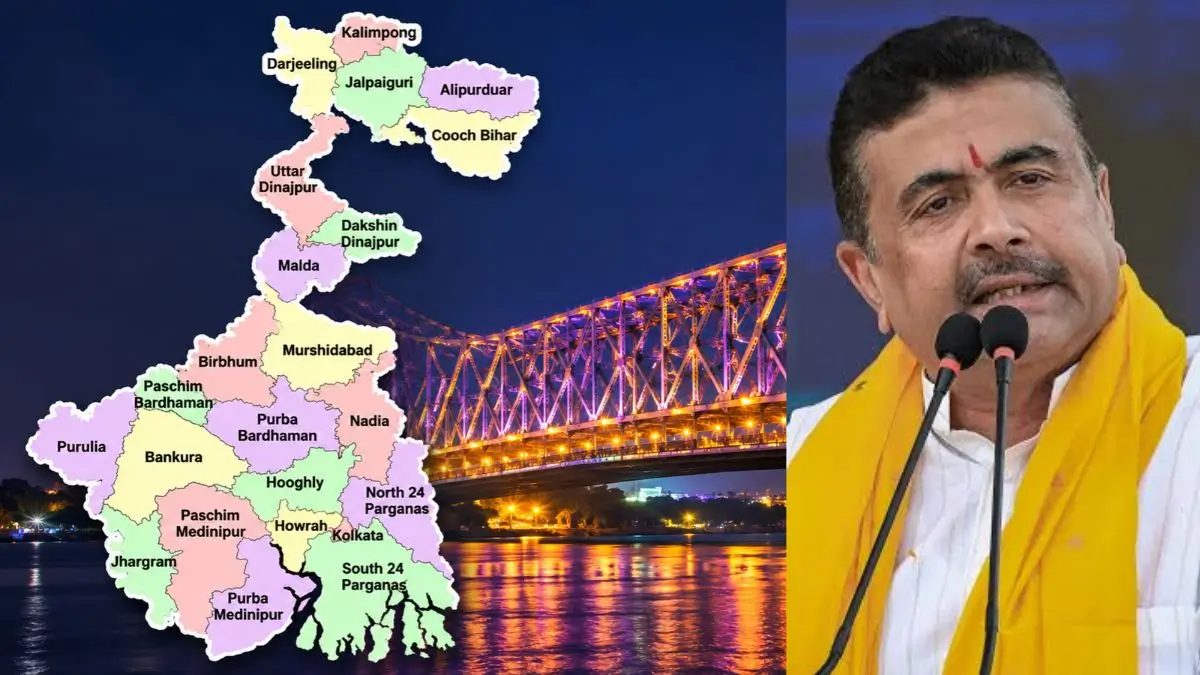 West Bengal New Name Paschim Banga: 2026...
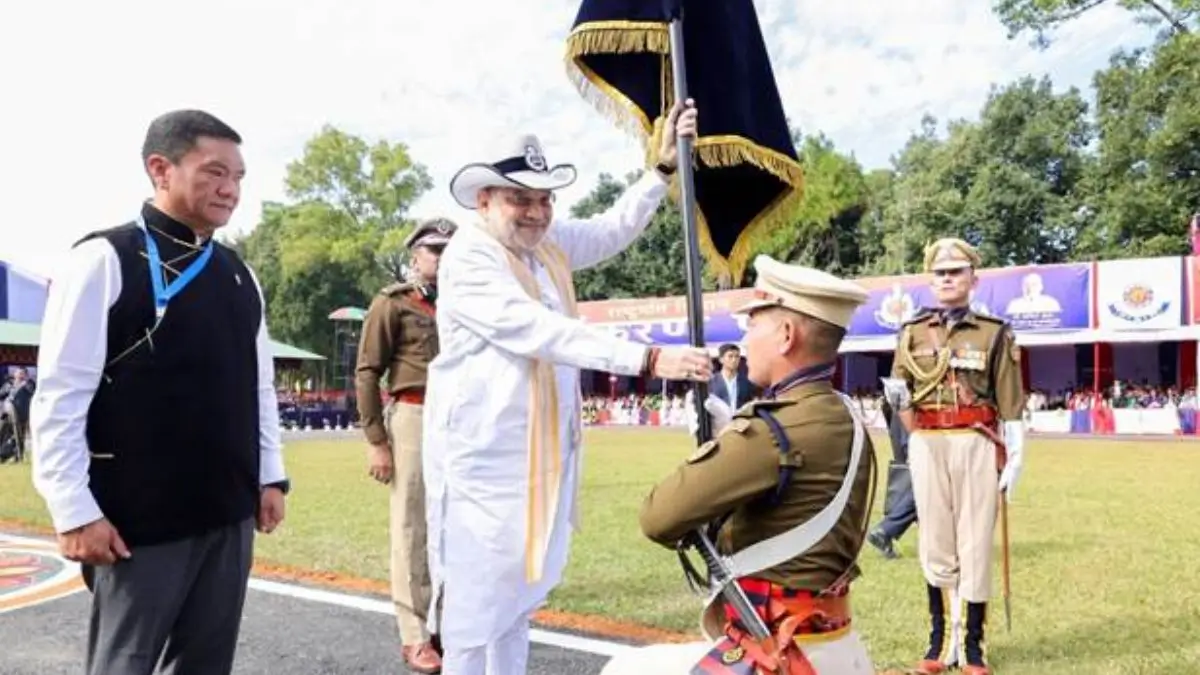 Arunachal Pradesh Police Receives Presid...
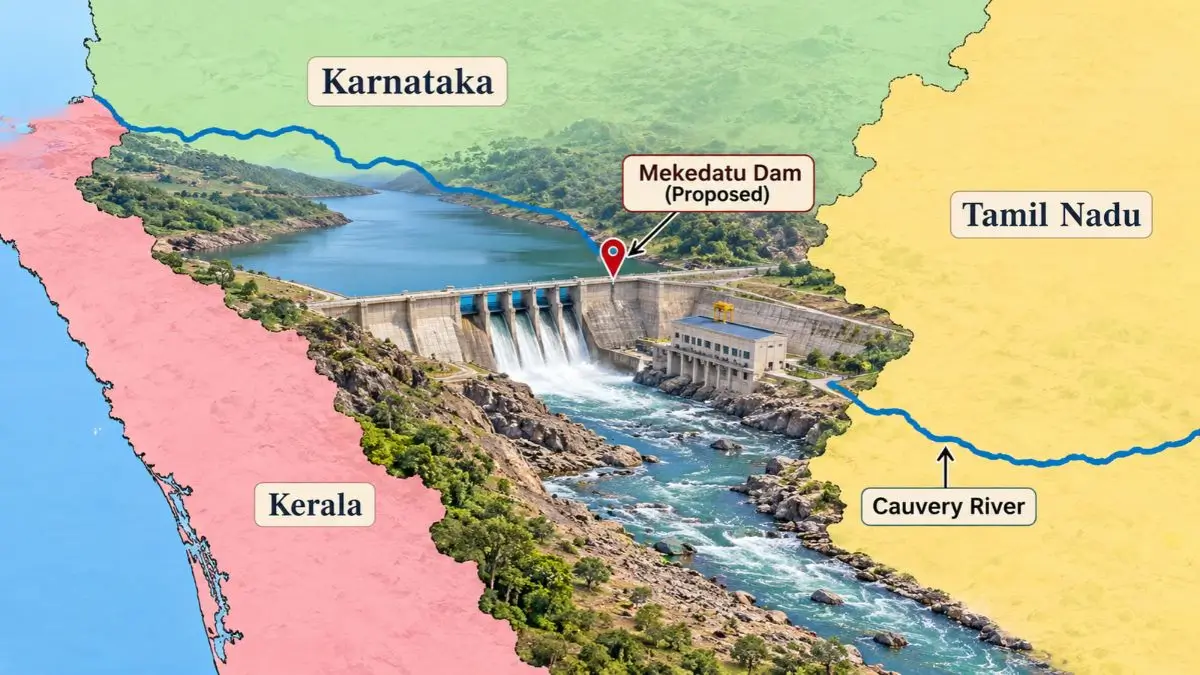 What is Mekedatu Dam Project? Why Karnat...