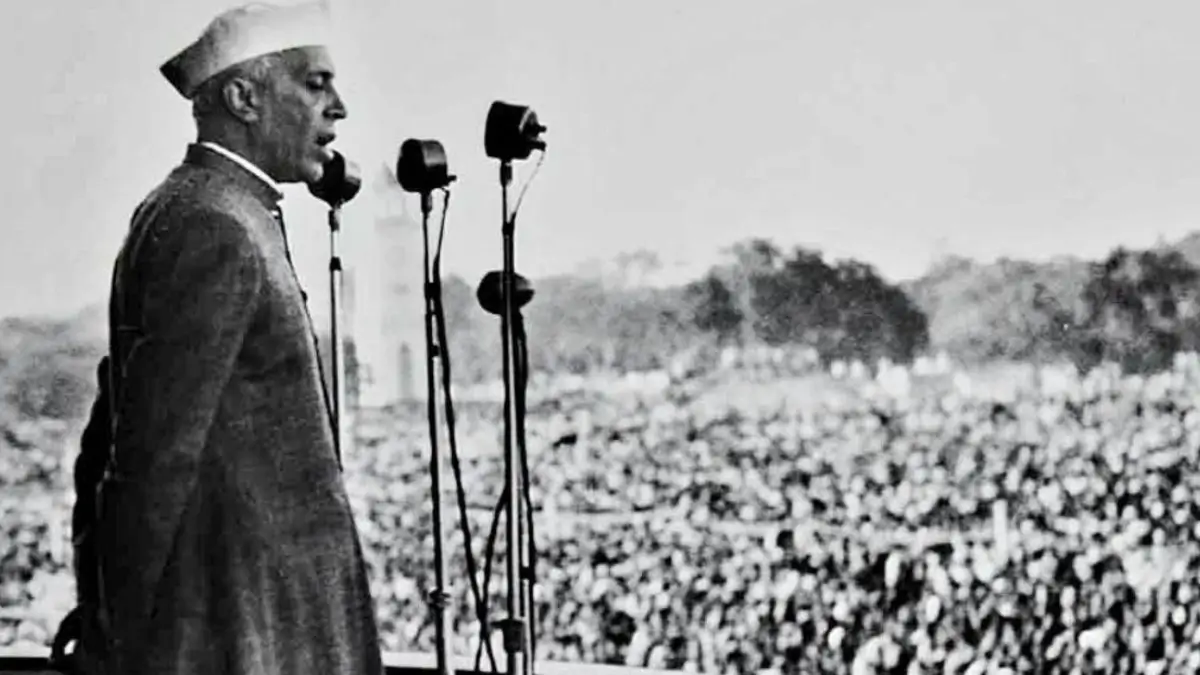
While the independence of India is signified by the date of 15 August 1947, the shift from colonial India to independent India had much to do with the stroke of midnight between 14 and 15 August 1947. It was on this historical event that one of the most celebrated speeches of India was made by the then leader of the country – Jawaharlal Nehru: “Tryst with Destiny”.
The speech, which was delivered in the Constituent Assembly of New Delhi just before midnight and into the early hours of August 15, was symbolic of the independence of the country. It emphasized the idea that besides the freedom that was granted to the people, there were also great responsibilities attached to it.
However, why did Nehru choose to deliver his historical speech at midnight? This was because of the historical transfer of power and the decision to mark the independence of India on the dawn of August 15.
Why Did Nehru Deliver the “Tryst With Destiny” Speech at Midnight?
According to the plan, India was supposed to attain its independence at the midnight of August 14 and 15, 1947. Therefore, the assembly convened on the night of 14th to mark the historic transfer of power.
As such, the speech was delivered on this occasion, given that it heralded the start of a new phase in the history of the country. The leaders of the newly independent nation had assembled on this occasion at the stroke of midnight to witness this historical moment.
The timing therefore gave Nehru’s speech great significance, given that it was not made at any ordinary political gathering but at the time when India was born into independent statehood.
What was the ‘Tryst With Destiny’ speech?
‘Tryst With Destiny’ speech was one of the speeches delivered by Nehru to the Constituent Assembly of India just before independence.
The speech recalled the struggle of India against the British while simultaneously looking towards the future of India as an independent country.
Nehru stressed the importance of the responsibility that freedom entailed. Freedom meant that there is a duty to serve the people and build a country based on the ideals of equality, justice and unity.
The ‘Tryst With Destiny’ speech was full of anti-communal messages too as Nehru hoped that in India all the communities will enjoy the same rights and responsibilities.
What does Tryst With Destiny mean?
The word “tryst” is an appointment or a meeting which usually has some special meaning to it.
In the case of India’s freedom, Nehru referred to it as India’s meeting with her destiny. After a long fight, sacrifices and struggles India’s destiny of gaining independence from the British colonial rule was coming true.
The phrase is now permanently connected with the freedom of India and the historic speech of Nehru.
Why did India celebrate its Independence at midnight?
The timing of Independence Day celebrations was related to the transfer of power from the British colonial rule to the independent India.
15 August 1947 was set as the day of India’s Independence and the time of transition was scheduled as midnight because 14 August would be over and turn into 15 August.
That is why the Constituent Assembly of India gathered at the midnight of August 14th. It gave India’s leaders a chance to mark the transition and the beginning of the first day as an independent nation.
That is why the ‘Tryst With Destiny’ speech took place at the time of India becoming independent.
What Happened at the Stroke of Midnight?
The historic event took place through the night of August 14-15, 1947.
The Constituent Assembly convened in New Delhi on the night of August 14. The members and the leaders of the country assembled for this special session, as India was about to get its independence.
On the eve of midnight, Nehru made his ‘Tryst With Destiny’ speech before the Assembly. As the clock approached the appointed hour, the country was on the verge of independence.
India thus became the independent state at midnight.
The session of the Assembly thus turned out to be one of the key events in the recent history of India.
What did Nehru’s Speech Emphasize?
The speech did not dwell on the festivities of the day but emphasized the responsibilities that came with it.
Nehru stressed the necessity of serving millions of people in the country that had suffered from the colonial oppression. He also pointed to the task of getting rid of poverty, ignorance and inequality.
The unity of the nation also constituted an essential part of the speech. The country had recently gone through Partition, communal riots and tremendous sufferings. Against this background, the appeal to unity acquired a special meaning.
The speech thus embraced freedom, responsibility, equality and nation-building.








 Dussehra 2026: Top 30 Most Important GK ...
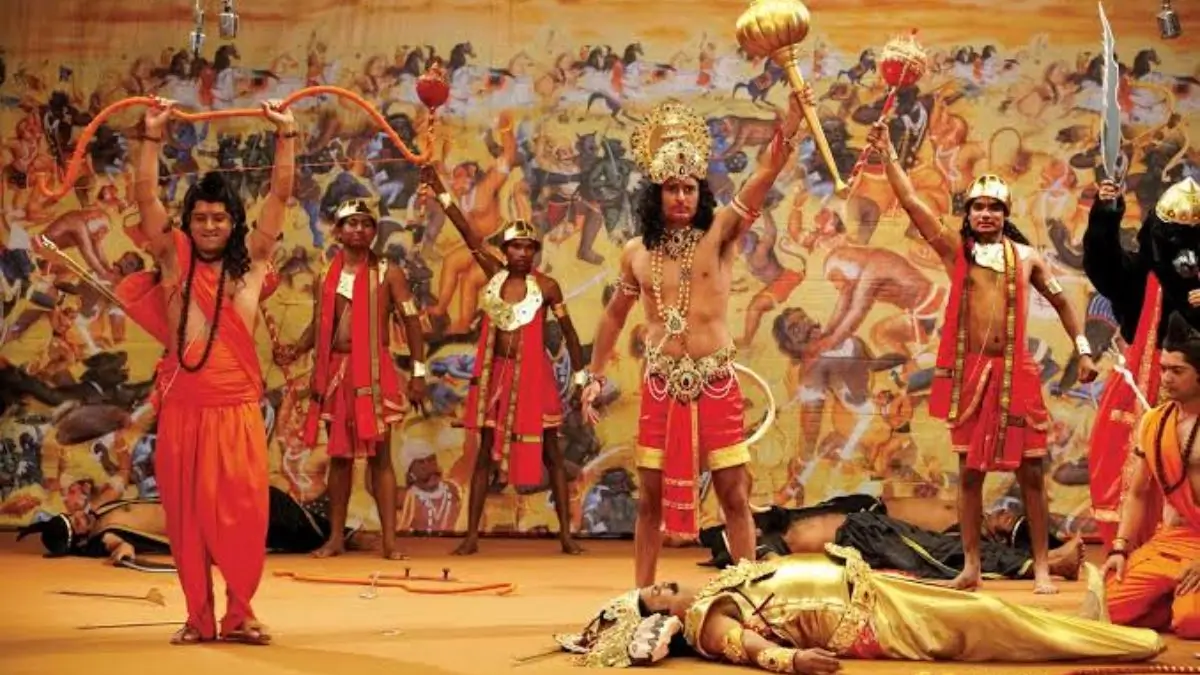 Dussehra and UNESCO: Ramlila, Durga Puja...
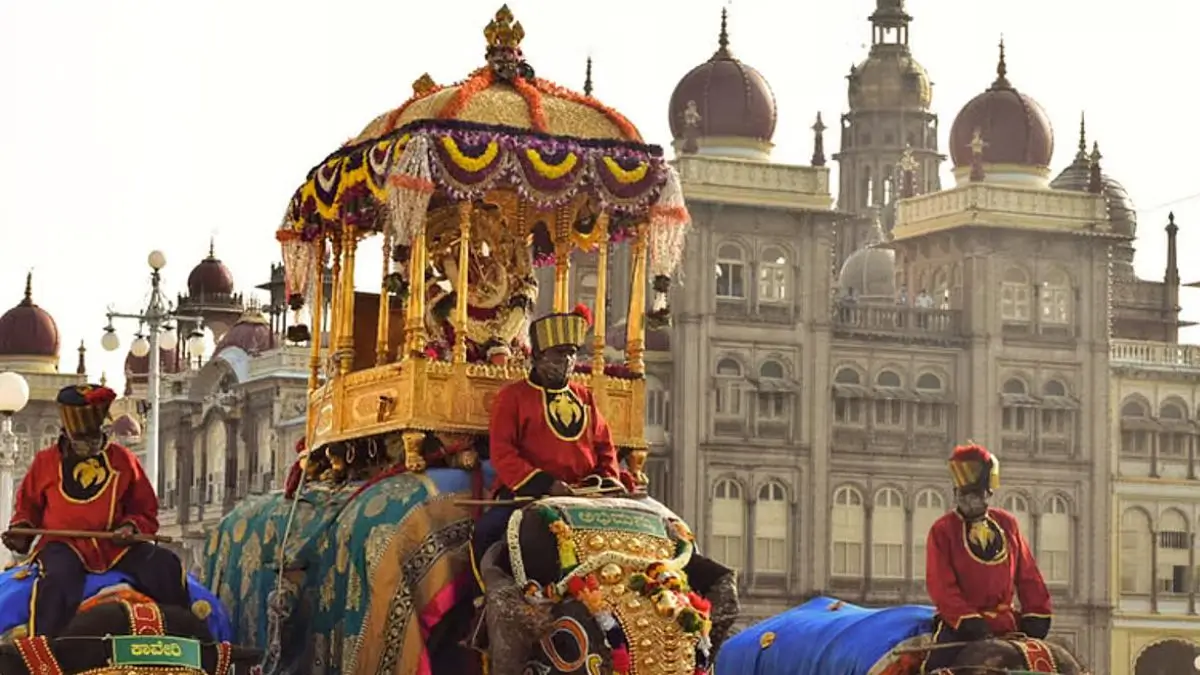 Mysuru Dasara 2026: History, Jamboo Sava...