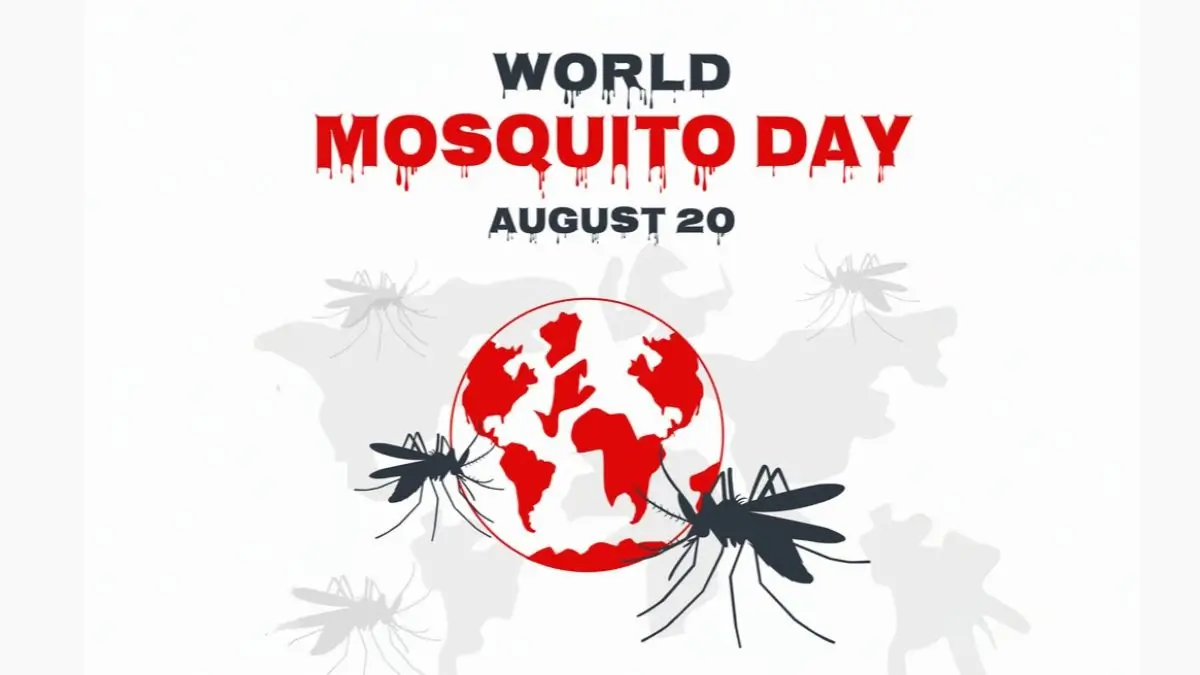
World Mosquito Day 2026 is celebrated on August 20 to bring attention to the dangers of mosquito bites, including various diseases that these insects carry. Dengue fever, malaria, and chikungunya are just a few mosquito-borne diseases that are a serious concern for public health. This day also marks a great breakthrough made in medicine in 1897 by Sir Ronald Ross, who discovered how mosquitoes spread malaria. This holiday is an important reminder that awareness, timely visits to a doctor, personal protection, and mosquito control in one’s community are crucial.
Why Is World Mosquito Day Celebrated on August 20?
The holiday is celebrated annually on August 20 to mark the discovery made by British-Indian physician and scientist Sir Ronald Ross in 1897.
Ross proved that malaria is caused by the bite of a malaria-carrying female Anopheles mosquito. It was a great discovery that contributed to malaria control and further development in research related to mosquito-borne diseases.
Nowadays, World Mosquito Day is also used as a campaign raising awareness about dangers of mosquitoes and necessary preventive measures.
Why Are Mosquito-Borne Diseases Considered a Public Health Problem?
Mosquitoes may propagate quickly if the environment provides the conditions to facilitate their breeding. This includes the monsoon and post-monsoon seasons when stagnant water gathers in containers and drains among other places.
The challenges faced are,
- Outbreaks occurring seasonally without warning
- Healthcare facilities coming under pressure
- Late detection of the outbreaks
- Loss of economic productivity
- Lack of effective mosquito prevention methods
- Necessity to involve community members
Therefore, prevention of mosquito-borne diseases requires a collaborative effort of the people and public health agencies.
Main Mosquito-Borne Diseases in India
Dengue
- Dengue disease is transmitted by Aedes aegypti mosquitoes. The most common symptoms include high fever, headaches, pain behind the eyes, muscle and joint pain, rash, and occasionally bleeding.
- Severe form of dengue may become life-threatening and requires hospitalization.
Malaria
- Malaria is caused by Plasmodium parasites and transmitted through the bite of infected female Anopheles mosquitoes. Malaria symptoms include fever, chills, sweating, vomiting, and weakness.
- Malaria infection with Plasmodium falciparum strain becomes severe if treatment is not initiated.
Chikungunya
- This infection is spread through the bites of Aedes mosquitoes and often causes fever, rash, and painful joints. Joint pains can persist even long after the initial infection.
Japanese Encephalitis
- It is an infection of the brain caused by viruses spread by Culex mosquitoes. In case of severe infection, it can lead to confusion, seizures, brain disorders, coma or death.
- Infection with Japanese encephalitis virus can be prevented with vaccines.
Zika Virus
- This virus infection is caused by Aedes mosquitoes and usually causes mild symptoms, which include fever, rash, muscle pain, and redness of the eyes.
- Zika is especially dangerous for pregnant women since infection of a developing fetus may have serious consequences.
What Are the Common Symptoms?
Depending on the nature of the infection, the following may be some warning symptoms,
- Fever
- Chills and sweating
- Headaches
- Body pains
- Pains in joints
- Skin rash
- Vomiting and nausea
- Fatigue and weakness
- Bleeding and unusual bruises
- Confusion or seizures in severe cases of neurological infection
Medical intervention and tests are required because some mosquito-borne diseases exhibit the same symptoms and if the fever remains persistent.
How Can Mosquito Breeding Be Prevented?
The simplest way is to ensure that places that facilitate breeding of mosquitoes are not present at homes.
- Empty standing water
- Tightly seal water storage tanks
- Clean coolers, flower pots, and other receptacles that have accumulated water in them
- Clean gutters and drains
- Properly dispose of old tires, cans, and plastic containers
- Fix leaking water pipes and taps
- Prevent water logging around the house
- Obey local public health guidelines about mosquito prevention
Personal protection includes wearing mosquito repellent, protective clothes, use of screens, and nets.
How To Observe World Mosquito Day 2026?
World Mosquito Day can be observed by turning the awareness into practical activity. Individuals can check their surroundings for standing water, participate in cleanliness drives in the community, and educate others about mosquito-borne diseases.
People should also assist health officials in mosquito preventive drives and inform local authorities of persistent mosquito breeding spots in public places.








 Ashfaqullah Khan Birth Anniversary 2026:...
 World Iodine Deficiency Day 2026: Causes...
 Police Commemoration Day 2026: History, ...