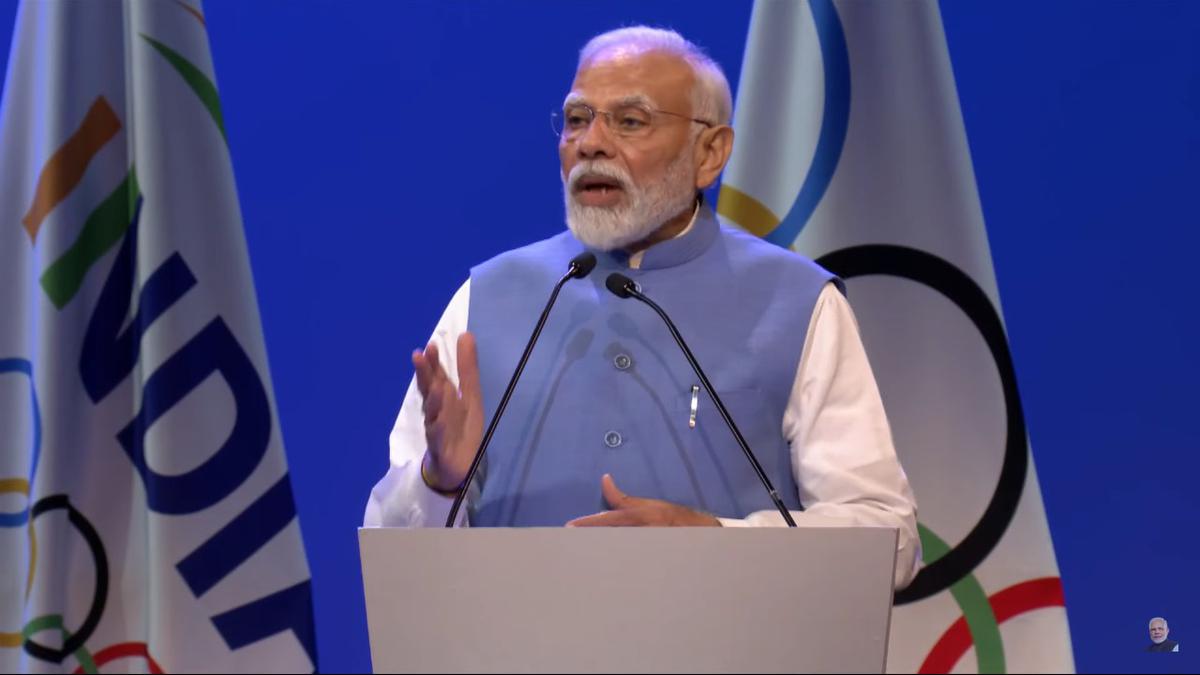
Prime Minister Narendra Modi addressed the 141st International Olympic Committee (IOC) Session at the Jio World Centre in Mumbai. The event marked a significant moment in India’s sporting history, with PM Modi expressing India’s eagerness to host the Olympics and Youth Olympics in the coming years.
Warm Welcome in Mumbai
- Upon his arrival, PM Modi was warmly welcomed by Maharashtra Chief Minister Eknath Shinde, Deputy CMs Ajit Pawar and Devendra Fadnavis, showcasing the unity and enthusiasm of the Indian state governments for the event.
India’s Ambition for 2036 Olympics
- PM Modi articulated India’s ambitious dream of hosting the Olympics in 2036, emphasizing the commitment of 1.4 billion Indians towards making this dream a reality.
- He vowed that no effort would be spared in ensuring the successful organization of the event.
Offer to Host 2029 Youth Olympics
- In a proactive move, PM Modi extended an invitation to host the 2029 Youth Olympics, showcasing India’s readiness to contribute significantly to the global sports arena.
- He expressed confidence in India receiving constant support from the IOC for this endeavor.
Spirit of Sports in India
- PM Modi highlighted the intrinsic connection between sports and Indian festivals, underlining the deep-rooted cultural significance of sports in the country.
- He emphasized the universal spirit of sports, where every participant is a winner or a learner, reinforcing the empowering nature of sports for humanity.
Historical Significance of the IOC Session
- India’s pride in hosting the IOC Session for the second time, after a gap of 40 years, was underscored.
- The historical context was mentioned, with the previous session held in New Delhi in 1983. This event marked a significant milestone in India’s sports diplomacy.
Distinguished Attendees and Cultural Presence
- The session was graced by prominent figures, including the President of the International Olympic Committee, Thomas Bach, along with renowned Indian sports personalities and representatives from various sports federations.
- Bollywood actors Ranbir Kapoor, Alia Bhatt, and Deepika Padukone added glitz and glamour to the event, reflecting the cultural richness of India on the global stage.








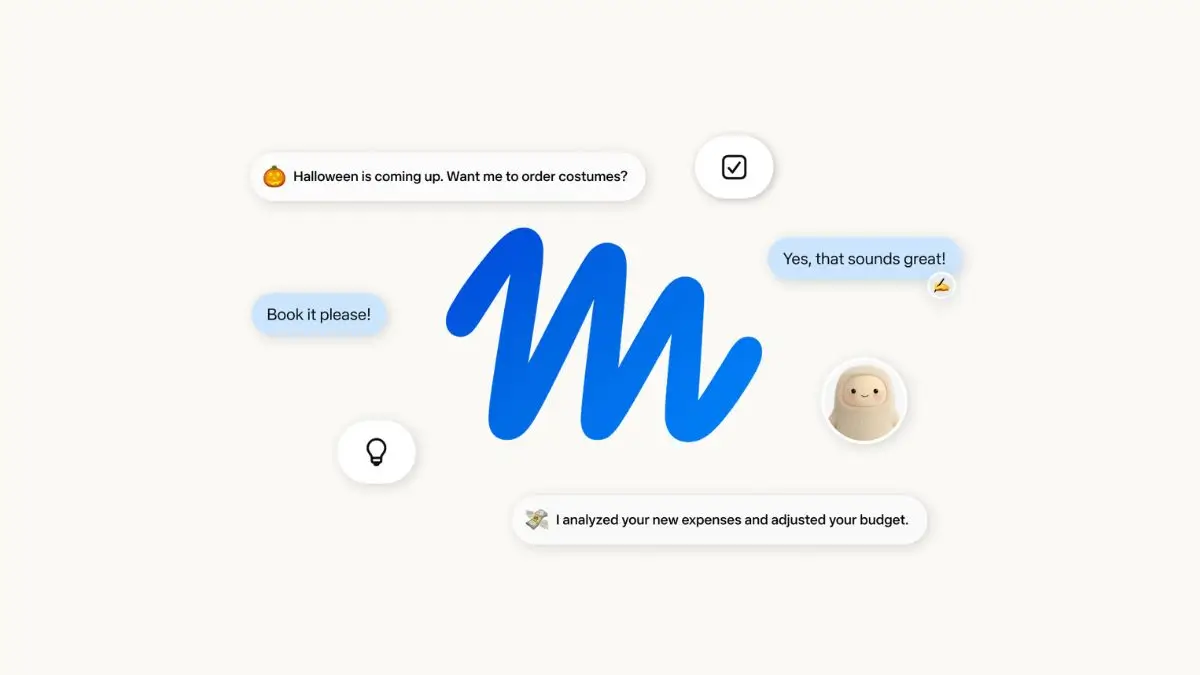 Meta Muse: What Is the New AI Agent and ...
 East Zone Clinch Duleep Trophy After Fir...
 India’s Carbon Credit Scheme Gets UK N...