Adda247 provides the latest and most important daily current affairs 2026 for Bank, SSC, Railway, Police SI, and Other State Govt Exams. Our team curates the most significant national and international news, government policy updates, important appointments 2026, awards and honours, summits and conferences, science and technology, defence news, business & economy, and sports current affairs — all in one place.
Today’s Current Affairs
- Weekly Current Affairs One Liners (21st September to 27th September, 2026)September 26, 2026Weekly Current Affairs One-Liners Current Affairs 2026 plays a very important role in competitive examinations and hence, aspirants have to give their undivided attention to it while preparing for the government examinations. The banking, SSC, Railways ...Read more
- World Tourism Day 2026: Theme, India Tourism Data and Digital TransformationSeptember 26, 2026World Tourism Day is marked every year on September 27, and in 2026, the theme of the day will be ‘Digital Agenda and Artificial Intelligence to Redesign Tourism’. In 2026, the world celebration of the ...Read more
- India at Asian Games 2026: Day 7 Medal Winners TallySeptember 26, 2026On Saturday, September 26, 2026, India further cemented its medal winning streak at the Asian Games 2026, held in Aichi-Nagoya, Japan, by securing seven medals in Day 7. These seven medals included two golds, three ...Read more
- India Wins Men’s Kabaddi Gold at Asian Games 2026September 26, 2026India beat Iran in the men’s kabaddi finals of the 2026 Asian Games in Aichi-Nagoya, Japan on 26 September by a score of 40-34 to claim the men’s kabaddi gold for the second consecutive time ...Read more
- Centre Notifies Kandla, JNPA, Paradip and Mundra as Mega PortsSeptember 26, 2026According to the Indian Ports Act, 2025, four ports have been declared as mega ports in India by government. This was done by the Ministry of Ports, Shipping and Waterways by way of notification dated ...Read more
- AFSPA Extended in Manipur, Nagaland and Arunachal PradeshSeptember 26, 2026The Central Government has renewed the application of Armed Forces (Special Powers) Act, 1958 (AFSPA) in certain areas of Manipur, Nagaland and Arunachal Pradesh for an additional six months. The renewal will come into effect ...Read more
- Maharashtra Declares Drought in 265 Talukas, Announces 12-Point Relief PackageSeptember 26, 2026The Maharashtra government has announced drought in 265 out of the 358 talukas of Maharashtra due to insufficient monsoon rainfall in the year 2026 Kharif season. The GR (Government Resolution) has been made on the ...Read more
- Dinesh Pant Retires as LIC Managing Director; Government Approves Premature ExitSeptember 26, 2026The Central Government has approved the early termination of the Dinesh Pant as the Managing Director of Life Insurance Corporation of India (LIC) post after his voluntary retirement. The notification was made by the Department ...Read more
- President Murmu Returns West Bengal Anti-Goonda BillSeptember 26, 2026Honorable Droupadi Murmu, the President, has returned the West Bengal Public Safety and Control of Anti-Social Activities Bill, 2026 to the state for the reconsideration due to concerns over the potential clash between the new ...Read more
- Oxford Global Cities Index 2026: Delhi Ranks 268th Among 1,000 CitiesSeptember 26, 2026In the 2026 Oxford Economics Global Cities Index ranking of the world’s 1,000 largest cities across five categories – Economics, Human Capital, Quality of Life, Environment and Governance, Delhi is ranked 268th and becomes the ...Read more
- CSIR Foundation Day 2026: Council of Scientific and Industrial Research Turns 85September 26, 2026The Council of Scientific and Industrial Research (CSIR) will be celebrating the 85th anniversary of its Foundation Day on September 26, 2026. The Council of Scientific and Industrial Research was set up on September 26, ...Read more
- Sawan Barwal Wins Silver in Asian Games 2026 MarathonSeptember 26, 2026India’s Sawan Barwal clinched a silver medal in the men’s marathon at the 2026 Asian Games held in Nagoya on September 26. Barwal clocked 2:11:37 to claim the silver medal behind Japan’s Ichitaka Yamashita who ...Read more
- S Jaishankar Signs UN Convention Against CybercrimeSeptember 26, 2026The External Affairs Minister of India, S. Jaishankar, signed the UN Convention against Cybercrime on September 25, 2026. The convention is aimed at to improving the international cooperation in the prevention and suppression of cybercrime ...Read more
- Asian Games 2026: India Wins Silver in Women’s 50m Rifle 3P Team EventSeptember 26, 2026India won the silver medal in women’s 50m rifle 3P team event at the Asian Games 2026. Tilottama Sen, Vidarsa Vinod Kochalumkal and Ashi Chouksey scored a combined 1763 points during the qualification. China won ...Read more
Important Days 2026
- World Tourism Day 2026: Theme, India Tourism Data and Digital Transformation September 26, 2026
- CSIR Foundation Day 2026: Council of Scientific and Industrial Research Turns 85 September 26, 2026
- World Lung Day 2026: Theme, Date, History and Key Facts September 25, 2026
- Pandit Deendayal Upadhyaya Birth Anniversary 2026: Date, Antyodaya and Significance September 25, 2026
- Bhikaji Cama Birth Anniversary: Life, Contributions and Key Facts on the Flag of 1907 September 24, 2026
- World Maritime Day 2026: Theme, Date, Significance and Key Facts September 24, 2026
General Knowledge 2026
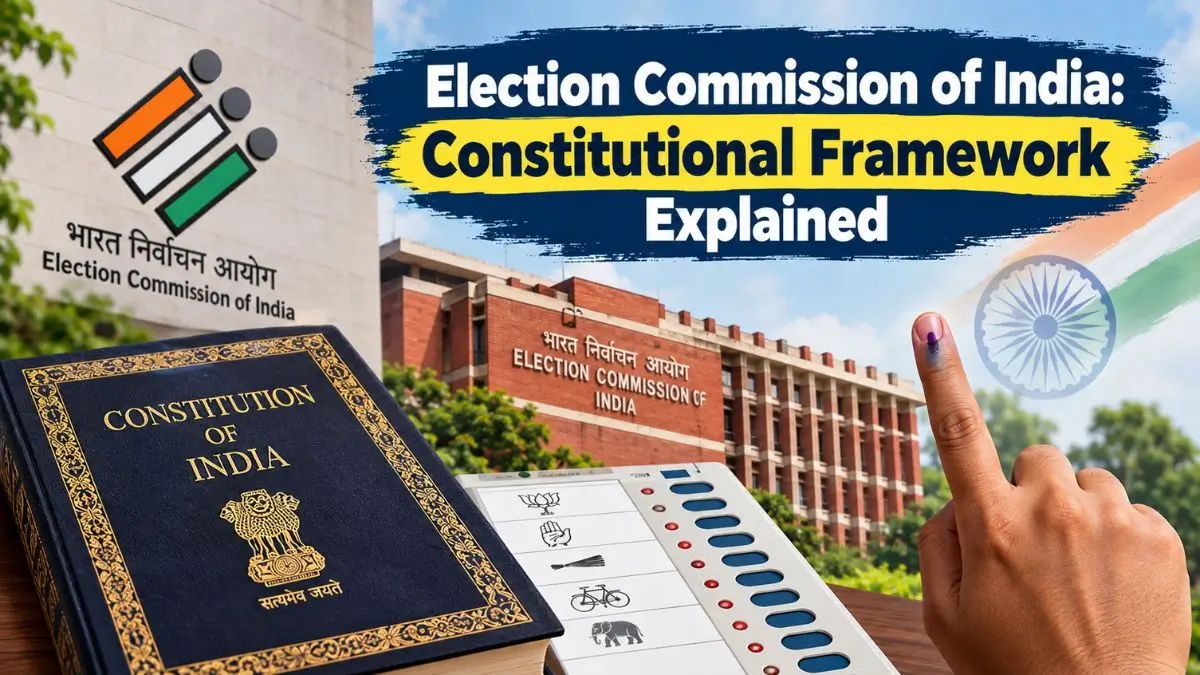 Election Commission of India: Structure, Powers and Constitutional FrameworkSeptember 25, 2026In September 2026, the Election Commission of India (ECI) has in news, after the differences between its three members regarding the management of electoral rolls ...
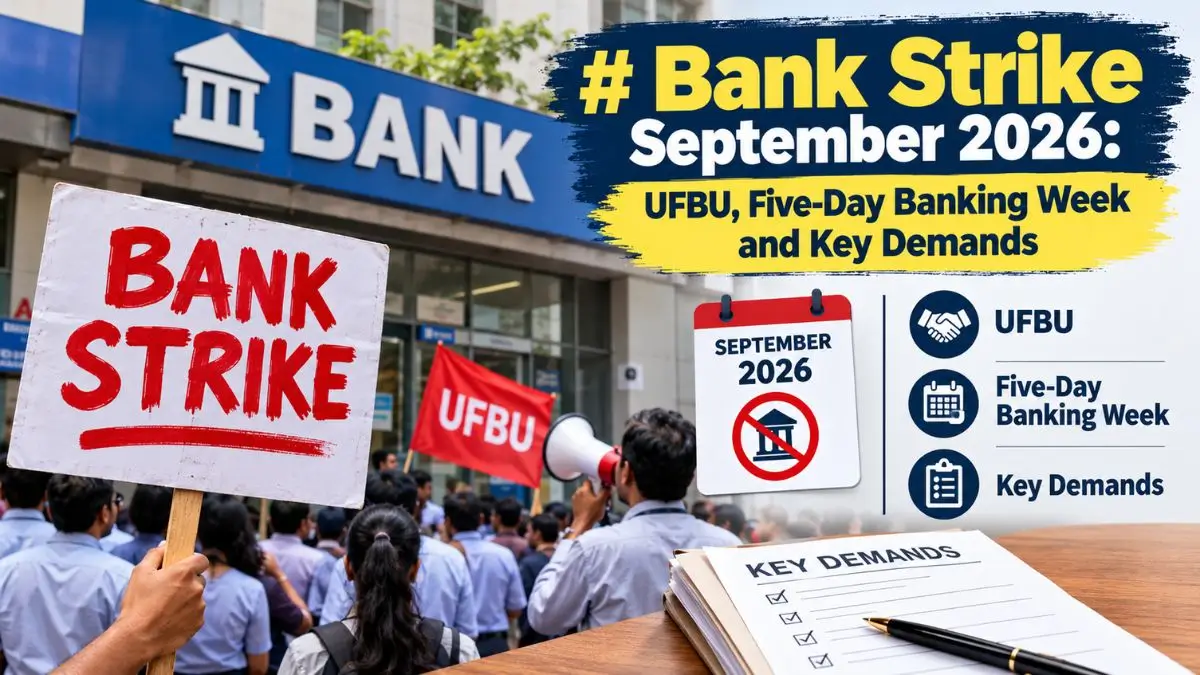 Bank Strike September 2026: UFBU Demands and Key DatesSeptember 25, 2026UFBU (United Forum of Bank Unions), which is the common forum for the bank employees and officers’ unions, has called a three-day nationwide strike of ...
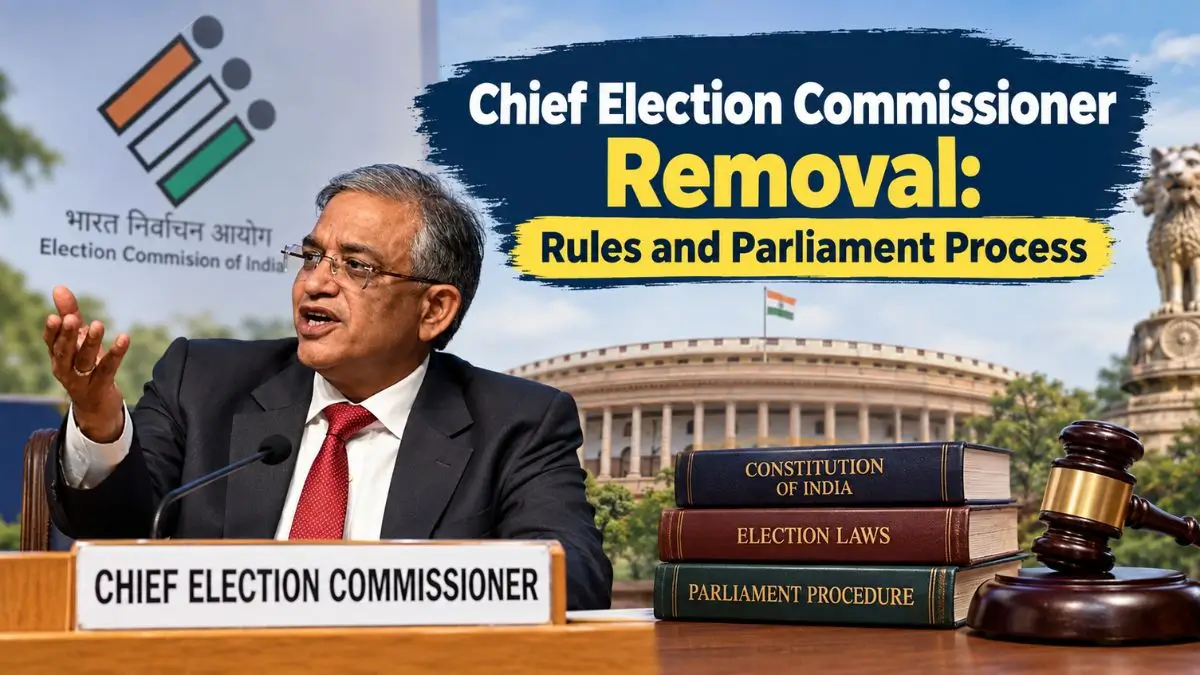 Chief Election Commissioner Removal: Rules and Parliament ProcessSeptember 25, 2026As per the latest update, the Opposition party is gearing up to file a new motion for the removal of Chief Election Commissioner (CEC) Gyanesh ...
 UPI MDR From October 15: What Customers and Merchants Need to KnowSeptember 25, 2026A merchant discount rate (MDR) set to be levied from October 15, 2026, on particular UPI transactions made to the merchants who belong to the ...
 Elias 2-24 b Youngest Known Planet Discovered by NASA: All You Need To KnowSeptember 20, 2026The astronomers have found the youngest planet ever discovered in the history of humanity, namely Elias 2-24 b with the age of less than 1 ...
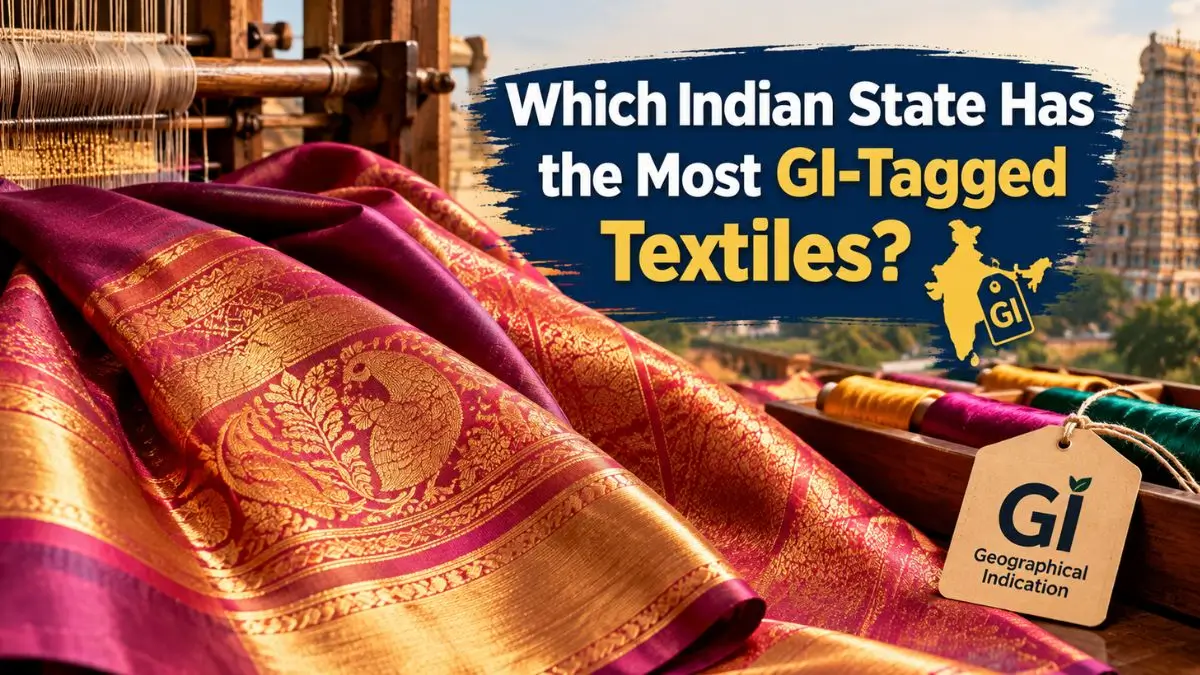 Which Indian State Has the Most GI-Tagged Textiles?September 19, 2026Tamil Nadu has the highest number of registered GI-tagged textile and handloom items compared to other Indian states. Due to its longstanding weaving culture, there ...
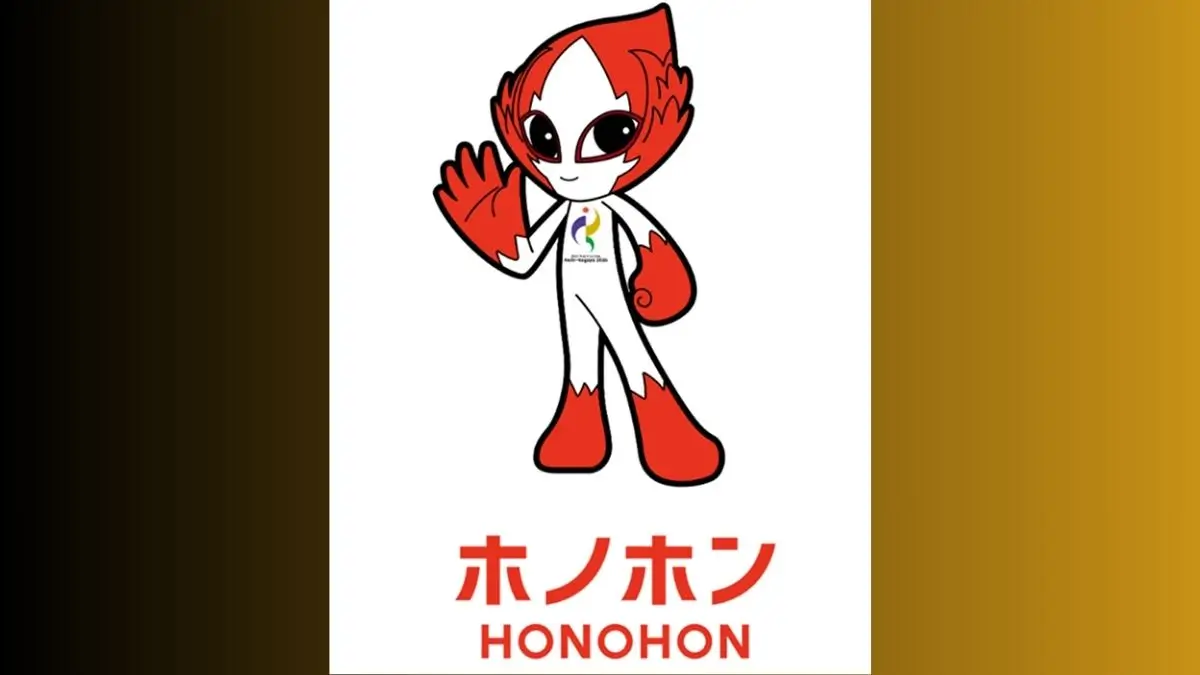 Asian Games 2026 Mascot: HONOHON, Meaning, Design, Creator and Key FactsSeptember 19, 2026HONOHON is the official mascot of the 20th Asian Games Aichi-Nagoya 2026 that will take place in Japan from 19 September to 4 October 2026. ...