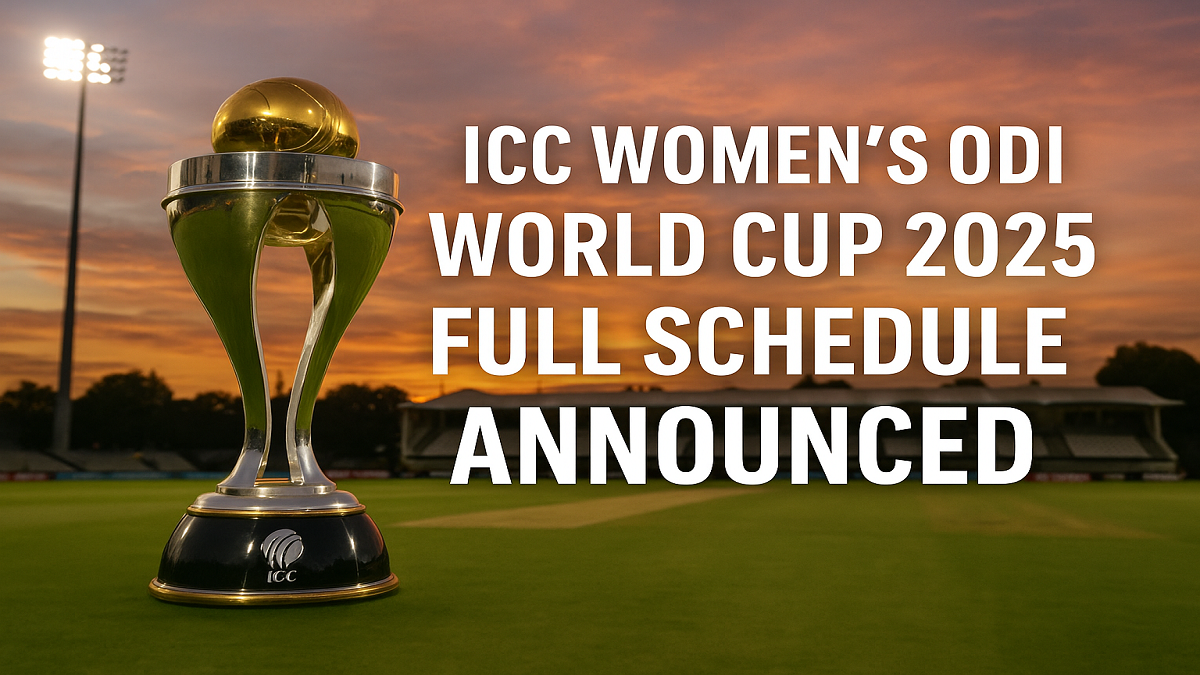
The International Cricket Council (ICC) has officially announced the schedule for the 2025 ICC Women’s ODI World Cup, which will be held from September 30 to November 2, 2025. The prestigious tournament take place across five venues in India and Sri Lanka, featuring eight teams competing in 28 league matches followed by knockout fixtures.
The eight participating teams are India, Australia, England, South Africa, New Zealand, Sri Lanka, Bangladesh, and Pakistan. The tournament will follow a round-robin format, where each team will face the others once. The top four teams will qualify for the semifinals.
Australia enters as the defending champion, having won a record seven titles in Women’s ODI World Cup history.
ICC Women’s ODI World Cup 2025 Venues
- India: Guwahati, Indore, Visakhapatnam, Navi Mumbai
- Sri Lanka: Colombo (R. Premadasa Stadium) – all Pakistan matches will be hosted here.
ICC Women’s ODI World Cup Schedule 2025 Officially Announced
- Sept 30, 2025 – India vs Sri Lanka – Barsapara Stadium, Guwahati – 3:00 PM
- Oct 1, 2025 – Australia vs New Zealand – Holkar Stadium, Indore – 3:00 PM
- Oct 2, 2025 – Bangladesh vs Pakistan – R. Premadasa Stadium, Colombo – 3:00 PM
- Oct 3, 2025 – England vs South Africa – Barsapara Stadium, Guwahati – 3:00 PM
- Oct 4, 2025 – Australia vs Sri Lanka – Colombo – 3:00 PM
- Oct 5, 2025 – India vs Pakistan – Colombo – 3:00 PM
- Oct 6, 2025 – New Zealand vs South Africa – Indore – 3:00 PM
- Oct 7, 2025 – England vs Bangladesh – Guwahati – 3:00 PM
- Oct 8, 2025 – Australia vs Pakistan – Colombo – 3:00 PM
- Oct 9, 2025 – India vs South Africa – Visakhapatnam – 3:00 PM
- Oct 10, 2025 – New Zealand vs Bangladesh – Guwahati – 3:00 PM
- Oct 11, 2025 – England vs Sri Lanka – Colombo – 3:00 PM
- Oct 12, 2025 – India vs Australia – Visakhapatnam – 3:00 PM
- Oct 13, 2025 – South Africa vs Bangladesh – Visakhapatnam – 3:00 PM
- Oct 14, 2025 – New Zealand vs Sri Lanka – Colombo – 3:00 PM
- Oct 15, 2025 – England vs Pakistan – Colombo – 3:00 PM
- Oct 16, 2025 – Australia vs Bangladesh – Visakhapatnam – 3:00 PM
- Oct 17, 2025 – South Africa vs Sri Lanka – Colombo – 3:00 PM
- Oct 18, 2025 – New Zealand vs Pakistan – Colombo – 3:00 PM
- Oct 19, 2025 – India vs England – Indore – 3:00 PM
- Oct 20, 2025 – Sri Lanka vs Bangladesh – Navi Mumbai – 3:00 PM
- Oct 21, 2025 – South Africa vs Pakistan – Colombo – 3:00 PM
- Oct 22, 2025 – Australia vs England – Indore – 3:00 PM
- Oct 23, 2025 – India vs New Zealand – Navi Mumbai – 3:00 PM
- Oct 24, 2025 – Pakistan vs Sri Lanka – Colombo – 3:00 PM
- Oct 25, 2025 – Australia vs South Africa – Indore – 3:00 PM
- Oct 26, 2025 – New Zealand vs England – Visakhapatnam – 11:00 AM
- Oct 26, 2025 – India vs Bangladesh – Navi Mumbai – 3:00 PM
- Oct 29, 2025 – 1st Semifinal – TBC – Venue TBD – 3:00 PM
- Oct 30, 2025 – 2nd Semifinal – Navi Mumbai – 3:00 PM
- Nov 2, 2025 – Final – Venue TBD – 3:00 PM
ICC Women’s World Cup 2025-Squads
Australia
Alyssa Healy (C & WK), Phoebe Litchfield, Beth Mooney, Georgia Voll, Ashleigh Gardner, Kim Garth, Grace Harris, Alana King, Tahlia McGrath, Ellyse Perry, Annabel Sutherland, Darcie Brown, Megan Schutt, Sophie Molineux, Georgia Wareham
Bangladesh
Nigar Sultana (C), Fargana Hoque, Sobhana Mostary, Sarmin Akter, Rabeya Khan, Ritu Moni, Shorna Akter, Sumaiya Akter, Fahima Khatun, Marufa Akter, Nishita Akter Nishi, Fariha Trisna, Nahida Akter, Rubya Haider, Sumaiya Akther
England
Tammy Beaumont, Sophia Dunkley, Amy Jones, Heather Knight, Danni Wyatt-Hodge, Nat Sciver-Brunt (C), Alice Capsey, Charlie Dean, Sarah Glenn, Emma Lamb, Em Arlott, Lauren Bell, Sophie Ecclestone, Lauren Filer, Linsey Smith
India
Uma Chetry, Richa Ghosh, Harleen Deol, Smriti Mandhana, Pratika Rawal, Yastika Bhatia (WK), Jemimah Rodrigues, Harmanpreet Kaur (C), Amanjot Kaur, Sneh Rana, Deepti Sharma, Kranti Goud, Renuka Singh, Radha Yadav, Arundhati Reddy, Shree Charani
Pakistan
Eyman Fatima, Omaima Sohail, Shawaal Zulfiqar, Sidra Nawaz (WK), Muneeba Ali (WK), Sadaf Shamas, Sidra Amin, Fatima Sana (C), Syeda Aroob Shah, Aliya Riaz, Diana Baig, Natalia Pervaiz, Rameen Shamim, Nashra Sandhu, Sadia Iqbal
South Africa
Laura Wolvaardt (C), Sinalo Jafta (WK), Tazmin Brits, Karabo Meso (WK), Anneke Bosch, Nadine de Klerk, Annerie Dercksen, Marizanne Kapp, Sune Luus, Chloe Tryon, Nondumiso Shangase, Ayabonga Khaka, Nonkululeko Mlaba, Masabata Klaas, Tumi Sekhukhune





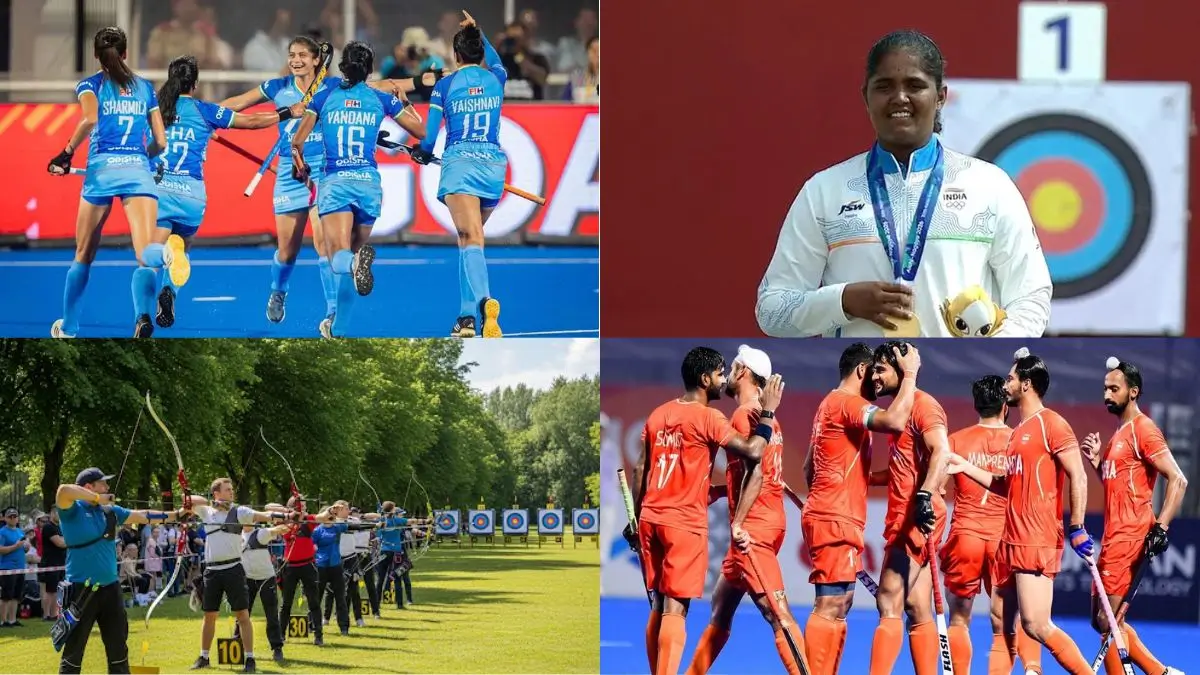 Asian Games to LA28: Which Sports Earned...
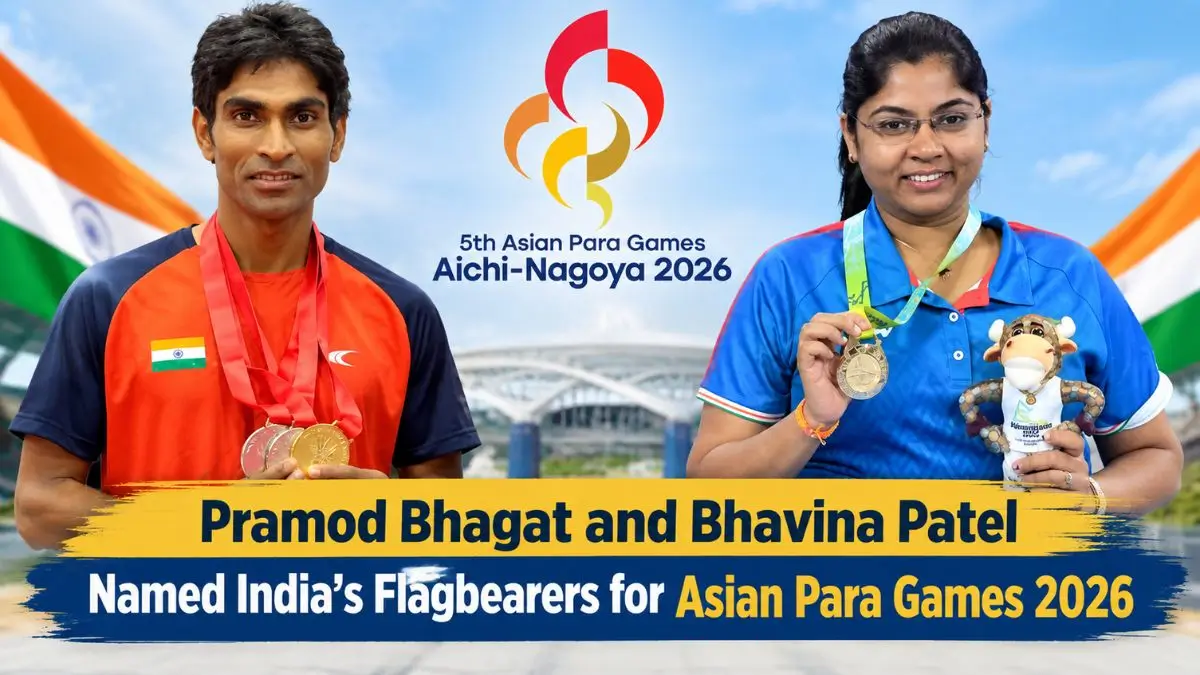 Pramod Bhagat and Bhavina Patel Named In...
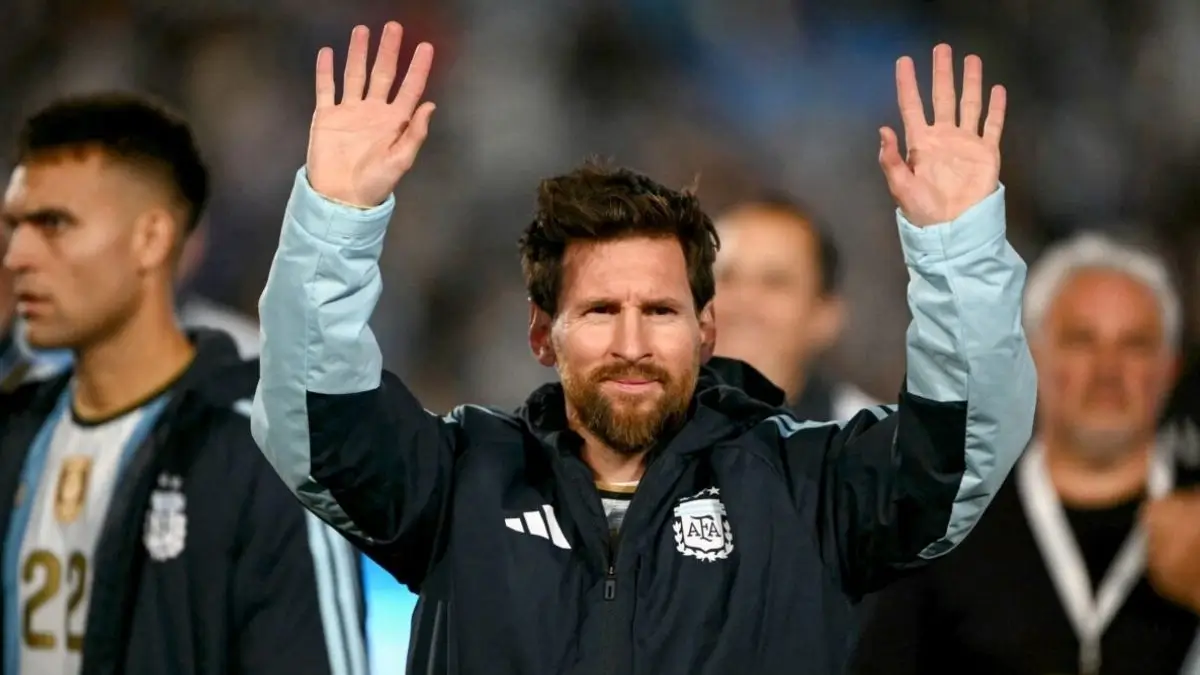 Lionel Messi’s Argentina Farewell: Wor...