Introduction
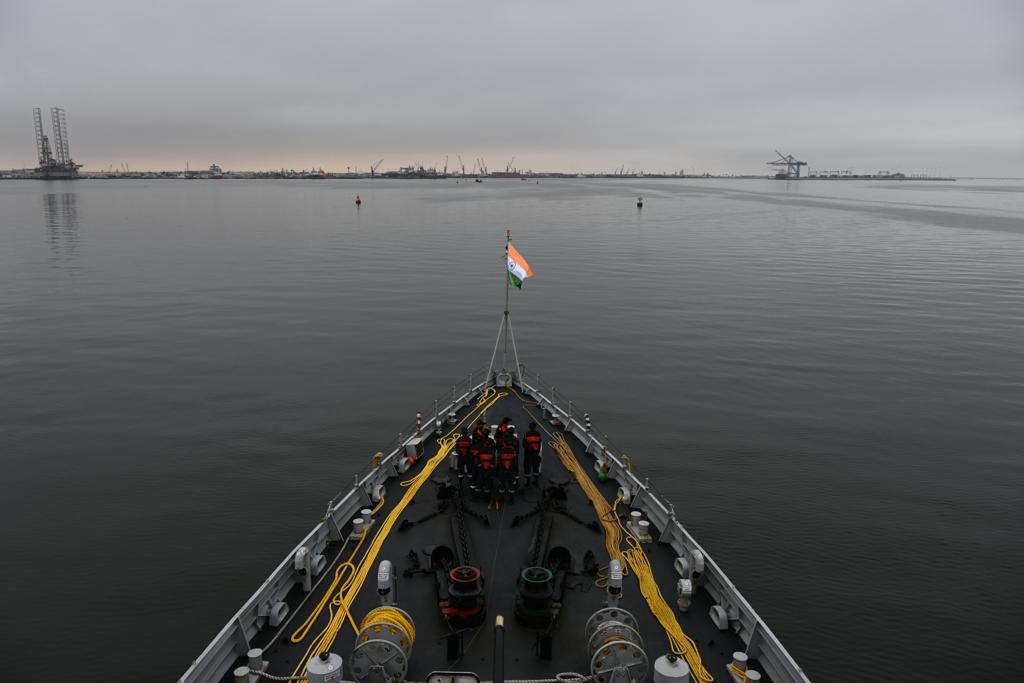
Indian Naval Ship Sumedha arrived at Maputo, Mozambique on November 21, 2023, as part of the ongoing Extended Operational Deployment to Africa. This strategic port call aims to fortify long-standing diplomatic relations, enhance maritime cooperation, and promote interoperability between the Indian and Mozambican navies. The arrival of INS Sumedha in Maputo signifies India’s commitment to strengthening its ties with Mozambique and the broader African region. Through professional exchanges and collaborative activities, both nations aim to not only deepen their maritime cooperation but also contribute to the overall stability and security in the Indian Ocean region. This deployment exemplifies the Indian Navy’s proactive role in building international friendships and promoting peace and security across the seas.
Objective of the Port Call
The visit is designed to deepen the historical ties between India and Mozambique, fostering a stronger foundation for diplomatic collaboration. It also seeks to bolster maritime cooperation and increase interoperability through various planned activities.
Planned Activities
During the visit, scheduled from November 23 to 25, 2023, professional interactions, cross-deck visits, planning conferences, and Joint Exclusive Economic Zone (EEZ) surveillance are set to take place. These activities are crucial for strengthening the operational capabilities and coordination between the naval forces of both nations.
Bilateral Relations Between India and Mozambique
India and Mozambique have a history of warm and friendly bilateral relations, grounded in shared values of democracy, development, and secularism. Regular high-level exchanges and interactions across various fields have been a hallmark of the diplomatic ties between the two countries.
Bilateral Defence Cooperation
The port call also serves as an opportunity to progress bilateral defence cooperation through the Joint Defence Working Group (JDWG) meetings. The regular deployment of Indian Naval ships overseas aligns with the Indian Navy’s mission of building ‘bridges of friendship’ and fostering international cooperation with friendly nations.
INS Sumedha and its Capabilities
INS Sumedha, part of the Indian Navy’s Eastern Fleet based at Visakhapatnam, operates under the operational command of the Flag Officer Commanding-in-Chief, Eastern Naval Command. The ship is equipped with advanced weapon systems, sensors, state-of-the-art navigation and communication systems, and Electronic Warfare suits. Its operational history includes fleet support operations, coastal and offshore patrolling, ocean surveillance, and Humanitarian Assistance and Disaster Relief (HADR) missions.
Important takeaways for all competitive exams:
- Mozambique Capital: Maputo;
- Mozambique Official language: Portuguese;
- Mozambique Currency: Mozambican metical;
- Mozambique Government: Republic, Semi-presidential system, Unitary state, Constitutional republic;
- Mozambique Population: 3.21 crores (2021) World Bank;
- Mozambique President: Filipe Jacinto Nyusi;
- Prime Minister of Mozambique: Adriano Afonso Maleiane.







 DRDO Successfully Tests Quantum Key Dist...
 Indian Navy to Commission Indigenous Mul...
 Indian Army Launches Bharat Rice for Tro...