
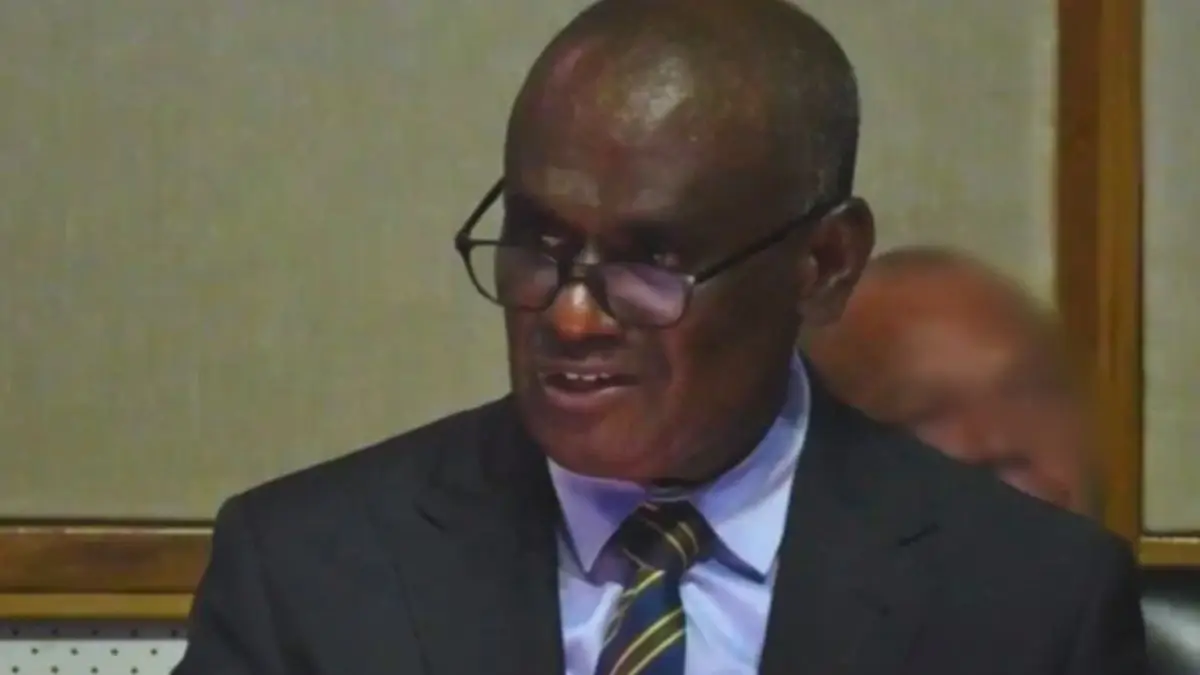
Jeremiah Manele Prime Minister of Solomon islands lost a no confidence vote in Parliament on May 7, 2026. It brings the end of his government after months of political instability. The vote was passed by 26 votes to 22 in the 50 member Parliament of Solomon Islands. After the outcome Parliament was adjourned to allow the Governor General to begin arrangements for the election of the new Prime Minister.
Why the No-Confidence Motion Was Brought
The crisis for the Government for the National Unity and Transformation had been building since March 2026. Its that time when multiple cabinet ministers have resigned and two coalition partners withdrew the support from the ruling alliance.
Also the opposition leaders have accused the government for weak leadership, lack of transparency and poor accountability regarding the public finances and international funding.
The Former Foreign Minister Peter Shanel Agovaka was emerged as the leading opposition figure after resigning from the Cabinet and strongly criticized the administration during the debate.
However, on the May 1, 2026 an appeal court ruled that the Parliament must meet by May 7 to address the motion.
Ahead of voting Manele sharply criticized the judiciary and describing the court order as a ‘dangerous precedent’ and accusing it of the judicial overreach.
Why Solomon Islands Matters Geopolitically
The political developments in the Solomon Islands are closely monitored internationally due to the its strategic location in the Pacific Ocean.
It is situated around the 2,000 kilometres east of Australia and this island nation has increasingly become the area of geopolitical competition between China and Western countries.
In the recent years Solomon Islands has strengthened ties with Beijing which includes the infrastructure cooperation and financial agreements.
Government data has reportedly showed that the country’ debt to China for infrastructure projects doubled the last year.
Political Instability and Coalition Politics in Solomon Islands
When Jeremiah Manele came to power in 2024 after parliamentary elections he failed to produce the clear majority for any single political party.
Also the coalition of parties has later formed the government and elected him Prime Minister on the floor of Parliament.
The coalition governments are common in many Pacific island nations because its political systems often involve the multiple smaller parties and independent lawmakers.
The current political crisis reflects the challenges to maintaining coalition unity in the fragmented parliamentary systems.
Concerns Raised by the IMF
The International Monetary Fund had earlier expressed the concerns regarding governance and accountability in the Solomon Islands.
In the month of March 2026 the IMF has reportedly highlighted issues related to lack of audit reports, transparency concerns and the need for stronger anti corruption reforms.
These concerns have became part of the broader political debate around the government’s handling of public finances and international funding.








 Putin Ratifies India–Russia Agreement ...
 India Hosts First BIMSTEC Home Ministers...
 World Bank Mobilises $112 Billion in Pri...










