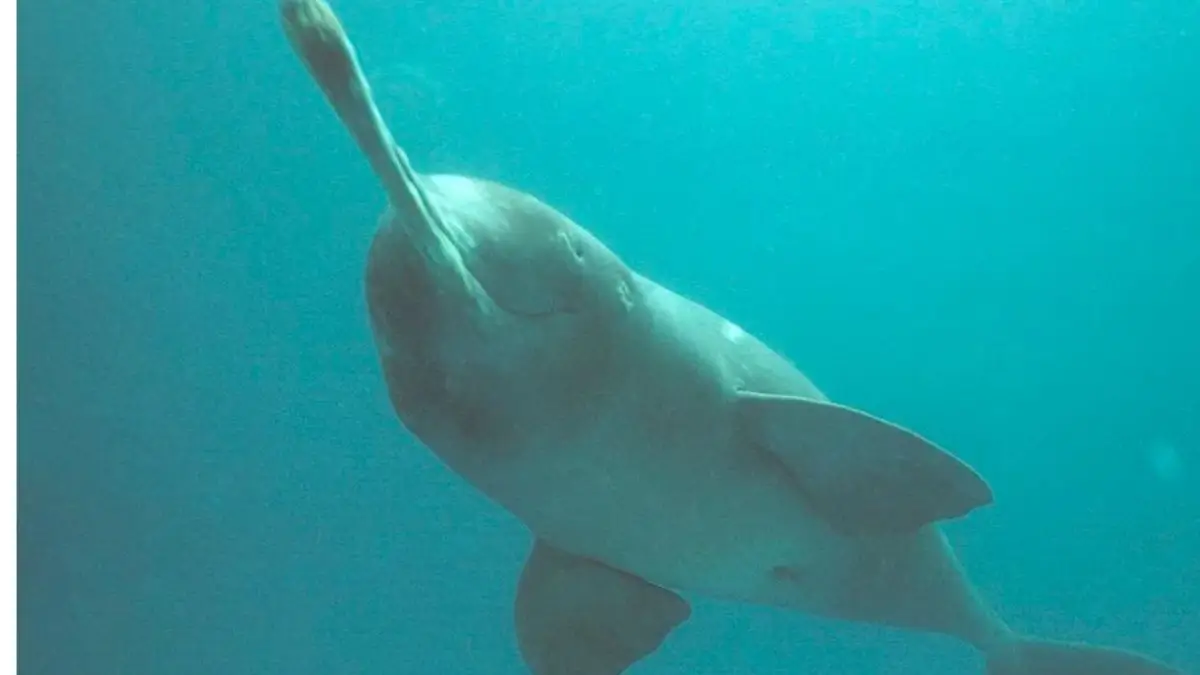
India’s project to conserve the Ganges River dolphin has been named among 35 UN World Restoration Flagships in the report “Nature’s Comeback: Scaling Ecosystem Restoration for People and Planet” of the United Nations Environment Program (UNEP). The project brings together the connections of species conservation, river ecosystem restoration and livelihood generation. India’s conservation program is more broadly reflected in a Comprehensive Action Plan for 2022-2047 aimed at ensuring a long-term conservation of the river dolphins. The project is recognized in the middle of the UN Decade on Ecosystem Restoration (2021-2030).
What Is the UNEP Nature’s Comeback Report?
The joint report of UNEP, the Food and Agriculture Organization of the United Nations (FAO) and the Secretariat of the Convention on Biological Diversity (CBD) has evaluated progress in the restoration of degraded ecosystems across the world. It was published in October 2026 at the mid-point of the UN Decade on Ecosystem Restoration.
The report outlines the size of restoration initiatives and emphasizes that the pace of work is not sufficient to achieve global goals by 2030.
Comprehensive Action Plan for Dolphin Conservation by India, 2022-2047
India has prepared a Comprehensive Action Plan for Dolphin Conservation from 2022 to 2047. This long-range plan aims at conserving the riverine and marine dolphins in their traditional habitats and developing facilities for them.
The plan will focus on,
- Identification of important habitats and hot spots for dolphins.
- Enhancement in the monitoring and study of dolphin populations.
- Minimisation of the accidental death of dolphins in fishing gears.
- Development of rescue and conservation facilities.
- Promotion of other livelihood options among local communities.
- Creating awareness and engaging relevant stakeholders.
Facts about Ganges River Dolphin
Ganges river dolphin (Platanista gangetica) is a kind of freshwater dolphin, endemic to the river systems of South Asia. Other names for this dolphin include Gangetic dolphin, Ganges susu and blind river dolphin.
- Conservation status: It is listed as the Endangered in the IUCN Red List.
- National status: National aquatic animal of India since 2009.
- Habitat: Ganges–Brahmaputra–Meghna river system and connected river stretches.
- Major threats: Habitat destruction, pollution, barrages and dams, reduction of water flow, and accidental capture in the fishing nets.
The dolphin earns its living by echolocation and finds its prey in dirty rivers. The occurrence of the dolphin helps in assessing the state of the river ecosystem, however, the conservation of this species also includes monitoring of the dolphin population and protecting it against potential threats.
UN Decade on Ecosystem Restoration, 2021-2030
The United Nations General Assembly has proclaimed the period from 2021 to 2030 the UN Decade on Ecosystem Restoration. The initiative, led by UNEP and FAO, seeks to stop and reverse the process of ecosystem degradation across the world. It addresses terrestrial and aquatic ecosystems, such as forests, wetlands, rivers, coasts and marine systems.
Two of the main international commitments include,
- Ambitions of the global restoration: countries committed to restoring approximately one billion hectares of degraded land and ecosystems.
- Kunming-Montreal Global Biodiversity Framework: target 2 calls for effective restoration of at least 30% of degraded terrestrial, inland water, marine and coastal ecosystems by 2030.








 Centre Notifies National Social Security...
 India Biennale 2026: Delhi’s Historic ...
 Supreme Court Asks RBI to Make Banks Com...