
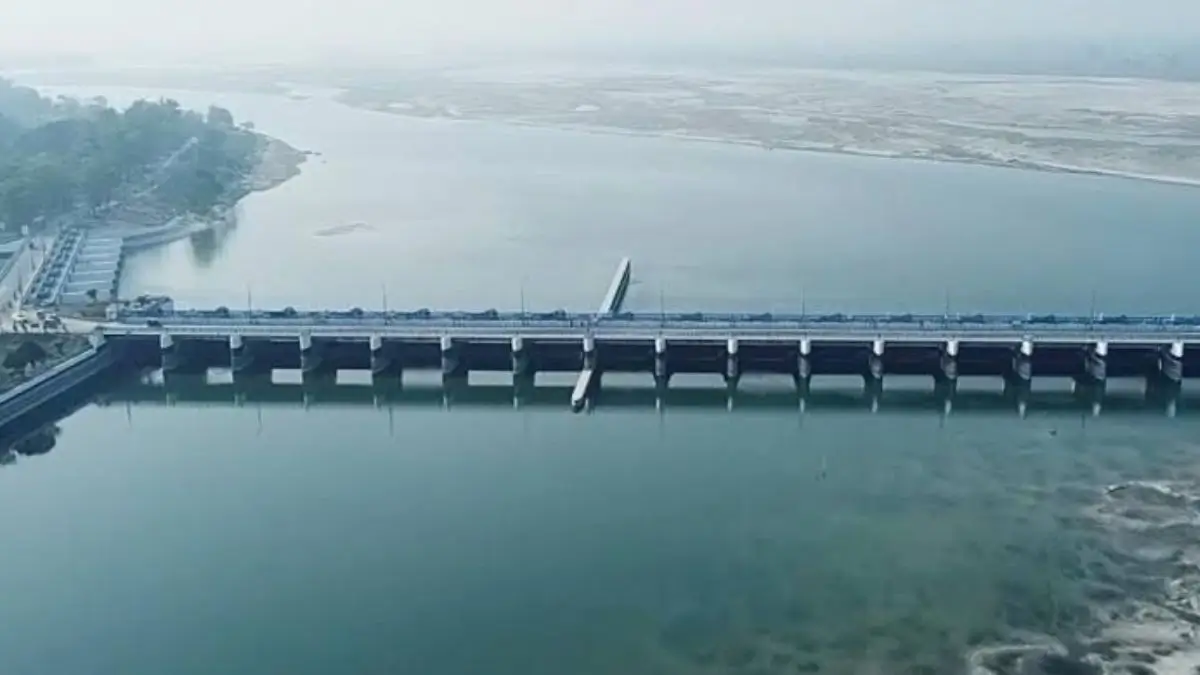
A 12-member high-powered committee has been formed in India for the assessment of the restoration and management of Teesta Barrage Project (TBP) in West Bengal as the Teesta River is gaining strategic importance. The committee will look into water availability, existing utilization, future demands and the status of the barrage and infrastructure. In addition, it will study climate change impact and the steps required to increase the resilience of the river basin. The move has come at a time when Bangladesh has increased dialogue with China regarding the management of the Teesta River.
What is the Teesta Barrage Committee?
The committee was constituted on July 10, with the Chairman of the Central Water Commission as its chairman.
It has been given six months to submit its report, including representatives from both Sikkim and West Bengal at the Joint Secretary level or equivalent.
What Would the Committee Inspect?
There are many factors that will be assessed by the committee such as,
- Present utilization of water and future needs
- Availability and increasing water
- Siltation and river channel capacity
- Renovation and reinforcement of the barrage infrastructure
- Impact of the climate change
- Carrying capacity of the Teesta and drainage channels
- Mechanisms of control for water release
- Storage and upstream infrastructure
It would also review the mechanisms of releases from upstream dams and storage facilities like the Gajaldoba Barrage.
Study on Teesta River Basin Commences
The Joint Detailed Technical Study for developing a comprehensive plan for managing the Teesta River Basin commenced on August 6.
The effort attempts to engage the relevant parties in the development of a wider strategy for managing the river basin beyond the existing barrage.
Climate resilience is likely to be one of the critical components since changing rainfall, water availability and extreme weather could impact river management.
Importance of Chinese Participation in Bangladesh
This is a period of growing requests from Bangladesh towards China to take an active part in the management of the Teesta river.
While visiting China in June this year, Bangladesh Prime Minister Tarique Rahman has received an assurance from the Chinese side of assistance in Dhaka’s projects for the restoration and management of the Teesta.
At the same time, Bangladesh has requested China’s participation in the implementation of a long-standing project involving flood prevention, irrigation, river transportation, and water availability during dry season.
China claims that its participation in the management of the Teesta river will not have any negative impact on any third party.
Why is the Teesta River Important for India and Bangladesh?
Teesta river originates in the Himalayas, flows through Sikkim and West Bengal, and further goes to Bangladesh.
Therefore, the water in the river is necessary for the development of agriculture, irrigation, flood prevention, and water availability in the two countries.
The river is a delicate matter in India-Bangladesh relations due to conflicting needs for water during different seasons.
The Teesta Barrage Master Plan has become one of the priorities of Bangladesh Prime Minister Tarique Rahman.
Strategic and Environmental Implications
India’s current effort integrates the aspects of water resource management, infrastructural rehabilitation and climate resilience along with an overall assessment of the Teesta basin.
The recommendations of the committee will be useful in deciding how the infrastructures are to be reinforced, how the water resources are to be managed and how the basin reacts to the changing environment.
At the same time, events relating to China and Bangladesh make the management of the Teesta basin significant from an environmental and strategic point of view.








 PM-VBRY Scheme: EPFO Offers Up to ₹15,...
 Global Hunger Index 2026: India Ranks 10...
 Sudhakar Dalela Appointed as India’s N...










