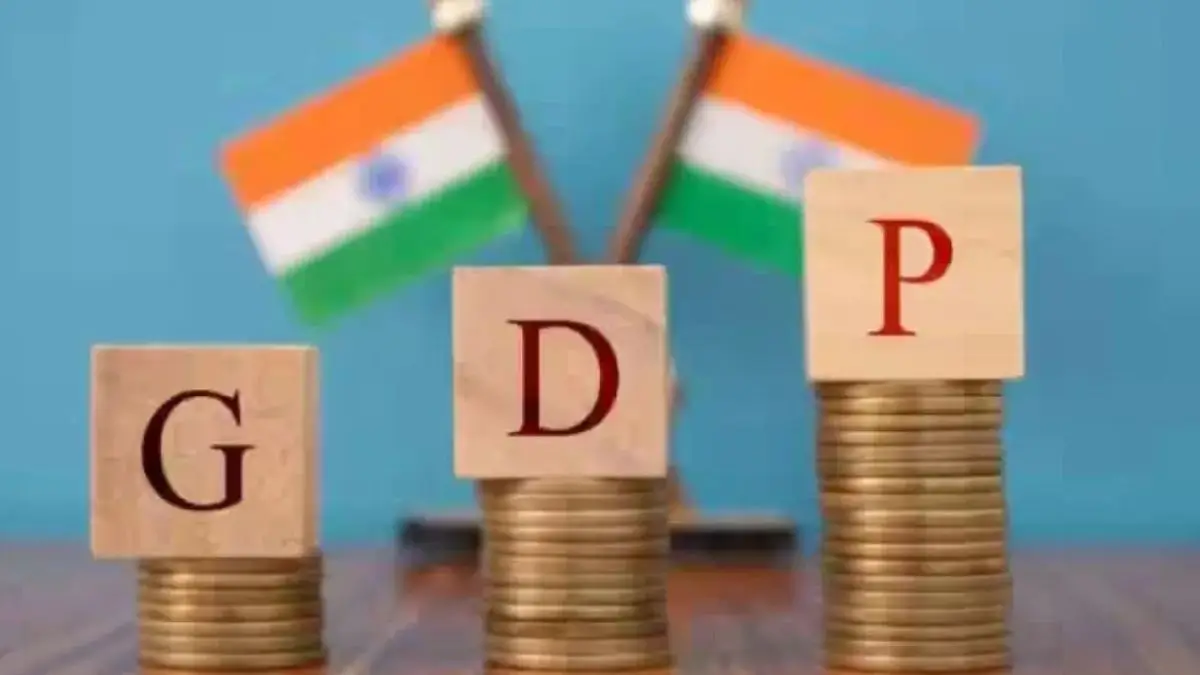
India’s economy is expected to grow at the 6.4% in 2026 and 6.6% in 2027 as per the latest by the United Nations report. This projections highlights the India’s continued position as the major growth engine in the Asia-Pacific region. Even as the global uncertainties continue persist India’s strong domestic demand, services sector expansion and the policy support will help to sustain the steady economic momentum. The report also highlights that India has played the key role to driving the regional growth in recent years.
India as Key Driver of Asia-Pacific Growth – UN Report
The findings comes from the United Nations Economic and Social Commission for Asia and the Pacific (ESCAP) which tracks the economic trends across the region.
According to the report,
- Asia-Pacific economies grew for 5.4% in 2025 which is up from 5.2% in 2024.
- Also the India’s economy expanded by the 7.4% in 2025 and have outperformed the many major economies.
- The growth was largely driven by the strong rural consumption and tax reforms
India’s performance continues to play the important role in stabilizing and boosting the regional economic activity.
Key Drivers Behind India’s Economic Growth
India’s strong economic performance is supported by the multiple factors which continue to strengthen its fundamentals.
- Robust domestic consumption and specially from the rural areas.
- Also the GST rate cuts have boosted the spending and demand.
- Strong services sector which includes IT, finance, and digital services have played crucial factor.
These factors have helped the India to maintain resilience even after global uncertainties.
Global Headwinds Impact Growth Momentum
While the outlook remains positive the report also highlights certain challenges. Economic activity have slowed down in the latter half of 2025 due to a sharp decline in the exports.
- Exports to the United States fell by 25% in numbers.
- This was triggered by the 50% tariffs imposed by the US.
Despite this setback country’s services sector continued to act as the stabilizing force and prevented the sharper slowdown.
Inflation Outlook Remains Stable
One of the positive indicators for the India’s economy is stable inflation.
The report projects that,
the 4.4% inflation in 2026 and will be 4.3% inflation in the year 2027.
This suggests that price levels are expected to remain under control and it will support the consumer spending and economic stability.
FDI Trends and Remittance Challenges
The report highlights the mixed trends in the foreign investments and remittances.
- The FDI inflows into Asia-Pacific declined by 2% in 2025.
- India remained at the top destination and attracted the $50 billion in greenfield investments.
- Also the India continues to be the largest recipient of remittances globally and have received $137 billion in 2024
However a 1% tax on remittances imposed by the United States from 2026 may impact the future inflows and household consumption.
Green Growth and Job Creation Opportunities
The UN report also showcase the importance of clean energy transition to shaping future growth.
Around the 16.6 million green jobs exist globally and India accounts for the approximately 1.3 million green jobs.
Government initiatives like the Production-Linked Incentive (PLI) scheme have played the significant role to boost the domestic manufacturing in sectors such as,
- Solar energy
- Battery production
- Green hydrogen
These sectors are expected to generate the employment and will strengthen India’s position in the global supply chains.








 GST Council Removes Arrest Powers of Tax...
 World Bank Raises India’s GDP Growth F...
 Centre to Borrow ₹7.86 Trillion Throug...