
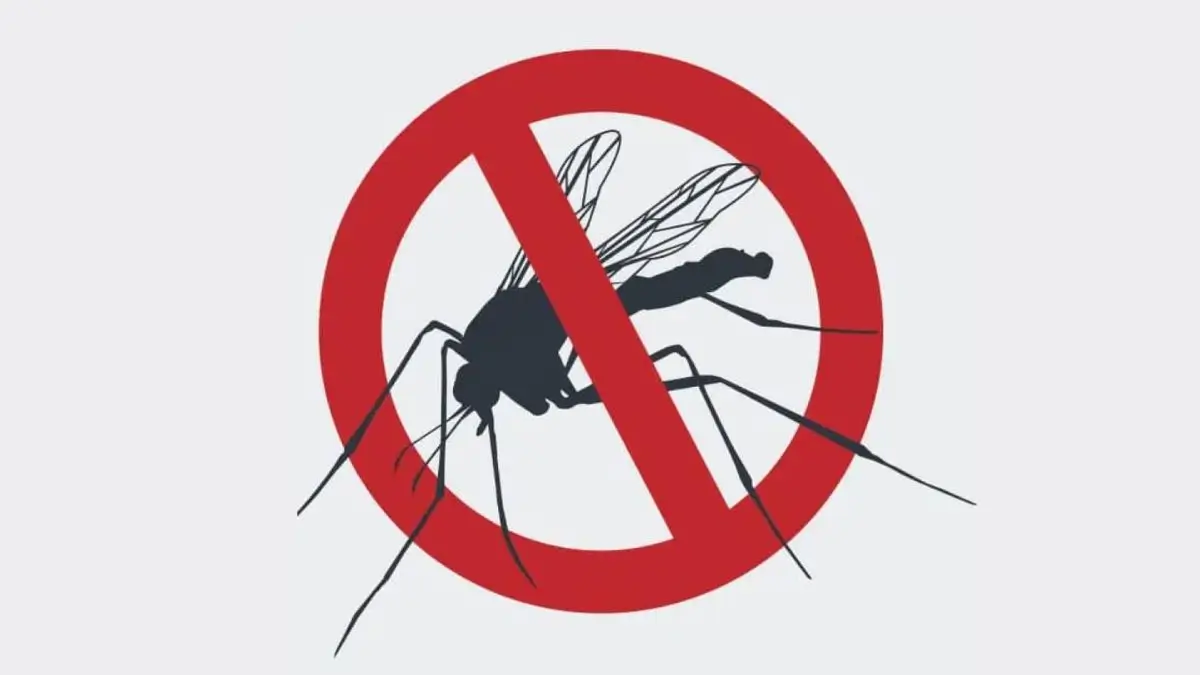
The scientists at the Institute of Advanced Virology (IAV) in Kerala have created the Dengue Early Warning System (DEWS). The system works based on machine learning, disease surveillance, and weather data to predict dengue trends. It is based on six years of data from March 2020 to February 2026, creating forecasts on a weekly basis for each district. This system combines dengue incidence cases along with rainfall, temperature, and average humidity. Based on the initial test on Kerala surveillance data from March to July 2026, there was a positive correlation.
How Does the Dengue Early Warning System in Kerala Work?
The DEWS makes use of epidemiological data collected from the State Surveillance Unit of Kerala and meteorological data obtained from the India Meteorological Department. The DEWS model considers four main parameters,
- Number of dengue cases reported
- Rainfall
- Temperature
- Average humidity
Unlike other forecasting systems, which generate a single prediction for the whole state, the DEWS model creates predictions for districts separately, so that local conditions and climatic conditions could be taken into account.
These predictions classify the risk of dengue infection into four levels: very high, high, moderate, and low. Categorization of risks can make the results of modeling easier to interpret for the public health sector.
The DEWS system is still a research project, which requires further improvements, updating, and validation annually.
Importance of Weather Data for Dengue Predictions
Dengue fever is a disease that results from the dengue viruses, which are spread by infected Aedes mosquitoes. WHO states that the transmission of dengue is affected by such factors as the number of mosquitoes, temperature, rain and humidity. There are seasonal variations in transmission, where it usually increases during and after rain.
Rain can generate temporary sites for breeding, whereas temperature influences the development process of mosquitoes as well as the time taken before the virus becomes infectious within the mosquito. Humidity can affect the survival of the mosquito.
However, the connection is not instant and consistent. Other factors like movements of people, urbanization, methods of storing water, number of mosquitoes and immunity against circulating dengue virus serotypes can affect the transmission. This implies that the machine learning models can incorporate different variables.
Scientific Evidence from Kerala
Another study was conducted in 2026 and published in GeoHealth based on dengue and climatic data from 2006 to 2019 in Kerala. In this study, a seasonality association was revealed between dengue cases and the monsoon, where about 60% of the cases are recorded in June-September and the maximum incidence rate is observed in June-July.
In this study, temperature, rainfall, relative humidity, and ENSO have been cited among the climatic factors which are significant predictors of dengue cases. According to their machine-learning model analysis, the XGBoost model produced an R² value of 0.72 in the test period of the study.
This study also projected an increase in dengue cases in future climate scenarios, however, predictions from models are not absolute future events.
How an Early Warning System May Help with Dengue Prevention
The forecasting tool in itself cannot prevent or cure dengue. However, the public health utility of the forecasting system comes in the form of giving people more time to prepare.
In case of a district being predicted to have high risk, they may be able to improve their surveillance and reduction activities, increase testing and laboratory readiness, and prepare healthcare facilities for cases of dengue.
There is also a WHO document on the topic of dengue early warning and response systems. This document gives the operational approach to using data and methods of analysis to predict the outbreak of dengue and prepare accordingly.








 NASA’s PUFFINS Mission: Indian-Origin ...
 ISRO Successfully Completes Crew Moduleâ...
 Elon Musk Shows Tesla Roadster Performin...










