India has a rich history of protests, where the people have come out on the streets to demand justice, accountability, reforms, and changes in policies. The right to protest peacefully is recognized under Article 19 of the Constitution, and as one of the foundations of democracy in India, it is subject to reasonable limits in the interest of public order.
The recent nationwide protests led by the Cockroach Janta Party (CJP) on the grounds of the alleged examination discrepancies and NEET examination leak controversy shows how powerful public movements are in the sphere of public policy. The protests are said to have resulted in the resignation of the Union Minister for Education, making it one of the most important political events of 2026.
Here are some of the most significant protests of the country over the last 20 years, and the results of the protests.
India’s Tradition of Mass Protest
Mass demonstrations have been a key element in the development of democracy in India. They have been instrumental in the freedom struggle and in more recent protests against corruption, gender violence, contested laws, and unemployment issues, pressuring the government to change rules and work for reforms.
While every protest comes from different social conditions, all indicate the commitment of people to seek responsibility using democratic instruments.
April 2011: Anna Hazare’s Anti-Corruption Campaign
In April 2011, one of the largest anti-corruption movements in independent India commenced with social activist Anna Hazare’s hunger strike. In this hunger strike, Anna Hazare urged the government to amend the law with the help of the Jan Lokpal Bill.
This movement received tremendous responses from the general public and people participated in peaceful protest rallies in huge numbers. It was Anna Hazare’s detention that brought to life the public emotions of the people.
Subsequently, the Parliament passed the Lokpal Bill; however, Anna Hazare remains dissatisfied with the bill, expressing that the law has not achieved the aims of the movement. The movement also changed the face of Indian politics, which ultimately led to the birth of Aam Aadmi Party in 2012.
December 2012: Nirbhaya Protests Brought Changes to Criminal Law in India
Mass protests erupted across the country after a brutal gang-rape and assault of a woman took place in Delhi in December 2012, with calls for justice and stronger legislation to protect women.
Many thousands of Indians took to the streets, gathering at the India Gate and elsewhere, and demanding new laws and better protection of women.
The aftermath of the protests changed the legal environment drastically, which included,
- Changing the definition of sexual offenses
- Strengthening the punishment system
- Implementing fast-track courts for sexual assault cases.
In 2020, four adult prisoners were executed after going through all trials.
December 2019: Citizenship Amendment Act (CAA) Protests
In December 2019, the Citizenship Amendment Act (CAA) was passed, which led to protests in various states.
Those in favour of CAA claim that the law protects the minority communities from persecution in nearby countries.
However, the critics believe that the CAA, along with the intended National Register of Citizens (NRC), will discriminate against Muslims and violates the secular nature of the country.
Protests lasted for several months and violent clashes erupted in some locations. The CAA was enacted in March 2024, after the protests ended.
Farmers Movement in September 2020
September 2020 saw the start of demonstrations by thousands of farmers in Punjab, Haryana, and western Uttar Pradesh against the new agricultural laws.
Farmers have grave concerns about the possibility of reforms leading to the demise of the Minimum Support Price system and more intervention from private buyers.
The agitation, characterized by a number of prolonged sit-ins at several locations near Delhi’s borders, has come to be recognized as one of the longest movements by farmers in history.
After almost one year of continuous protests, the government announced the withdrawal of all three farm laws in November 2021.
August 2024: Doctor’s Protest After Kolkata Hospital Controversy
The purported rape and killing of a junior doctor in a government-run hospital in Kolkata provoked protests among medical practitioners across the country.
The medical organizations requested the,
- Improved security of working places
Quicker investigations
Strict laws against violent acts against medical staff members
The demonstrations lasted for a number of months, raising awareness of the problem across India.
July 2026: Cockroach Janta Party (CJP) Movement Over Exam Paper Leaks
In July 2026, the Cockroach Janta Party (CJP) movement made history as the latest youth-led protests in India.
The issue at stake was alleged examination irregularities and the NEET paper leak controversy, where protesters clamored for accountability and examination reforms.
The movement gained momentum throughout the country from Week 1 until the reported resignation of the Minister of Education. It has become one of the most significant public movements during the tenure of Prime Minister Narendra Modi.
While supporters of the movement called it a movement for transparency in examinations, it also rekindled the debate about the need for examination reforms and accountability in institutions.
Key Features of Major Protests in India
Though each of India’s largest mass protests deals with different issues, many possess certain common features, including,
- Demands for more government accountability
- Calls for reforms in policies
- Public mobilization through peaceful protests
- Participation of youth and civil society
- Huge media and public attention
- Impact on governance and legislation
The protests exemplify the role of participatory democracy in India’s policy making process.
Right to Protest in India
According to Article 19(1)(a) (Freedom of Speech and Expression) and Article 19(1)(b) (Right to Assemble Peacefully), the Right to Protest is a guaranteed right.
This right, however, is subject to reasonable restrictions such as,
i) Public order
ii) National security
iii) Sovereignty and integrity of India
iv) Decency and morality
The Supreme Court has held that peaceful protests are constitutionally protected, however they should not be allowed to obstruct public life or business indefinitely.








 Dussehra 2026: Top 30 Most Important GK ...
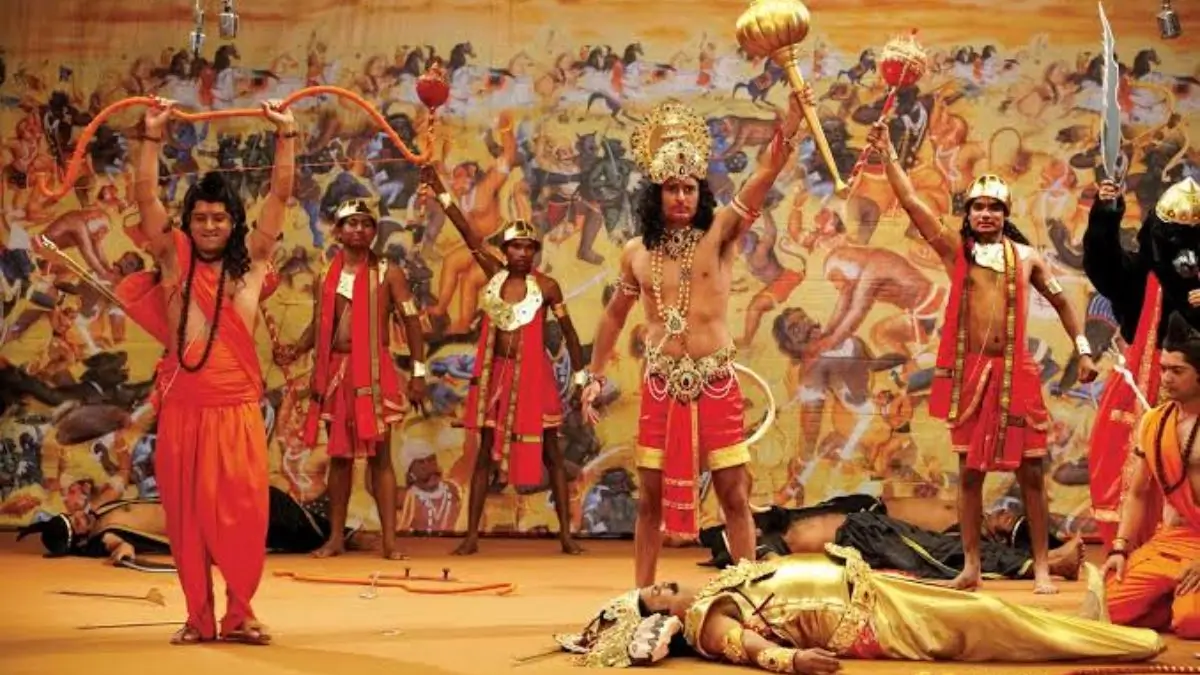 Dussehra and UNESCO: Ramlila, Durga Puja...
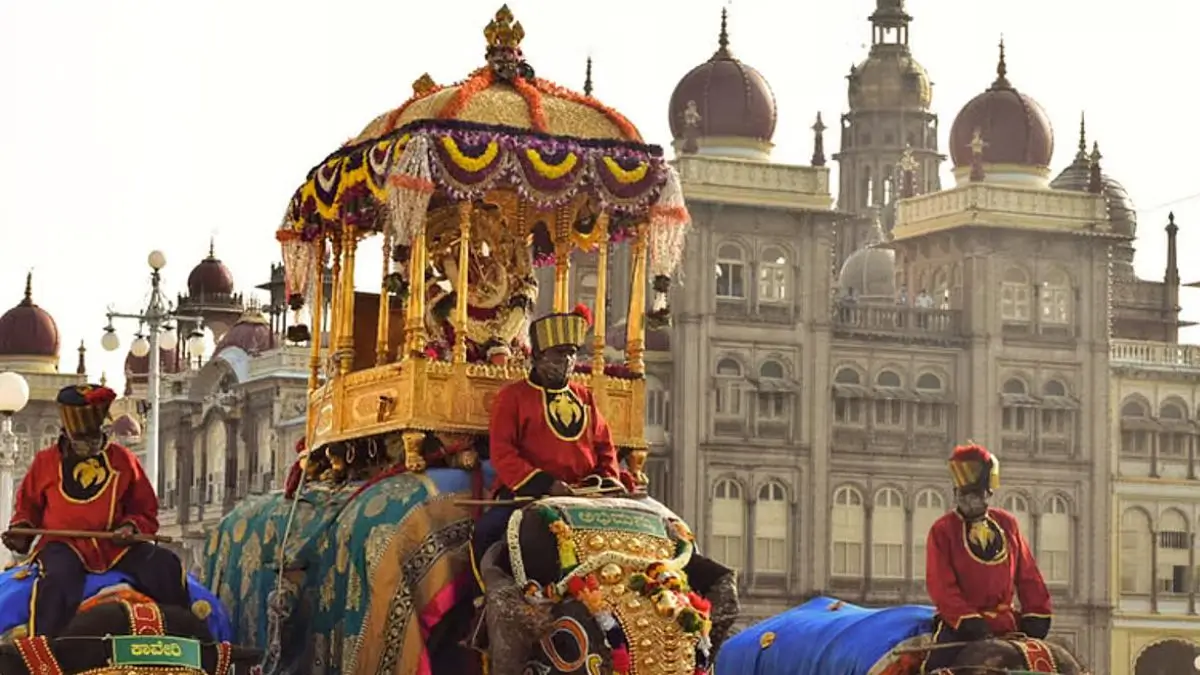 Mysuru Dasara 2026: History, Jamboo Sava...